Small Penis: A Complete Medical Overview

A penis that seems small is not always medically abnormal; many concerns are related to normal size variation. Micropenis is a specific medical diagnosis based on stretched penile length, not appearance alone.
Key Takeaways
- A penis that seems small is not always medically abnormal; many concerns are related to normal size variation.
- Micropenis is a specific medical diagnosis based on stretched penile length, not appearance alone.
- Hormonal, genetic, and developmental factors can contribute to an unusually small penis.
- Evaluation may include physical examination, hormone testing, and assessment for related conditions.
- Treatment depends on the cause and may range from reassurance to hormone therapy or selected procedures.
- Persistent concern, sexual difficulty, fertility questions, or changes in size should be discussed with a doctor.
The term small dick often reflects personal concern about penis size rather than a medical disorder. In medicine, a truly unusually small penis is called micropenis, and diagnosis depends on careful measurement, development history, and evaluation for hormonal or genetic causes.
Overview: what “small dick” means medically
The phrase “small dick” is common in everyday language, but it is not a medical diagnosis. Most often, it refers to a personal concern that the penis is smaller than expected. In many cases, penis size falls within the normal range, and the concern is linked to body image, comparison with others, or misunderstanding about what normal size actually is.
Doctors use more precise terms. A penis may appear small because of body fat around the pubic area, a buried penis, prior surgery, scarring, or natural variation in anatomy. A true medical condition called micropenis is different. It describes a penis that is significantly shorter than expected for age when measured correctly, while the overall structure is otherwise typically formed.
Size can be assessed in newborns, children, and adults, but the method matters. Health professionals usually measure stretched penile length rather than relying on visual impression. This helps distinguish normal variation from a developmental condition that may need further investigation.
Because penis size can affect self-esteem, intimate relationships, and emotional well-being, the topic deserves a careful and respectful medical approach. An accurate evaluation can reassure many people and identify the smaller group who may benefit from endocrine, urologic, or reconstructive assessment.
Normal variation and why appearance can be misleading
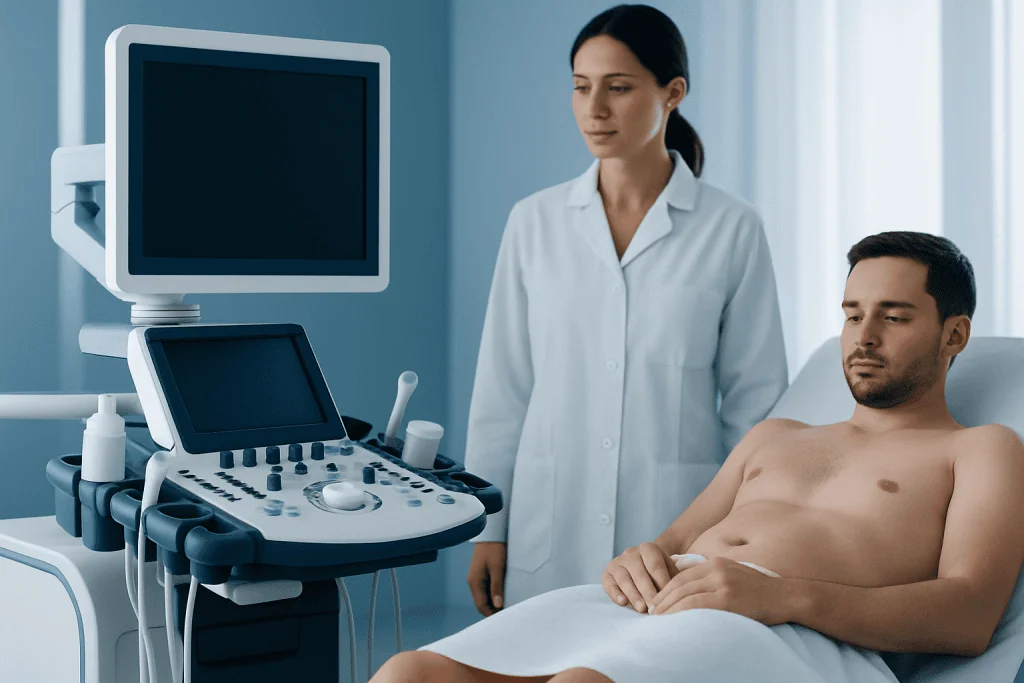
Penis size varies naturally among healthy males, just as height and body shape do. Flaccid size can change considerably with temperature, stress, exercise, and time of day, so it is not a reliable way to judge whether the penis is medically small. Erect size and stretched length are more useful for assessment.
Appearance can also be affected by surrounding tissues. Extra fat in the lower abdomen or pubic area can make the visible part of the penis seem shorter. This is sometimes called a buried or concealed penis. In these situations, the penile shaft itself may be normal in size, but less of it is visible externally.
Another reason for concern is comparison. Many people compare themselves with images online or in pornography, which do not represent normal anatomy. Camera angles, selective presentation, and unrealistic expectations can create the false impression that average penis size is much larger than it really is.
For this reason, a doctor does not diagnose a problem based on appearance alone. A physical examination helps identify whether the issue is normal variation, excess pubic fat, scarring, a congenital difference, or a condition such as erectile dysfunction that may affect confidence about sexual performance rather than actual penile size.
Micropenis, symptoms, and related concerns

Micropenis is a specific medical term for a penis that is much smaller than expected for age after proper measurement. It is usually identified in infancy or childhood, though some people are not evaluated until adolescence or adulthood. The diagnosis does not depend on flaccid appearance alone.
The main “symptom” is reduced penile length. Depending on age and the cause, there may also be delayed puberty, a small scrotum, undescended testicles, infertility concerns, or reduced body hair and other signs of hormone deficiency. In adults, the concern may come to medical attention because of sexual anxiety, trouble with urination position, or questions about fertility and masculinity.
It is important to separate size from function. A penis that is on the smaller side can still have normal erections, sensation, urination, and sexual function. By contrast, some people with normal penile length may seek help because erections are difficult to achieve or maintain. In those situations, evaluation may focus more on function, and treatment may overlap with penile prosthesis options or other erectile dysfunction care if appropriate.
Emotional effects are also common. Shame, avoidance of intimacy, depression, anxiety, and body dysmorphic thoughts can occur whether or not a medical abnormality is present. This is why compassionate communication and, when needed, psychological support are an important part of care.
Causes and risk factors
A genuinely small penis can result from developmental, hormonal, genetic, or structural factors. One of the best-known causes is inadequate exposure to testosterone or problems in the hormonal pathways that control male genital development before birth or during early infancy. Disorders involving the pituitary gland, hypothalamus, or testes may contribute.
Some genetic or chromosomal conditions can also affect genital development. In addition, rare differences in how the body responds to androgens may lead to a smaller penile size despite hormone production. When this is suspected, doctors may recommend evaluation by pediatric endocrinology, adult endocrinology, or urology depending on the age of the patient.
Not every apparently small penis is due to micropenis. Other possibilities include buried penis related to obesity, lymphedema, scarring after infection or surgery, congenital skin attachment problems, or a trapped penis after circumcision. These conditions may change the visible length without changing the actual corporal structure.
Risk factors can include known endocrine disorders, undescended testes, delayed puberty, a family history of developmental conditions, or genital differences noted at birth. In some cases, no single clear cause is found. The goal of assessment is to identify reversible factors and distinguish medical conditions from normal anatomical variation.
How doctors diagnose a medically small penis
Diagnosis begins with a detailed medical history and a respectful physical examination. The doctor asks about puberty, sexual development, urination, erections, fertility, prior surgery, trauma, medications, and any childhood hormonal treatment. Body weight, pubic fat, testicular size, and signs of hormone deficiency are also assessed.
The most important step is proper measurement. Clinicians usually measure stretched penile length from the pubic bone to the tip of the glans while gently extending the penis. Pressing to the pubic bone helps account for overlying fat. This method is more consistent than visual estimates and is compared with age-based reference ranges.
If a medical cause is suspected, tests may include hormone studies such as testosterone and other pituitary or gonadal hormones. In selected cases, genetic testing or imaging may be needed. When fertility is a concern, semen analysis and reproductive evaluation can be considered. If testicular or structural issues are present, the assessment may also connect with care for male infertility.
Diagnosis is not only about identifying disease. For many adults, the key outcome of evaluation is reassurance that the penis is within normal limits. Clear explanation from a qualified doctor can reduce unnecessary anxiety and help guide next steps if appearance, function, or confidence remain concerns.
Treatment options and supportive care
Treatment depends entirely on the cause. If the penis is medically normal in size, treatment may not be necessary. In that situation, counseling, sexual education, and body image support can be more helpful than procedures. Addressing concerns about erection quality, weight, or relationship stress may also improve confidence.
When micropenis is diagnosed in infancy or childhood and is linked to hormone deficiency, doctors may consider hormone-based treatment under specialist supervision. The aim is to support development during the appropriate window of growth. The exact approach depends on age, endocrine findings, and overall health, and treatment decisions are individualized.
If the main issue is a buried or concealed penis, treatment may focus on the underlying cause. Weight management, skin care, treatment of scarring, or reconstructive procedures may be appropriate in selected cases. For structural or cosmetic concerns, some patients are referred for penis enlargement evaluation or reconstructive urologic review, though not all concerns require surgery.
Adults seeking help should be cautious about unproven products. Pills, devices, and injections marketed online often lack reliable evidence and may cause harm. Any intervention should be discussed with a qualified specialist. In complex cases, a multidisciplinary team may include urologists, endocrinologists, fertility specialists, plastic surgeons, and mental health professionals. Acibadem International’s multidisciplinary specialists and JCI-accredited hospitals also diagnose and treat these concerns for international patients when advanced evaluation is needed.
Self-care, prevention, and realistic expectations
There is no proven way for a healthy adult to substantially increase penis size through over-the-counter products or unsupervised exercises. Prevention mainly involves early recognition of developmental or hormonal problems in childhood rather than lifestyle measures in adulthood. Parents who notice genital differences, delayed puberty, or undescended testicles should seek pediatric evaluation promptly.
For adults, self-care often means focusing on factors that affect visible length and sexual health. Weight reduction can improve the visible portion of the penis when excess pubic fat is present. Managing diabetes, blood pressure, smoking, stress, and sleep can support erection quality and sexual confidence, even though these steps do not directly change anatomical length.
Open communication with a partner can also reduce distress. Many people find that concerns about size are greater than the actual impact on sexual satisfaction. If anxiety is persistent, counseling may help challenge unrealistic comparisons and improve self-esteem.
Realistic expectations are essential before considering any procedure. A specialist can explain what treatment can and cannot achieve, possible risks, and whether goals relate more to function, appearance, or confidence. This helps patients make informed decisions based on medical facts rather than marketing claims.
When to seek medical care
Medical advice is appropriate if there is concern that the penis is unusually small, especially in a newborn, child, or teenager with delayed puberty. A doctor should also assess a penis that seems hidden, trapped, scarred, or significantly changed in appearance. Early evaluation is important when hormonal or developmental causes are possible.
Adults should seek care if concern about size is causing distress, avoiding intimacy, or affecting quality of life. Evaluation is also sensible when there are problems with erections, ejaculation, fertility, urination, pain, or visible deformity. These concerns may point to conditions that need diagnosis rather than a simple size issue.
Urgent assessment is needed if there is sudden swelling, severe pain, trauma, inability to pass urine, or signs of infection. These are not typical features of micropenis and may indicate another acute problem. In less urgent situations, starting with a primary care doctor, urologist, or endocrinologist is often the best next step.
A consultation can provide both medical clarity and reassurance. If treatment is necessary, options may include endocrine care, reproductive evaluation, reconstructive assessment, or help for sexual function such as erectile dysfunction treatment when symptoms point in that direction.
Frequently asked questions
Is a small dick always a medical problem?
No. In many cases, concern about a small penis reflects normal anatomical variation rather than disease. A doctor can determine whether the size is within the expected range by taking a proper measurement and reviewing development and function.
What is the difference between a small penis and micropenis?
Micropenis is a medical diagnosis based on stretched penile length being significantly below the expected range for age. A penis can look small without meeting this definition, especially if pubic fat, body shape, or temperature affects appearance.
Can weight affect how big the penis looks?
Yes. Extra fat around the lower abdomen and pubic area can make the visible part of the penis appear shorter. In some people, weight loss improves visible length even though the actual penile structure has not changed.
Are online penis enlargement products safe or effective?
Many products sold online are not supported by strong medical evidence. Some can cause injury, scarring, pain, or disappointment. It is safer to discuss any enlargement claim with a qualified urologist before trying it.
Can a small penis still function normally?
Yes. Size and function are not the same. A penis can be on the smaller side and still have normal sensation, erections, urination, and sexual function.
When should parents seek medical advice for a child?
Parents should seek evaluation if the penis appears very small, if the testes have not descended, or if puberty seems delayed later in childhood. Early assessment can help identify hormonal or developmental conditions when treatment may be more effective.
This article is for general information only and is not a substitute for professional medical advice. Please consult a qualified doctor about your individual situation.
Explore treatments in Turkey — costs, top hospitals & a free quote
JCI-accredited · board-certified surgeons · reply within 24h
Add us as a Preferred Source to see more of our trusted health content across Google Search, AI Overviews and Discover.
Check your numbers in seconds
BMI, calories, due date, blood pressure and 30+ more clinical calculators — free, instant, doctor-reviewed ranges.

More from the Health Library

Lsil Pap: An Evidence-Based Guide for Patients

Mold and House — Explained by Medical Evidence, Not Myths

Baby Hair: An Evidence-Based Guide for Patients

Sore Throat Ice Water: A Complete Medical Overview

Kick in the Testicles: An Evidence-Based Guide for Patients