Chicory Root: What Patients Need to Know

Chicory root is rich in inulin, a type of prebiotic fiber that can support gut bacteria. It is often found in fiber supplements, snack products, and caffeine-free coffee alternatives.
Key Takeaways
- Chicory root is rich in inulin, a type of prebiotic fiber that can support gut bacteria.
- It is often found in fiber supplements, snack products, and caffeine-free coffee alternatives.
- Some people develop bloating, gas, cramps, or diarrhea, particularly if they consume too much too quickly.
- People with allergies to ragweed, birch, or related plants may be more likely to react to chicory root.
- Patients with ongoing digestive symptoms should discuss supplements and diet changes with a qualified doctor.
Chicory root is a plant root commonly used as a source of inulin fiber and as an ingredient in coffee substitutes. For many people it can be part of a balanced diet, but it may also cause gas, bloating, or allergic reactions, especially in those with digestive sensitivity or ragweed-related allergies.
Overview: What chicory root is and why people use it
Chicory root comes from the chicory plant, a member of the daisy family. The root has long been used in food and traditional preparations, and today it is best known as a source of inulin, a type of soluble fiber. It is also roasted and used in caffeine-free beverages or blended with coffee for flavor.
From a patient perspective, chicory root is not a medicine for most people. It is better understood as a food ingredient or dietary supplement that may support digestive health in some situations. Its effects depend on the amount consumed, a person’s usual diet, and whether they have digestive disorders, food sensitivities, or plant allergies.
Manufacturers may add chicory root fiber to protein bars, cereals, yogurts, powdered supplements, and “high-fiber” processed foods. Because of this, some people consume more chicory root than they realize. Reading labels can help identify ingredients such as chicory root fiber, chicory extract, or inulin.
Possible health benefits of chicory root
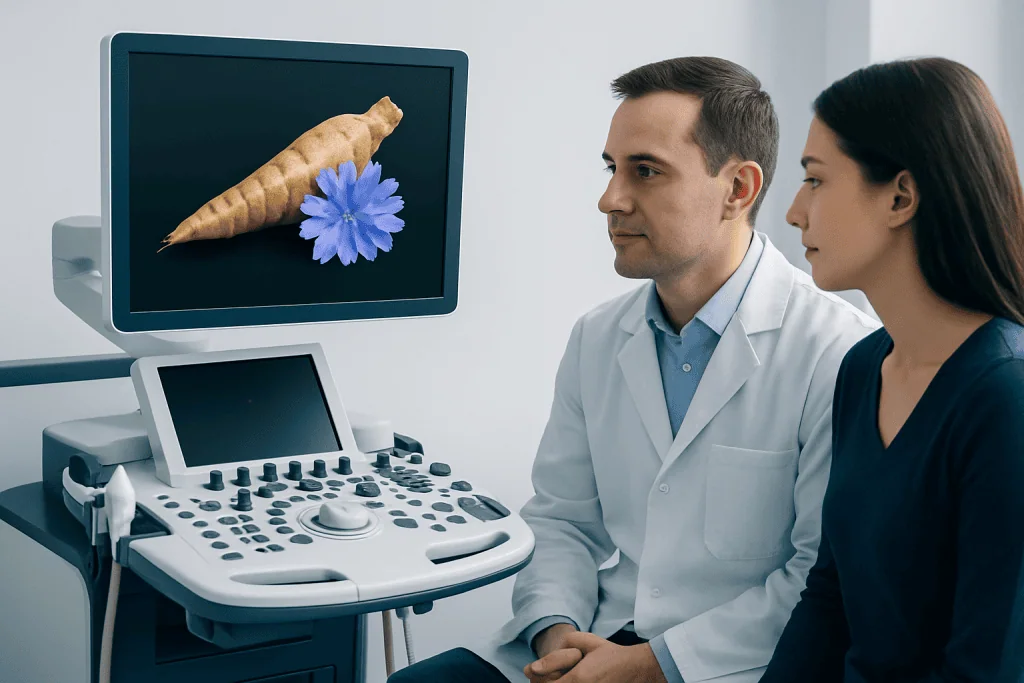
The main reason chicory root is used in health products is its inulin content. Inulin is a prebiotic fiber, meaning it can help nourish beneficial bacteria in the gut. A healthy gut microbiome may contribute to digestive regularity and overall metabolic health, although responses vary from person to person.
Some people use chicory root to help increase daily fiber intake. Adequate fiber may support bowel regularity, help people feel full after meals, and play a role in healthy blood sugar and cholesterol management as part of an overall balanced diet. Chicory root is not a replacement for medical care, but it can be one way to add fiber if tolerated well.
Roasted chicory root is also popular as a coffee alternative. It has a slightly bitter, roasted taste but contains little or no caffeine unless mixed with coffee. For people trying to reduce caffeine, this may be a practical option, though it does not provide the same alerting effects as coffee.
- May support beneficial gut bacteria
- Can help increase fiber intake
- May aid bowel regularity in some people
- Can be used in caffeine-free or lower-caffeine beverages
Side effects, risks, and who should be cautious

Chicory root is not suitable for everyone. The most common side effects are digestive, especially gas, bloating, abdominal discomfort, and changes in bowel habits. These effects are more likely when someone consumes a large amount at once or increases fiber intake too quickly.
People with sensitive digestion may notice symptoms even at modest amounts. This can happen in conditions involving bloating, abdominal pain, or altered bowel habits, including irritable bowel syndrome. Because inulin is a fermentable fiber, it may trigger symptoms in people who are sensitive to certain carbohydrates.
Allergic reactions are less common but possible. Chicory is related to ragweed, daisies, and marigolds, so people with allergies to these plants may be at higher risk. Anyone who develops itching, swelling, hives, wheezing, or trouble breathing after consuming chicory root should seek urgent medical attention.
Pregnant or breastfeeding patients, and people with complex medical conditions, should ask a doctor before starting a new supplement. Even natural products can interact with symptoms, special diets, or treatment plans.
How chicory root affects digestion
Chicory root is often discussed in relation to digestive wellness, but its effects can be mixed. Inulin absorbs water and is fermented by bacteria in the colon. In some people this supports softer stools and regular bowel movements, while in others it creates excess gas and discomfort.
This difference helps explain why one person may feel better after using chicory root and another may feel worse. The response depends on dose, overall fiber intake, hydration, gut sensitivity, and whether a person has a digestive condition. Patients who already experience frequent bloating, cramping, or food-triggered symptoms should be especially cautious.
For individuals being evaluated for persistent digestive complaints, it may help to review supplement use and high-fiber products with a clinician. In some cases, symptoms that seem related to diet can overlap with conditions such as Crohn’s disease or other gastrointestinal disorders. Assessment may include symptom review, elimination of triggering foods, and sometimes formal testing through gastroenterology care when needed.
How to use chicory root safely
If a person wants to try chicory root, a gradual approach is usually best. Starting with a small amount gives the digestive system time to adjust and may reduce gas and bloating. Drinking enough water is also important whenever fiber intake increases.
Patients should avoid assuming that “more fiber” is always better. A sudden jump in intake from supplements, fiber-enriched snacks, and beverages can lead to uncomfortable symptoms. It may be more helpful to increase total fiber slowly from a variety of foods, including vegetables, fruits, legumes, and whole grains, rather than relying heavily on one ingredient.
Label reading matters because chicory root can appear in many packaged foods under different names. People who are following a low-FODMAP plan, have been advised to limit fermentable fibers, or are trying to identify a food trigger may want to track products containing chicory root or inulin in a food and symptom diary.
When to seek medical care
Most side effects from chicory root are mild and improve after reducing or stopping it. However, medical advice is important if symptoms are severe, persistent, or difficult to explain. This includes ongoing abdominal pain, repeated diarrhea, constipation that does not improve, or symptoms that interfere with eating and daily life.
Urgent care is needed if chicory root seems to trigger signs of an allergic reaction, such as facial swelling, widespread hives, wheezing, dizziness, or difficulty breathing. These symptoms should not be managed at home.
Patients should also arrange medical review if they notice blood in the stool, unintentional weight loss, fever, nighttime symptoms, or new digestive symptoms after age 50. Depending on the clinical picture, a doctor may recommend dietary assessment, laboratory tests, imaging, or procedures such as colonoscopy to look for other causes.
Diagnosis, practical next steps, and specialist support
There is no single test to determine whether chicory root is right or wrong for a person. In many cases, clinicians assess symptoms by reviewing diet, supplement use, allergy history, bowel habits, and any underlying medical conditions. A trial of stopping chicory root and monitoring symptoms may be useful when a food sensitivity is suspected.
If symptoms continue despite avoiding chicory root, medical evaluation can help rule out other causes. This may involve blood tests, stool tests, imaging, or referral to digestive specialists. When swallowing problems, reflux, abdominal pain, or bowel changes are prominent, the next step depends on the person’s age, symptoms, and medical history.
Support from a dietitian may also help, especially for people trying to balance fiber intake without worsening symptoms. At the same time, broader dietary patterns usually matter more than any single ingredient. Patients should aim for sustainable habits rather than quick fixes or highly marketed supplements.
For international patients who need assessment for digestive symptoms, Acibadem International’s multidisciplinary specialists and JCI-accredited hospitals provide diagnosis and treatment across digestive care, including services such as endoscopy when clinically appropriate.
Frequently asked questions
What is chicory root used for?
Chicory root is mainly used as a source of inulin fiber and as an ingredient in coffee substitutes. It is also added to packaged foods and supplements to increase fiber content.
Is chicory root good for digestion?
It may help some people by acting as a prebiotic fiber and supporting bowel regularity. However, others may develop gas, bloating, cramps, or loose stools, especially if they are sensitive to fermentable fibers.
Can chicory root cause side effects?
Yes. The most common side effects are digestive and include bloating, gas, stomach discomfort, and changes in bowel movements. Rarely, allergic reactions can occur, particularly in people allergic to ragweed or related plants.
Is chicory root the same as coffee?
No. Roasted chicory root can be brewed like coffee or mixed with coffee, but it is a different plant ingredient. On its own, it is usually caffeine-free and does not have the same stimulant effect as regular coffee.
Who should avoid chicory root?
People with a history of plant allergies related to ragweed, daisies, or marigolds should be cautious. Those with sensitive digestion, frequent bloating, or known gastrointestinal conditions should also ask a doctor before using chicory root supplements regularly.
How can someone try chicory root more safely?
A small amount is usually better than starting with a large dose. Increasing intake gradually, drinking enough water, and stopping if symptoms appear can help reduce unwanted digestive effects.
References
- National Center for Complementary and Integrative Health
- National Institute of Diabetes and Digestive and Kidney Diseases
- Academy of Nutrition and Dietetics
- American College of Gastroenterology
This article is for general information only and is not a substitute for professional medical advice. Please consult a qualified doctor about your individual situation.
Persistent digestive symptoms? Get evaluated in Turkey
JCI-accredited · board-certified surgeons · reply within 24h
Add us as a Preferred Source to see more of our trusted health content across Google Search, AI Overviews and Discover.
Check your numbers in seconds
BMI, calories, due date, blood pressure and 30+ more clinical calculators — free, instant, doctor-reviewed ranges.

More from the Health Library

Brocolli: An Evidence-Based Guide for Patients

Best Cereal for Diabetics: What Patients Need to Know

Will Hydrogen Peroxide Bleach Teeth — Explained by Medical Evidence, Not Myths

Onion Bulb Benefits — Explained by Medical Evidence, Not Myths

Bulging Eardrum: A Complete Medical Overview