Understanding Langerhans Cell Histiocytosis: A Complete Patient Guide

Langerhans cell histiocytosis can affect one organ or several parts of the body. Symptoms vary widely and may include bone pain, skin rash, swollen lymph nodes, cough, or excessive thirst and urination.
Key Takeaways
- Langerhans cell histiocytosis can affect one organ or several parts of the body.
- Symptoms vary widely and may include bone pain, skin rash, swollen lymph nodes, cough, or excessive thirst and urination.
- Diagnosis usually combines imaging tests, blood work, and a biopsy of affected tissue.
- Treatment may include careful monitoring, surgery, steroids, chemotherapy, or targeted therapy, depending on disease extent.
- Early medical assessment is important when symptoms are persistent, unexplained, or involve multiple organs.
Langerhans cell histiocytosis is a rare disease in which abnormal Langerhans-like cells collect in tissues such as bone, skin, lungs, lymph nodes, liver, or the pituitary gland. It can affect children or adults, and treatment depends on which organs are involved and how active the disease is.
Overview: what langerhans cell histiocytosis is
Langerhans cell histiocytosis is a rare disorder in which abnormal immune cells build up in different tissues and cause inflammation or damage. Despite the name, these cells are not simply normal Langerhans cells doing their usual work in the skin. In many cases, they behave more like a clonal disease process, which is why modern care often involves specialists in oncology, hematology, pediatrics, pulmonology, endocrinology, or orthopedics depending on the organs involved.
The condition may affect a single site, such as one bone lesion, or many parts of the body at the same time. Commonly involved areas include the bones, skin, lymph nodes, lungs, liver, spleen, bone marrow, and the pituitary gland. Some people have mild disease that is found early and responds well to treatment, while others need more intensive care and closer follow-up.
Langerhans cell histiocytosis can occur at any age. It is more often discussed in children, but adults can also develop it, especially forms that affect the lungs or bones. Because symptoms can resemble infections, eczema, arthritis, or other inflammatory conditions, diagnosis is sometimes delayed until imaging or biopsy gives a clearer answer.
How the disease can affect the body
A useful way to understand LCH is to look at the pattern of organ involvement. Doctors often describe it as single-system disease when only one organ or body system is affected, or multisystem disease when several organs are involved. For example, one person may have only a painful skull lesion, while another may have bone lesions together with skin changes and enlarged lymph nodes.
Certain organs need particularly careful attention because their involvement can affect long-term health. Disease in the liver, spleen, or bone marrow may interfere with normal body functions and often requires prompt treatment. Involvement of the pituitary gland can lead to central diabetes insipidus, a condition that causes marked thirst and frequent urination due to problems regulating water balance.
In adults, the lungs are a well-known site of involvement, especially in people who smoke. Lung LCH may cause cough or shortness of breath, but in some cases it is found incidentally on scans. Bone disease remains common across age groups and can cause pain, swelling, tenderness, or fractures if lesions weaken the bone.
Because LCH can overlap with other inflammatory and blood-related disorders, doctors may also consider related conditions while evaluating a patient. In rare situations, it is assessed alongside other histiocytosis disorders to confirm the exact type and guide management.
Symptoms and signs to watch for

Symptoms depend on where the abnormal cells collect. Bone involvement may cause localized pain, swelling, a lump, limping, or discomfort that is worse at night or with movement. In children, a lesion in the skull may appear as a tender bump, while lesions in the jaw may lead to loose teeth or gum problems.
Skin symptoms can include a persistent rash, scaly patches, crusting on the scalp, or lesions in skin folds. These changes can resemble eczema, diaper rash, fungal infection, or seborrheic dermatitis, which is one reason LCH is not always recognized immediately. Enlarged lymph nodes, fever, fatigue, weight loss, or poor growth may occur when the disease is more widespread.
If the lungs are affected, a person may develop dry cough, chest discomfort, shortness of breath, or repeated collapsed lung episodes in more advanced cases. Pituitary involvement may cause excessive thirst, frequent urination, waking at night to drink water, or signs of hormone imbalance. Ear discharge, hearing changes, headaches, or balance symptoms can occur if the skull base or nearby structures are involved.
- Bone pain or swelling
- Persistent skin rash
- Swollen lymph nodes
- Cough or breathlessness
- Excessive thirst and frequent urination
- Fatigue, fever, or poor growth in children
Causes, risk factors, and who can be affected
The exact cause of langerhans cell histiocytosis is not fully understood, but research shows that many cases involve changes in cell growth pathways, including mutations affecting the MAPK pathway. This helps explain why the disease can act more like a clonal cell disorder than a simple overreaction of the immune system. These changes are usually acquired in the affected cells and are not typically inherited from a parent.
LCH can affect infants, children, teenagers, and adults. In childhood, it is often diagnosed after bone lesions, skin findings, or multisystem symptoms are investigated. In adults, lung involvement is more common than in children and has a strong association with cigarette smoking, although not every smoker develops the disease and not every adult with LCH has lung disease.
There is no known way to fully prevent all forms of LCH. Still, some risk reduction is possible in adults by avoiding smoking, especially because smoking is linked with pulmonary LCH. It is also important to remember that nothing a parent did caused a child to develop this condition; in most cases, LCH arises unpredictably and requires medical assessment rather than self-blame.
How diagnosis is confirmed
Diagnosis starts with a careful history and physical examination, focusing on symptom pattern, organ involvement, and overall health. Doctors may order blood tests to assess blood counts, liver function, kidney function, inflammation markers, and hormone problems if pituitary involvement is suspected. Urine tests may also be useful in patients with excessive thirst and frequent urination.
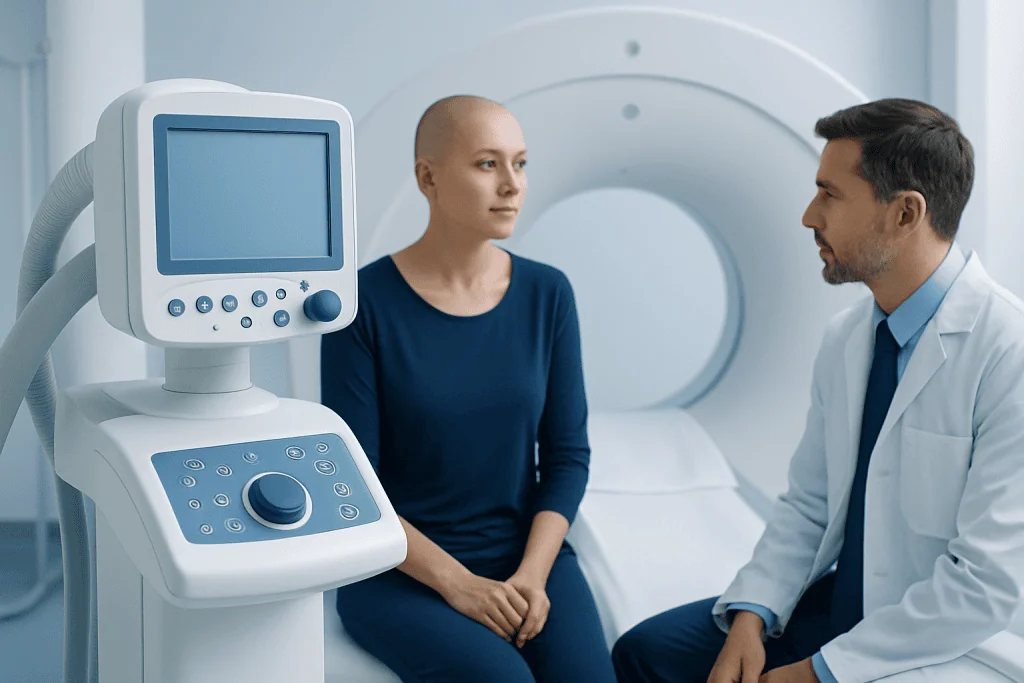
Imaging helps locate lesions and understand how extensive the disease is. Depending on the situation, this may include X-rays, CT scans, MRI, bone scans, or PET/CT. Lung imaging may be needed for respiratory symptoms, and MRI of the brain or pituitary region may be recommended when endocrine symptoms are present. MRI and PET-CT can be especially helpful in mapping disease activity and planning follow-up.
The most important step for confirmation is often a biopsy of the affected tissue. Under the microscope, pathologists look for characteristic cells and use special tests such as immunohistochemistry to identify markers that support LCH. This helps distinguish it from infection, other inflammatory disorders, and some cancers. In some cases, molecular testing is also performed to look for pathway mutations that may influence treatment options.
Because the disease can involve several organs, diagnosis often requires coordinated evaluation across specialties. If tissue sampling is needed, image-guided or surgical biopsy may be part of the workup to establish a clear diagnosis before treatment begins.
Treatment options and long-term follow-up
Treatment is tailored to the individual. Some people with a single bone lesion or limited skin disease may need only local treatment or careful observation, while others with multisystem disease require systemic therapy. The main goals are to control inflammation, protect organ function, relieve symptoms, and reduce the risk of long-term complications.
Local treatment may include curettage of a bone lesion, limited surgery, steroid injection into a lesion, or external beam radiation therapy in selected situations. More extensive disease may be treated with medicines such as corticosteroids, chemotherapy drugs, or targeted therapies when specific molecular changes are present. Doctors choose treatment based on age, organs involved, disease severity, prior treatment response, and overall health.
Supportive care is also important. This can include pain control, treatment for hormone deficiencies, pulmonary care, dental care, or rehabilitation if bones or mobility are affected. People with pituitary involvement may need long-term endocrine follow-up, and those with lung disease benefit strongly from smoking cessation support.
Even after successful treatment, follow-up matters because LCH can recur or leave lasting effects in some patients. Monitoring may include repeat imaging, blood tests, endocrine evaluation, or symptom review over time. Near the end of the care journey, some families and adults also seek multidisciplinary review at centers experienced in rare diseases; Acibadem International’s multidisciplinary specialists in JCI-accredited hospitals diagnose and treat this condition for international patients.
Daily living, self-care, and prevention
Self-care does not replace medical treatment, but it can make living with LCH easier. People are often advised to keep follow-up appointments, take medicines exactly as prescribed, and report any new symptoms early. A symptom diary can help track pain, rash changes, thirst, cough, or fatigue and may make clinic visits more productive.
Adults with lung involvement, or with a risk of lung disease, should avoid smoking and secondhand smoke. Good nutrition, hydration, sleep, and gradual physical activity may support overall recovery, especially during or after treatment. If bone lesions are present, the care team may recommend temporary limits on high-impact activity to reduce fracture risk.
Children may need extra support at school or during periods of treatment-related fatigue. Families can ask the medical team about pain management, mobility, emotional support, and how to monitor for growth or hormone concerns over time. Because this is a rare condition, written care plans and records of imaging or biopsy results can be especially useful when seeing different specialists.
When to seek medical care
Medical advice should be sought if a child or adult has ongoing bone pain, unexplained swelling, a persistent unusual rash, enlarged lymph nodes, chronic cough, repeated ear discharge, or marked thirst and frequent urination. These symptoms do not always mean LCH, but they deserve evaluation if they continue or are getting worse.
Urgent medical care is appropriate for breathing difficulty, severe pain, sudden weakness, dehydration, confusion, or any symptom that rapidly worsens. People already diagnosed with LCH should contact their doctor promptly if new symptoms appear, as this can help detect relapse, treatment side effects, or new organ involvement early.
Because LCH can affect several body systems, early assessment often improves clarity and speeds the path to the right specialist. Evaluation may involve pediatricians, internists, hematology-oncology teams, endocrinologists, pulmonologists, orthopedic specialists, dermatologists, and radiologists working together.
Frequently asked questions
Is langerhans cell histiocytosis a cancer?
Langerhans cell histiocytosis has features that overlap with both inflammatory disorders and cancers. Many experts consider it a clonal disorder because the abnormal cells can carry mutations that drive cell growth. In practical terms, treatment depends more on which organs are affected and how active the disease is than on the label alone.
Can adults get langerhans cell histiocytosis?
Yes. Although LCH is often discussed in children, adults can also develop it. Adult disease may involve bones, skin, or lungs, and lung involvement is especially associated with smoking.
Is langerhans cell histiocytosis curable?
Some people, especially those with limited disease, do very well and may have long periods without active disease after treatment. Others may need ongoing monitoring because the condition can return or cause lasting effects in organs such as bones or the pituitary gland. The outlook varies from person to person.
What tests are used to diagnose LCH?
Doctors usually combine a physical exam with imaging, blood tests, and a biopsy of affected tissue. The biopsy is often the key step because it confirms the diagnosis under the microscope and helps rule out other conditions.
What are the most common symptoms of LCH?
Common symptoms include bone pain or swelling, rash, swollen lymph nodes, cough, and unusual thirst with frequent urination. However, symptoms depend on the organs involved, so they can look very different from one person to another.
Does smoking affect langerhans cell histiocytosis?
Yes, smoking is strongly linked with pulmonary LCH in adults. Stopping smoking is an important part of care because it may help limit ongoing lung injury and supports overall respiratory health.
References
- National Cancer Institute
- National Organization for Rare Disorders
- Histiocyte Society
- American Cancer Society
- National Institutes of Health
This article is for general information only and is not a substitute for professional medical advice. Please consult a qualified doctor about your individual situation.
Explore treatments in Turkey — costs, top hospitals & a free quote
JCI-accredited · board-certified surgeons · reply within 24h
Add us as a Preferred Source to see more of our trusted health content across Google Search, AI Overviews and Discover.