Flexion: What Patients Need to Know

Flexion means bending a joint so the angle between body parts becomes smaller. Common examples include bending the elbow, knee, fingers, neck, hip, and spine.
Key Takeaways
- Flexion means bending a joint so the angle between body parts becomes smaller.
- Common examples include bending the elbow, knee, fingers, neck, hip, and spine.
- Painful or restricted flexion may result from injury, inflammation, arthritis, or nerve irritation.
- Doctors assess flexion as part of a physical exam and range-of-motion testing.
- Treatment depends on the cause and may include rest, exercise, medication, physical therapy, or procedures.
- Medical care is important if flexion is suddenly limited, very painful, or linked with swelling, weakness, or numbness.
Flexion is the movement that bends a joint and decreases the angle between two body parts, such as bending the elbow, knee, neck, or spine. It is a normal part of daily movement, but pain, stiffness, or limited flexion can point to muscle strain, joint irritation, nerve problems, or an underlying condition that may need medical evaluation.
What flexion means in the body
Flexion is a basic movement term used in anatomy and medicine. It describes a bending motion that decreases the angle between two body parts. In everyday terms, flexion happens when a person bends the elbow to bring the hand toward the shoulder, bends the knee to lift the foot, or bends forward at the waist.
This movement is normal and essential for walking, sitting, reaching, lifting, and many other daily activities. Doctors, physiotherapists, and other clinicians use the word flexion to describe how joints move and to check whether that movement is comfortable, strong, and within a normal range.
Understanding flexion can help patients make sense of medical conversations about pain, stiffness, injuries, and rehabilitation. Rather than being a disease itself, flexion is a movement pattern. The main concern is usually whether flexion is full and painless, or whether it has become limited, weak, or uncomfortable.
Where flexion happens and why it matters
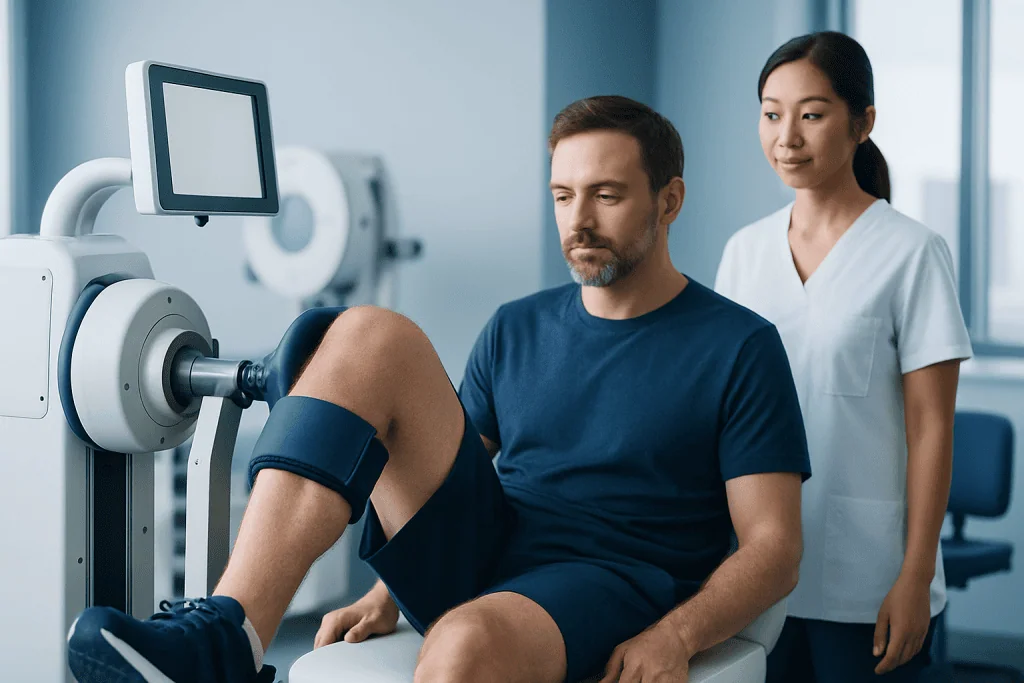
Flexion occurs in many parts of the body. Different joints have different normal ranges of motion, so flexion does not look exactly the same everywhere. The purpose, however, is similar: it allows the body to bend, absorb force, and position itself for activity.
Examples of flexion include bending the neck forward, curling the fingers, lifting the thigh toward the chest at the hip, bending the knee during walking, and rounding the spine when leaning forward. These motions depend on healthy bones, joints, cartilage, muscles, tendons, ligaments, and nerves working together.
- Elbow flexion: bending the arm to bring the hand closer to the shoulder
- Knee flexion: bending the knee during sitting, climbing stairs, or walking
- Hip flexion: lifting the thigh upward, such as when stepping into a car
- Neck flexion: lowering the chin toward the chest
- Spinal flexion: bending forward at the trunk
- Finger and wrist flexion: gripping and grasping objects
Because flexion is part of so many movements, any problem that affects it can influence comfort, independence, posture, exercise, and work tasks. Even mild restrictions may become noticeable during dressing, standing up, sports, or prolonged sitting.
When flexion becomes painful or limited

Pain during flexion is not normal, although it can happen for many different reasons. A simple muscle strain after exercise may make bending uncomfortable for a few days. In other cases, inflamed tendons, swollen joints, cartilage wear, or irritated nerves can make flexion painful, stiff, or weak.
Some people notice that flexion feels blocked or reduced rather than sharply painful. For example, the knee may not bend fully after swelling, or the lower back may feel tight when leaning forward. Stiffness can be worse in the morning, after inactivity, or after repetitive use.
Symptoms that may occur along with painful flexion include swelling, warmth, clicking, a catching sensation, muscle spasm, reduced strength, or numbness and tingling. Depending on the body part involved, these features can suggest a soft tissue injury, an overuse problem, a joint disorder, or a nerve-related issue.
Flexion limits may develop suddenly after trauma or more gradually over time. Gradual changes are sometimes seen with age-related wear, repetitive strain, poor posture, or conditions such as osteoarthritis. Sudden loss of motion after a fall, twist, or heavy lift deserves prompt attention, especially if movement is very painful.
Common causes of flexion problems
The causes of painful or reduced flexion depend on which joint is affected. In general, the problem may come from the muscles and tendons around the joint, the joint surfaces themselves, or structures such as ligaments, discs, and nerves. The exact pattern of symptoms often helps guide diagnosis.
Muscle strain is one common cause. Overstretching or overloading a muscle can make bending movements sore and tight. Tendon irritation, sometimes called tendinitis or tendinopathy, can also hurt when a joint bends repeatedly. Ligament sprains may limit flexion because of pain, instability, or swelling.
Joint-related conditions are another major group of causes. These include inflammation, cartilage damage, meniscus injury in the knee, or forms of arthritis. In the spine and neck, disc problems, joint irritation, or a herniated disc may make forward bending painful, especially if nerves are compressed.
Risk factors include repetitive work or sports, poor lifting technique, weak supporting muscles, limited flexibility, previous injury, obesity, aging, and inflammatory joint disease. Sometimes more than one factor is involved, such as an older adult with arthritis who also develops muscle weakness after reducing activity because of pain.
How doctors evaluate flexion
Assessment usually starts with a medical history. The doctor asks where the pain is, when it started, whether there was an injury, and which movements make it better or worse. They may also ask about swelling, locking, weakness, fever, numbness, or symptoms in other joints.
A physical examination often includes watching how the joint moves and measuring range of motion. The clinician may compare both sides of the body, test muscle strength, feel for tenderness or swelling, and look for signs of instability. In spine or neck complaints, the exam may also include a nerve check.
Imaging is not always needed, especially for mild, recent symptoms. However, X-rays can help assess bone alignment and arthritis, while MRI may be useful for soft tissue, cartilage, disc, or ligament injuries. Ultrasound can help in some tendon and joint conditions. Blood tests may be considered if inflammatory or autoimmune disease is suspected.
When symptoms persist or the diagnosis is unclear, referral to a specialist may be appropriate. Depending on the problem, this may involve orthopedics, rehabilitation, rheumatology, or neurology. If surgery is being considered, evaluation may include more detailed imaging and functional assessment.
Treatment options for painful flexion
Treatment depends on the underlying cause, the affected body part, and how severe the symptoms are. Many flexion-related problems improve with conservative care. Short-term activity modification, avoiding painful overloading, and allowing tissues time to recover are often helpful first steps.
Common non-surgical treatments include guided exercise, stretching, posture correction, and physical therapy and rehabilitation to restore mobility, strength, and movement control. Pain-relieving medicines or anti-inflammatory medicines may also be recommended by a doctor when appropriate. For some people, braces, supportive taping, or heat and ice can help manage symptoms during recovery.
If the problem is caused by arthritis, treatment may focus on pain control, joint protection, weight management, and maintaining function. In selected situations, injection treatments or more advanced procedures may be discussed. Patients with severe joint damage may benefit from orthopedic evaluation for options such as knee replacement or hip replacement when conservative measures no longer provide enough relief.
Back or neck pain linked to nerve compression may need a different approach, including rehabilitation, medication review, and sometimes specialist procedures. The goal is not only to reduce pain during flexion but also to improve safe, confident movement in daily life. Treatment plans are best individualized rather than based on the movement term alone.
Self-care and protecting healthy movement
Good joint and muscle health supports comfortable flexion. Regular movement helps keep tissues flexible and joints nourished, while prolonged inactivity may increase stiffness. Gentle stretching and strengthening are often useful, especially for the muscles that support the back, hips, knees, and shoulders.
Body mechanics matter as well. Bending with control, warming up before exercise, and using proper technique during sports or lifting can reduce strain. People who sit for long periods may benefit from standing breaks, posture changes, and workstation adjustments to limit neck, hip, and spinal stiffness.
Healthy weight, balanced activity, supportive footwear when appropriate, and gradual progression in exercise can all lower stress on joints. It is also wise to avoid pushing through sharp pain, because this can worsen an injury. If self-care has not helped after a reasonable period, professional assessment is sensible.
Near the end of the care pathway, some patients may need coordinated evaluation by different specialists. Acibadem International’s multidisciplinary teams in JCI-accredited hospitals diagnose and treat musculoskeletal and movement-related conditions for international patients when more detailed assessment is needed.
When to seek medical care
Medical advice is important when flexion becomes persistently painful, clearly limited, or difficult to use in daily activities. A person should also seek evaluation if symptoms follow a fall, sports injury, or sudden twisting movement, especially when swelling or inability to bear weight is present.
Urgent assessment is recommended if painful flexion is accompanied by severe weakness, loss of joint function, obvious deformity, fever, redness, or numbness and tingling that spread down an arm or leg. These features can suggest a more significant injury, infection, or nerve problem.
Even when symptoms are not urgent, ongoing stiffness or pain should not be ignored if it lasts for weeks or keeps returning. Early assessment can help identify the cause, guide treatment, and reduce the risk of chronic limitation. A qualified doctor can decide whether rest and rehabilitation are enough or whether imaging and specialist care are needed.
Frequently asked questions
What is flexion in simple terms?
Flexion is a bending movement that decreases the angle between two body parts. Common examples include bending the elbow, knee, fingers, neck, or trunk.
Is flexion the same as stretching?
Not exactly. Flexion is a type of joint movement, while stretching is an activity used to lengthen muscles and improve mobility. Some stretches involve flexion, but the terms do not mean the same thing.
Why does bending a joint hurt?
Pain during flexion can happen because of muscle strain, tendon irritation, ligament injury, swelling, arthritis, or nerve irritation. The cause depends on the joint involved and whether the symptoms started suddenly or gradually.
Can limited flexion improve without surgery?
Yes, many cases improve with rest, activity changes, exercise, and physical therapy. Surgery is usually considered only when symptoms are severe, structural damage is significant, or non-surgical treatment has not helped enough.
How do doctors measure flexion?
Doctors assess flexion during a physical examination by observing movement and sometimes measuring the angle of motion. They may compare one side with the other and look for pain, weakness, swelling, or instability.
When is painful flexion an emergency?
Urgent care is needed if painful flexion follows major trauma or comes with deformity, severe swelling, fever, numbness, marked weakness, or inability to move the joint. These signs may point to a fracture, serious soft tissue injury, infection, or nerve compression.
This article is for general information only and is not a substitute for professional medical advice. Please consult a qualified doctor about your individual situation.
Joint and spine care in Turkey — expert assessment & treatment
JCI-accredited · board-certified surgeons · reply within 24h
Add us as a Preferred Source to see more of our trusted health content across Google Search, AI Overviews and Discover.

More from the Health Library

Olives — Explained by Medical Evidence, Not Myths

Eye Test Fees — Explained by Medical Evidence, Not Myths

Transient Ischemic Attack: What Patients Need to Know

Nasal Saline Rinses.: An Evidence-Based Guide for Patients

Lidocaine: An Evidence-Based Guide for Patients