Hyperglycemia Symptoms: Common Causes, Related Conditions, and When to See a Doctor

Hyperglycemia symptoms often start with thirst, frequent urination, fatigue, and blurred vision. High blood sugar can happen in diabetes, during illness, with certain medicines, or when insulin is not working well enough.
Key Takeaways
- Hyperglycemia symptoms often start with thirst, frequent urination, fatigue, and blurred vision.
- High blood sugar can happen in diabetes, during illness, with certain medicines, or when insulin is not working well enough.
- Persistent or worsening symptoms should be assessed by a doctor, especially if vomiting, confusion, or trouble breathing develops.
- Diagnosis relies on blood glucose testing and may include HbA1c, urine ketone testing, and other lab work.
- Treatment focuses on correcting the cause, improving glucose control, and preventing complications through medical care and self-management.
Hyperglycemia symptoms are the body’s warning signs that blood sugar is too high. Common symptoms include increased thirst, frequent urination, tiredness, blurred vision, and headaches, and they may occur with diabetes or other medical situations that raise glucose levels.
Overview: what hyperglycemia symptoms usually mean
Hyperglycemia symptoms are the signs that appear when the level of glucose, or sugar, in the blood is higher than the body can manage well. In everyday terms, this often causes thirst, more frequent urination, tiredness, blurred vision, and headaches. These symptoms may come on gradually or become more noticeable over several hours or days.
Hyperglycemia is commonly linked with diabetes, but it is not limited to one diagnosis. It can happen when the body makes too little insulin, when insulin does not work effectively, during infections or physical stress, or as a side effect of some medicines. In some people, symptoms are mild at first and easy to overlook.
This topic matters because symptoms are not just uncomfortable; they can be clues to an underlying problem that needs attention. Persistent high blood sugar can affect fluid balance, energy levels, and the function of organs and blood vessels over time. Recognizing hyperglycemia symptoms early can help a person seek assessment before more serious complications develop.
Common symptoms and what they can feel like
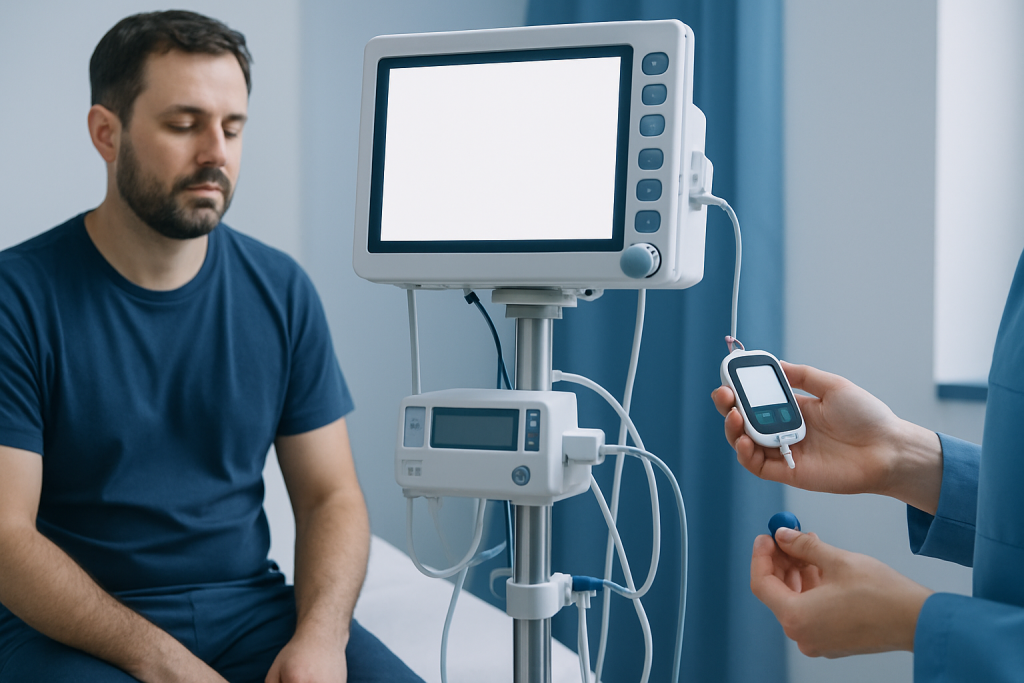
The most typical hyperglycemia symptoms are increased thirst and frequent urination. When glucose rises above the level the kidneys can easily handle, the body draws more water into the urine. This can lead to dehydration, a dry mouth, and the need to drink more than usual, especially during the day and night.
Fatigue is another common symptom. Even though there is sugar in the bloodstream, the body may not be able to use it efficiently for energy. Many people describe this as feeling unusually tired, sluggish, or unable to concentrate. Blurred vision may also occur because changes in fluid balance can temporarily affect the shape of the eye’s lens.
Other symptoms can include headache, increased hunger, unintended weight loss, and slower healing of cuts or skin irritation. Some people notice recurrent infections, such as urinary or skin infections, as part of the picture. If blood sugar rises further, symptoms can become more serious and may include nausea, vomiting, abdominal pain, fruity-smelling breath, rapid breathing, drowsiness, or confusion.
- Increased thirst
- Frequent urination
- Fatigue or low energy
- Blurred vision
- Headache
- Increased hunger
- Unexplained weight loss
- Slow healing or repeated infections
Causes and risk factors behind high blood sugar

The most common cause of ongoing hyperglycemia is diabetes. This includes diabetes, in which the body either does not produce enough insulin or cannot use insulin effectively. High blood sugar can also occur in people who have not yet been diagnosed, which is why symptoms sometimes lead to a first diagnosis of diabetes or prediabetes.
Not every episode of hyperglycemia is due to long-term diabetes alone. Physical stress such as infection, surgery, heart problems, severe pain, or trauma can temporarily raise blood sugar. Some medicines, including corticosteroids and certain drugs used for immune, psychiatric, or cancer care, may also increase glucose levels. Missing diabetes medication, not getting enough insulin, or problems with insulin delivery can trigger symptoms in people already diagnosed.
Risk factors include a family history of diabetes, excess body weight, physical inactivity, a diet high in refined carbohydrates, previous gestational diabetes, and some hormone-related conditions. Related conditions such as metabolic syndrome may increase the likelihood of insulin resistance. In children and young adults, hyperglycemia can sometimes be part of the first presentation of type 1 diabetes, while in adults it is often associated with type 2 diabetes.
Related conditions and possible complications
Hyperglycemia symptoms may occur as part of several related conditions. In type 1 diabetes, symptoms can develop quickly and may progress to diabetic ketoacidosis, a serious emergency in which the body produces excess ketones. In type 2 diabetes, symptoms may appear more gradually and can sometimes go unnoticed for some time before the condition is diagnosed.
Other related conditions include prediabetes, gestational diabetes, and endocrine disorders that affect hormone balance. Illness-related hyperglycemia can also occur in hospital settings or during severe infections. Sometimes a doctor will investigate whether symptoms are tied to an underlying trigger rather than diabetes alone.
If high blood sugar remains untreated, both short-term and long-term complications are possible. Short-term concerns include dehydration and acute metabolic emergencies. Over time, chronic hyperglycemia can contribute to complications involving the eyes, kidneys, nerves, heart, and blood vessels. That is why repeated hyperglycemia symptoms should be taken seriously even if they seem mild.
How doctors diagnose the cause
Diagnosis begins with a careful review of symptoms, current health conditions, medicines, and recent changes such as infections or missed treatment. A doctor will often ask when symptoms started, how often they occur, whether there is weight loss or vomiting, and whether there is a known history of diabetes. This clinical history helps determine how urgent the situation may be.
Blood tests are central to diagnosis. These may include a fasting blood glucose test, a random blood glucose measurement, and an HbA1c test, which reflects average blood sugar over the previous two to three months. If symptoms are more severe, urine or blood ketone testing may be needed. Additional blood work can assess hydration, kidney function, electrolytes, and acid-base balance.
In some cases, doctors may recommend ongoing glucose monitoring to understand patterns through the day. This can be done with standard finger-prick checks or with continuous glucose monitoring when appropriate. The goal is not only to confirm hyperglycemia, but also to identify why it is happening and how best to correct it.
Treatment options and day-to-day management
Treatment for hyperglycemia depends on the cause, severity, and whether the person already has diabetes. Mild episodes may be managed by reviewing meals, hydration, physical activity, and medications under medical guidance. If the person uses insulin or glucose-lowering treatment, the care team may adjust the plan to improve blood sugar control safely.
For people with newly diagnosed or established diabetes, structured care often includes nutrition advice, exercise planning, blood sugar monitoring, and medicines when needed. Some patients may benefit from insulin therapy, while others may use non-insulin medications depending on the type of diabetes and the overall clinical picture. Acute severe hyperglycemia may require urgent treatment with fluids, insulin, and close monitoring in hospital.
Self-management is an important part of treatment, but it should be guided by a qualified professional. Keeping a record of symptoms, glucose readings, meals, illness, and medications can help identify patterns. For patients who need more comprehensive evaluation and treatment planning, multidisciplinary endocrinology teams can coordinate care. Acibadem International’s multidisciplinary specialists in JCI-accredited hospitals diagnose and treat diabetes-related conditions for international patients.
Prevention and self-care habits that can help
Preventing recurrent hyperglycemia often starts with consistent daily habits. For people with diabetes, this includes taking medicines as prescribed, checking blood glucose as advised, and attending regular follow-up appointments. Balanced meals, portion awareness, and limiting excess sugary drinks can help reduce large glucose spikes.
Physical activity improves the body’s sensitivity to insulin and supports overall metabolic health. Good sleep, stress management, and staying hydrated also matter. During illness, blood sugar may rise even if food intake falls, so many people need a clear sick-day plan from their doctor about monitoring, fluids, and when to seek help.
People at higher risk of diabetes may benefit from screening and prevention strategies before clear symptoms develop. Weight management, regular exercise, and treatment of associated conditions such as high blood pressure or abnormal cholesterol can lower long-term risk. If a person is living with obesity and type 2 diabetes, broader metabolic treatment approaches may be discussed, including bariatric surgery in selected cases under specialist care.
When to seek medical care
Medical care is advisable if hyperglycemia symptoms are new, persistent, or happening more often. A person should arrange a prompt medical review if they have ongoing thirst, frequent urination, fatigue, blurred vision, or unexplained weight loss, especially if they have risk factors for diabetes. Even mild symptoms deserve attention if they continue.
Urgent care is needed if symptoms are severe or accompanied by warning signs such as vomiting, abdominal pain, rapid or deep breathing, marked weakness, confusion, dehydration, or reduced alertness. These features can point to a medical emergency, particularly in people with known diabetes or in someone who may be developing diabetes for the first time.
Children, pregnant women, older adults, and people with significant illness should be assessed with a lower threshold because blood sugar changes may progress quickly or be harder to interpret. If a home glucose reading is very high, or if ketones are present when advised to test for them, the person should follow their clinician’s action plan and seek urgent medical advice.
Frequently asked questions
What are the first signs of hyperglycemia?
Early hyperglycemia symptoms often include increased thirst, frequent urination, tiredness, and blurred vision. Some people also notice headaches or feeling hungrier than usual. Symptoms can begin gradually, so they may be mistaken for stress, lack of sleep, or dehydration.
Can someone have high blood sugar without knowing it?
Yes. Mild or slowly developing hyperglycemia may cause few obvious symptoms at first. That is one reason diabetes and prediabetes can remain undiagnosed until routine testing or worsening symptoms lead to medical evaluation.
Are hyperglycemia symptoms the same in type 1 and type 2 diabetes?
Many symptoms overlap, including thirst, urination, fatigue, and blurred vision. The difference is often in how quickly they appear. In type 1 diabetes, symptoms may develop rapidly and can become severe, while in type 2 diabetes they often build more gradually.
What can trigger a sudden rise in blood sugar?
Common triggers include illness, infection, stress, missed medication, problems with insulin delivery, and certain medicines such as steroids. Meals high in rapidly absorbed carbohydrates may also raise glucose sharply. In people with diabetes, changes in routine or hydration can contribute as well.
When is high blood sugar an emergency?
High blood sugar becomes urgent when it is accompanied by symptoms such as vomiting, abdominal pain, confusion, severe weakness, trouble breathing, or drowsiness. These signs can suggest diabetic ketoacidosis or another acute metabolic problem. Emergency assessment is especially important if the person has ketones or a very high glucose reading.
How is hyperglycemia confirmed?
Doctors confirm hyperglycemia with blood glucose testing. They may use a fasting glucose test, a random blood glucose level, or HbA1c to assess average blood sugar over time. In more serious cases, ketone testing and additional laboratory studies may be needed.
Can hyperglycemia symptoms improve with lifestyle changes?
They can improve when high blood sugar is related to diet, inactivity, weight gain, or early metabolic problems, but the right approach depends on the cause. Lifestyle measures such as healthy eating, exercise, hydration, and regular monitoring are helpful, though some people also need medication. A doctor can advise which combination is safest and most effective.
References
- American Diabetes Association
- National Institute of Diabetes and Digestive and Kidney Diseases
- Centers for Disease Control and Prevention
- Mayo Clinic
- World Health Organization
This article is for general information only and is not a substitute for professional medical advice. Please consult a qualified doctor about your individual situation.
Explore treatments in Turkey — costs, top hospitals & a free quote
JCI-accredited · board-certified surgeons · reply within 24h
Add us as a Preferred Source to see more of our trusted health content across Google Search, AI Overviews and Discover.

More from the Health Library



Related Specialists

Dt. Berna Mercangöz
Oral & Dental Health
Dr. Nadire Sevda İdil
Gynecology & Obstetrics
Dr. Mustafa Tanıdır
General Surgery
Asst. Prof. Dr. Özlem Apti Şengkioun
Dermatology