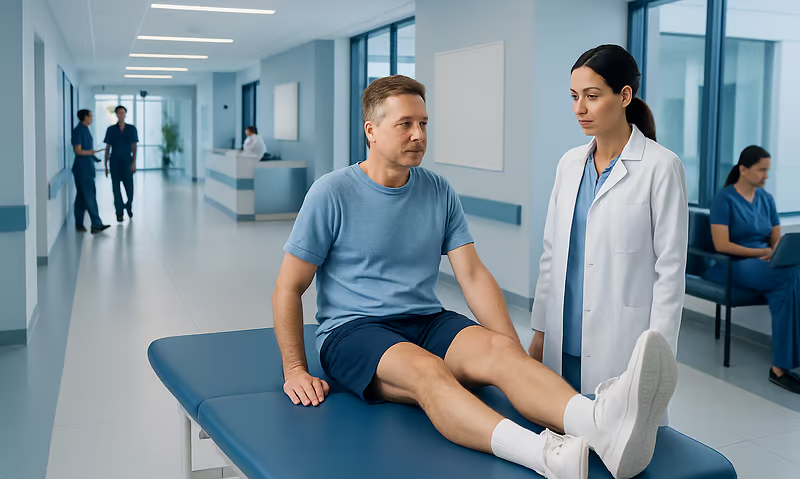
Orif Surgery: Candidacy, Procedure Steps, and Recovery Timeline

ORIF surgery means open reduction and internal fixation of a broken bone. It is usually recommended for fractures that are displaced, unstable, joint-involving, or difficult to treat with a cast alone.
Key Takeaways
- ORIF surgery means open reduction and internal fixation of a broken bone.
- It is usually recommended for fractures that are displaced, unstable, joint-involving, or difficult to treat with a cast alone.
- The procedure uses hardware such as plates, screws, rods, pins, or nails to hold bone fragments in place.
- Recovery time varies by bone, fracture severity, overall health, and rehabilitation needs.
- Benefits include improved alignment and stability, but risks include infection, bleeding, blood clots, nerve injury, and delayed healing.
- Early follow-up, wound care, pain control, and physical therapy are important parts of recovery.
ORIF surgery is a common orthopedic operation used to repair broken bones that are displaced, unstable, or unlikely to heal well with casting alone. It combines repositioning the bone and securing it with internal implants so the bone can heal in proper alignment.
Overview: what ORIF surgery is and why it is done
ORIF surgery stands for open reduction and internal fixation. It is a surgical method used to treat certain broken bones, especially when the fracture is displaced, unstable, involves a joint surface, or cannot be kept in the correct position with a cast or splint alone. “Open reduction” means the surgeon makes an incision to directly realign the bone. “Internal fixation” means the bone is held in place with implants such as plates, screws, rods, wires, or nails.
The main goal of orif surgery is to restore the bone’s normal shape and position so it can heal as well as possible. This can help protect nearby joints, improve function, reduce the chance of long-term deformity, and allow rehabilitation to begin at an appropriate time. ORIF is commonly used for fractures of the wrist, ankle, hip, arm, leg, and other bones, depending on the injury pattern.
Not every fracture needs surgery. Many broken bones heal well with nonoperative care such as a cast, brace, or sling. However, when a fracture is severely out of place, broken into multiple pieces, open through the skin, or associated with loss of alignment after reduction, surgery may offer the safest and most reliable path to healing. In some cases, ORIF is part of a broader orthopedic trauma plan alongside emergency stabilization or rehabilitation.
Who may need ORIF surgery
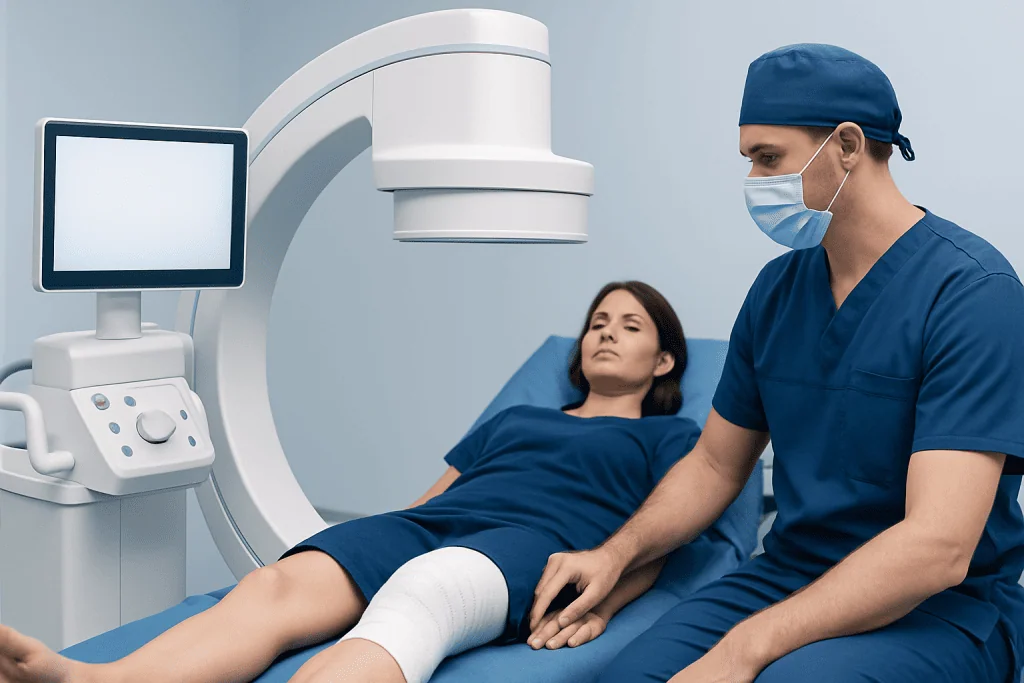
Candidacy for orif surgery depends on the type of fracture, the person’s overall health, and how the injury affects movement and daily life. Doctors consider surgery when bone fragments are no longer lined up properly, when the break extends into a joint, or when the fracture is unstable and likely to shift during healing. ORIF may also be recommended if a bone has failed to heal normally after initial treatment.
Common reasons a surgeon may suggest ORIF include:
- Displaced fractures, where the bone ends are not aligned
- Comminuted fractures, where the bone is broken into several pieces
- Open fractures, where the bone has broken through the skin
- Fractures involving a joint surface that need precise reconstruction
- Fractures causing shortening, rotation, or visible deformity
- Injuries that make early movement important for recovery
Doctors also look at age, bone quality, circulation, skin condition, smoking status, diabetes, and other medical conditions that can affect healing. Imaging tests help define the fracture pattern and guide treatment planning. In some situations, surgeons may discuss alternatives such as splinting, traction, or external fixation before deciding whether ORIF is the best option.
Because ORIF is often performed by orthopedic trauma or fracture specialists, evaluation may include discussion of related conditions such as fractures and the need for orthopedic trauma care. The best approach is individualized rather than one-size-fits-all.
How the procedure works: step by step
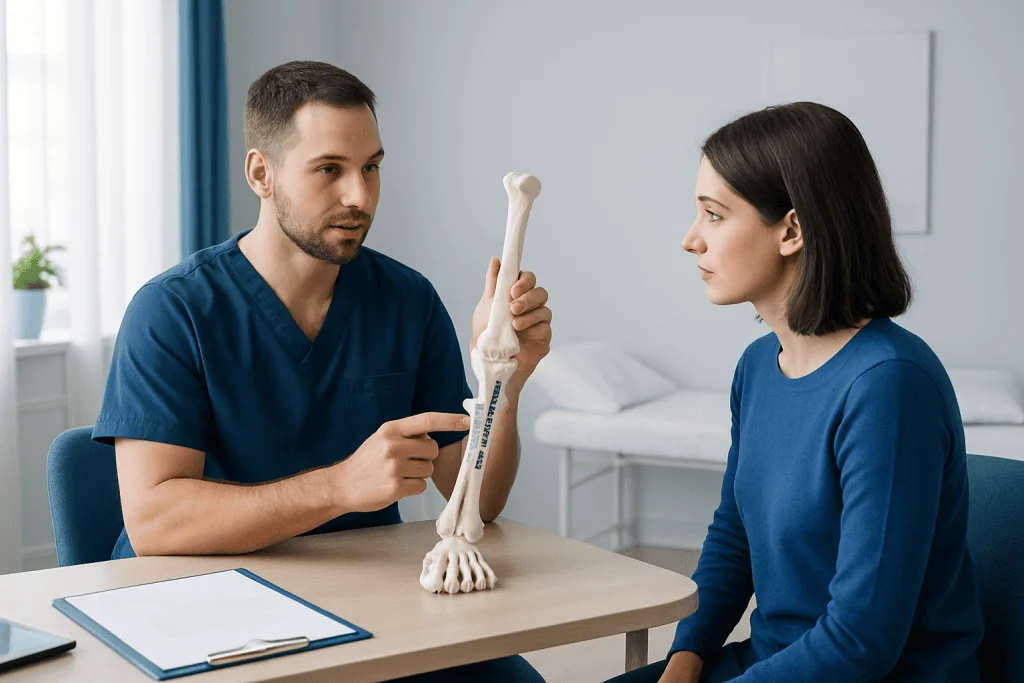
Before surgery, the patient is assessed to confirm the diagnosis, review medical history, and plan the safest anesthetic and surgical approach. X-rays are standard, and CT scans may be used for complex fractures, especially around joints. The surgical team checks circulation, nerve function, and the condition of the skin and soft tissues. Blood tests and other preoperative evaluations may be needed depending on the injury and the patient’s health.
During the operation, anesthesia is given so the patient does not feel pain. The surgeon makes an incision over or near the fracture, carefully reaches the bone, and repositions the fragments into as normal an alignment as possible. This is the “open reduction” part of the procedure. Imaging in the operating room often helps confirm proper alignment.
Next comes “internal fixation.” The surgeon stabilizes the bone using implants chosen for that specific fracture. These may include plates and screws on the bone surface, a metal rod or nail inside the bone canal, pins or wires, or combinations of these devices. The implants are intended to keep the bone steady while healing occurs naturally. After final checks, the incision is closed and the limb may be placed in a dressing, splint, cast, or brace.
Some patients go home the same day, while others stay in the hospital, particularly after major trauma or hip and leg surgery. If a fracture involves severe soft-tissue damage or swelling, surgery may be done in stages. In selected cases, ORIF may be part of a broader treatment pathway that also includes physical therapy and rehabilitation after the operation.
Benefits, limitations, and possible risks
The main benefit of orif surgery is stable, accurate alignment of the broken bone. When performed for the right reasons, it can improve the likelihood of proper healing, help restore the shape of the limb or joint, and support a more structured rehabilitation plan. For joint fractures in particular, precise alignment may help reduce later stiffness or uneven joint wear.
ORIF can also help patients begin movement of nearby joints sooner than would be possible with prolonged casting alone, although weight-bearing and activity restrictions still vary. In some injuries, this earlier controlled movement may reduce stiffness and muscle loss. However, surgery does not make bones heal instantly, and a period of recovery is still necessary.
Like any operation, ORIF has risks. These include infection, bleeding, blood clots, problems related to anesthesia, damage to nerves or blood vessels, stiffness, swelling, delayed union, nonunion, and malunion. Hardware can occasionally irritate nearby tissues, loosen, or break, and some people later need another procedure to remove implants or address healing problems. The balance of benefits and risks is different for each fracture and each patient.
Doctors usually explain both surgical and nonsurgical options before treatment. In people with complex injuries or fragile bones, treatment planning may involve specialists in orthopedics and traumatology to choose the most appropriate method and timing.
Recovery timeline after ORIF surgery
Recovery after orif surgery varies widely. The timeline depends on which bone was broken, how severe the fracture was, whether a joint was involved, and the patient’s age, nutrition, circulation, and overall health. Soft-tissue injury also matters. A simple fracture fixed securely may recover more quickly than a high-energy injury with swelling and multiple fragments.
In the first days after surgery, the focus is usually on pain control, swelling reduction, wound care, and safe movement. The care team may recommend elevating the limb, using ice if appropriate, and keeping dressings clean and dry. Some patients are allowed to move nearby joints soon after surgery, while others need temporary immobilization. Weight-bearing may be restricted for weeks, especially after surgery on the leg, ankle, or foot.
Over the following weeks, follow-up appointments monitor wound healing and bone alignment. X-rays help show whether the bone is healing in the intended position. Physical therapy may begin early or later, depending on the fracture. Exercises are designed to restore range of motion, strength, and balance without overloading the repair. Healing bone is usually a gradual process rather than a single moment.
Many fractures show meaningful healing over several weeks to months, but full recovery can take longer, especially after major injuries. Return to work, driving, sports, or heavy lifting depends on the body part involved and the surgeon’s guidance. Patients should not assume that the absence of pain means the bone is fully healed. Following instructions carefully is one of the most important parts of recovery.
Self-care after surgery and supporting bone healing
Good postoperative care helps lower the risk of complications and supports healing. Patients are usually advised to take medicines exactly as prescribed, care for the incision as instructed, and avoid smoking or nicotine exposure if possible. Smoking is known to interfere with bone healing and can increase the risk of surgical complications.
General habits that may help recovery include:
- Attending all scheduled follow-up visits
- Protecting the operated limb from falls or sudden twisting
- Following weight-bearing and brace or cast instructions closely
- Eating a balanced diet with enough protein and overall calories
- Managing long-term conditions such as diabetes carefully
- Doing prescribed exercises, but avoiding unapproved activity
It is also important to monitor for warning signs such as increasing redness, drainage, fever, worsening swelling, numbness, or pain that is not improving. Some discomfort and swelling are common after surgery, but a sudden change should be reported. Patients should ask their surgeon when they can shower, drive, return to work, or restart sports, because these decisions depend on the fracture and the type of fixation used.
Near the end of recovery, rehabilitation often becomes central to regaining function. When needed, structured rehabilitation support can help improve strength, coordination, and confidence in using the limb again.
When to seek medical care
Medical care is needed promptly after any significant injury that may involve a fracture, especially if there is severe pain, visible deformity, inability to bear weight, loss of function, or swelling that is rapidly worsening. Immediate emergency attention is important if a bone is protruding through the skin, there is heavy bleeding, the limb looks pale or cold, or there is numbness and weakness after an injury.
After orif surgery, patients should contact their doctor urgently if they develop fever, increasing redness around the incision, pus-like drainage, chest pain, shortness of breath, calf swelling, or severe pain that suddenly worsens. These symptoms do not always mean a serious problem, but they deserve medical review.
People who are unsure whether a fracture needs surgery should not try to decide based on symptoms alone. Proper examination and imaging are needed to determine whether casting, splinting, or an operation is more appropriate. For international patients who need evaluation and treatment, Acibadem International’s multidisciplinary specialists in JCI-accredited hospitals diagnose and treat fracture-related conditions using individualized care plans.
Frequently asked questions
What does ORIF surgery mean?
ORIF stands for open reduction and internal fixation. It is a surgery used to realign a broken bone and hold it in place with implants such as plates, screws, rods, or pins while the bone heals.
How do doctors decide if a fracture needs ORIF surgery?
Doctors look at the fracture pattern, bone alignment, joint involvement, stability, soft-tissue injury, and overall health of the patient. Surgery is more likely when the bone is displaced, unstable, open, or unlikely to heal well with a cast alone.
How long does it take to recover from ORIF surgery?
Recovery time varies depending on the bone involved and the severity of the injury. Some people begin gentle movement within days, but bone healing often takes weeks to months, and full recovery can take longer.
Will the metal implants stay in permanently?
In many cases, plates, screws, or rods can remain in place permanently if they are not causing problems. However, some patients may need hardware removal later if there is irritation, infection, or another orthopedic reason.
Is ORIF surgery painful?
Patients are given anesthesia during the operation, so they do not feel surgical pain at that time. After surgery, pain and swelling are common but are usually managed with medicines, elevation, and a structured recovery plan.
Can a broken bone heal without ORIF surgery?
Yes, many fractures heal well without surgery using a cast, splint, brace, or sling. ORIF is usually reserved for fractures that need more precise alignment or stronger stabilization than nonoperative treatment can provide.
References
- American Academy of Orthopaedic Surgeons
- National Institute of Arthritis and Musculoskeletal and Skin Diseases
- MedlinePlus
- Mayo Clinic
- American Society for Surgery of the Hand
This article is for general information only and is not a substitute for professional medical advice. Please consult a qualified doctor about your individual situation.
Joint and spine care in Turkey — expert assessment & treatment
JCI-accredited · board-certified surgeons · reply within 24h
Add us as a Preferred Source to see more of our trusted health content across Google Search, AI Overviews and Discover.