How to Lower Blood Pressure Fast? Here Is What the Evidence Says

A one-time high reading is often caused by stress, pain, activity, caffeine, or measuring technique rather than immediate danger. The fastest safe first step is to sit quietly for 5 to 10 minutes and repeat the measurement correctly.
Key Takeaways
- A one-time high reading is often caused by stress, pain, activity, caffeine, or measuring technique rather than immediate danger.
- The fastest safe first step is to sit quietly for 5 to 10 minutes and repeat the measurement correctly.
- Chest pain, shortness of breath, neurological symptoms, confusion, or vision changes with very high blood pressure need urgent medical assessment.
- Do not take extra prescription medicine unless a doctor has specifically told the person to do so.
- Lasting blood pressure control usually depends on diagnosis, regular monitoring, and a long-term treatment plan.
In many people, a single high blood pressure reading is not an emergency and may improve after a few minutes of quiet rest and correct re-measurement. The safest way to lower blood pressure fast is to stay calm, sit down, avoid repeat checking every minute, and seek urgent care right away if severe symptoms or very high readings are present.
What to do first if blood pressure is high
For many adults, the safest answer to how to lower blood pressure fast is simpler than people expect: stop what they are doing, sit down, rest quietly, and measure again correctly after a short pause. Blood pressure can rise temporarily because of anxiety, physical effort, pain, nicotine, caffeine, a full bladder, or even talking during the measurement. That means a single high reading often does not reflect a true emergency.
If a home monitor shows a high number, it helps to sit with the back supported and both feet on the floor for 5 to 10 minutes. The arm should rest at heart level, the cuff should fit properly, and the person should avoid talking. A repeat reading taken under calm conditions is usually more useful than checking again and again every minute, which can increase anxiety and push the reading higher.
People should not try to force blood pressure down rapidly with unprescribed pills, extra doses, alcohol, or extreme home remedies. A sudden drop can reduce blood flow to important organs and may be unsafe, especially in older adults or people with heart, kidney, or neurological conditions. When there are no warning symptoms, the next step is usually careful reassessment rather than panic.
Why blood pressure can rise suddenly
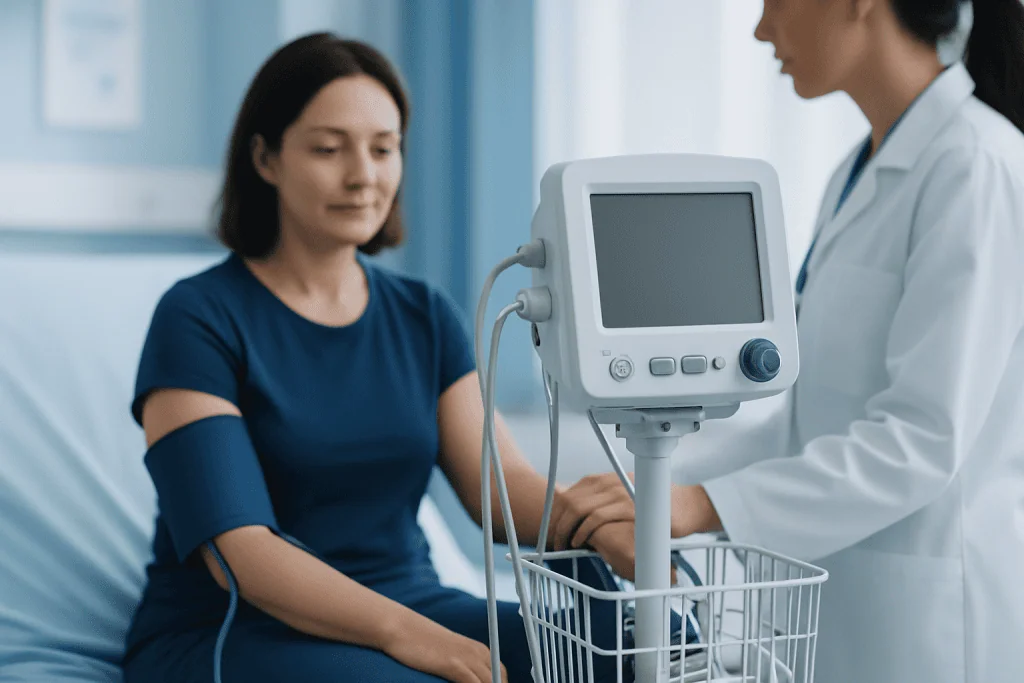
Blood pressure is not fixed. It changes from moment to moment depending on posture, activity, stress hormones, hydration, sleep, temperature, and medications. Many temporary triggers can make it climb for a short time, including emotional stress, strenuous exercise, decongestants, missed blood pressure medicine, stimulant drugs, excess salt, heavy alcohol use, and untreated pain.
Some people also have what doctors call a measurement effect, sometimes known as white coat hypertension in clinical settings, where readings are higher during periods of stress. At home, rushing to check after climbing stairs or arguing can create a similar pattern. This is one reason clinicians look for trends over time rather than making decisions based on a single number whenever the person is otherwise stable.
However, repeated high readings may still point to underlying hypertension or another health problem such as kidney disease, hormonal disorders, obstructive sleep apnea, or pregnancy-related high blood pressure. Understanding the cause matters, because the best treatment for persistently high blood pressure depends on what is driving it.
Safe ways to lower blood pressure quickly at home
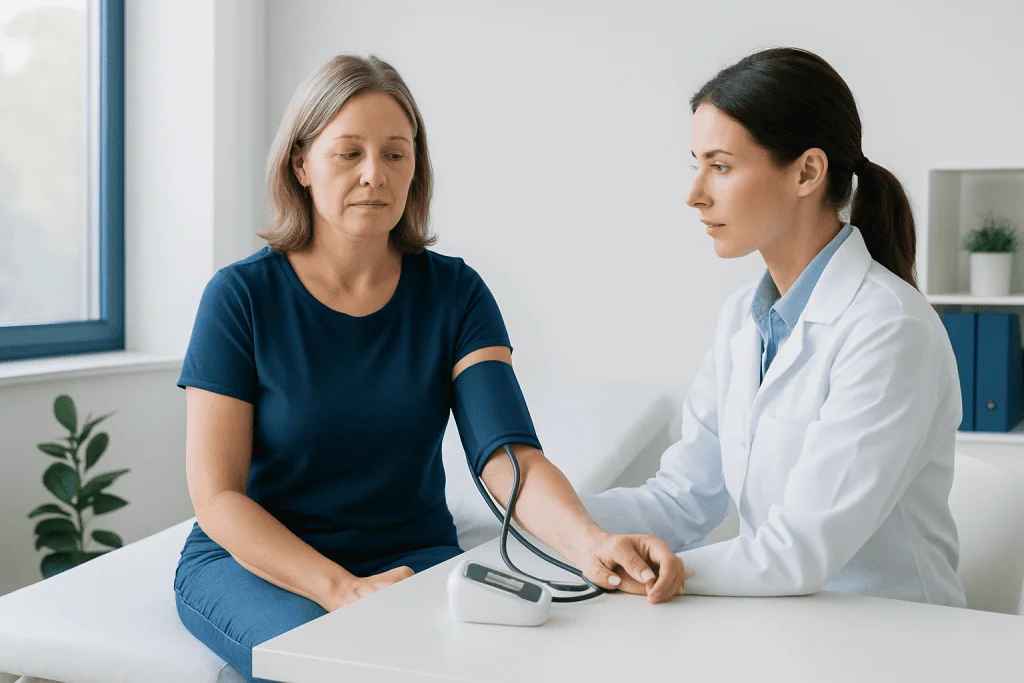
When there are no emergency warning signs, several simple steps may help blood pressure come down gradually over minutes to hours. The first is quiet rest. Slow, relaxed breathing may also help some people feel calmer, although it should not replace medical care when readings are very high. Drinking water if the person is dehydrated, emptying a full bladder, and moving to a quiet space may also help.
It is also sensible to remove short-term triggers. That may mean stopping caffeine for the moment, not smoking, avoiding intense exercise until the reading is reassessed, and postponing stressful tasks. If the person usually takes prescribed blood pressure medicine and realizes they missed a routine dose, they should follow the prescribing instructions or contact their doctor or pharmacist rather than doubling up on their own.
Helpful home steps can include:
- Sit upright and rest for 5 to 10 minutes.
- Recheck blood pressure using the correct cuff size and technique.
- Avoid nicotine, caffeine, alcohol, and strenuous activity for the time being.
- Use relaxation measures such as slow breathing or a quiet room.
- Write down the readings, time, symptoms, and any possible trigger.
What should be avoided is just as important. People should not crush, split, or borrow medication to bring numbers down quickly unless a clinician has already provided a specific plan. Overcorrection can be harmful. If high readings keep returning, a doctor may recommend formal evaluation and, when appropriate, ambulatory blood pressure monitoring or medication adjustment.
Red flags: when high blood pressure needs urgent care
Most isolated high readings are not immediately dangerous, but certain symptoms can signal a hypertensive emergency or another serious condition. Emergency evaluation is important if very high blood pressure occurs together with chest pain, severe shortness of breath, new weakness or numbness, trouble speaking, severe headache unlike usual headaches, confusion, fainting, seizures, or sudden vision changes.
These symptoms matter because they may reflect damage to organs such as the brain, heart, kidneys, or eyes. Very high blood pressure can sometimes occur during a stroke, heart problem, pregnancy complication, severe infection, or reaction to medication or drugs. In that situation, the goal is not home treatment but urgent medical assessment.
People should also seek immediate medical care if repeated readings are extremely high even without symptoms, especially if they are much higher than the person’s usual blood pressure or occur during pregnancy. If there is any uncertainty about whether symptoms are serious, it is safer to contact emergency services or a healthcare professional promptly rather than waiting at home.
How doctors evaluate a sudden rise in blood pressure
When someone seeks medical care for high blood pressure, the first step is usually confirmation of the reading under proper conditions. A doctor or nurse will ask about symptoms, recent medications, stimulant use, pregnancy, pain, anxiety, alcohol intake, and whether blood pressure treatment doses were missed. The pattern of readings over time often helps distinguish a temporary rise from persistent hypertension.
The examination focuses on signs of organ strain. Clinicians may check the heart, lungs, nervous system, and eyes and look for swelling, dehydration, or signs of secondary causes. Depending on the situation, tests may include blood tests for kidney function and electrolytes, urine testing, an electrocardiogram, and sometimes imaging. If neurological symptoms are present, doctors may urgently evaluate for conditions such as stroke.
For people with recurring high readings but no emergency findings, the next step may be structured follow-up rather than hospital admission. A clinician may review lifestyle factors, confirm the diagnosis with home or ambulatory monitoring, and discuss whether treatment changes are needed. If an underlying heart concern is suspected, assessment may include tests used in cardiology care, while persistent severe hypertension may also prompt specialist review.
Treatment depends on the cause and the level of urgency
Treatment for high blood pressure is different when there is an emergency versus when there is stable but uncontrolled hypertension. In a hypertensive emergency, blood pressure is lowered in a monitored medical setting because the pace and type of treatment must be carefully controlled. Doctors aim to reduce risk to organs without lowering the pressure too abruptly.
If there is no emergency, treatment usually focuses on long-term control rather than immediate, dramatic reduction. This may include adjusting existing medicines, starting new therapy when appropriate, and addressing sleep, weight, salt intake, alcohol, kidney health, and other contributors. Persistent high blood pressure often responds best to steady, consistent management rather than quick fixes.
Depending on the person’s age, medical history, and symptoms, a clinician may recommend a broader cardiovascular review. This might include check-up and screening to assess overall risk factors such as cholesterol, diabetes, kidney function, and family history. Near the end of the care pathway, some patients may also benefit from support in nutrition, exercise, and medication adherence to keep future readings more stable.
Prevention and daily habits that help keep blood pressure down
The most reliable way to avoid needing to lower blood pressure quickly is to reduce the chance of sudden spikes in the first place. Regular home monitoring, done at the same times of day and with good technique, can help people and their doctors spot patterns early. It is also important to take prescribed medications consistently and not stop them without advice, even if readings improve.
Everyday habits can make a meaningful difference. Many people benefit from reducing excess salt, eating a balanced diet rich in vegetables and whole foods, staying physically active, maintaining a healthy weight, sleeping well, and limiting alcohol. Stress management matters too, especially for people who notice blood pressure rises during periods of tension or poor sleep.
Anyone starting a new over-the-counter medicine should check whether it can raise blood pressure. Common examples include some cold remedies, nonsteroidal anti-inflammatory drugs, and stimulants. For international patients who need evaluation or treatment planning, Acibadem International’s multidisciplinary specialists in JCI-accredited hospitals diagnose and treat high blood pressure and related cardiovascular conditions in a coordinated way.
When to seek medical care
A doctor’s appointment is a good idea if home readings stay high on different days, if blood pressure is rising despite treatment, or if the person has risk factors such as diabetes, kidney disease, heart disease, pregnancy, or a strong family history of hypertension. Even without symptoms, repeated elevated readings deserve proper evaluation because long-term high blood pressure can quietly affect the heart, brain, kidneys, and eyes.
Urgent care is needed sooner if the person develops warning signs such as chest pain, breathlessness, severe headache, fainting, confusion, weakness, trouble speaking, or visual changes. People who are pregnant should seek prompt medical advice for high blood pressure, especially if it appears suddenly or is accompanied by swelling, headache, or vision symptoms. When in doubt, it is safest to seek professional guidance rather than trying multiple home remedies alone.
In short, the evidence-based approach is reassuring but practical: many high readings settle with rest and correct technique, while a smaller group needs rapid medical review. The key is knowing the difference and acting calmly. If blood pressure readings are repeatedly high, a qualified clinician can confirm the diagnosis and create a safe plan for both immediate concerns and long-term control.
Frequently asked questions
Can drinking water lower blood pressure fast?
Water may help if dehydration is contributing to a temporary rise, but it is not a reliable quick treatment for significantly high blood pressure. Quiet rest and correct remeasurement are usually more useful first steps. Persistent or very high readings still need medical advice.
How long should a person wait before rechecking a high reading?
A person should usually sit quietly for about 5 to 10 minutes before checking again. During that time, they should avoid talking, keep both feet on the floor, and support the arm at heart level. Repeating it correctly is often more informative than checking multiple times in quick succession.
Is it safe to take an extra blood pressure pill to bring it down quickly?
Not unless a doctor has already given specific instructions for that situation. Taking extra medication on one’s own can lower blood pressure too much or cause side effects. If a dose was missed or the reading is unexpectedly high, it is best to follow the prescribing plan or contact a clinician.
What blood pressure reading is considered an emergency?
A very high reading becomes especially concerning when it comes with symptoms such as chest pain, shortness of breath, severe headache, confusion, weakness, trouble speaking, or vision changes. In that situation, urgent medical care is important. Even without symptoms, extremely high repeated readings should be assessed promptly.
Can anxiety cause a sudden spike in blood pressure?
Yes. Stress and anxiety can temporarily raise blood pressure through the body’s normal stress response. That is why resting quietly and repeating the measurement correctly can make a meaningful difference.
What is the fastest natural way to lower blood pressure?
The fastest safe natural step is usually to stop activity, sit quietly, and allow the body to settle before rechecking. Avoiding nicotine, caffeine, and stress at that moment may also help. Natural measures are useful for temporary elevations but do not replace treatment for diagnosed hypertension.
References
- American Heart Association
- Centers for Disease Control and Prevention
- National Heart, Lung, and Blood Institute
- European Society of Cardiology
- World Health Organization
This article is for general information only and is not a substitute for professional medical advice. Please consult a qualified doctor about your individual situation.
Explore treatments in Turkey — costs, top hospitals & a free quote
JCI-accredited · board-certified surgeons · reply within 24h
Add us as a Preferred Source to see more of our trusted health content across Google Search, AI Overviews and Discover.
Check your numbers in seconds
BMI, calories, due date, blood pressure and 30+ more clinical calculators — free, instant, doctor-reviewed ranges.