What Are? A Doctor-Reviewed Answer

Lymph nodes are small immune system glands that can enlarge when the body is fighting infection. Swollen lymph nodes in the neck, jaw, armpit, or groin are often linked to common illnesses such as colds, throat infections, or skin irritation.
Key Takeaways
- Lymph nodes are small immune system glands that can enlarge when the body is fighting infection.
- Swollen lymph nodes in the neck, jaw, armpit, or groin are often linked to common illnesses such as colds, throat infections, or skin irritation.
- Nodes that stay enlarged, keep growing, feel very hard, or are associated with fever, weight loss, or night sweats need medical assessment.
- Doctors diagnose the cause by reviewing symptoms, examining the swollen area, and sometimes ordering blood tests, imaging, or a biopsy.
- Treatment focuses on the underlying cause, not just the swelling itself.
Swollen lymph nodes are often a common, temporary sign that the body is responding to an infection or inflammation. Most cases are harmless and improve as the underlying problem settles, but persistent swelling or certain warning signs should be checked by a doctor.
Overview: What Are Swollen Lymph Nodes?
Swollen lymph nodes are enlarged lymph glands, which are small bean-shaped parts of the immune system found throughout the body. They help filter harmful substances and support the body in responding to infections, inflammation, and other health conditions. When people ask what swollen lymph nodes are, the simplest answer is that they are usually a sign the immune system is active.
In many people, swollen lymph nodes are harmless and temporary. They often appear during a cold, sore throat, dental infection, ear infection, or minor skin problem and then shrink back once the trigger improves. Common places to notice them include the neck, under the jaw, behind the ears, in the armpits, and in the groin.
Not every enlarged node means something serious. However, the pattern matters. A single tender node during an infection is different from nodes that remain enlarged for weeks, become very hard, or occur with unexplained symptoms such as ongoing fever or weight loss. That is why doctors look at the full clinical picture rather than the swelling alone.
What Lymph Nodes Do and Why They Swell
Lymph nodes are part of the lymphatic system, a network of vessels and tissues that works closely with the immune system. Lymph fluid carries immune cells, proteins, and waste materials through the body. As this fluid passes through lymph nodes, the nodes help trap viruses, bacteria, and other substances that the immune system may need to respond to.
When the body detects an infection or inflammation, immune cells inside the nodes become more active. This activity can make the nodes enlarge and sometimes become tender. In that sense, swelling is often a normal reaction rather than a disease by itself.
Doctors may refer to swollen lymph nodes as lymphadenopathy. Swelling can be localized, meaning only one area is affected, or generalized, meaning several groups of nodes are enlarged. Localized swelling often points to a nearby problem, such as a throat infection causing swollen neck nodes, while generalized swelling may suggest a broader infection, immune condition, or another systemic cause.
Common Symptoms and What They Can Feel Like

Swollen lymph nodes may be noticed as small lumps under the skin. Depending on the cause, they may feel soft, rubbery, or slightly firm. Some are painful or tender, especially when swelling happens quickly during an infection. Others cause little discomfort and are found by chance while washing, shaving, or applying skincare products.
The symptoms around the swollen node often provide clues. For example, a sore throat, runny nose, and swollen neck nodes commonly go together. A dental problem may cause swelling under the jaw. A skin infection on an arm or leg can lead to enlarged nodes in the armpit or groin on the same side.
Other symptoms that can appear with lymph node swelling include:
- Fever
- Fatigue
- Sore throat or cough
- Tooth or gum pain
- Skin redness, warmth, or rash
- Ear pain or sinus symptoms
- Unexplained weight loss or night sweats in some cases
The presence of these symptoms does not automatically mean a serious illness, but they help guide the doctor toward the most likely cause.
Causes and Risk Factors
The most common causes of swollen lymph nodes are infections. Viral illnesses such as colds, flu, and some throat infections often trigger temporary swelling. Bacterial infections, including tonsillitis, dental infections, skin infections, and ear infections, can also enlarge nearby nodes. In children and young adults especially, this is a very frequent reason.
Inflammatory and immune-related conditions may also cause lymph node swelling. These can include autoimmune disorders, reactions to certain medications, and inflammatory skin conditions. Less commonly, swollen nodes can be linked to conditions such as lymphoma or the spread of another cancer. This is one reason persistent or unexplained swelling should not be ignored.
Doctors also consider where the node is located, how long it has been present, and whether there are associated symptoms. Risk factors that may increase the need for closer evaluation include older age, a history of cancer, recent travel, immune suppression, unusual infections, or swelling that affects multiple areas of the body.
Sometimes enlarged lymph nodes are related to nearby chronic problems rather than an acute illness. For example, repeated throat infections may be associated with enlarged neck nodes and conditions such as tonsillitis. In other cases, an abscess or localized infection may need focused treatment such as drainage of an abscess if a doctor confirms it.
How Doctors Diagnose the Cause
Diagnosis begins with a detailed medical history and physical examination. A doctor will usually ask when the swelling started, whether it is painful, whether it has changed in size, and what other symptoms are present. They may also ask about recent infections, dental problems, medications, travel, animal exposure, and any personal or family history of immune disease or cancer.
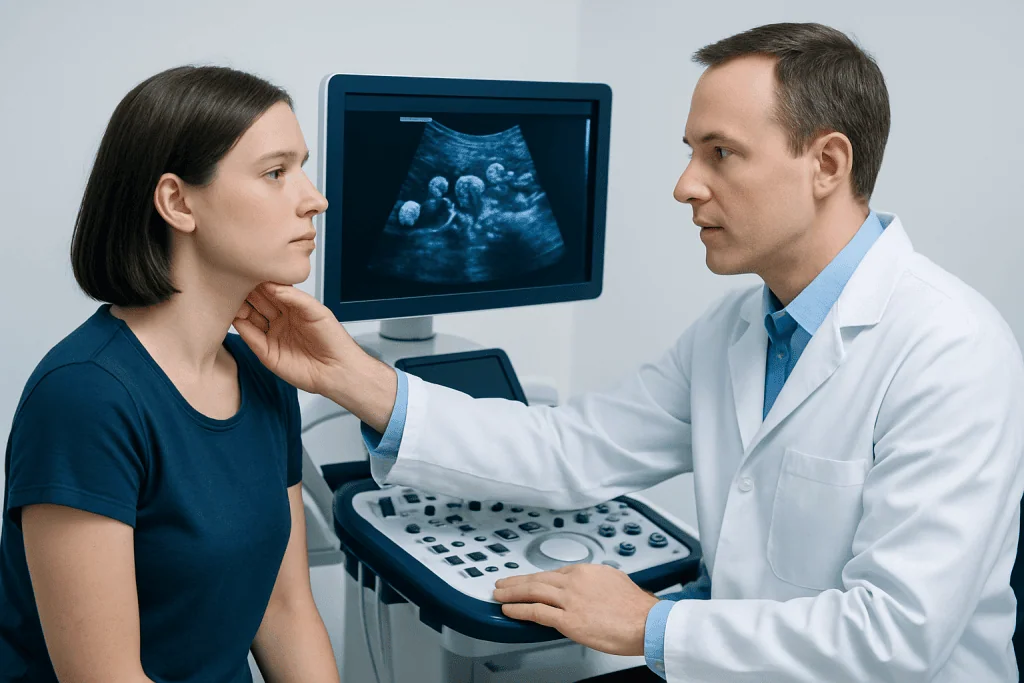
During the examination, the doctor checks the size, location, texture, tenderness, and mobility of the lymph nodes. A tender, movable node in the neck during a cold often points to a benign reactive cause. In contrast, nodes that are hard, fixed, or enlarging over time may need more testing.
If the cause is not clear, further tests may include blood tests, throat swabs, or imaging such as ultrasound or CT. In selected cases, doctors may recommend biopsy to examine tissue directly. If a nearby area such as the throat or sinuses seems involved, assessment may also include specialist evaluation and imaging. For persistent neck swelling related to structural concerns, doctors may investigate the broader head and neck region and, when appropriate, consider pathways used in evaluating head and neck cancers.
Treatment Options
Treatment depends on the underlying cause. If swollen lymph nodes are due to a viral infection, the main approach is often supportive care while the body recovers. This can include rest, fluids, and comfort measures recommended by a doctor. In many cases, the swelling gradually reduces over days to a few weeks.
If a bacterial infection is responsible, treatment may involve antibiotics or management of the source, such as dental care for a tooth infection or treatment of a skin infection. When a node is enlarged because of an inflammatory or immune-related condition, treatment focuses on that condition rather than the node itself.
If testing suggests a more serious cause, care is tailored accordingly. This may include specialist evaluation, further imaging, or procedures to obtain a diagnosis before treatment begins. In some situations, surgery is not needed, while in others it may play a role depending on the findings.
Near the end of the care pathway, some people benefit from coordinated evaluation across specialties. Acibadem International’s multidisciplinary specialists and JCI-accredited hospitals diagnose and treat causes of lymph node swelling for international patients when more detailed assessment is needed.
Self-Care and Prevention
Because swollen lymph nodes are a symptom rather than a single disease, prevention focuses on reducing common triggers and supporting overall health. Good hand hygiene, timely attention to sore throats or dental infections, and proper care of cuts or skin irritation can lower the chance of infection-related swelling.
It is also wise not to repeatedly press or squeeze swollen nodes. Frequent checking can irritate the area and make it seem more noticeable. Gentle observation is usually better than repeated touching.
Helpful self-care steps may include:
- Resting and staying hydrated during mild infections
- Keeping up with routine dental care
- Monitoring whether the swelling improves as other symptoms improve
- Following a doctor’s advice for pain relief or fever management if needed
- Seeking medical review if swelling persists or changes
Home care may be appropriate for short-lived, mild swelling linked to an obvious infection, but persistent or unexplained lymph node enlargement should be assessed by a qualified healthcare professional.
When to Seek Medical Care
Most swollen lymph nodes are not an emergency, especially when they occur with a recent cold or minor infection and begin to settle afterward. Still, there are clear situations in which medical advice is important. A doctor should review swelling that lasts more than a few weeks, keeps increasing, or returns repeatedly without an obvious cause.
Medical care is also recommended if the node feels very hard, does not move easily under the skin, or is large and continues to grow. Other warning signs include unexplained fever, night sweats, weight loss, trouble swallowing, shortness of breath, severe pain, or redness and warmth suggesting a deeper infection.
Children, older adults, and people with weakened immune systems may need earlier evaluation. If there is concern for a throat abscess, severe infection, or a condition affecting the airway, urgent assessment is important. A doctor can decide whether simple monitoring is enough or whether blood tests, imaging, or specialist care are the safest next steps.
Frequently asked questions
Are swollen lymph nodes usually serious?
Most swollen lymph nodes are not serious and are often related to common infections such as colds, sore throats, or dental problems. They usually improve once the underlying cause settles. A doctor should assess swelling that persists, grows, or comes with warning signs.
How long do swollen lymph nodes last?
The timing depends on the cause. Nodes linked to a simple viral infection may start to improve within days, though some can remain enlarged for a few weeks before shrinking fully. If swelling lasts longer than a few weeks or keeps returning, medical review is sensible.
Where are swollen lymph nodes most commonly felt?
People most often notice swollen lymph nodes in the neck, under the jaw, behind the ears, in the armpits, and in the groin. These areas contain superficial nodes that are easier to feel under the skin. The location often gives doctors clues about the likely source of infection or inflammation.
Can stress cause swollen lymph nodes?
Stress itself is not usually a direct cause of swollen lymph nodes. Enlarged nodes more often happen because of infection, inflammation, or another medical condition. However, stress can affect overall wellbeing, so it is still important to consider the whole health picture.
Should swollen lymph nodes be massaged or pressed?
It is usually better not to repeatedly press or massage swollen lymph nodes. Frequent touching can irritate the area and make the swelling feel more prominent. Gentle observation and medical advice, if needed, are safer approaches.
What tests might a doctor order for swollen lymph nodes?
A doctor may begin with a physical exam and medical history. Depending on the situation, they might order blood tests, a throat swab, ultrasound, CT imaging, or sometimes a biopsy. The goal is to identify the underlying cause rather than treat the swelling alone.
References
- World Health Organization
- Centers for Disease Control and Prevention
- Mayo Clinic
- National Health Service
- American Academy of Family Physicians
This article is for general information only and is not a substitute for professional medical advice. Please consult a qualified doctor about your individual situation.
Explore treatments in Turkey — costs, top hospitals & a free quote
JCI-accredited · board-certified surgeons · reply within 24h
Add us as a Preferred Source to see more of our trusted health content across Google Search, AI Overviews and Discover.

More from the Health Library



Related Specialists

Dr. Beyhan Levent Erdoğan
Pediatrics
Dyt. Begüm Bengi
Nutrition & Diet
Prof. Dr. Işık Aslay
Radiation Oncology
Dr. Burcu Sena Günaydın Şahin
Pediatrics