Dry Vagina Treatment: Early Signs, Risk Factors, and How It Is Treated

Vaginal dryness is a symptom, not a diagnosis, and it can have hormonal, medication-related, skin, or infection-related causes. First-line dry vag treatment often includes vaginal moisturizers for routine comfort and lubricants for sexual activity.
Key Takeaways
- Vaginal dryness is a symptom, not a diagnosis, and it can have hormonal, medication-related, skin, or infection-related causes.
- First-line dry vag treatment often includes vaginal moisturizers for routine comfort and lubricants for sexual activity.
- Hormonal treatments such as local estrogen may help when dryness is linked to menopause or low estrogen, but they are not right for everyone.
- A medical review is important if symptoms are new, persistent, painful, or associated with bleeding, discharge, sores, or urinary symptoms.
- Self-care can help, but scented products, harsh soaps, and douching often make dryness worse.
Dry vag treatment depends on the cause, but many people improve with regular vaginal moisturizers, lubricants during sex, and medical care for hormonal or inflammatory conditions. Persistent dryness, burning, itching, or pain should be assessed by a qualified doctor so treatment can be matched to the underlying reason.
Overview: what dry vag treatment usually involves
Dry vag treatment usually starts with identifying why the tissues feel dry, irritated, or painful. For many people, symptom relief comes from simple measures such as vaginal moisturizers used regularly and lubricants used during sex. If dryness is linked to menopause, breastfeeding, medication effects, pelvic treatment, or a medical condition, treatment may also include addressing that cause directly.
Vaginal dryness is common and can affect comfort, intimacy, exercise, sleep, and urinary health. It may feel like tightness, burning, itching, soreness, or pain with penetration. Some people also notice frequent urination, urgency, or repeated irritation around the vulva and vaginal opening.
Because several different problems can lead to similar symptoms, dryness should not be assumed to be “just menopause” or “just stress.” A careful assessment helps separate hormonal changes from infections, inflammatory skin disorders, pelvic floor tension, and other causes, so care can be more effective and more comfortable.
Early signs and symptoms to notice
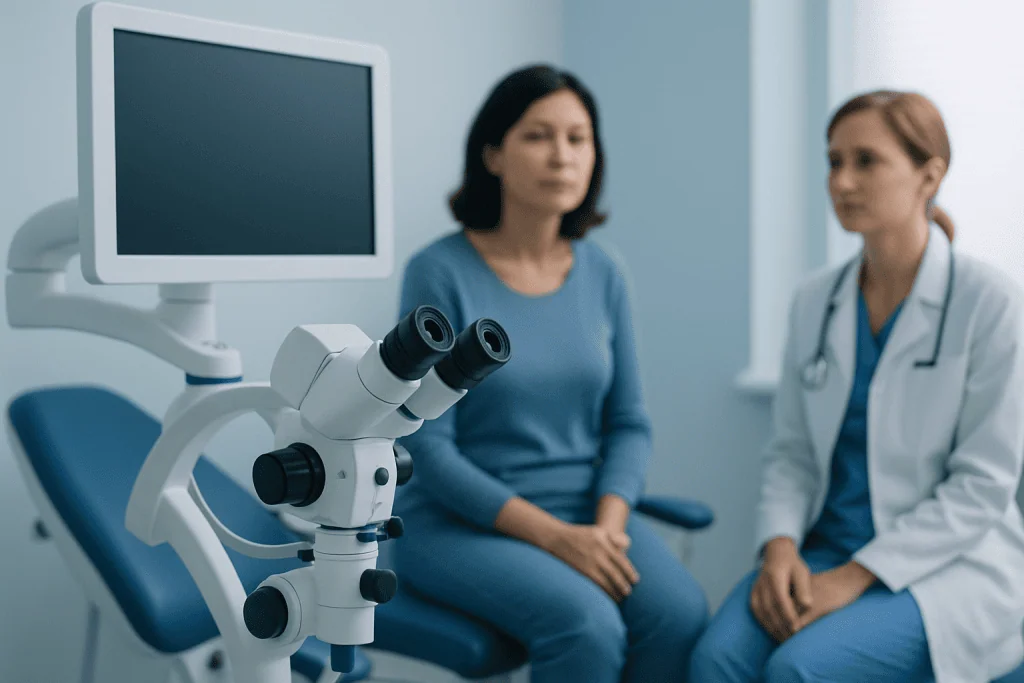
The earliest signs are often subtle. A person may notice less natural lubrication, mild discomfort when sitting or exercising, or a change in comfort during sex. Burning, stinging, and a raw or irritated feeling can appear before obvious dryness is recognized.
Symptoms vary from person to person, but common features include:
- Dryness, tightness, or a lack of lubrication
- Burning, itching, or soreness in the vagina or vulva
- Pain during sex or discomfort with penetration
- Light spotting after sex due to fragile tissue
- Urinary urgency, frequency, or burning without a clear infection
- Recurrent irritation that flares after soaps, pads, or sexual activity
When low estrogen is the main reason, the tissue may become thinner, less elastic, and more sensitive over time. This pattern is often part of genitourinary syndrome of menopause, which includes vaginal and urinary symptoms. People may also hear clinicians use the term atrophic vaginitis when describing inflammation and thinning related to estrogen loss.
Why vaginal dryness happens

Hormonal change is one of the most common causes. Estrogen helps maintain vaginal moisture, elasticity, and a healthy tissue lining. As estrogen falls during menopause and perimenopause, or temporarily during breastfeeding and after childbirth, the tissues can become drier and more fragile.
Dryness can also be unrelated to menopause. Some medications reduce moisture, including certain antihistamines, antidepressants, hormonal therapies, and some acne treatments. Cancer treatments such as chemotherapy, pelvic radiation, or ovarian suppression may affect lubrication as well. After gynecologic surgery, some people also notice changes in comfort.
Inflammation or irritation is another important group of causes. Scented soaps, bubble baths, vaginal washes, douching, spermicides, and some detergents can irritate delicate tissue. Skin conditions affecting the vulva, pelvic floor muscle tension, and some infections may cause burning or pain that feels like dryness. When symptoms occur alongside pelvic pain, clinicians may also consider related conditions such as endometriosis, although that condition does not directly cause vaginal dryness itself.
Emotional stress, inadequate arousal, and relationship or pain-related anxiety can contribute too. These factors do not mean symptoms are “in someone’s head.” Rather, they can change lubrication and muscle tension, making physical symptoms feel worse and more persistent.
Risk factors and who may be more affected
The chance of vaginal dryness rises during midlife, especially around and after menopause. It is also more likely during breastfeeding, in the months after childbirth, and after treatments that lower estrogen. People who smoke may experience tissue changes earlier because smoking can affect blood flow and hormone metabolism.
Medical history matters as well. Autoimmune conditions, diabetes, prior pelvic surgery, and treatment for breast or gynecologic cancer may all influence vaginal comfort. Those using medications with drying effects may notice symptoms gradually, sometimes without realizing there is a connection.
Lifestyle and product exposures can increase irritation. Tight non-breathable clothing, scented pads or liners, aggressive cleansing, and frequent use of fragranced personal-care products may disrupt the skin barrier. Sexual activity without enough lubrication can also worsen the cycle of pain and dryness by causing minor trauma to already sensitive tissue.
How doctors diagnose the cause
Diagnosis begins with a detailed history. A clinician will ask when symptoms started, whether they are linked to sex, exercise, urination, childbirth, menopause, medication changes, or new hygiene products. Questions about discharge, odor, bleeding, itching, pelvic pain, and urinary symptoms help narrow the cause.
A physical examination may include an external vulvar exam and, when appropriate, a gentle internal pelvic exam. This helps assess tissue moisture, elasticity, inflammation, tenderness, skin changes, and signs of infection or injury. If a person is also due for a routine evaluation, the doctor may discuss a broader gynecologic review or tests such as a Pap smear when indicated for cervical screening, though this does not diagnose dryness itself.
Additional tests are chosen based on symptoms rather than done automatically. Vaginal swabs may be used if infection is suspected, urine testing may help when burning or frequency is present, and other tests may be ordered if there are skin changes, unexplained bleeding, or concern about another condition. The goal is to identify the true reason for symptoms rather than simply treating discomfort in a generic way.
Dry vag treatment options
Treatment is tailored to the cause, symptom severity, age, medical history, and personal preferences. For many people, regular vaginal moisturizers are a helpful starting point because they support tissue hydration over time. Water-, silicone-, or oil-based lubricants may reduce friction and pain during sex, although the best choice depends on skin sensitivity and the type of sexual activity.
If symptoms are related to menopause or another low-estrogen state, a doctor may discuss local hormonal treatment. This may include vaginal estrogen in forms such as creams, tablets, or rings, which act mainly in the local tissues and can be effective for dryness, irritation, and pain with sex. In selected cases, other prescription nonhormonal or hormonal options may be considered, especially if there are broader menopausal symptoms and a full review supports that approach.
When dryness is linked to another issue, treatment focuses there. This may mean stopping irritating products, changing a medication if appropriate, treating infection, managing a skin disorder, or addressing pelvic floor muscle tension. Some people benefit from pelvic floor therapy when pain and muscle guarding contribute to discomfort. If the dryness is occurring as part of a broader menopausal transition, a specialist may also discuss menopause management to review symptom patterns and suitable choices.
Not every treatment fits every person. Those with a history of hormone-sensitive cancer, unexplained vaginal bleeding, or certain other medical issues may need a more individualized plan. A clinician can help weigh benefits and risks and choose the least invasive effective option.
Self-care and prevention in daily life
Daily habits can make a meaningful difference. Gentle vulvar care is important: wash with lukewarm water or a mild unscented cleanser only if needed, avoid douching, and limit fragranced products. Wearing breathable cotton underwear and changing out of damp exercise clothes promptly may also reduce irritation.
During sex, more time for arousal and the use of lubricant can improve comfort. A regular vaginal moisturizer may help even on days without sexual activity. If one product stings or causes irritation, trying a different formulation may help, as preservatives and added scents can matter.
General health steps may also support tissue comfort. Staying well hydrated, not smoking, managing long-term conditions, and discussing medication side effects with a doctor are all sensible measures. Prevention is not always possible when hormones change, but early attention often reduces discomfort and helps prevent worsening pain.
Near the end of the care journey, some people may wish to be assessed in a specialized gynecology setting. Acibadem International’s multidisciplinary specialists and JCI-accredited hospitals diagnose and treat gynecologic concerns for international patients, including evaluation of persistent vaginal dryness and related pelvic symptoms.
When to seek medical care
A doctor should assess vaginal dryness that persists, recurs often, or interferes with sex, sleep, exercise, or everyday comfort. Medical advice is especially important if symptoms are new after menopause, begin after a medication change, or do not improve with basic self-care.
Prompt review is recommended if dryness comes with bleeding, unusual discharge, bad odor, sores, swelling, fever, significant pelvic pain, or urinary burning and frequency. These features can point to infection, skin disease, injury, or another condition that needs targeted treatment. Anyone with a history of gynecologic cancer, breast cancer, or pelvic radiation should ask their clinician before using hormonal products.
It can also help to seek care early if intimacy has become painful or if fear of pain is causing tension and avoidance. Early treatment often improves comfort faster and may prevent a cycle of ongoing irritation, muscle guarding, and distress.
Frequently asked questions
What is the best dry vag treatment to try first?
For many people, the first steps are a regular vaginal moisturizer for ongoing comfort and a lubricant during sex to reduce friction. If symptoms persist, a doctor can check whether low estrogen, irritation, infection, medication effects, or another condition is involved.
Is vaginal dryness always caused by menopause?
No. Menopause is a common cause, but dryness can also happen during breastfeeding, after childbirth, with certain medicines, after cancer treatment, or because of irritation, skin conditions, or pelvic floor problems. That is why persistent symptoms deserve an individualized assessment.
Can vaginal dryness cause pain during sex?
Yes. Reduced lubrication and thinner, more sensitive tissue can make penetration uncomfortable or painful. Ongoing pain can also lead to muscle tightening and anxiety, which may worsen symptoms unless both the tissue problem and pain pattern are addressed.
Are hormonal treatments safe for everyone?
No treatment is right for everyone. Local vaginal estrogen is appropriate for many people, but those with unexplained bleeding, certain cancer histories, or other medical concerns may need different options. A doctor can review personal risks and choose the safest effective approach.
When should someone worry about vaginal dryness?
Dryness should be checked if it is persistent, recurrent, or affects daily life or intimacy. It also needs medical review if there is bleeding, discharge, sores, urinary symptoms, fever, or pelvic pain, because these may indicate a different underlying problem.
Can self-care alone fix vaginal dryness?
Sometimes, especially when symptoms are mild or triggered by irritating products. However, self-care may not be enough if the cause is hormonal change, a skin disorder, infection, medication side effect, or pelvic floor dysfunction. Persistent symptoms should be professionally evaluated.
References
- American College of Obstetricians and Gynecologists
- North American Menopause Society
- National Institute on Aging
- Mayo Clinic
- Cleveland Clinic
This article is for general information only and is not a substitute for professional medical advice. Please consult a qualified doctor about your individual situation.
Explore treatments in Turkey — costs, top hospitals & a free quote
JCI-accredited · board-certified surgeons · reply within 24h
Add us as a Preferred Source to see more of our trusted health content across Google Search, AI Overviews and Discover.