Breakout: A Complete Medical Overview

A breakout is most often an acne flare-up caused by clogged pores, excess oil, inflammation, and skin bacteria. Hormonal changes, cosmetics, stress, friction, and some medicines can make breakouts worse.
Key Takeaways
- A breakout is most often an acne flare-up caused by clogged pores, excess oil, inflammation, and skin bacteria.
- Hormonal changes, cosmetics, stress, friction, and some medicines can make breakouts worse.
- Treatment depends on the type and severity of lesions and may include skin care changes, topical medicines, or prescription therapy.
- Picking or over-washing the skin can worsen irritation and increase the risk of marks or scarring.
- Medical care is important for painful, widespread, scarring, or treatment-resistant breakouts.
A breakout usually refers to an acne flare-up, when pores become clogged and lead to blackheads, whiteheads, pimples, or deeper inflamed bumps. Most breakouts can be improved with the right skin care and medical treatment, especially when the causes are identified early.
Overview: what a breakout means
A breakout usually means a sudden or noticeable worsening of acne. It happens when hair follicles, also called pores, become blocked with oil, dead skin cells, and sometimes bacteria. This can lead to blackheads, whiteheads, red pimples, pustules, or deeper nodules and cysts.
Although many people associate breakouts with the teenage years, they can affect children, adolescents, and adults. Breakouts may appear on the face, chest, shoulders, back, or jawline, and their pattern often gives clues about possible triggers such as hormones, friction, cosmetics, or skin care habits.
A breakout is very common and usually manageable, but it is not the same for everyone. Some people mainly develop clogged pores, while others have more inflamed or painful lesions. Understanding the type of breakout is helpful because treatment that works for mild comedones may not be enough for deeper inflammatory acne. In some cases, a breakout may be part of a broader skin condition such as acne.
Common signs and how breakouts can look
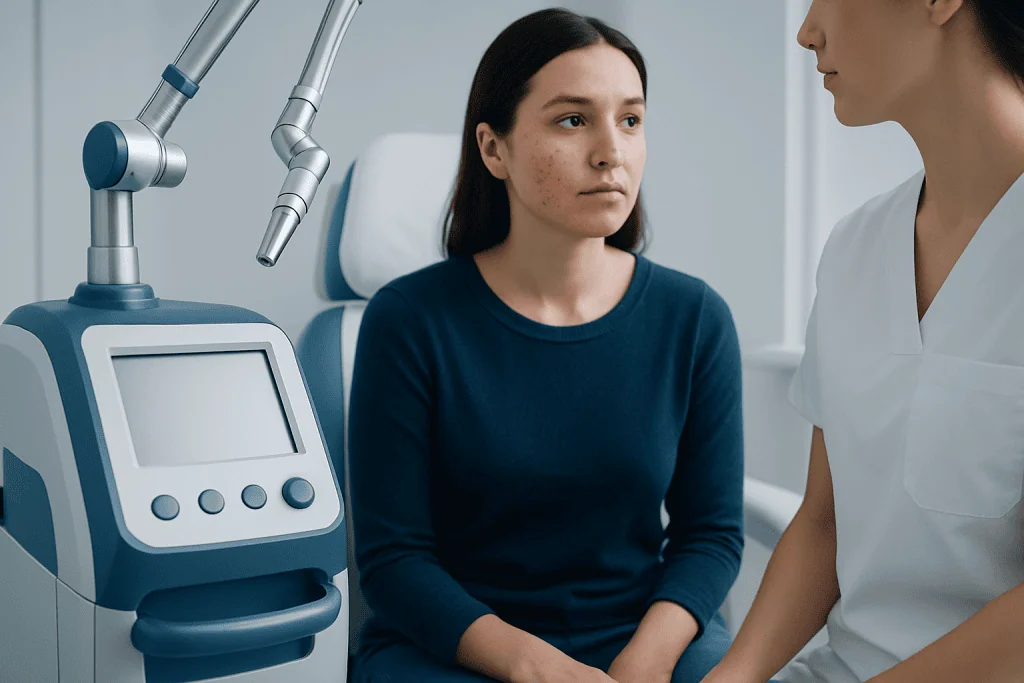
Breakouts can range from a few small spots to widespread inflamed acne. The most common visible signs include blackheads, which are open clogged pores; whiteheads, which are closed clogged pores; and papules or pustules, which are red or pus-filled bumps. More severe breakouts may include nodules or cysts that feel tender and sit deeper in the skin.
Symptoms are not always limited to appearance. Some people notice soreness, itching, or skin sensitivity, especially if they are using strong skin products or scrubbing too aggressively. A breakout may also leave temporary dark marks, redness, or, in some cases, longer-term textural scarring.
- Blackheads and whiteheads
- Red inflamed pimples
- Pus-filled spots
- Deep, painful lumps under the skin
- Post-inflammatory dark marks or redness after healing
Because several skin problems can resemble acne, not every breakout is classic acne. Folliculitis, rosacea, irritation from products, and rashes from sweat or friction can look similar. If spots are unusual, very itchy, or do not behave like typical acne, a doctor can help clarify the cause.
Why breakouts happen
Breakouts develop through a combination of processes inside the skin. Oil glands produce sebum to protect the skin, but excess sebum can combine with dead skin cells and block the pore opening. When this happens, the trapped material can form a comedone, and inflammation may follow. A skin bacterium called Cutibacterium acnes can also contribute to the inflammatory response.
Hormones are one of the most common reasons breakouts flare. Androgens can increase oil production, which is why acne often appears during puberty, before menstruation, during pregnancy, or with conditions that affect hormone balance. Adult breakouts, particularly along the jaw and chin, are often linked to hormonal patterns.
Skin care and lifestyle factors can also play a role. Heavy or pore-clogging cosmetics, occlusive hair products, helmets, tight clothing, frequent touching of the face, and not removing makeup properly may worsen breakouts in some people. Stress does not directly create clogged pores, but it can aggravate inflammation and oil production, making existing acne more noticeable.
Some medicines, including certain steroids, lithium, and some hormonal therapies, may trigger or worsen acne-like eruptions. Diet is more complex: not everyone is affected, but some people notice breakouts linked to high-glycemic foods or certain dairy products. A doctor can help assess whether these factors are relevant in an individual case.
Risk factors and common triggers
Several factors increase the chance of repeated breakouts. Family history matters, because acne can run in families. Oily skin, hormonal fluctuations, and a previous history of adolescent or adult acne also make flare-ups more likely. People who sweat heavily or wear equipment that rubs on the skin may develop acne mechanica, a type of breakout caused by friction and trapped heat.
It is also common for breakouts to worsen when the skin barrier becomes irritated. Over-cleansing, using harsh exfoliants too often, mixing too many active ingredients, or trying multiple new products at once can lead to dryness, redness, and inflammation. In these situations, the skin may feel both irritated and acne-prone at the same time.
- Puberty and hormonal changes
- Menstrual cycles or hormone-related conditions
- Genetic tendency
- Oily or combination skin
- Occlusive cosmetics or hair products
- Stress, friction, sweat, and some medicines
Recognizing triggers can help reduce future flares. Keeping a simple record of symptoms, menstrual timing, new products, exercise habits, or medications can reveal patterns that are not obvious at first. This can make treatment more targeted and practical.
How breakouts are diagnosed
Most breakouts are diagnosed clinically, meaning a doctor evaluates the skin based on the appearance, location, and type of lesions. During the visit, the doctor may ask when the acne started, whether it flares around periods, what products are used on the skin and hair, and whether previous treatments have helped.
Diagnosis also includes checking severity. Mild acne mainly involves blackheads and whiteheads, while moderate or severe acne includes more widespread inflammation, deeper nodules, or early scarring. This distinction matters because treatment plans differ depending on whether the main problem is clogged pores, inflammation, hormones, or scar risk.
Additional tests are not always needed, but they may be considered if breakouts are severe, sudden, or associated with signs of hormone imbalance such as irregular periods or excess hair growth. In uncertain cases, a specialist may distinguish acne from conditions like rosacea or other follicular disorders. Careful diagnosis helps avoid using treatments that may irritate the skin without addressing the actual cause.
Treatment options for breakouts
Treatment depends on the type of breakout, the area involved, skin sensitivity, and whether there is any scarring. Mild breakouts often improve with consistent use of gentle cleansers and non-comedogenic moisturizers, along with topical ingredients such as benzoyl peroxide, salicylic acid, or retinoids. These help reduce clogged pores, inflammation, and bacteria, but they usually take several weeks to show clear results.
When breakouts are more inflamed or persistent, prescription treatments may be recommended. These can include stronger topical retinoids, combination gels, oral antibiotics for limited periods, or hormone-related treatments in selected patients. Deep or scarring acne sometimes requires specialist care and more advanced therapy, including acne treatment plans designed for moderate to severe disease.
For some patients, procedures can complement medical treatment. Doctors may consider comedone extraction, chemical peels, light-based procedures, or injections for large inflamed cysts in selected cases. If breakouts have already left marks or uneven texture, later care may include laser treatment or other scar-focused approaches once active inflammation is under control.
Successful treatment usually requires patience and regular follow-up. Stopping treatment too early, switching products frequently, or using several strong products at once can make the skin more irritated and delay improvement. A doctor can adjust the plan based on response, side effects, and scar prevention.
Prevention and self-care
Preventing breakouts starts with a simple, consistent skin care routine. Washing the skin gently once or twice daily, removing makeup before sleep, and choosing products labeled non-comedogenic can help reduce pore blockage without damaging the skin barrier. Moisturizer is still important, even for oily or acne-prone skin, because overly dry skin can become more irritated.
It is helpful to avoid picking, squeezing, or scrubbing spots. These habits can push inflammation deeper, delay healing, and increase the chance of marks and scars. Hair products should be kept off the forehead and temples when possible, and sports equipment or masks that rub on the skin should be cleaned regularly.
- Use gentle cleansing rather than harsh scrubs
- Choose oil-free or non-comedogenic skin and makeup products
- Shower after heavy sweating when possible
- Avoid touching or picking the skin
- Introduce active products slowly to reduce irritation
If breakouts are linked to recurrent marks or scar formation, early medical treatment is especially important. Once active acne is controlled, some patients may benefit from scar management options such as microneedling in carefully selected situations. For international patients, Acibadem International’s multidisciplinary specialists and JCI-accredited hospitals diagnose and treat acne-related skin concerns with individualized care plans.
When to seek medical care
Many breakouts can be managed with over-the-counter products, but medical advice is important when acne is painful, widespread, or leaving marks and scars. A doctor should also evaluate breakouts that do not improve after several weeks of consistent home treatment, or that return repeatedly despite good skin care.
Prompt care is also sensible when breakouts affect self-confidence, sleep, or daily life. If lesions are mainly deep cysts, if there is sudden severe acne in adulthood, or if breakouts appear alongside irregular periods or other signs of hormonal imbalance, a professional assessment can help identify the cause and choose a safer, more effective plan.
Medical review is also useful when a breakout may not actually be acne. A rash that is very itchy, blistering, spreading quickly, or associated with fever should not be self-treated as ordinary acne. In these cases, a qualified doctor can rule out infection, allergic reactions, or other skin conditions that need different treatment.
Frequently asked questions
What is a breakout in medical terms?
A breakout usually refers to an acne flare-up caused by clogged pores, excess oil, inflammation, and bacteria in the skin. It can include blackheads, whiteheads, red pimples, or deeper painful bumps.
Why am I getting breakouts even as an adult?
Adult breakouts are common and may be related to hormones, stress, cosmetics, friction, or certain medicines. Some adults also have a genetic tendency toward acne-prone skin that continues beyond the teenage years.
How long does a breakout take to clear?
A breakout may start to improve within a few weeks, but many acne treatments need 6 to 12 weeks of consistent use before the full benefit becomes clear. Deeper or more inflamed lesions can take longer and may need prescription treatment.
Can diet cause breakouts?
Diet does not affect everyone in the same way, but some people notice worse breakouts with high-glycemic foods or certain dairy products. If a food pattern seems related, it is best discussed with a doctor rather than making overly restrictive changes alone.
Should a breakout be popped or squeezed?
No. Squeezing spots can worsen inflammation, increase infection risk, and make post-acne marks or scarring more likely. Gentle treatment and patience are safer than trying to extract lesions at home.
When should someone see a doctor for a breakout?
Medical advice is important if the breakout is painful, widespread, scarring, or not improving with regular over-the-counter care. A doctor should also assess unusual, sudden, or very persistent breakouts, especially if hormonal symptoms are also present.
This article is for general information only and is not a substitute for professional medical advice. Please consult a qualified doctor about your individual situation.
Explore treatments in Turkey — costs, top hospitals & a free quote
JCI-accredited · board-certified surgeons · reply within 24h
Add us as a Preferred Source to see more of our trusted health content across Google Search, AI Overviews and Discover.

More from the Health Library

Keratin: A Complete Medical Overview
Carbs in Blueberries: What Patients Need to Know

Brain Freeze — Explained by Medical Evidence, Not Myths

Birth Control Options for Women: A Complete Medical Overview

Tissue and Tissue: What Patients Need to Know