Tissue and Tissue: What Patients Need to Know

Body tissues are groups of similar cells that perform specific jobs. The four main tissue types are epithelial, connective, muscle, and nervous tissue.
Key Takeaways
- Body tissues are groups of similar cells that perform specific jobs.
- The four main tissue types are epithelial, connective, muscle, and nervous tissue.
- Problems affecting tissue can result from injury, infection, inflammation, poor circulation, autoimmune disease, or cancer.
- Symptoms depend on which tissue is involved and where it is located in the body.
- Treatment focuses on the cause and may include rest, medicines, rehabilitation, procedures, or surgery.
- Medical evaluation is important for persistent pain, swelling, wounds that do not heal, weakness, numbness, or unusual lumps.
Tissue and tissue usually refers to the body’s tissues: organized groups of cells that work together to support, protect, connect, and move the body. Understanding the four main tissue types can help patients make sense of symptoms, injuries, healing, and why different specialists may be involved in care.
What “tissue and tissue” means
In medicine, the phrase tissue and tissue is best understood as a broad reference to the body’s tissues. Tissues are organized groups of cells, along with the material around them, that work together to perform a particular function. They form every organ and structure in the body, from skin and muscles to nerves, blood vessels, and internal organs.
Patients often come across this term while reading about biopsy results, injury recovery, inflammation, wound healing, or surgery. Understanding tissue helps explain why one symptom may feel very different from another. For example, pain from muscle tissue, numbness from nerve tissue, and swelling in connective tissue do not behave the same way because each tissue type has a different role.
Rather than being a single disease, tissue problems are a way of describing where a condition is happening. A doctor may say a problem affects soft tissue, nerve tissue, lung tissue, or breast tissue. The underlying cause could be minor, such as a strain, or more complex, such as infection, autoimmune inflammation, reduced blood supply, or a growth that needs further evaluation.
The four main types of body tissue
Human tissue is usually grouped into four main categories. Each has a distinct structure and purpose, and most organs contain a combination of these tissue types working together.
- Epithelial tissue: This covers body surfaces and lines organs, glands, and cavities. Skin is one example. Epithelial tissue helps with protection, absorption, secretion, and forming barriers.
- Connective tissue: This supports and binds other tissues. It includes fat, tendons, ligaments, cartilage, bone, blood, and parts of the skin. Connective tissue gives the body structure and helps with cushioning and repair.
- Muscle tissue: This allows movement. Skeletal muscle moves the limbs, smooth muscle helps organs such as the intestines contract, and cardiac muscle forms the heart.
- Nervous tissue: This sends and processes signals. It is found in the brain, spinal cord, and nerves, and it controls sensation, movement, reflexes, and many body functions.
These tissue types do not work in isolation. For example, a joint includes connective tissue, nerve tissue, muscle tissue, and blood vessels. A skin wound involves epithelial tissue on the surface, connective tissue below, and sometimes deeper structures if the injury is more severe.
Because tissues are interconnected, a symptom in one area may involve more than one tissue type. A back injury, for instance, may include strained muscle, irritated connective tissue, and compressed nerve roots. This is one reason proper assessment matters when symptoms persist or limit daily life.
How tissue becomes damaged or diseased
Tissue can be affected in many ways. Common causes include direct injury, repetitive strain, poor posture, overuse, burns, pressure, infection, reduced circulation, and inflammation. Tissues also change naturally with age, which can make them less elastic, slower to heal, or more vulnerable to wear.
Medical conditions can also affect tissue health. Autoimmune diseases may cause the immune system to attack healthy tissue. Diabetes can impair circulation and healing, especially in the feet and skin. Poor blood flow may deprive tissue of oxygen and nutrients, leading to pain, ulcers, or delayed recovery. Some infections directly damage tissue, while others trigger swelling that interferes with normal function.
In some cases, abnormal tissue growth must be evaluated. A new lump, unusual thickening, persistent sore, or unexplained tissue change can be due to many causes, including cysts, scar tissue, inflammation, or tumors. When concern exists, doctors may use imaging or a sample of tissue for microscopic examination. If a suspicious growth is found, further assessment for cancer may be recommended.
Tissue healing depends on the cause, the tissue involved, and a person’s overall health. Healthy blood supply, good nutrition, careful wound care, and managing chronic conditions all support recovery. Nerve tissue and cartilage generally heal more slowly than tissues with stronger blood flow, such as many muscles.
Common symptoms of tissue problems
Symptoms vary widely depending on the tissue involved. Pain, tenderness, swelling, stiffness, bruising, weakness, numbness, tingling, warmth, redness, or limited movement are common signs that tissue may be injured or inflamed. Skin or surface tissue problems may show up as rashes, sores, color changes, or wounds that do not heal as expected.
Deep tissue problems can be harder to identify without medical evaluation. For example, muscle tissue injury may cause cramping or reduced strength, while nerve tissue problems may produce burning pain, altered sensation, or poor coordination. Connective tissue disorders may lead to joint instability, persistent swelling, or widespread discomfort.
Some symptoms deserve more attention because they suggest more significant tissue involvement. These include severe pain after trauma, rapidly spreading redness, fever with swelling, black or pale skin changes, sudden weakness, loss of bladder or bowel control, unexplained lumps, or ulcers that persist. Depending on the location and suspected cause, a doctor may look for conditions such as soft tissue rheumatism or other inflammatory disorders.
How doctors evaluate tissue health
Evaluation begins with a medical history and physical examination. A doctor usually asks when symptoms started, whether there was an injury, what makes symptoms better or worse, and whether there are associated issues such as fever, weight loss, weakness, or changes in skin color. Examination may include checking movement, strength, sensation, swelling, circulation, and tenderness.
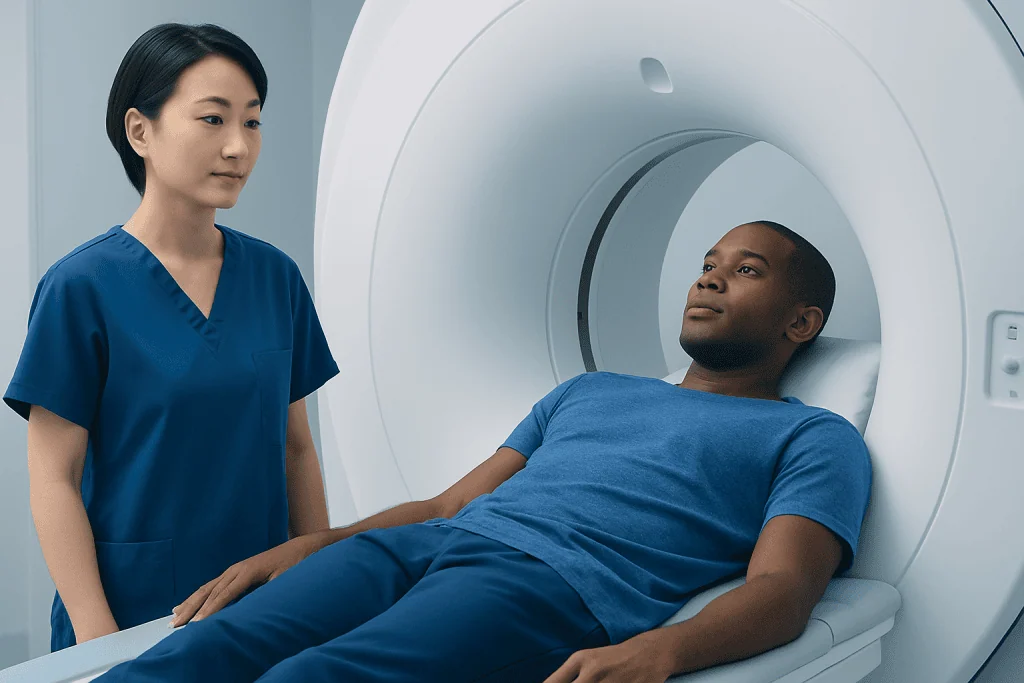
Imaging tests are often useful when symptoms are ongoing, deep, or difficult to localize. Ultrasound can assess some soft tissue injuries and fluid collections. X-rays are helpful for bone and some joint problems, while MRI offers detailed views of muscles, ligaments, cartilage, discs, and many other soft tissues. In more complex cases, advanced MRI imaging or other diagnostic studies may help clarify the cause.
Laboratory tests may be used if infection, inflammation, autoimmune disease, or metabolic causes are suspected. When a growth, nonhealing lesion, or unusual tissue change needs closer study, doctors may recommend a biopsy so the tissue can be examined under a microscope. This can help distinguish between inflammation, infection, benign changes, and cancerous changes.
Not every symptom requires extensive testing. Mild strains, minor bruises, and small superficial wounds often improve with basic care. However, persistent, worsening, or unexplained symptoms should be assessed by a qualified clinician to avoid missed diagnoses and support timely treatment.
Treatment options for tissue conditions
Treatment depends on the tissue involved and the cause of the problem. Minor injuries may respond to rest, activity modification, elevation, cold or heat as advised, and short-term pain relief recommended by a clinician. Physical therapy and guided rehabilitation are often important for restoring strength, mobility, and function after muscle, tendon, ligament, or joint injuries.
Infections may require antimicrobial treatment and careful monitoring. Inflammatory or autoimmune tissue conditions may be treated with medicines that reduce inflammation or calm the immune response. Wound care is especially important when skin or soft tissue is damaged, and healing may require cleaning, dressings, pressure relief, and management of contributing conditions such as diabetes or poor circulation.
When tissue is severely torn, compressed, blocked, or structurally damaged, a procedure or surgery may be considered. This may include draining an abscess, repairing a tendon, removing abnormal tissue, or addressing pressure on nerves. In selected situations, orthopedic surgery or other specialist care helps protect long-term function.
If imaging or biopsy suggests a suspicious mass, treatment may involve a multidisciplinary team. Depending on the findings, the next steps can include surveillance, surgery, and additional therapies. For patients needing complex evaluation, centers such as Acibadem International bring together multidisciplinary specialists in JCI-accredited hospitals to diagnose and treat tissue-related conditions for international patients.
Supporting tissue healing and prevention
Everyday habits play an important role in tissue health. Balanced nutrition, adequate hydration, regular physical activity, and good sleep all support repair. Protein, vitamins, and minerals help the body rebuild tissue, while smoking can reduce blood flow and slow healing. Managing long-term conditions such as diabetes, vascular disease, and autoimmune disorders also protects tissue health.
Prevention strategies depend on the type of tissue at risk. For muscles and connective tissue, warming up, improving posture, using proper technique during exercise, and allowing recovery time can reduce strain. Skin and surface tissue benefit from sun protection, pressure relief, prompt wound care, and monitoring for changes in moles or lesions. Nerve tissue may be protected by controlling blood sugar, preventing repetitive compression, and addressing spinal or joint problems early when symptoms arise.
Self-care is helpful, but it has limits. Repeated use of pain medicine without evaluation can mask an important problem, and prolonged rest can sometimes worsen stiffness and weakness. A tailored plan from a clinician, physiotherapist, dermatologist, neurologist, orthopedist, or surgeon may be needed based on the location and cause of the tissue problem.
When to seek medical care
Patients should seek medical advice if tissue-related symptoms last more than a few days, keep returning, or interfere with work, mobility, sleep, or daily activities. Medical review is also sensible for unexplained swelling, persistent bruising, worsening stiffness, reduced range of motion, or a wound that is not healing normally.
Prompt medical attention is important after major trauma, sudden inability to bear weight, rapidly spreading redness, severe pain, fever with swelling, drainage of pus, numbness, weakness, or tissue color changes such as blue, pale, or black areas. New lumps, abnormal skin patches, or thickened tissue that does not improve should also be checked.
Emergency care may be needed for severe bleeding, signs of tissue death, sudden paralysis, or symptoms that suggest a serious vascular or neurologic problem. Early evaluation often leads to simpler treatment and can help prevent complications, especially when circulation, infection, or nerve function may be involved.
Frequently asked questions
What does tissue mean in the human body?
In the body, tissue means a group of similar cells working together to do a specific job. Tissues form organs, muscles, skin, nerves, blood vessels, and many other structures. They are the building blocks between individual cells and whole organs.
What are the main types of tissue?
The four main types are epithelial, connective, muscle, and nervous tissue. Epithelial tissue covers and lines surfaces, connective tissue supports structures, muscle tissue creates movement, and nervous tissue sends signals. Most body parts contain more than one tissue type.
Can damaged tissue heal on its own?
Some tissue injuries can heal with time, rest, and supportive care, especially mild strains, bruises, and small wounds. Healing speed depends on the tissue involved, blood supply, age, and overall health. Persistent pain, weakness, or wounds that do not improve should be medically assessed.
Why do some tissues heal more slowly than others?
Tissues with a better blood supply often heal faster because they receive more oxygen and nutrients. Cartilage, tendons, and nerves may recover more slowly than some muscles or skin. Ongoing inflammation, smoking, diabetes, and poor circulation can also delay healing.
When is a biopsy needed for tissue?
A biopsy may be recommended when a doctor needs to look at tissue under a microscope. This can help identify infection, inflammation, scarring, benign growths, or cancer. It is usually considered when imaging or examination alone cannot fully explain a tissue change.
What symptoms suggest a tissue problem needs urgent care?
Urgent symptoms include severe pain after injury, rapidly increasing swelling, fever with redness, loss of function, tissue color changes, numbness, or sudden weakness. Deep wounds, heavy bleeding, and sores that look infected also need prompt evaluation. These signs may point to infection, poor circulation, nerve injury, or significant structural damage.
References
- World Health Organization
- MedlinePlus
- National Cancer Institute
- Mayo Clinic
- Merck Manual Consumer Version
This article is for general information only and is not a substitute for professional medical advice. Please consult a qualified doctor about your individual situation.
Explore treatments in Turkey — costs, top hospitals & a free quote
JCI-accredited · board-certified surgeons · reply within 24h
Add us as a Preferred Source to see more of our trusted health content across Google Search, AI Overviews and Discover.