Botox for Migraines: A Complete Medical Overview
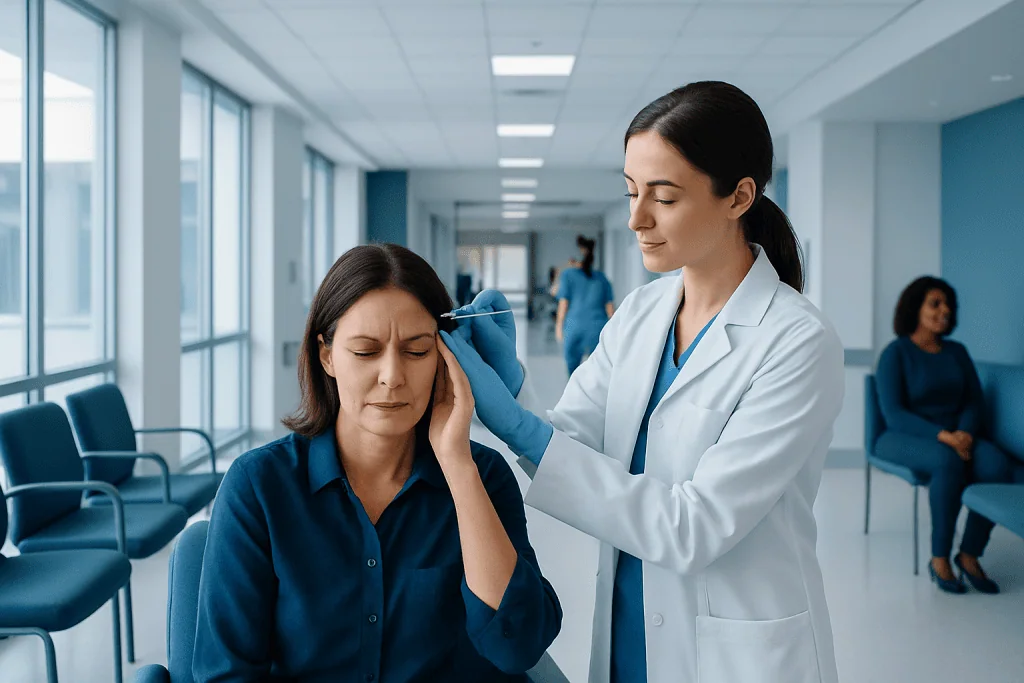
Botox is approved for preventing chronic migraine in adults, especially when headaches occur on 15 or more days each month. It is a preventive therapy, so it is not used to stop a migraine attack once it has started.
Key Takeaways
- Botox is approved for preventing chronic migraine in adults, especially when headaches occur on 15 or more days each month.
- It is a preventive therapy, so it is not used to stop a migraine attack once it has started.
- Treatment is given as a series of small injections into specific areas of the head and neck, usually every 12 weeks.
- Benefits often build gradually over two or three treatment cycles rather than after a single session.
- Common side effects are usually mild and temporary, but treatment should be planned and monitored by a qualified doctor.
Botox for migraines is a preventive treatment used mainly for chronic migraine, not occasional headaches. It may reduce the number of headache days over time by relaxing specific muscles and affecting pain-signaling pathways.
Overview: what Botox for migraines is and who it helps
Botox for migraines refers to the use of botulinum toxin type A as a preventive treatment for chronic migraine. In practical terms, this means it is designed to lower how often migraine attacks happen, rather than to relieve pain during an active attack. For many patients with frequent migraine days, it can become part of a longer-term management plan when lifestyle changes and standard medicines have not provided enough control.
Doctors usually consider this treatment for adults with chronic migraine, which generally means headache on 15 or more days each month, with migraine features on at least some of those days. It is not typically the first choice for people who have infrequent migraines. A careful diagnosis matters because chronic migraine can overlap with other headache disorders, including migraine and other headache conditions.
Although many people know Botox from cosmetic use, the medical approach for migraine is different. The dose, injection sites, and treatment goals are based on a structured clinical protocol. In headache care, the aim is not appearance, but prevention, symptom reduction, and improved daily function.
How Botox works in migraine prevention
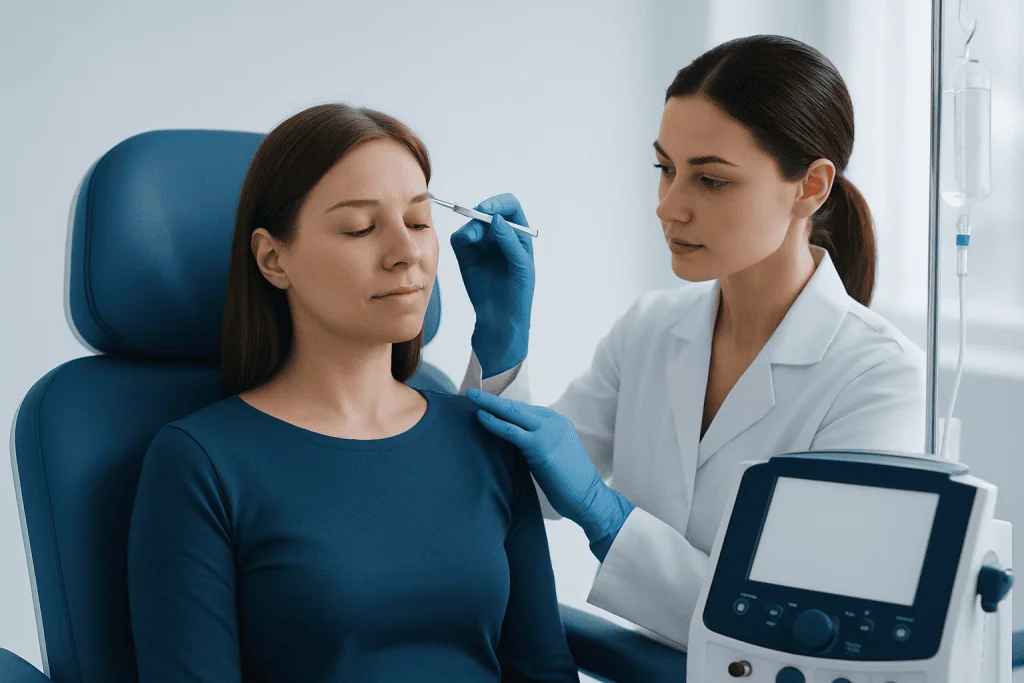
Botox works by blocking the release of certain chemical signals from nerve endings. In migraine prevention, this appears to reduce the activation of pain pathways involved in chronic headache. The effect is not simply muscle relaxation, although reduced muscle tension in some areas may also play a role for certain patients.
Migraine is a neurological disorder, not just a problem of tight muscles or stress. Researchers believe botulinum toxin may help by decreasing the sensitivity of pain-processing nerves around the head and neck. This can make the nervous system less likely to enter the cycle that sustains repeated migraine attacks.
The treatment does not cure migraine permanently. Instead, it helps manage the condition over time. When it works well, patients may notice fewer headache days, less severe attacks, reduced need for rescue medicine, and better ability to carry out everyday activities.
Who may be a candidate for treatment

The best candidates for Botox for migraines are adults diagnosed with chronic migraine by a qualified clinician, often a neurologist or headache specialist. Before recommending treatment, the doctor will usually review headache frequency, symptoms, triggers, medication use, and any previous preventive therapies. Keeping a headache diary can be especially helpful during this stage.
Doctors also look for possible medication overuse headache, which can happen when pain-relief medicines are taken too often. In some cases, improving medication patterns is part of treatment alongside preventive care. Botox may still be considered, but the full plan needs to address all factors that may be maintaining frequent headaches.
Botox may not be suitable for everyone. A doctor will assess pregnancy status, neuromuscular conditions, allergy history, and other medical issues before treatment. The decision is individualized, balancing potential benefits, possible side effects, and how much migraine is affecting quality of life.
For some patients, migraine management also includes other specialist evaluations or therapies. Depending on symptoms and findings, a clinician may discuss broader neurology assessment or, when other causes need to be ruled out, MRI imaging.
What the treatment process is like
Botox for chronic migraine is usually given in a clinic setting through a series of small injections into specific muscles of the forehead, temples, back of the head, neck, and shoulders. The session is relatively brief, and no general anesthesia is typically needed. Most people return to normal activities the same day, although the doctor may recommend avoiding strenuous exercise for a short time.
The treatment follows a standardized injection pattern developed for chronic migraine prevention. In many cases, sessions are repeated about every 12 weeks. Timing matters because the benefits gradually wear off, and regular scheduling helps maintain preventive effect.
Patients should not expect immediate relief after the first treatment. Improvement often becomes clearer after several weeks and may continue to build over the second or third treatment cycle. For this reason, doctors commonly reassess benefit over time rather than judging the response after only one session.
Headache diaries remain useful after treatment starts. Tracking headache days, pain intensity, associated symptoms, and acute medication use can help both patient and doctor decide whether Botox is reducing migraine burden and whether the plan should be adjusted.
Benefits, limitations, and possible side effects
The main benefit of Botox for migraines is prevention. For suitable patients, it may reduce the number of monthly headache days and improve participation in work, family life, sleep, and social activities. Some also find that attacks become less intense or easier to control with their usual acute medications.
At the same time, expectations should remain realistic. Botox does not help every patient, and it may not eliminate migraines completely. It is one option within a wider migraine care plan that may also include trigger management, sleep support, hydration, stress reduction, and other preventive medicines.
Common side effects are usually mild and temporary. These can include injection-site pain, neck discomfort, stiffness, headache after treatment, or temporary drooping of the eyelid. Less commonly, muscle weakness in nearby areas may occur. Patients should promptly report any unexpected swallowing, speaking, or breathing difficulties, although these are uncommon when treatment is performed appropriately.
Safety depends on correct patient selection, proper dosing, and expert injection technique. This is why treatment should be delivered by trained clinicians familiar with chronic migraine protocols rather than approached as a routine cosmetic procedure.
Botox compared with other migraine treatments
Botox is one of several preventive options for chronic migraine. Others may include oral preventive medicines, lifestyle interventions, trigger management, and newer targeted therapies such as monoclonal antibody treatments. The best choice depends on headache frequency, coexisting conditions, prior treatment response, and patient preference.
One practical difference is that Botox is given on a schedule in the clinic, while many other preventives are taken at home daily or monthly. Some patients prefer periodic appointments over daily tablets, while others favor treatments they can self-manage. A doctor can explain how these options compare in expected benefit, convenience, and side-effect profile.
Botox can also be used as part of combination care when appropriate. For people with complex or long-standing chronic migraine, treatment may involve several coordinated strategies rather than a single solution. In selected cases, broader pain management support may be considered as part of comprehensive care.
The most effective plan is the one that matches the individual patient’s diagnosis and goals. This is why specialist review is valuable, especially when migraines are frequent, disabling, or changing in pattern.
Self-care during treatment and when to seek medical care
Self-care remains important even when Botox is working well. Patients are often encouraged to maintain regular sleep, meals, hydration, and physical activity, and to identify personal migraine triggers where possible. Caffeine intake, stress levels, and overuse of pain-relief medicines may also influence how well any preventive treatment performs.
It helps to continue a headache diary and attend follow-up visits as advised. These records can show whether treatment is reducing headache days and whether symptoms suggest another issue that needs attention. Good communication with the care team supports safer, more effective long-term management.
Medical review should be arranged if headaches are becoming more frequent, more severe, or different from the usual pattern. Urgent care is important for sudden severe headache, new neurological symptoms such as weakness or confusion, fever with neck stiffness, head injury, or headache during pregnancy unless a doctor has already assessed the cause. New or concerning side effects after injections should also be discussed promptly.
For patients seeking coordinated care, Acibadem International’s multidisciplinary specialists and JCI-accredited hospitals diagnose and treat migraine disorders for international patients, including advanced evaluation and preventive treatment planning when appropriate.
Frequently asked questions
Is Botox for migraines the same as cosmetic Botox?
The medicine is similar, but the purpose and injection plan are different. For chronic migraine, Botox is given in specific medical sites and doses to help prevent headaches, not to change appearance.
How long does it take for Botox for migraines to work?
Some people notice improvement within a few weeks, but benefits often develop gradually. Doctors usually evaluate the response over two or three treatment cycles because the full preventive effect may take time.
Can Botox stop a migraine attack once it starts?
No. Botox is a preventive treatment, so it is used to reduce how often migraines occur over time. It is not meant to act as an emergency or same-day pain reliever during an attack.
How often are Botox injections given for chronic migraine?
Treatment is commonly repeated every 12 weeks. The exact schedule should be set by the treating doctor based on the standard protocol and the patient's response.
What are the most common side effects?
Common side effects include mild injection-site discomfort, neck pain, stiffness, and sometimes temporary eyelid drooping. Most are short-lived, but any unusual or more serious symptoms should be reported to a doctor.
Who should talk to a doctor about Botox for migraines?
Adults with very frequent headaches, especially those meeting criteria for chronic migraine, may benefit from an evaluation. This is particularly important when migraines disrupt work, sleep, or daily activities, or when other preventive treatments have not helped enough.
References
- World Health Organization
- American Migraine Foundation
- National Institute of Neurological Disorders and Stroke
- National Health Service
- International Headache Society
This article is for general information only and is not a substitute for professional medical advice. Please consult a qualified doctor about your individual situation.
Migraine in Turkey — costs, top hospitals & a free quote
JCI-accredited · board-certified surgeons · reply within 24h
Add us as a Preferred Source to see more of our trusted health content across Google Search, AI Overviews and Discover.

More from the Health Library

Gluten Free for Hashimoto’s: What Patients Need to Know

Cellulite on Stomach: What Patients Need to Know

Em Waves: What Patients Need to Know

Discharge Is Milky White — Explained by Medical Evidence, Not Myths

COPD Alternative Remedies: An Evidence-Based Guide for Patients