COPD Alternative Remedies: An Evidence-Based Guide for Patients

No alternative remedy can cure COPD or replace prescribed inhalers, oxygen therapy, smoking cessation, or pulmonary rehabilitation. Some supportive approaches, such as breathing retraining, exercise, nutrition support, and stress reduction, can be helpful when used correctly.
Key Takeaways
- No alternative remedy can cure COPD or replace prescribed inhalers, oxygen therapy, smoking cessation, or pulmonary rehabilitation.
- Some supportive approaches, such as breathing retraining, exercise, nutrition support, and stress reduction, can be helpful when used correctly.
- Herbal products and supplements can interact with medicines and may not be safe for every patient.
- Worsening shortness of breath, chest pain, blue lips, confusion, or fever with increased mucus need prompt medical attention.
- The safest approach is integrative care: combining evidence-based medical treatment with selected supportive remedies.
COPD alternative remedies may support comfort, exercise tolerance, sleep, or stress management, but they are best used alongside standard medical treatment rather than instead of it. An evidence-based plan focuses on measures with a reasonable safety profile, clear limits, and regular review by a qualified doctor.
What Patients Should Know First
COPD alternative remedies can sometimes help with symptoms such as anxiety, fatigue, mucus clearance, or the sensation of breathlessness, but they do not reverse the lung damage caused by chronic obstructive pulmonary disease. The most effective COPD care still relies on proven treatments such as smoking cessation, inhaled medicines, vaccines, exercise-based rehabilitation, and careful monitoring by a clinician.
For many patients, the best question is not whether to choose conventional care or alternative care, but which supportive measures are reasonable to add safely. This evidence-based approach is often called integrative care. It aims to improve day-to-day quality of life while avoiding remedies that delay treatment, trigger side effects, or interfere with medications.
COPD is a long-term lung condition that includes chronic bronchitis, emphysema, or both. It commonly causes cough, sputum production, wheezing, and shortness of breath that tends to worsen over time. Patients looking for additional support may also want to understand the condition itself through resources on COPD.
Which Alternative Remedies May Help
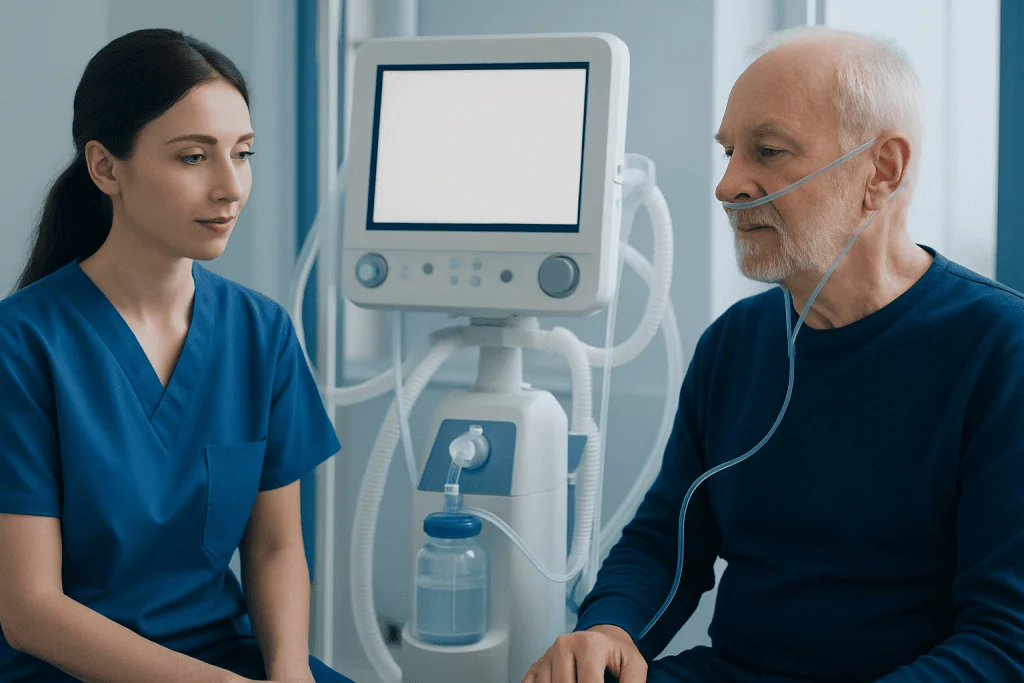
Among non-drug approaches, the strongest support is generally for breathing retraining, structured physical activity, and pulmonary rehabilitation. Pursed-lip breathing and diaphragmatic breathing may help some people feel less short of breath during activity. These techniques do not improve lung structure, but they can reduce air trapping and help patients control breathing more effectively.
Mind-body approaches may also be useful. Relaxation training, meditation, guided imagery, and gentle yoga can help some patients cope with anxiety, poor sleep, and fear related to breathlessness. Because anxiety can intensify the feeling of not getting enough air, learning calming techniques may make symptoms easier to manage even when lung function does not change.
Airway clearance strategies may benefit selected patients, especially those with heavy mucus. Staying well hydrated, using prescribed inhaled therapy correctly, and learning cough techniques from a respiratory therapist may be more helpful than unproven over-the-counter products. For patients who need a structured exercise and education program, pulmonary rehabilitation is one of the most evidence-based supportive options available.
- Pursed-lip breathing during exertion
- Diaphragmatic breathing with professional guidance
- Regular walking or supervised exercise
- Stress-reduction practices such as mindfulness
- Airway clearance education when mucus is a major problem
Herbs, Supplements, and Complementary Therapies
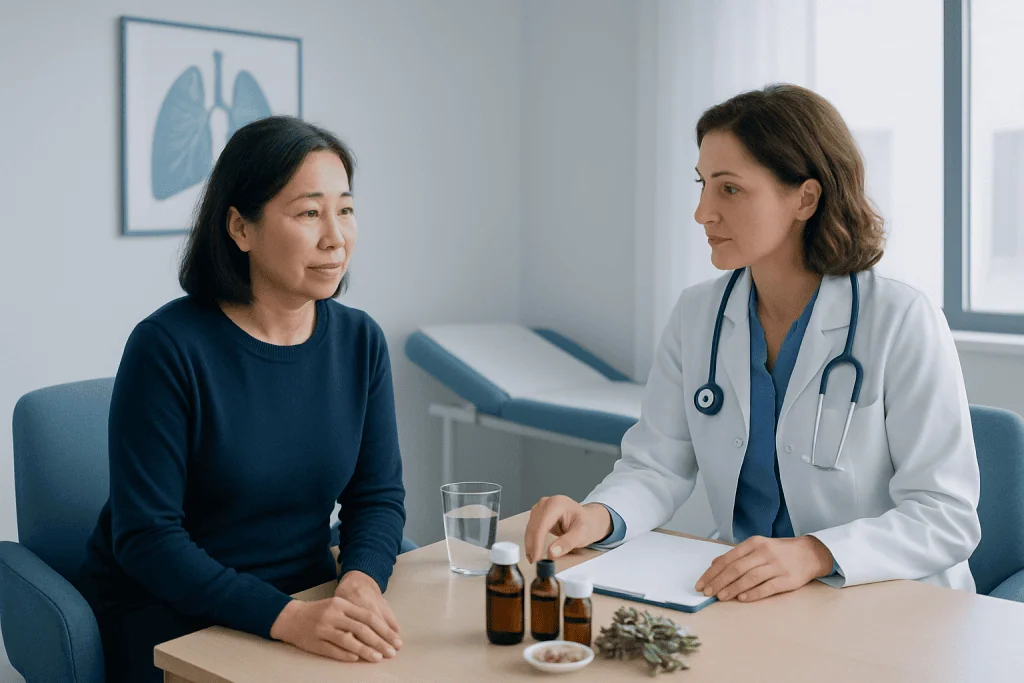
Many patients ask about herbs, vitamins, essential oils, or traditional remedies. Some supplements are being studied for inflammation, muscle weakness, or poor nutrition in COPD, but evidence is often limited, mixed, or too weak to recommend routine use for all patients. A product described as natural is not automatically safe, and quality can vary widely between brands.
Herbal preparations may interact with inhalers, blood thinners, heart medicines, sedatives, diabetes drugs, or treatments used during COPD flare-ups. Essential oils and strong fragrances can also irritate sensitive airways and trigger cough or wheeze in some people. Steam inhalation is another common home remedy, but very hot steam can cause burns and does not treat the underlying disease.
If a patient is considering a supplement, it is sensible to review it with a doctor or pharmacist first. The discussion should include the exact product, ingredients, reason for use, and any liver, kidney, heart, or bleeding risks. In practice, clinicians are usually more comfortable with supportive measures that have low risk and clear goals than with poorly studied remedies making broad claims.
Lifestyle Measures That Often Matter More Than Supplements
For most people with COPD, the most effective “natural” steps are not found in a bottle. Stopping smoking, avoiding secondhand smoke, staying active, eating well, sleeping adequately, and reducing exposure to indoor and outdoor air pollutants can make a meaningful difference in symptoms and flare-up risk. These actions support the lungs, heart, muscles, and immune system together.
Nutrition deserves special attention because COPD can increase the energy needed for breathing. Some patients lose weight and muscle mass, while others gain weight and find movement harder. Smaller, balanced meals may be easier to tolerate than large meals that increase fullness and discomfort with breathing. A dietitian can help tailor an eating plan to strength, weight goals, and other conditions such as diabetes or heart disease.
Vaccination is another important preventive measure that some patients overlook when searching for alternative solutions. Influenza, pneumonia, COVID-19, and other respiratory infections can trigger serious exacerbations. Good hand hygiene, regular sleep, and sensible activity pacing are simple but meaningful self-care practices that often provide more benefit than unproven remedies.
How COPD Is Diagnosed and Monitored
Because breathlessness and cough can have several causes, proper diagnosis is essential before trying to manage symptoms with home or alternative approaches. Clinicians usually begin with a medical history, smoking history, symptom review, physical examination, and breathing tests. The key test is spirometry, which helps confirm airflow limitation and estimate severity.
Additional tests may include pulse oximetry, chest imaging, blood tests, or exercise assessment, especially if symptoms are changing or another condition is suspected. COPD can overlap with asthma, heart disease, sleep problems, or recurrent infections, and each of these may require a different treatment plan. Patients may also find it helpful to review related lung concerns such as chronic bronchitis when discussing chronic cough and mucus production.
Monitoring continues after diagnosis. Doctors look at symptoms, flare-up frequency, inhaler technique, oxygen levels, activity tolerance, and nutrition. This ongoing review helps identify which supportive measures are helping and which should be stopped. If advanced assessment or treatment is needed, patients may be referred for chest diseases care or other specialist evaluation.
Standard Treatments Remain the Foundation
Even when patients are interested in complementary care, standard treatment remains the foundation of COPD management. Depending on severity and symptoms, treatment may include short-acting and long-acting bronchodilator inhalers, inhaled corticosteroids in selected cases, vaccinations, oxygen therapy, pulmonary rehabilitation, and treatment of flare-ups or infections. Correct inhaler technique is especially important because a medicine cannot work well if it does not reach the lungs properly.
Exercise-based rehabilitation is one of the clearest examples of a therapy that improves daily function without claiming to cure the disease. These programs typically combine supervised activity, breathing education, energy-conservation strategies, and emotional support. Patients with severe disease or selected structural lung problems may also need specialist procedures or surgery; in these situations, referral pathways such as lung transplant evaluation may occasionally be discussed for advanced cases.
Some people use alternative remedies because they feel conventional treatment has not helped enough. Often, the issue is not treatment failure but undertreatment, poor inhaler technique, untreated anxiety, missed rehabilitation, or another overlapping condition. Reassessing the overall plan with a pulmonologist can be more useful than adding multiple supplements without a clear purpose.
How to Use Integrative Care Safely
A practical way to approach COPD alternative remedies is to choose one supportive measure at a time, define a goal, and review the result after several weeks. A goal might be walking farther, sleeping better, reducing anxiety, or improving recovery after activity. This avoids confusion and makes it easier to tell whether a remedy is helpful, neutral, or causing side effects.
Patients should keep a current list of inhalers, tablets, supplements, teas, and topical products and share it at each appointment. This is especially important before surgery, during a flare-up, or if antibiotics or steroids are prescribed. Symptoms such as palpitations, dizziness, stomach upset, rash, or increased wheezing after starting a new remedy should prompt a discussion with a healthcare professional.
Near the end of the care pathway, some patients seek coordinated support from respiratory physicians, rehabilitation teams, dietitians, and imaging specialists. Acibadem International’s multidisciplinary specialists and JCI-accredited hospitals diagnose and treat respiratory conditions for international patients, with care plans that can incorporate appropriate supportive strategies alongside standard treatment.
When to Seek Medical Care
Patients should not rely on home or alternative remedies during a possible COPD flare-up or medical emergency. Prompt medical care is important if breathing suddenly worsens, rescue inhalers are not helping as expected, lips or fingertips look blue, chest pain develops, or the person becomes confused, unusually sleepy, or difficult to wake. These signs can indicate low oxygen, infection, or another serious problem.
Medical review is also needed for fever, increased cough, a marked change in sputum color or amount, swelling in the legs, unintended weight loss, or reduced ability to perform normal activities. Even a gradual decline matters in COPD because early treatment may prevent a more severe exacerbation. Patients using oxygen should follow their prescribed plan and contact their care team if needs appear to change.
Routine follow-up is just as important as urgent care. A doctor can review whether symptoms are coming from COPD itself, poor inhaler technique, heart disease, reflux, sleep apnea, anxiety, or another issue. This helps ensure that complementary remedies are used in the right context and do not delay effective treatment.
Frequently asked questions
Can COPD alternative remedies cure COPD?
No. COPD alternative remedies do not cure COPD or reverse permanent lung damage. They may help some symptoms or improve coping, but they should be used alongside evidence-based medical care.
What natural approaches are most supported by evidence?
Breathing exercises, pulmonary rehabilitation, regular physical activity, smoking cessation, and good nutrition have the strongest practical support. Stress-reduction techniques may also help patients manage anxiety linked to breathlessness.
Are herbal supplements safe for people with COPD?
Not always. Herbal products can interact with prescription medicines and may irritate the airways or cause side effects. It is safest to discuss any supplement with a doctor or pharmacist before starting it.
Can essential oils help with COPD symptoms?
Some people find certain scents relaxing, but essential oils do not treat COPD itself. In sensitive patients, strong fragrances can trigger cough, wheezing, or shortness of breath, so caution is important.
Should a person stop inhalers if they feel better with alternative remedies?
No. Prescribed inhalers and other COPD treatments should not be stopped unless a clinician advises it. Feeling better may reflect temporary symptom relief rather than control of the underlying disease.
When is breathlessness an emergency in COPD?
Emergency care is needed if breathlessness becomes suddenly severe, if lips or fingertips turn blue, if there is chest pain, or if confusion develops. These symptoms can signal a serious flare-up or another urgent medical problem.
References
- Global Initiative for Chronic Obstructive Lung Disease
- American Lung Association
- National Heart, Lung, and Blood Institute
- Centers for Disease Control and Prevention
- National Center for Complementary and Integrative Health
This article is for general information only and is not a substitute for professional medical advice. Please consult a qualified doctor about your individual situation.
Explore treatments in Turkey — costs, top hospitals & a free quote
JCI-accredited · board-certified surgeons · reply within 24h
Add us as a Preferred Source to see more of our trusted health content across Google Search, AI Overviews and Discover.