Pustules — Explained by Medical Evidence, Not Myths

Pustules are pus-filled bumps that usually form when the skin becomes inflamed or infected. Acne is a common cause, but pustules can also occur with folliculitis, rashes, or certain infections.
Key Takeaways
- Pustules are pus-filled bumps that usually form when the skin becomes inflamed or infected.
- Acne is a common cause, but pustules can also occur with folliculitis, rashes, or certain infections.
- It is best not to squeeze pustules, as this may worsen inflammation and increase the risk of scarring.
- Treatment depends on the cause and may include gentle skin care, topical medicines, or prescription treatment.
- Medical assessment is important if pustules are widespread, painful, recurrent, or associated with fever.
Pustules are small raised skin bumps that contain pus, usually caused by inflammation, infection, or blocked hair follicles. They are common in acne, but they can also appear with other skin conditions, so the best treatment depends on the underlying cause.
Overview: what pustules are and what they usually mean
Pustules are small, raised skin lesions that contain pus. The pus is made up of inflammatory cells, fluid, and debris, and it forms when the body responds to irritation, blocked follicles, or infection. In everyday terms, a pustule often looks like a red bump with a white or yellow center.
Many people associate pustules with acne, and that is often correct. However, pustules are not a diagnosis by themselves. They are a visible skin sign that can appear in several conditions, including acne, inflamed hair follicles, contact irritation, and some bacterial, fungal, or viral skin problems.
The key point is that pustules are usually treatable, but the right approach depends on why they appeared. A few isolated pustules may improve with simple skin care, while widespread, painful, or recurring pustules may need medical evaluation to identify the cause and prevent complications such as skin discoloration or scarring.
How pustules look and how they differ from other skin bumps
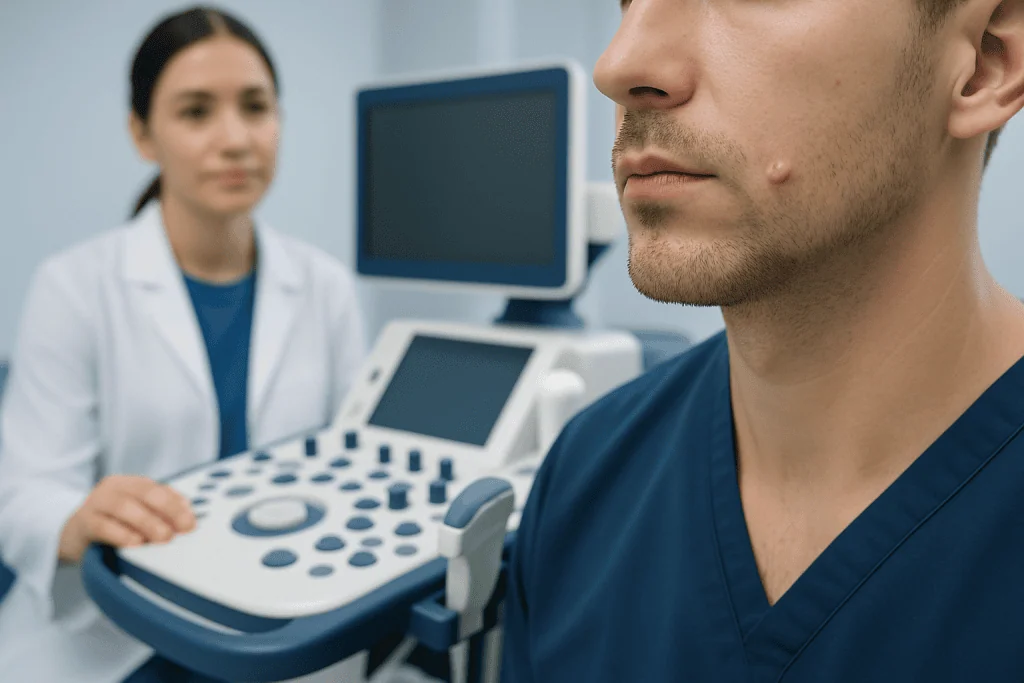
Pustules are often confused with other common skin lesions. A pustule contains visible pus and usually sits on an inflamed, red base. This makes it different from a papule, which is a small raised bump without visible fluid, and from a vesicle, which is filled with clear fluid rather than pus.
They can vary in size and may appear alone or in clusters. Some are tender, itchy, or mildly painful, while others cause little discomfort. They may form on the face, chest, shoulders, back, scalp, buttocks, or any area where hair follicles and oil glands are present.
It can help to think of pustules as a reaction pattern rather than a single disease. In acne, they form when pores become blocked and inflamed. In folliculitis, they develop around hair follicles. In infections or inflammatory skin disease, they may appear with redness, crusting, scaling, or a spreading rash.
- Pustule: pus-filled raised bump
- Papule: solid inflamed bump without visible pus
- Vesicle: small blister with clear fluid
- Nodule or cyst: deeper lump under the skin, often more painful
Common causes of pustules

The most common cause of pustules is acne. In acne, oil, dead skin cells, and bacteria contribute to blockage and inflammation within the hair follicle. This can lead to whiteheads, blackheads, papules, and pustules. For some people, pustules are the main visible sign of acne.
Another frequent cause is folliculitis, which is inflammation of the hair follicles. Folliculitis may develop after shaving, friction, sweating, hot tub exposure, or bacterial or fungal overgrowth. It often causes small pustules centered around hairs and may feel itchy or sore.
Pustules may also appear in inflammatory skin conditions such as rosacea, perioral dermatitis, or certain forms of eczema and psoriasis. Less commonly, they can be linked to skin infections such as impetigo, fungal rashes, or viral conditions. In rare cases, medicines, immune-related conditions, or generalized skin eruptions can trigger widespread pustules.
Because several different problems can look similar, it is not always possible to identify the cause by appearance alone. When pustules keep returning, spread quickly, or do not improve with routine care, a clinician may need to assess whether the problem is acne, folliculitis, infection, or another inflammatory skin disorder.
Risk factors and triggers
Several factors make pustules more likely to form. Oily skin, hormonal changes, sweating, friction from tight clothing, and products that block pores can all contribute. In acne-prone skin, stress and some cosmetics may aggravate breakouts, even though they are not usually the sole cause.
Shaving, waxing, or repeated rubbing can irritate hair follicles and trigger pustules, especially on the beard area, legs, scalp, or groin. Warm, humid conditions may also encourage bacterial or fungal overgrowth. In some people, frequent touching or picking at the skin worsens inflammation and increases the chance of marks and scars.
Certain medicines, immune suppression, or underlying health conditions can increase susceptibility to skin infections or unusual pustular eruptions. People with chronic inflammatory skin disease may also notice flare-ups related to triggers such as harsh skin care products, topical steroid misuse on the face, or prolonged occlusion from helmets, masks, or sports equipment.
How doctors diagnose the cause
Diagnosis usually begins with a skin examination and a discussion of symptoms, timing, and triggers. A doctor may ask where the pustules started, whether they itch or hurt, whether there is fever or drainage, and what products or medicines are being used. The pattern on the skin often gives important clues.
In many cases, no extensive testing is needed. Acne and mild folliculitis can often be diagnosed clinically. If the rash is unusual, severe, recurrent, or not responding to treatment, the clinician may take a skin swab, culture, or sample to look for bacterial or fungal causes. Occasionally, blood tests or a skin biopsy are needed if an inflammatory or immune-related condition is suspected.
Seeing a specialist can be especially helpful when pustules affect large areas, leave scars, or occur along with redness, scaling, burning, or repeated outbreaks. A dermatology evaluation may guide more targeted care, including options such as dermatology assessment and treatment when the diagnosis is uncertain or symptoms are persistent.
Treatment options for pustules
Treatment depends on the cause, severity, and location of the pustules. For acne-related pustules, first-line care often includes gentle cleansing and non-comedogenic skin care, along with topical medicines that reduce pore blockage and inflammation. Depending on the situation, a doctor may recommend ingredients such as benzoyl peroxide, retinoids, or other prescription creams or gels.
If pustules are caused by folliculitis or a skin infection, treatment may be different. Antiseptic washes, topical antibiotics, antifungal treatment, or oral medicines may be considered when indicated. Deeper, painful, or spreading infections should not be self-treated for long without medical advice.
For inflammatory conditions such as rosacea or dermatitis, identifying the underlying disorder matters more than treating the pustule alone. In these cases, clinicians focus on reducing triggers and controlling inflammation with condition-specific therapy. For persistent acne that risks scarring, a doctor may discuss structured acne treatment options.
One general rule applies across most causes: squeezing or picking pustules is not recommended. This can push inflammation deeper, delay healing, and increase the likelihood of infection, scarring, and post-inflammatory dark marks.
Self-care and prevention
Good skin care can help reduce new pustules and support healing. Gentle washing once or twice daily is usually enough. Harsh scrubbing, frequent cleansing, or strong home remedies may irritate the skin barrier and make inflammation worse. It also helps to use oil-free or non-comedogenic makeup, sunscreen, and moisturizers when acne is a concern.
People who develop pustules around hair follicles may benefit from changing shaving habits, avoiding tight clothing, showering after heavy sweating, and keeping sports gear clean. If a product seems to trigger breakouts or irritation, stopping it and discussing alternatives with a clinician is sensible.
Prevention is also about avoiding skin trauma. Picking, squeezing, or using abrasive tools can increase redness and healing time. If pustules recur often, a clinician may suggest a longer-term skin plan rather than repeated short-term self-treatment. In some cases, broader care through skin care and dermatology services can help identify triggers and prevent ongoing flare-ups.
When to seek medical care
Medical care is a good idea if pustules are widespread, very painful, rapidly spreading, or associated with fever, swelling, or warmth. These features can suggest a more significant infection or a condition that needs prescription treatment. Care is also important if pustules involve the eyes, lips, genitals, or large areas of the body.
A doctor should also evaluate pustules that keep returning, leave scars, or do not improve after a reasonable period of gentle self-care. Persistent facial pustules may sometimes reflect rosacea or dermatitis rather than acne, and treatment differs. Repeated outbreaks on the scalp, chest, back, or groin may point to folliculitis or another underlying problem.
For international patients who need specialist evaluation, Acibadem International’s multidisciplinary specialists in JCI-accredited hospitals diagnose and treat a wide range of skin conditions in a coordinated setting. Timely assessment can help clarify the cause and guide appropriate, evidence-based care.
Frequently asked questions
Are pustules the same as pimples?
A pustule is one type of pimple, but not every pimple is a pustule. Pimples can include blackheads, whiteheads, papules, nodules, and cysts, while pustules specifically contain visible pus.
Should pustules be popped?
It is generally best not to pop pustules. Squeezing can worsen inflammation, spread bacteria, delay healing, and increase the risk of scars or dark marks.
Can pustules go away on their own?
Some small pustules can improve on their own, especially if the trigger is mild and the skin is left undisturbed. However, recurrent or widespread pustules often need treatment directed at the underlying cause.
Do pustules always mean an infection?
No, pustules do not always mean a true infection. They can form from sterile inflammation, as in acne or certain inflammatory rashes, although bacterial or fungal causes are also possible.
What is the difference between pustules and folliculitis?
Pustules are a type of lesion, while folliculitis is a condition affecting hair follicles. Folliculitis often causes pustules, but pustules can also appear in acne, rosacea, and other skin disorders.
When are pustules a reason to see a doctor?
A doctor should assess pustules if they are painful, spreading, recurrent, causing scars, or associated with fever or significant redness. Medical advice is also important when self-care does not help or when the diagnosis is unclear.
References
- American Academy of Dermatology
- National Institute of Arthritis and Musculoskeletal and Skin Diseases
- Mayo Clinic
- Merck Manual Consumer Version
This article is for general information only and is not a substitute for professional medical advice. Please consult a qualified doctor about your individual situation.
Hair transplant in Turkey — costs, graft counts & a free assessment
JCI-accredited · board-certified surgeons · reply within 24h
Add us as a Preferred Source to see more of our trusted health content across Google Search, AI Overviews and Discover.

More from the Health Library

Steam Room: An Evidence-Based Guide for Patients

Lice Life Cycle: An Evidence-Based Guide for Patients

Fugue State: A Complete Medical Overview

Penis Envy: What Patients Need to Know

Albumin — Explained by Medical Evidence, Not Myths