Folliculitis Scalp: Symptoms, Causes, and Treatment Options

Folliculitis scalp refers to inflamed hair follicles on the scalp and may look like acne-like bumps or small pustules. Common triggers include bacteria, yeast, sweat, friction, occlusive hair products, and shaving or scratching.
Key Takeaways
- Folliculitis scalp refers to inflamed hair follicles on the scalp and may look like acne-like bumps or small pustules.
- Common triggers include bacteria, yeast, sweat, friction, occlusive hair products, and shaving or scratching.
- Mild cases may improve with gentle scalp care, but persistent or painful symptoms should be assessed by a doctor.
- Treatment can include medicated shampoos, topical medicines, or oral treatment depending on the cause and severity.
- Early care may help reduce discomfort, recurrence, and the risk of scarring or temporary hair loss.
Folliculitis scalp is inflammation of the hair follicles on the scalp, often causing small bumps, itching, soreness, or pimple-like spots. It is usually manageable, but the right treatment depends on whether the trigger is bacterial, fungal, irritant-related, or linked to an underlying skin condition.
What is folliculitis scalp?
Folliculitis scalp is inflammation of the hair follicles on the scalp. Hair follicles are the small openings in the skin where hairs grow. When these follicles become irritated or infected, they can form red bumps, tender spots, or small pus-filled pimples.
This condition is common and can affect people of any age. In many cases, scalp folliculitis is mild and short-lived. However, some people develop recurring symptoms, deeper inflammation, or patches that feel sore and crusted, which may need medical evaluation.
Scalp folliculitis is not a single disease with one cause. It is a pattern of inflammation that can be triggered by bacteria, yeast, friction, oils, sweat, or underlying skin disorders. Because different causes can look similar, diagnosis often depends on the pattern, duration, and severity of symptoms.
How scalp folliculitis looks and feels
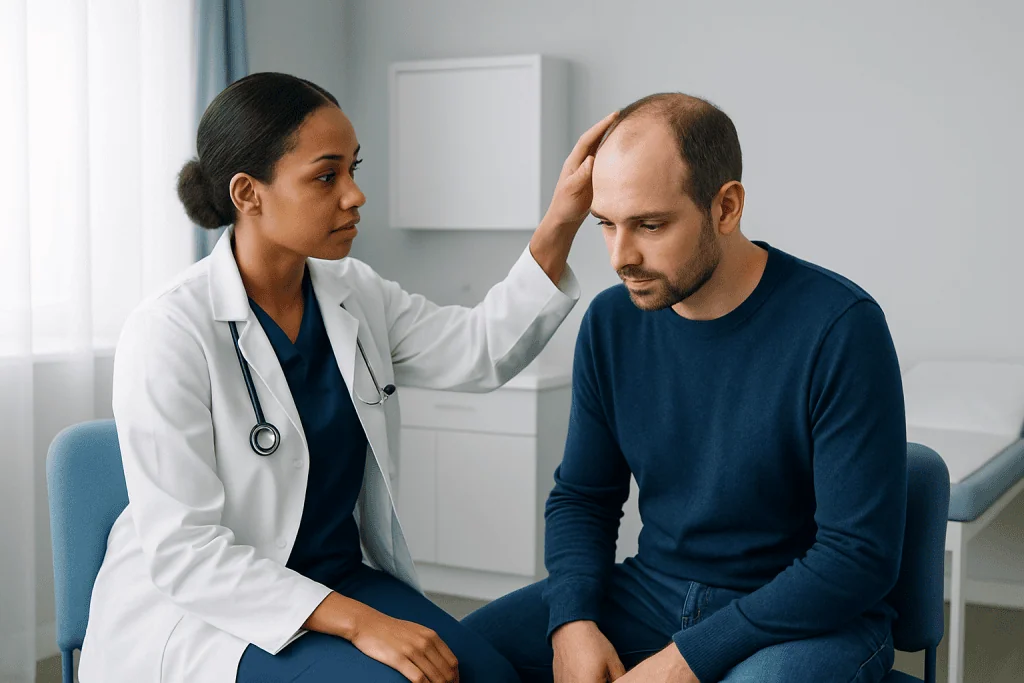
The symptoms of scalp folliculitis can vary from subtle to more uncomfortable. Some people notice only a few itchy bumps near the hairline, while others develop clusters of inflamed follicles across larger areas of the scalp. Symptoms may come and go, or they may persist for weeks.
Common signs and symptoms include:
- Small red or skin-colored bumps on the scalp
- Pimple-like spots or pustules around hair follicles
- Itching, burning, or stinging
- Tenderness or pain when touching the scalp
- Crusting, flaking, or oozing in irritated areas
- A feeling of tightness or sensitivity of the scalp
More severe inflammation may lead to larger, deeper nodules or temporary hair shedding in the affected area. In long-standing cases, especially when lesions are repeatedly scratched or become deeply inflamed, scarring can occur. This is one reason persistent scalp symptoms should not be dismissed as “just dandruff” or simple irritation.
Causes and risk factors
Folliculitis scalp develops when hair follicles are damaged, blocked, or invaded by microorganisms. A common cause is bacteria, especially Staphylococcus aureus. Yeast, including Malassezia, may also play a role in some people, particularly when the scalp is oily or prone to dandruff-like scaling.
Noninfectious triggers are also important. Sweat, heat, tight hats or helmets, frequent scratching, shaving, and heavy hair products can irritate follicles and create an environment where inflammation develops. Oils, pomades, and styling products may trap debris and worsen blockage around follicles in some people.
Several factors can increase the risk of scalp folliculitis:
- Oily scalp or excessive sweating
- Hot, humid conditions
- Occlusive headwear or friction from sports gear
- Shaving or closely trimming the scalp
- Use of greasy or heavy hair products
- Underlying skin conditions such as dandruff or eczema
- Diabetes or conditions that affect immune function
- Recent antibiotic use, which may alter skin flora in some cases
Sometimes scalp folliculitis overlaps with other scalp conditions and needs to be distinguished from problems such as seborrheic dermatitis or inflammatory forms of hair loss. Deep or chronic scalp inflammation may require assessment by a dermatologist to rule out less common disorders.
How doctors diagnose folliculitis scalp
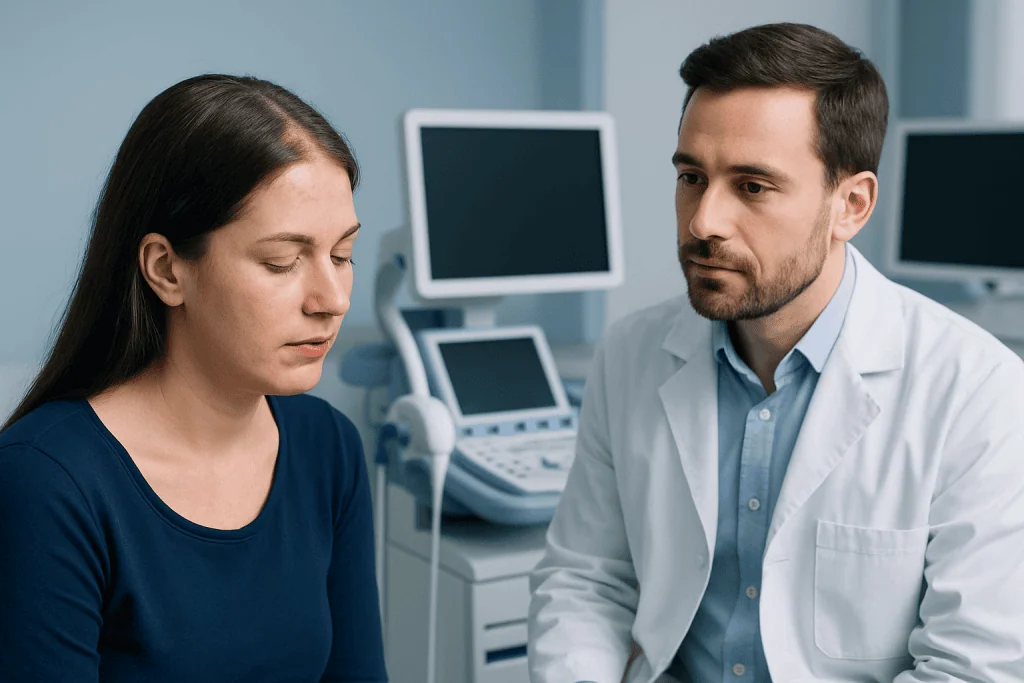
Diagnosis usually begins with a medical history and careful scalp examination. A doctor will ask when the bumps started, whether they itch or hurt, what hair products are used, and whether there is shaving, sweating, helmet use, or a history of recurrent skin infections. This information often helps narrow down the cause.
During the examination, the clinician looks at the size, depth, distribution, and appearance of the lesions. Some cases are diagnosed clinically, meaning the pattern is typical enough that testing is not always needed. If symptoms are persistent, severe, or not responding to initial treatment, additional tests may help.
These tests can include a swab or culture of pus to identify bacteria, fungal testing when yeast or ringworm is suspected, or rarely a skin biopsy if another inflammatory scalp condition is possible. If there is concern about associated hair loss, the doctor may also evaluate for conditions that can mimic folliculitis, such as alopecia.
Treatment options for scalp folliculitis
Treatment for folliculitis scalp depends on the underlying cause, how widespread the inflammation is, and whether there are complications such as pain, crusting, or hair loss. Mild cases may improve with gentle scalp hygiene and avoidance of triggers, while moderate or recurrent cases often need medical treatment.
Doctors may recommend medicated shampoos, antiseptic washes, or topical treatments to reduce bacteria, yeast, and inflammation. When infection appears more extensive or deeper, oral medicines may be considered. If another scalp disease is contributing, treatment should address that problem as well. In selected cases, a specialist may combine medicines with targeted evaluation through dermatology care.
Possible treatment approaches include:
- Gentle cleansing and stopping irritating or greasy products
- Medicated shampoos for scalp scaling, oiliness, or yeast overgrowth
- Topical antibiotic or antiseptic preparations for limited bacterial folliculitis
- Topical anti-inflammatory treatment when irritation is prominent
- Oral antibiotics for more extensive or recurrent bacterial cases
- Antifungal treatment if a fungal cause is suspected
- Management of related scalp conditions such as dandruff, acne, or eczema
People with deep, painful, or repeatedly recurring lesions may need closer follow-up to help prevent scarring. When diagnosis is uncertain or the scalp is changing in a more complex way, supportive assessment with hair and scalp evaluation or, if needed, skin biopsy may help clarify the cause and guide treatment.
Self-care and prevention
Self-care does not replace medical treatment, but it can support healing and lower the chance of recurrence. The most helpful steps are usually simple: keep the scalp clean, reduce friction, and avoid products or habits that seem to trigger flare-ups. Scratching can worsen inflammation and increase the risk of secondary infection.
Preventive care often focuses on protecting the scalp barrier. This means choosing mild shampoos unless a doctor suggests medicated ones, rinsing after sweating, and avoiding very tight hats or headgear when possible. People who shave the scalp may benefit from gentler shaving methods and clean equipment.
- Wash the scalp regularly with a mild cleanser suited to the hair type
- Shower after exercise or heavy sweating
- Avoid sharing combs, hats, or hair tools
- Limit heavy oils, pomades, or residue-forming styling products if they worsen symptoms
- Do not squeeze or pick at bumps
- Use clean razors and avoid shaving too closely if shaving triggers irritation
If a person has frequent flare-ups, keeping a simple symptom diary can be useful. Noting exercise, weather, new products, and grooming habits may reveal patterns that help a clinician recommend more targeted prevention.
When to seek medical care
Medical advice is a good idea if scalp bumps are painful, spreading, or not improving with basic care. Professional assessment is also important when pustules keep returning, when there is significant itching or crusting, or when over-the-counter products seem to make the scalp worse rather than better.
Prompt evaluation is especially important if there are signs of deeper inflammation, such as large tender lumps, draining areas, fever, or noticeable hair thinning in the affected spots. These features may suggest a more severe infection or another scalp disorder that needs specific treatment.
Anyone with diabetes, a weakened immune system, or recurrent skin infections should be more cautious and seek care early. For international patients who need specialist assessment, Acibadem International’s multidisciplinary specialists and JCI-accredited hospitals diagnose and treat scalp and skin conditions with an individualized approach.
Frequently asked questions
Is folliculitis scalp contagious?
Folliculitis scalp itself is not always contagious. However, if it is caused by certain bacteria or fungi, the underlying infection may sometimes spread through close contact or shared personal items. Good hygiene and not sharing combs, hats, or razors can help reduce that risk.
Can scalp folliculitis cause hair loss?
Mild scalp folliculitis does not usually cause permanent hair loss. In more severe, deep, or long-lasting cases, inflammation can lead to temporary shedding and, less commonly, scarring that affects regrowth. Early diagnosis and treatment can help protect the follicles.
What is the difference between dandruff and scalp folliculitis?
Dandruff mainly causes flaking and sometimes itching, while scalp folliculitis typically causes bumps or pustules centered around hair follicles. The two conditions can occur together, and oily, flaky scalp skin may contribute to follicle irritation in some people. A doctor can help tell them apart when symptoms overlap.
Will scalp folliculitis go away on its own?
Some mild cases may settle with gentle scalp care and removal of triggers such as friction or heavy products. But if symptoms persist, recur, or become painful, medical treatment may be needed. Ongoing or worsening lesions should be assessed rather than repeatedly self-treated.
What should be avoided if someone has folliculitis scalp?
It is usually best to avoid scratching, picking, very close shaving, and heavy hair products that seem to clog or irritate the scalp. Tight headwear and delayed showering after heavy sweating may also worsen symptoms for some people. Avoiding these triggers can support healing.
Are antibiotics always needed for folliculitis scalp?
No. Antibiotics are not always necessary because not every case is caused by bacteria, and some mild cases improve with scalp care or topical treatment. A doctor decides on the best treatment based on the likely cause, severity, and response to earlier measures.
References
- American Academy of Dermatology
- National Health Service
- MedlinePlus
- Merck Manual Consumer Version
This article is for general information only and is not a substitute for professional medical advice. Please consult a qualified doctor about your individual situation.
Folliculitis in Turkey — costs, top hospitals & a free quote
JCI-accredited · board-certified surgeons · reply within 24h
Add us as a Preferred Source to see more of our trusted health content across Google Search, AI Overviews and Discover.