Radiotherapy Radiation Oncology — Explained by Medical Evidence, Not Myths
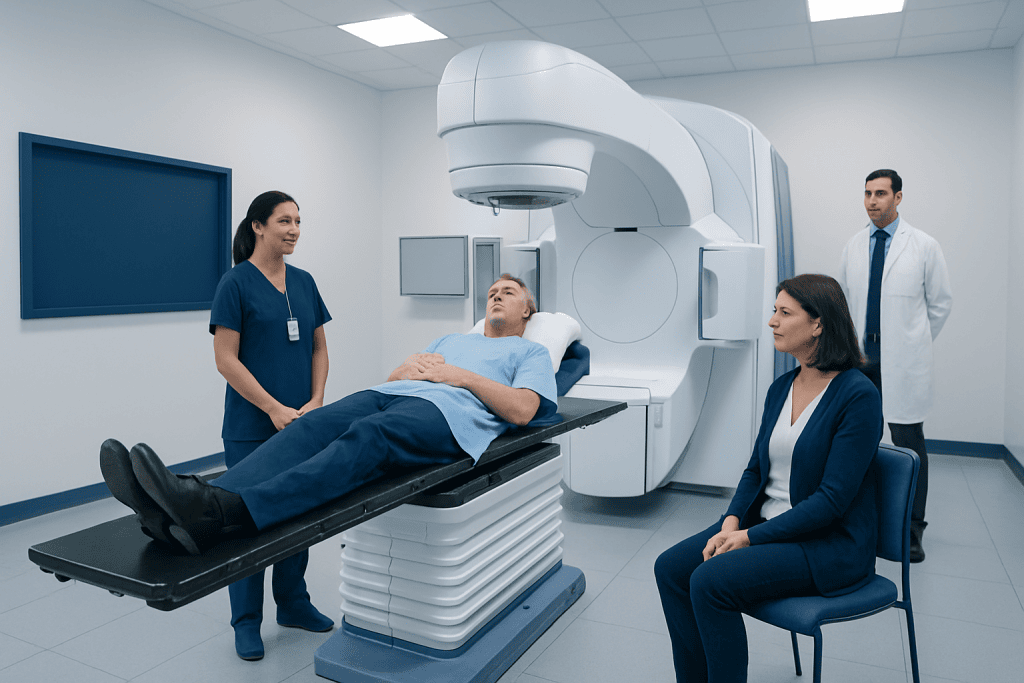
Radiotherapy uses targeted high-energy radiation to damage cancer cells and limit their ability to grow. Radiation oncology is the specialty that plans and delivers this treatment safely and precisely.
Key Takeaways
- Radiotherapy uses targeted high-energy radiation to damage cancer cells and limit their ability to grow.
- Radiation oncology is the specialty that plans and delivers this treatment safely and precisely.
- Treatment may be given alone or combined with surgery, chemotherapy, immunotherapy, or hormone therapy.
- Side effects depend on the area treated and are often manageable with supportive care.
- Not all radiation is the same; common approaches include external beam radiotherapy and brachytherapy.
- A personalized treatment plan is based on imaging, tumor type, stage, and the goals of care.
Radiotherapy radiation oncology is the medical use of carefully planned radiation to treat cancer and, in some cases, relieve symptoms. Modern radiation oncology is evidence-based, precise, and tailored to the type of cancer, its location, and the person’s overall health.
Overview: what radiotherapy radiation oncology means
Radiotherapy radiation oncology refers to the branch of cancer care that uses high-energy radiation to treat disease, most often cancer. In simple terms, radiotherapy works by damaging the genetic material inside cancer cells so they cannot keep dividing in the usual way. Healthy cells can also be affected, but treatment is designed to target the tumor as accurately as possible and give normal tissues time to recover.
Radiation oncology is the medical specialty responsible for planning and delivering radiotherapy. The team commonly includes a radiation oncologist, medical physicists, dosimetrists, radiation therapists, nurses, and other specialists. Together, they decide whether radiation is appropriate, how it should be given, and how to reduce side effects while aiming for the best outcome.
Radiotherapy can be used with different goals. It may be given to cure cancer, lower the chance of cancer returning after surgery, shrink a tumor before surgery, or relieve symptoms such as pain, bleeding, or pressure on nearby structures. This makes it an important part of treatment for many cancers, including selected cases of cancer affecting the breast, prostate, head and neck, lung, cervix, brain, skin, and other organs.
How radiotherapy works and why precision matters
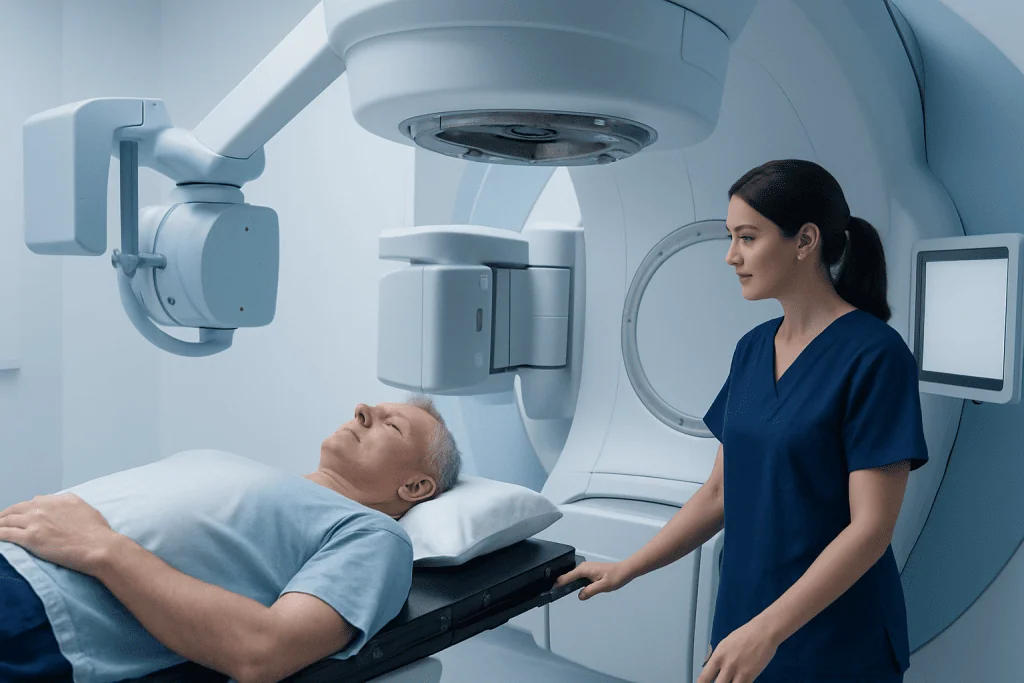
Radiation is a form of energy. In cancer treatment, carefully measured doses are directed at the tumor to injure cancer cell DNA. Because cancer cells are often less able than normal cells to repair this damage, they are more likely to stop growing or die over time. The effect is not always immediate, which is why tumor shrinkage and symptom improvement may continue after treatment has finished.
Modern radiation oncology relies on detailed imaging and computerized planning rather than a one-size-fits-all approach. Before treatment starts, specialists map the tumor and nearby healthy organs using scans such as CT, MRI, or PET. They then calculate beam angles, dose, and treatment shape so radiation reaches the target while limiting exposure to surrounding tissues.
This precision matters because every cancer is different. A small, well-defined tumor may be treated with highly focused therapy, while a larger area may require a broader field. In some situations, advanced approaches such as stereotactic radiosurgery or image-guided techniques can deliver very precise treatment to selected tumors, including some in the brain or spine, under the wider umbrella of radiation oncology treatment.
Types of radiotherapy used in cancer care
The most common type is external beam radiotherapy. A machine outside the body directs radiation at the tumor from specific angles. Treatment is painless during delivery and is usually given as a series of sessions over days or weeks, although some conditions are treated in fewer, higher-dose sessions. Techniques may include three-dimensional conformal radiotherapy, intensity-modulated radiotherapy, image-guided radiotherapy, or stereotactic treatment, depending on the cancer.
Another important method is brachytherapy, sometimes called internal radiation therapy. In this approach, a radiation source is placed inside the body or close to the tumor for a defined time or permanently in selected cases. Brachytherapy is used for certain cancers such as prostate, cervical, uterine, breast, and some head and neck cancers. Because the radiation source is close to the tumor, it can deliver a high dose to the target while reducing exposure to nearby tissues.
Some people also receive radiopharmaceutical therapy, in which a radioactive medicine travels through the bloodstream to specific tissues. This is different from standard external beam treatment and is used in selected cancers. The best method depends on the tumor’s location, stage, biology, previous treatments, and the goals of care. For some cancers, radiation is part of broader oncology care that may also involve surgery, systemic therapy, and supportive treatment.
- External beam radiotherapy: radiation delivered from outside the body
- Brachytherapy: radiation source placed in or near the tumor
- Stereotactic techniques: highly focused treatment for selected small targets
- Radiopharmaceuticals: radioactive medicines used in specific cancer settings
When radiotherapy is recommended
Radiotherapy may be recommended at different points in the cancer journey. It can be the main treatment for some cancers, especially when surgery is not possible or when organ preservation is important. In other cases, it is given after surgery to reduce the risk of local recurrence, or before surgery to shrink a tumor and improve the chances of complete removal.
Radiation is also often combined with other treatments. Chemotherapy, targeted therapy, hormone therapy, or immunotherapy may be used before, during, or after radiotherapy depending on the cancer type. The exact sequence is carefully planned because combining treatments can improve control in some situations but may also increase side effects, making monitoring essential.
Another key role is palliative radiotherapy, which aims to relieve symptoms and support quality of life. This may help with pain from bone metastases, bleeding from a tumor, pressure on nerves or the spinal cord, or breathing difficulty caused by airway obstruction. Palliative treatment is still based on clear medical goals and individualized planning, not on myths about radiation being a last resort.
What to expect before, during, and after treatment
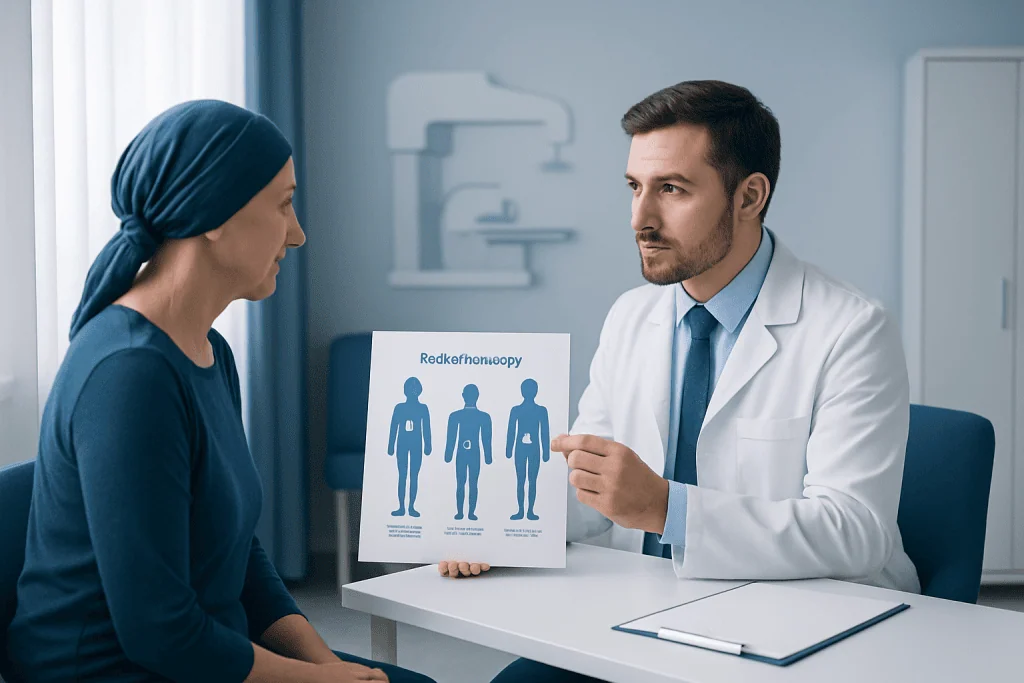
Before treatment begins, the person usually has a consultation with a radiation oncologist to review diagnosis, imaging, and treatment goals. If radiotherapy is appropriate, a planning appointment called simulation follows. During simulation, the team positions the body in a reproducible way, may create a custom mask or support device, and performs scans that guide the treatment plan.
During the treatment course, each session is typically brief, although setup and positioning may take longer than the actual radiation delivery. The treatment itself is not usually felt. Staff members monitor the person closely and check for side effects, nutritional issues, skin reactions, fatigue, or other concerns. Follow-up visits help assess response and decide whether additional treatment is needed.
After radiotherapy, recovery varies. Some side effects improve within weeks, while others take longer. The care team may arrange imaging and examinations to evaluate the tumor’s response over time. In complex cases, multidisciplinary specialists at Acibadem International and its JCI-accredited hospitals diagnose and treat cancer for international patients, coordinating radiotherapy with surgery, medical oncology, and supportive care when needed.
Benefits, limitations, and possible side effects
One reason radiotherapy is widely used is that it can be highly effective for local disease control. It may preserve organs and function in situations where surgery would be more invasive, and it can also provide meaningful symptom relief. For many cancers, radiation is an established part of treatment supported by long clinical experience and ongoing research.
At the same time, radiotherapy has limitations. It mainly treats the area being targeted, so cancers that have spread widely often require systemic treatment as well. Some tumors are more sensitive to radiation than others, and prior radiation to the same area may affect whether treatment can be repeated. These factors are considered carefully during planning.
Side effects depend on the body part treated, the total dose, the number of sessions, and other treatments being used. Common short-term effects may include tiredness, skin irritation in the treated area, soreness, hair loss only in the area treated, swallowing difficulty, bowel changes, or urinary symptoms. Possible long-term effects vary by site and may include scarring, changes in tissue flexibility, hormone effects, fertility concerns, or rare damage to nearby organs. The team explains these risks in context and offers ways to prevent or manage them.
- Short-term side effects often develop gradually during treatment
- Many side effects are temporary and improve after treatment ends
- Supportive care may include skin care advice, nutrition support, pain relief, and symptom medicines
- People should report new or worsening symptoms promptly rather than trying to manage severe issues alone
Common myths, evidence-based facts, and self-care
Radiotherapy is often misunderstood. One common myth is that all radiation treatment makes a person radioactive. In reality, standard external beam radiotherapy does not make the body radioactive, so it is generally safe to be around family members after treatment. Special instructions may be needed after some forms of brachytherapy or radiopharmaceutical therapy, but the team explains this clearly when relevant.
Another myth is that radiotherapy always causes severe burns or unbearable illness. Modern techniques are much more precise than older methods, and side effects differ widely depending on the treatment area and plan. While some people do experience discomfort, many continue much of their usual routine with adjustments for rest, skin care, nutrition, and symptom management.
Helpful self-care during treatment includes staying hydrated, eating enough protein and calories if appetite is reduced, protecting the treated skin from friction and sun unless the care team advises otherwise, and taking medicines as prescribed. It is also sensible to ask about work, exercise, fertility, sexual health, and travel, since these topics can often be managed with practical planning. People with questions about related approaches may also discuss whether therapies such as immunotherapy or surgery fit into their overall plan.
When to seek medical care
Anyone with a new cancer diagnosis or a recommendation for radiotherapy should seek assessment from a qualified oncology team rather than relying on myths or informal advice. A prompt review is especially important if symptoms are changing quickly, if there is significant pain, unexplained weight loss, bleeding, difficulty swallowing, shortness of breath, or symptoms that suggest pressure on the brain or spinal cord.
During radiotherapy, medical advice should be sought if side effects become difficult to manage, such as severe skin reactions, dehydration, fever, uncontrolled nausea or vomiting, worsening shortness of breath, new weakness, confusion, severe headache, or chest pain. These symptoms do not always mean a serious problem, but they should be checked promptly.
After treatment, regular follow-up remains important even if a person feels well. Follow-up helps detect recurrence, monitor late effects, and support recovery. Questions about the benefits and risks of treatment are best answered in person by the team who knows the cancer type, the treatment area, and the person’s medical history.
Frequently asked questions
Is radiotherapy the same as chemotherapy?
No. Radiotherapy uses targeted radiation to treat a specific area, while chemotherapy uses medicines that travel through the bloodstream to affect cancer cells throughout the body. Some people receive both treatments because they work in different ways.
Does external radiotherapy make a person radioactive?
No, standard external beam radiotherapy does not make the body radioactive. After each session, the person can usually be around other people as normal unless the care team gives special instructions for a different type of treatment.
How long does radiotherapy take?
The overall course varies by cancer type and treatment plan. Some people have a single session or a short course over a few days, while others have daily weekday treatments for several weeks. The treatment team explains the schedule before therapy begins.
Is radiotherapy painful?
The radiation itself is not usually felt during treatment. However, side effects such as skin irritation, soreness, swallowing discomfort, or fatigue can develop later depending on the area being treated. These symptoms can often be managed with supportive care.
Can radiotherapy cure cancer?
In some cases, yes. Radiotherapy can be used with curative intent either alone or combined with surgery and other cancer treatments. In other situations, it is used to control disease or relieve symptoms and improve quality of life.
What are the most common side effects of radiotherapy?
Common side effects include tiredness and symptoms related to the treatment area, such as skin changes, bowel changes, urinary symptoms, or throat soreness. Not everyone has the same experience, and many side effects improve after treatment ends.
This article is for general information only and is not a substitute for professional medical advice. Please consult a qualified doctor about your individual situation.
Oncology care in Turkey — second opinion and treatment plan
JCI-accredited · board-certified surgeons · reply within 24h
Add us as a Preferred Source to see more of our trusted health content across Google Search, AI Overviews and Discover.

More from the Health Library

Skinny Fat — Explained by Medical Evidence, Not Myths
Varicose Veins: What Patients Need to Know
Sit Ups: A Complete Medical Overview

Hives on Lips: A Complete Medical Overview
Cottage Cheese and Eggs — Explained by Medical Evidence, Not Myths
Tinnitus — Explained by Medical Evidence, Not Myths
Medical Oncology Specialists at Acibadem

Dr. Gülhan İpek Deniz
Medical Oncology
Assoc. Prof. Dr. Gürbüz Görümlü
Medical Oncology
Prof. Dr. H. Armağan Arıcan
Radiation Oncology
Prof. Dr. Handan Onur Topuzlu
Medical Oncology