Vivid Dreams: What Patients Need to Know

Vivid dreams are intense, memorable dreams that may feel realistic or emotionally strong. Common triggers include stress, sleep deprivation, irregular sleep schedules, alcohol, and some medications.
Key Takeaways
- Vivid dreams are intense, memorable dreams that may feel realistic or emotionally strong.
- Common triggers include stress, sleep deprivation, irregular sleep schedules, alcohol, and some medications.
- Occasional vivid dreams are usually not a sign of illness.
- Medical review is helpful if vivid dreams are frequent, distressing, linked to daytime symptoms, or occur with acting out dreams, breathing pauses, or sudden weakness.
Vivid dreams are dreams that feel unusually clear, emotional, or lifelike. They are common and often harmless, but frequent or distressing vivid dreams can sometimes point to stress, medication effects, poor sleep, or an underlying sleep or mental health condition.
Overview: what vivid dreams are
Vivid dreams are dreams that seem unusually detailed, intense, or realistic. A person may remember the setting, emotions, colors, or conversations very clearly after waking. These dreams can be pleasant, strange, or upsetting, but by themselves they are usually a normal part of sleep.
Most vivid dreams happen during rapid eye movement, or REM, sleep. During this stage, the brain is active, emotions are processed, and dream imagery can become especially rich. Many people notice vivid dreams from time to time, especially during periods of stress, sleep disruption, or life change.
What matters most is the overall pattern. A single night of vivid dreaming usually does not need medical attention. If dreams become frequent, disturbing, or linked to poor sleep, daytime tiredness, low mood, or unusual movements during sleep, it may be worth discussing them with a doctor.
How vivid dreams can feel
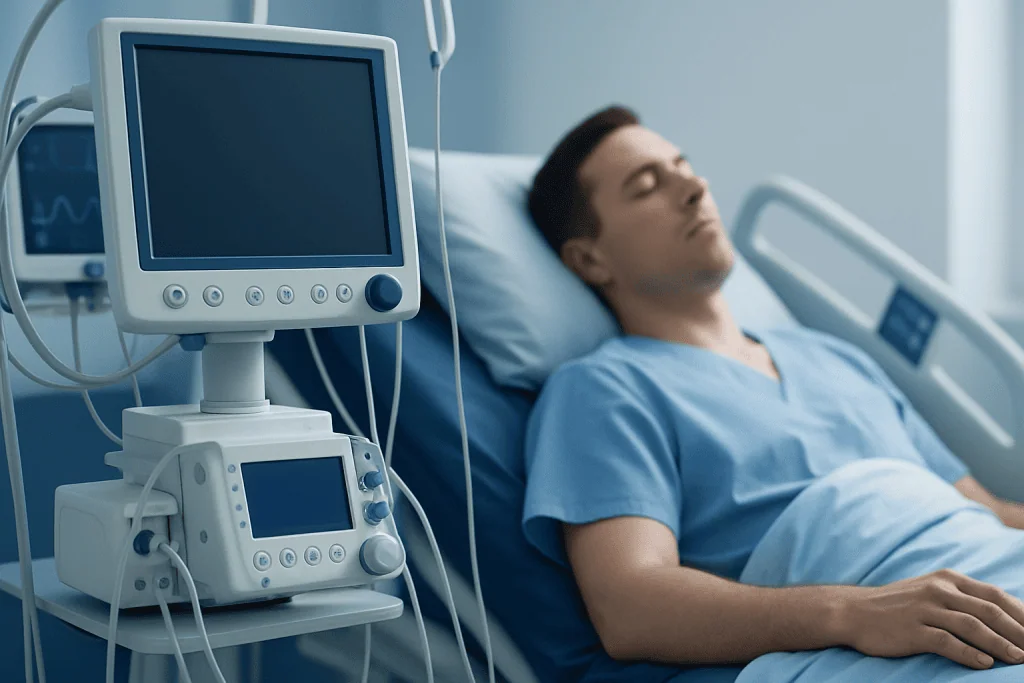
People describe vivid dreams in different ways. Some say the dream feels cinematic or lifelike. Others wake up with strong emotions such as fear, sadness, joy, embarrassment, or confusion, and those feelings may linger for several minutes or longer.
Vivid dreams can also be mistaken for nightmares, but the two are not exactly the same. A nightmare is a disturbing dream that usually wakes the person because of fear, threat, or anxiety. A vivid dream may be emotionally intense without being frightening.
Common features include:
- Clear recall of the dream after waking
- Strong sensory detail, such as sound, color, or movement
- Emotional intensity
- A sense that the dream was realistic or meaningful
- Temporary difficulty separating the dream from waking reality right after awakening
These experiences can occur in healthy sleepers. However, repeated distressing dreams, frequent nightmares, or dream-enactment behaviors deserve further evaluation, especially if sleep quality is affected.
Common causes and triggers

Vivid dreams often become more noticeable when sleep patterns change. Sleep deprivation, jet lag, shift work, and irregular bedtimes can increase REM pressure, meaning the brain may spend more intense periods in REM sleep when sleep finally occurs. This can make dreams easier to remember and feel more dramatic.
Stress is another common trigger. Emotional strain, grief, exams, major decisions, relationship difficulties, and recovery from illness can all influence dream content and intensity. Anxiety and mood changes may also increase awakenings during the night, making dreams more likely to be remembered.
Substances and medicines can play a role. Alcohol, recreational drugs, nicotine, caffeine taken late in the day, and certain prescribed medications may affect sleep stages or dream vividness. In some people, medicines used for mood, blood pressure, Parkinson’s disease, or smoking cessation are associated with unusually vivid dreams. A person should not stop prescription medication without medical advice.
Physical factors may contribute too. Fever, pregnancy, hormone changes, and sleep disorders can all alter sleep architecture. In some cases, vivid dreams occur alongside sleep apnea, insomnia, or other sleep conditions that fragment sleep and increase dream recall.
Vivid dreams and related sleep or mental health conditions
Although vivid dreams are often harmless, sometimes they appear as part of a broader sleep or health picture. Nightmares may be associated with stress-related conditions, trauma, anxiety disorders, depression, or periods of significant emotional distress. In children, vivid dreaming and nightmares are particularly common and often improve with reassurance and regular sleep routines.
Some people experience dream-enactment behaviors, such as talking, shouting, punching, kicking, or falling out of bed while dreaming. This is different from simply having vivid dreams and may suggest a parasomnia that needs medical evaluation. Acting out dreams can lead to injury and should not be ignored.
Vivid dreams can also occur with disrupted sleep caused by breathing pauses, restless sleep, or frequent awakenings. For example, a doctor may look for features of sleep disorders if a person also snores heavily, wakes gasping, has morning headaches, or feels excessively sleepy during the day.
In some cases, assessment may involve a sleep specialist, mental health professional, or neurologist. The goal is not to pathologize every unusual dream, but to identify when vivid dreams are part of a treatable condition rather than an isolated experience.
How doctors evaluate frequent vivid dreams
Evaluation usually begins with a clear sleep history. A doctor may ask when the vivid dreams started, how often they happen, whether they are pleasant or distressing, what medications or supplements are being used, and whether there are signs of snoring, breathing pauses, restless movements, or acting out dreams. Questions about mood, stress, alcohol use, and recent life events are also common.
Keeping a sleep diary for one to two weeks can be helpful. Recording bedtime, wake time, naps, caffeine or alcohol use, awakenings, and dream recall may reveal patterns. If the dreams began soon after a new medicine was started, the prescribing clinician may review possible side effects and discuss whether an alternative is appropriate.
Further testing is not needed for everyone. If symptoms suggest a sleep disorder, a doctor may recommend a formal sleep evaluation or sleep study to monitor breathing, movement, heart rhythm, and sleep stages overnight. This is especially useful when vivid dreams come with suspected sleep apnea, unusual behaviors during sleep, or severe daytime sleepiness.
Treatment and practical ways to reduce vivid dreams
Treatment depends on the cause. If vivid dreams are linked to stress, improving stress management and sleep consistency may help. If medication side effects are suspected, a doctor may review treatment options. When an underlying condition such as sleep apnea, insomnia, anxiety, depression, or trauma-related sleep disturbance is present, managing that condition is the most effective approach.
Basic sleep habits can make a meaningful difference:
- Keep a regular sleep and wake schedule, even on weekends
- Aim for adequate sleep rather than trying to catch up irregularly
- Limit caffeine late in the day and avoid heavy alcohol use
- Create a calm wind-down routine before bed
- Reduce screen exposure if it delays sleep
- Address stress through exercise, relaxation, mindfulness, or counseling when needed
If dreams are frequent and distressing, clinicians may recommend psychological approaches such as imagery rehearsal techniques for recurrent nightmares or treatment for coexisting anxiety or trauma. For people whose vivid dreams reflect broader sleep disruption, targeted care such as sleep apnea treatment or support for insomnia treatment may improve both sleep quality and dream intensity.
Near the end of evaluation, some people may benefit from multidisciplinary care. Acibadem International’s multidisciplinary specialists in JCI-accredited hospitals diagnose and treat sleep-related conditions for international patients when fuller assessment is needed.
When to seek medical care
Occasional vivid dreams are common and usually not a reason for concern. Medical advice is more important when dreams are happening often, causing fear or poor sleep, or leading to trouble functioning during the day. A person should also seek help if vivid dreams begin suddenly after a medication change or are accompanied by significant anxiety, depression, or trauma-related symptoms.
Prompt medical review is especially important if there are warning signs such as acting out dreams, injuring oneself or a bed partner, loud snoring, observed breathing pauses, waking up gasping, severe daytime sleepiness, sudden muscle weakness with emotions, or confusion after waking. These symptoms can suggest a sleep disorder or neurological issue that deserves proper assessment.
If a child is affected, parents should speak with a pediatrician when nightmares or vivid dreams are frequent, cause persistent bedtime fear, or occur alongside snoring, unusual movements, developmental concerns, or major changes in behavior. Reassurance is often enough, but persistent symptoms should not be dismissed.
Frequently asked questions
Are vivid dreams normal?
Yes. Many people have vivid dreams occasionally, especially during stressful periods or after disrupted sleep. On their own, vivid dreams are usually a normal sleep experience.
Why are my dreams suddenly so vivid?
A sudden change can happen with stress, sleep deprivation, schedule changes, fever, pregnancy, alcohol use, or a new medication. If the change persists or comes with poor sleep or daytime symptoms, a doctor can help look for a cause.
Do vivid dreams mean something is wrong with mental health?
Not necessarily. Vivid dreams can happen in healthy people, but they may be more common during anxiety, depression, grief, or trauma-related stress. The pattern, severity, and impact on daily life are more important than the dreams alone.
Can medications cause vivid dreams?
Yes. Some prescription medicines and substances can change sleep stages or make dreams easier to remember. A person should not stop a prescribed medicine without first speaking to the clinician who prescribed it.
What is the difference between vivid dreams and nightmares?
Vivid dreams are intense and realistic dreams that may be pleasant, neutral, or upsetting. Nightmares are specifically distressing dreams that usually wake the person because of fear, danger, or anxiety.
When should someone worry about vivid dreams?
Medical advice is a good idea if vivid dreams are frequent, highly distressing, or linked to daytime fatigue, mood changes, or sleep loss. Urgent evaluation is warranted if a person acts out dreams, gets injured during sleep, or has signs of breathing problems at night.
This article is for general information only and is not a substitute for professional medical advice. Please consult a qualified doctor about your individual situation.
Explore treatments in Turkey — costs, top hospitals & a free quote
JCI-accredited · board-certified surgeons · reply within 24h
Add us as a Preferred Source to see more of our trusted health content across Google Search, AI Overviews and Discover.
Check your numbers in seconds
BMI, calories, due date, blood pressure and 30+ more clinical calculators — free, instant, doctor-reviewed ranges.

More from the Health Library

Oxidative Damage Stress — Explained by Medical Evidence, Not Myths

Yellow Poop: What Patients Need to Know

Nose Tingly: An Evidence-Based Guide for Patients

Tdap vaccine near me: Symptoms, Causes, and Treatment — Complete Patient Guide

Pop That Zit Pimple — Explained by Medical Evidence, Not Myths