Acupressure Mat: An Evidence-Based Guide for Patients

An acupressure mat may promote relaxation and short-term relief of mild muscle tension for some users. Evidence is still limited, and benefits are not the same as proven medical treatment for pain conditions.
Key Takeaways
- An acupressure mat may promote relaxation and short-term relief of mild muscle tension for some users.
- Evidence is still limited, and benefits are not the same as proven medical treatment for pain conditions.
- Safe use usually means starting slowly, using it on a flat surface, and stopping if pain, skin injury, or dizziness occurs.
- People with bleeding disorders, fragile skin, nerve problems, or certain medical conditions should ask a doctor before use.
- Persistent, severe, or unexplained pain needs medical assessment rather than self-treatment alone.
An acupressure mat is a home wellness tool covered with many small plastic points that press against the skin. It may help some people feel relaxed or temporarily ease mild muscle tension, but research is limited and it should be used carefully as a comfort measure rather than a medical treatment.
Overview: what an acupressure mat can and cannot do
An acupressure mat is a padded mat covered with many small plastic discs or spikes designed to press into the skin when a person lies, sits, or stands on it. People often use it at home for relaxation, mild back or neck tension, and general comfort after long periods of sitting or physical activity. In simple terms, an acupressure mat may help some users feel calmer and less tense for a short time, but it is not a proven treatment for underlying disease.
The idea comes from acupressure, a traditional practice in which pressure is applied to specific points on the body. A mat does not work like a clinician applying targeted pressure with trained hands. Instead, it delivers broad, even stimulation across an area such as the back, shoulders, or feet. That difference matters because any benefit is usually nonspecific and may be related to relaxation, sensory stimulation, or temporary changes in muscle comfort rather than correction of a medical problem.
Current evidence suggests that some people report reduced stress, better relaxation, or short-term relief of mild aches. However, research studies are relatively small, methods vary, and results are not strong enough to support the mat as a standard medical therapy. A patient-friendly way to think about it is that an acupressure mat may be a useful self-care tool for selected people, especially when used sensibly alongside exercise, posture changes, sleep support, or clinician-guided care.
How an acupressure mat may work
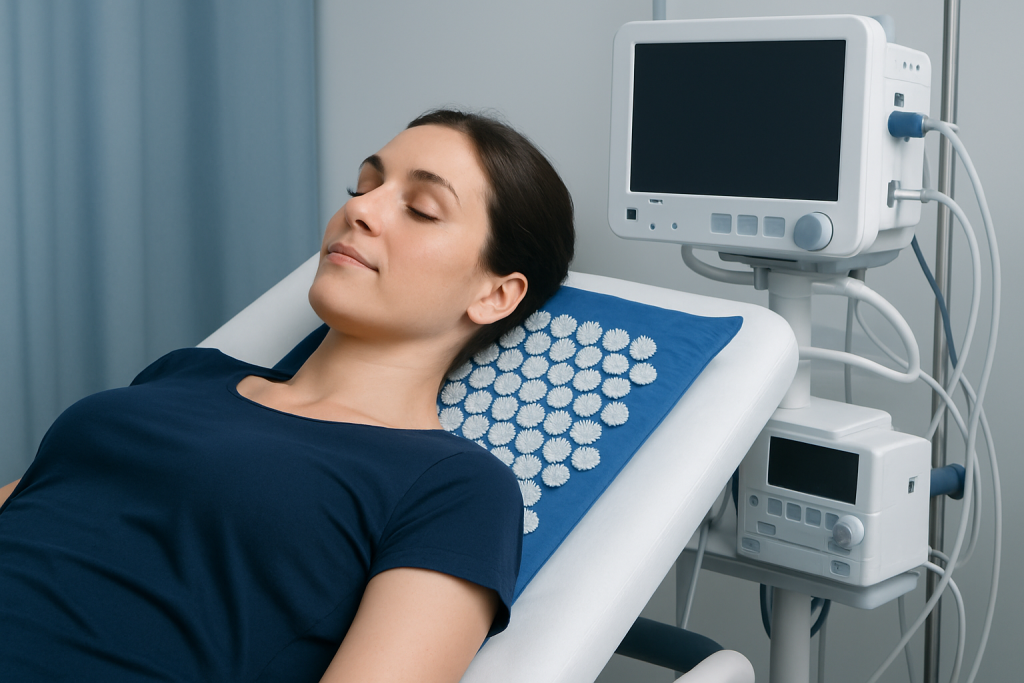
When the body rests on the mat, the plastic points create firm pressure on the skin and superficial tissues. This may trigger a mix of responses, including increased body awareness, muscle relaxation, and a temporary shift in how discomfort is perceived. Some people describe a brief prickly sensation followed by warmth, calmness, or a sense that tight muscles are easing.
Researchers have proposed several possible mechanisms. Pressure stimulation may encourage relaxation of tense muscles, alter pain signaling in the nervous system, and support a general relaxation response. In some users, the experience may also reduce stress and help the body settle before sleep. These effects are plausible, but they are not unique to acupressure mats and can also occur with stretching, breathing exercises, massage, or other low-risk comfort measures.
It is also important to keep expectations realistic. An acupressure mat does not diagnose the cause of pain and does not treat structural problems such as a herniated disc, nerve compression, inflammatory arthritis, or serious spinal disease. If back pain is ongoing, radiating, or associated with weakness or numbness, evaluation for conditions such as sciatica may be more appropriate than continued self-treatment.
Possible benefits and what the evidence says
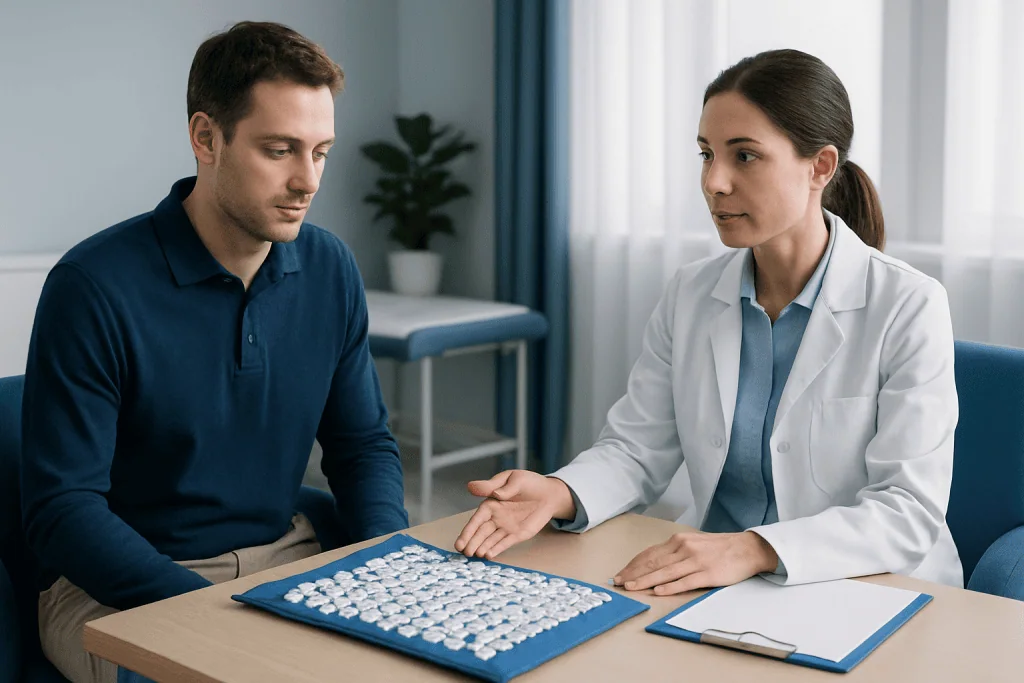
The most common reported benefits of an acupressure mat are relaxation, short-term comfort, and relief of mild muscular tension, especially in the upper back, shoulders, and neck. Some people also use it as part of a bedtime routine or after desk work, travel, or light exercise. For these goals, the mat may be helpful as a low-cost, non-drug wellness habit, provided the skin tolerates it and the user feels better rather than worse.
From an evidence-based perspective, studies on acupressure and related pressure therapies suggest there may be short-term benefit for some kinds of discomfort and stress symptoms. Still, the quality of evidence is mixed. Study designs differ, the type of pressure used is not always the same, and many trials involve small numbers of participants. That means there is not enough high-quality evidence to say that an acupressure mat consistently treats chronic pain, headaches, insomnia, or other health problems in a reliable, medical sense.
Patients with common musculoskeletal symptoms should also know that lasting improvement usually depends on addressing the cause. For example, recurring neck or back tension may respond better when the mat is combined with posture changes, guided stretching, strengthening, or physical therapy and rehabilitation. If pain is linked to a known condition such as a herniated disc, symptom tracking and clinician advice are more useful than relying on the mat alone.
- Most likely benefit: relaxation and short-term comfort
- Less certain benefit: chronic pain relief over the long term
- Not proven: treatment of serious spine, nerve, or inflammatory conditions
Who may use it safely, and who should be cautious
Many healthy adults can try an acupressure mat cautiously at home if they start slowly and stop if it is clearly uncomfortable. The pressure should feel intense but tolerable, not sharp, damaging, or frightening. People with healthy skin and no major medical risk factors often begin with a short session over clothing or with a thin fabric layer between the skin and the mat.
Some people should be more careful or avoid use unless a healthcare professional says it is appropriate. This includes anyone with bleeding disorders, use of blood-thinning medication, very fragile or easily injured skin, active skin infection, open wounds, uncontrolled diabetes with reduced sensation, significant neuropathy, poor circulation, or conditions that impair healing. Caution is also sensible during pregnancy, especially if there is uncertainty about pressure points, comfort, or individual risk.
If a person has severe osteoporosis, a recent injury, recent surgery, marked spinal pain, or symptoms that suggest nerve involvement, self-treatment may not be the right first step. In these situations, targeted assessment can help identify whether symptoms are coming from muscles, joints, nerves, or another cause. Depending on findings, care may include exercise guidance, medication, or treatments such as pain management rather than pressure-based home remedies alone.
How to use an acupressure mat safely
Using an acupressure mat safely is mainly about starting gently and paying attention to the body’s response. A beginner often tolerates the mat best by placing it on a bed or carpeted floor rather than a hard surface, then lying down slowly so pressure builds evenly. Thin clothing can reduce the intensity at first. Short sessions are usually more sensible than prolonged use, especially in the first few days.
Common areas of use include the upper and lower back, shoulders, and feet. The goal is comfort and relaxation, not endurance. If the mat causes skin injury, prolonged redness, bruising, significant pain, dizziness, or worsening symptoms afterward, it should not be continued. A person should never force the body to stay on the mat through distressing discomfort.
Good self-care around the mat also matters. Gentle stretching, hydration, ergonomic changes, and regular movement breaks may support better results than the mat alone. If muscle tightness is related to overuse or poor mechanics, clinician-guided approaches such as physiotherapy may help create a safer and more lasting plan. Cleaning the mat according to manufacturer instructions is also important to reduce irritation and keep the skin healthy.
- Start with short sessions and low intensity
- Use on a stable, comfortable surface
- Consider a thin layer of clothing at first
- Stop if symptoms worsen or the skin is injured
Limits, risks, and common misconceptions
One common misconception is that more pressure always means more benefit. In reality, very intense stimulation may simply irritate the skin or make tense muscles tighten further. Another misunderstanding is that a temporary sense of relief means the underlying condition has been treated. Many causes of pain, including disc problems, arthritis, posture-related strain, and nerve irritation, need a more complete approach.
The most likely side effects are minor and local, such as redness, tenderness, or skin marks that fade. Some people may feel lightheaded, overstimulated, or more sensitive rather than relaxed. If there is significant bruising, persistent pain, or worsening of symptoms after use, the mat is not a good fit for that person at that time.
An acupressure mat should not delay proper assessment of warning signs. Pain that spreads down an arm or leg, numbness, weakness, fever, unexplained weight loss, chest pain, or loss of bladder or bowel control needs medical evaluation. Home comfort tools can be useful, but they are best viewed as supportive measures within a broader plan based on the person’s symptoms, health history, and examination.
When to seek medical care
Medical care is appropriate if pain is severe, keeps returning, lasts longer than expected, or interferes with daily life, work, sleep, or exercise. A doctor can help distinguish simple muscular tension from conditions affecting the spine, joints, nerves, or internal organs. This is especially important when symptoms do not improve with rest and conservative self-care.
Urgent assessment is needed if pain starts after a significant fall or accident, or if it is accompanied by weakness, numbness, fainting, trouble breathing, fever, or changes in bladder or bowel control. These symptoms are not typical reasons to keep trying an acupressure mat at home. A clinical evaluation may include physical examination and, if needed, tests such as MRI to clarify the cause.
For international patients who need further assessment, Acibadem International’s multidisciplinary specialists and JCI-accredited hospitals diagnose and treat musculoskeletal and nerve-related conditions with individualized care plans. The most appropriate next step depends on the symptom pattern, overall health, and whether pain appears muscular, neurologic, or structural in origin.
Frequently asked questions
Does an acupressure mat really work?
It may help some people feel more relaxed and may provide short-term relief of mild muscle tension. However, the evidence is limited, and results vary from person to person. It should be seen as a supportive self-care tool, not a proven medical treatment.
Is an acupressure mat safe to use every day?
Some healthy adults may use it regularly if their skin tolerates it and it does not worsen symptoms. Daily use should still be gentle, comfortable, and stopped if bruising, skin irritation, or increasing pain occurs. Anyone with a medical condition affecting the skin, nerves, circulation, or bleeding should ask a doctor first.
Can an acupressure mat help back pain?
It may temporarily ease mild back tension, especially if discomfort is muscular and linked to stress or posture. It is less likely to help when pain is caused by a structural spine problem, nerve irritation, or inflammation. Persistent or radiating back pain should be medically assessed.
How long should someone stay on an acupressure mat?
There is no single medically established time that suits everyone. Beginners usually do best with short, gentle sessions and should increase only if the experience remains comfortable. The right duration is the shortest time that provides comfort without skin injury or symptom flare-up.
Who should avoid an acupressure mat?
People with open wounds, skin infections, fragile skin, bleeding disorders, significant neuropathy, or reduced sensation should avoid it or seek medical advice first. Extra caution is also reasonable after surgery, after injury, and during pregnancy. If there is any doubt, a clinician can help decide whether it is appropriate.
Can an acupressure mat replace physiotherapy or medical treatment?
No. An acupressure mat may complement a broader care plan, but it does not replace diagnosis, rehabilitation, or treatment for the cause of symptoms. If pain is ongoing, severe, or associated with weakness, numbness, or other warning signs, professional medical evaluation is important.
This article is for general information only and is not a substitute for professional medical advice. Please consult a qualified doctor about your individual situation.
Explore treatments in Turkey — costs, top hospitals & a free quote
JCI-accredited · board-certified surgeons · reply within 24h
Add us as a Preferred Source to see more of our trusted health content across Google Search, AI Overviews and Discover.

More from the Health Library

Monophobia: A Complete Medical Overview

Spermicidal Lubricant: What Patients Need to Know

Wasp Bite: What Patients Need to Know

Ghost Lashes: A Complete Medical Overview

Schizophrenia — Explained by Medical Evidence, Not Myths