Blepharospasm: A Complete Medical Overview

Blepharospasm causes involuntary blinking or eyelid squeezing that may gradually worsen over time. It is different from a brief eyelid twitch and is usually diagnosed through a clinical eye and neurological evaluation.
Key Takeaways
- Blepharospasm causes involuntary blinking or eyelid squeezing that may gradually worsen over time.
- It is different from a brief eyelid twitch and is usually diagnosed through a clinical eye and neurological evaluation.
- Common triggers include bright light, stress, fatigue, and dry or irritated eyes.
- Botulinum toxin injections are a standard and often effective treatment for symptom control.
- Doctors may also look for related eye conditions or other movement disorders that can mimic or accompany blepharospasm.
Blepharospasm is a movement disorder that causes repeated, involuntary blinking or forceful eyelid closure. It is usually not dangerous, but it can interfere with reading, driving, and daily comfort, so proper evaluation and treatment can make a meaningful difference.
Overview: what blepharospasm is
Blepharospasm is a neurological movement disorder in which the muscles around the eyes contract involuntarily. These repeated spasms can cause excessive blinking, narrowing of the eyes, or episodes of forceful eyelid closure. In many people, symptoms begin gradually and become more noticeable over time.
The most recognized form is benign essential blepharospasm. “Benign” means it is not a cancer, and “essential” means there is no single structural cause found on routine examination. The problem is thought to involve abnormal signaling in brain pathways that help control blinking and facial muscle movement.
Blepharospasm is more than an occasional eye twitch. A brief twitch in one eyelid is common and often linked to tiredness, stress, or caffeine. In contrast, blepharospasm tends to be recurrent, more forceful, and can affect both eyes in a way that interferes with activities such as reading, walking outdoors, or driving.
Because the eyes themselves may be healthy, people are sometimes surprised to learn that the condition sits at the overlap of eye care and movement-disorder medicine. Care may involve specialists in eye conditions as well as neurology to confirm the diagnosis and guide treatment.
How blepharospasm feels and how symptoms may progress
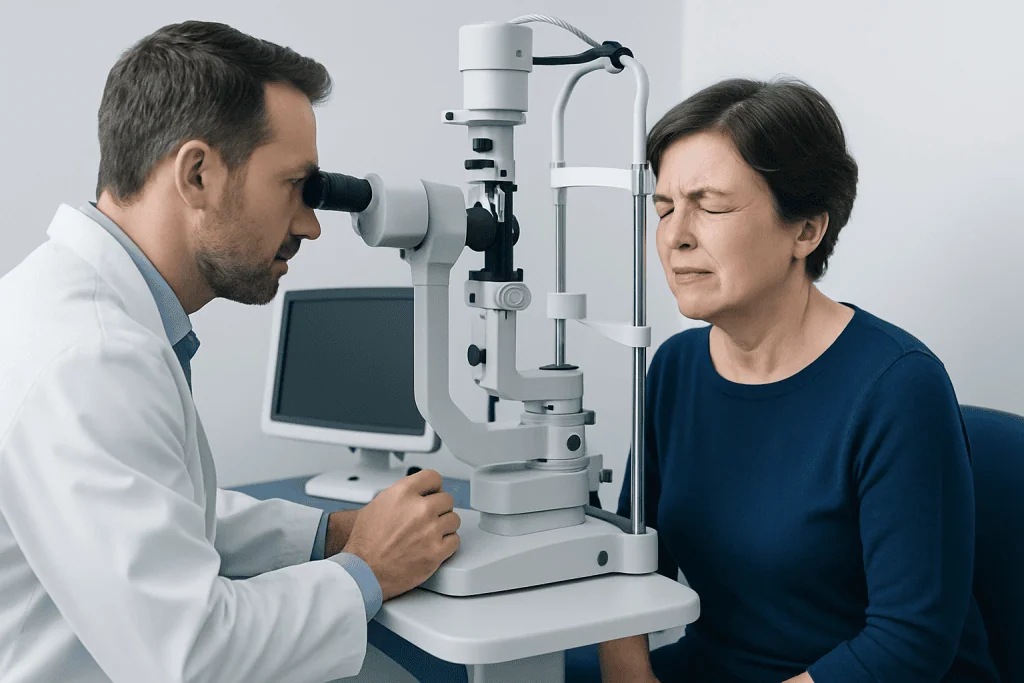
Symptoms often start subtly. A person may notice increased blinking, a sense of eye strain, irritation in bright light, or difficulty keeping the eyes open when tired. Some people first assume they have dry eyes or sensitivity to screens, wind, or sunlight.
As the condition progresses, spasms may become more frequent or stronger. The eyelids can squeeze shut for seconds at a time, and repeated episodes may disrupt conversation, reading, working, or driving. Symptoms usually affect both eyes, although one side may seem worse at first.
Many people notice that certain situations make symptoms flare. Common triggers include stress, fatigue, bright light, wind, driving, and prolonged visual tasks. Some patients find that talking, singing, yawning, or gently touching parts of the face may temporarily reduce spasms, a phenomenon doctors sometimes ask about during assessment.
- Frequent blinking beyond what feels normal
- Involuntary eyelid squeezing or closure
- Light sensitivity
- Eye discomfort, grittiness, or dryness
- Difficulty reading, watching screens, or driving
- Temporary functional vision problems when the eyes close repeatedly
Causes, triggers, and related conditions

The exact cause of benign essential blepharospasm is not fully understood, but it is generally linked to dysfunction in the brain networks that regulate movement. These pathways include areas involved in automatic blinking and muscle coordination. For most people, there is no single injury, tumor, or eye abnormality that explains the spasms.
Symptoms can be worsened by external triggers even when they are not the root cause. Dry eyes, inflammation of the eyelid margins, eye strain, lack of sleep, emotional stress, and bright light may all increase blinking and make blepharospasm more noticeable. Addressing these factors may reduce discomfort, although it may not remove the underlying movement disorder.
Doctors also consider whether the spasms are part of another movement disorder. Blepharospasm can overlap with facial or jaw muscle spasms, such as oromandibular dystonia, or with other forms of dystonia. In some people, facial contractions may suggest related conditions such as hemifacial spasm rather than classic blepharospasm.
Certain medicines that affect dopamine signaling or movement control can occasionally contribute to abnormal facial movements, so a careful medication review is important. Family history may play a role in some patients, but most cases occur without a clear inherited pattern.
How doctors diagnose blepharospasm
Blepharospasm is mainly a clinical diagnosis, meaning it is identified by a doctor based on symptoms and examination rather than a single blood test or scan. The doctor asks when the blinking started, what triggers it, whether both eyes are involved, and how much it affects daily activities. A history of dry eye symptoms, facial spasms, medication use, or neurological problems can also be relevant.
An eye examination helps rule out common sources of irritation that can increase blinking, such as dry eye disease, blepharitis, corneal irritation, or light sensitivity. In parallel, a neurological assessment looks at facial muscle patterns, other involuntary movements, and signs that might point to a different diagnosis.
Testing is not always necessary, but it may be used in selected cases if symptoms are unusual or if another condition is suspected. For example, imaging may be considered if one-sided spasms, weakness, or other neurological findings suggest a different cause. Some people may also be assessed in a dedicated neurology clinic when the diagnosis is uncertain or when symptoms overlap with other movement disorders.
Conditions that doctors may distinguish from blepharospasm include simple eyelid twitching, hemifacial spasm, tics, dry eye disease, medication-related abnormal movements, and psychogenic movement symptoms. A careful evaluation is important because treatment depends on the underlying problem.
Treatment options and symptom control
The main goal of treatment is to reduce spasms, improve comfort, and help the person function more easily in daily life. For many patients, botulinum toxin injections into the muscles around the eyes are the standard first-line treatment. These injections temporarily relax the overactive muscles and often provide meaningful relief for a period of weeks to months before repeat treatment is needed.
Doctors tailor injection sites and timing to the individual pattern of spasm. While botulinum toxin is commonly effective, response can vary, and treatment sometimes needs adjustment over time. Mild temporary side effects may include drooping of the eyelid, dry eyes, watery eyes, or blurred vision, so follow-up is important.
Supportive care also matters. If dry eye, blepharitis, or irritation is present, treatment may include lubricating drops, eyelid hygiene, or management of other ocular surface problems. A specialist in ophthalmology can help identify and treat these contributing factors, which may reduce symptom triggers and improve comfort even when they do not fully resolve the spasms.
In selected cases, oral medicines may be considered, although they often help less than injections and can cause side effects such as sleepiness or dry mouth. Surgery is usually reserved for severe cases that do not respond adequately to other treatments. Management may be especially effective when coordinated between eye specialists and a brain and nerve surgery or movement-disorders team if complex symptoms are present.
Practical self-care and daily coping strategies
Self-care does not replace medical treatment, but it can help many people reduce symptom burden. Because bright light commonly triggers blepharospasm, tinted glasses or wraparound sunglasses may make outdoor activity more comfortable. Taking regular breaks from screens and visually demanding tasks can also help if prolonged concentration worsens blinking.
Sleep and stress management are often important. Fatigue and emotional strain can amplify involuntary eyelid closure, so regular sleep habits, short rest periods, and stress-reduction practices may improve day-to-day control. People who notice symptoms while driving should avoid driving until a doctor has assessed safety and treatment has improved function.
Comfort measures for the eye surface can also be useful. Preservative-free lubricating drops, humidified air, and eyelid hygiene may ease grittiness or dryness when these are present. Avoiding smoke, direct wind, and intense glare may also reduce irritation that triggers blinking.
Keeping a symptom diary can help. Recording when spasms occur, what seems to trigger them, and how long relief lasts after treatment gives the care team useful information for adjusting the management plan.
When to seek medical care
A person should seek medical care if blinking becomes frequent enough to interfere with reading, work, walking outdoors, or driving, or if the eyelids close involuntarily and repeatedly. Evaluation is also important when symptoms persist for more than a short period or continue to worsen over time.
Prompt assessment is recommended if spasms affect only one side of the face, are accompanied by facial weakness, double vision, drooping of the face, significant eye pain, redness, discharge, or sudden vision changes. These features may suggest another eye or neurological problem that needs different treatment.
If a person has already been diagnosed with blepharospasm, follow-up is still important when treatment becomes less effective, side effects occur, or new symptoms develop in the mouth, jaw, neck, or other facial muscles. At centers such as Acibadem International, multidisciplinary specialists in neurology and eye care, working in JCI-accredited hospitals, evaluate and treat international patients with conditions like blepharospasm.
Although blepharospasm is usually not life-threatening, it can have a major practical impact on safety, independence, and quality of life. Early evaluation often helps people understand the condition, rule out other causes, and begin symptom-focused care.
Frequently asked questions
Is blepharospasm the same as a common eyelid twitch?
No. A common eyelid twitch is usually brief, mild, and often linked to stress, fatigue, or caffeine. Blepharospasm involves repeated involuntary blinking or forceful eyelid closure that can become persistent and interfere with daily activities.
Can blepharospasm cause blindness?
Blepharospasm does not usually damage the eyes or cause blindness. However, repeated forced eyelid closure can temporarily block vision and make tasks such as reading or driving difficult until the spasms are controlled.
What kind of doctor treats blepharospasm?
Blepharospasm is often treated by an ophthalmologist, neurologist, or a movement-disorders specialist. Many patients benefit from care that combines eye evaluation with neurological assessment, especially if symptoms are complex or overlap with other facial spasms.
How is blepharospasm treated most often?
Botulinum toxin injections are a common first-line treatment because they can relax the muscles around the eyes and reduce spasms. Some people also need treatment for dry eye or eyelid inflammation, and a smaller number may be offered medication or surgery in selected cases.
Are there known triggers for blepharospasm?
Yes. Bright light, wind, stress, fatigue, and eye irritation are frequent triggers that can make symptoms worse. Managing these factors may improve comfort, although medical treatment is often still needed for the underlying movement disorder.
Can blepharospasm go away on its own?
Symptoms may vary from day to day, but established blepharospasm often persists without treatment. Because it can progress and affect daily life, a medical evaluation is advisable rather than waiting for it to fully resolve on its own.
This article is for general information only and is not a substitute for professional medical advice. Please consult a qualified doctor about your individual situation.
Explore treatments in Turkey — costs, top hospitals & a free quote
JCI-accredited · board-certified surgeons · reply within 24h
Add us as a Preferred Source to see more of our trusted health content across Google Search, AI Overviews and Discover.

More from the Health Library

Perishables: A Complete Medical Overview

Infant Zyrtec: An Evidence-Based Guide for Patients

Otc Constipation Remedy: An Evidence-Based Guide for Patients

Stiolto: An Evidence-Based Guide for Patients

Weight Loss Pills: An Evidence-Based Guide for Patients