

Understanding Kabuki Syndrome: A Complete Patient Guide

Kabuki syndrome is a rare genetic condition most often linked to changes in the KMT2D or KDM6A genes. Features can include developmental delay, low muscle tone, distinctive facial features, feeding difficulties, and heart, hearing, or skeletal problems.
Key Takeaways
- Kabuki syndrome is a rare genetic condition most often linked to changes in the KMT2D or KDM6A genes.
- Features can include developmental delay, low muscle tone, distinctive facial features, feeding difficulties, and heart, hearing, or skeletal problems.
- Diagnosis is based on clinical features and confirmed when possible with genetic testing.
- Treatment focuses on the person's specific needs and may involve pediatrics, genetics, cardiology, neurology, rehabilitation, and educational support.
- Early intervention, routine follow-up, and family support are central to long-term care.
Kabuki syndrome is a rare genetic condition that can affect physical development, learning, growth, and several body systems. Although there is no single cure, early diagnosis and coordinated care can help children and adults manage symptoms and improve daily function and quality of life.
Overview
Kabuki syndrome is a rare genetic condition that affects how the body and brain develop. It can influence growth, muscle tone, learning, facial appearance, and the function of organs such as the heart, ears, and digestive system. The condition is present from birth, but its features and severity can vary widely from one person to another.
For many families, the most helpful starting point is understanding that kabuki syndrome is not caused by anything a parent did or did not do. In many cases, it happens because of a new genetic change, although inherited cases can also occur. Children with this condition often benefit from ongoing care by several specialists, with support tailored to their individual strengths and health needs.
Because kabuki syndrome can involve many body systems, the diagnosis may first be suspected for different reasons, such as developmental delay, feeding problems, repeated ear infections, or unusual physical features. A clear diagnosis can help families understand what monitoring may be needed over time and what therapies may be useful in daily life.
How Kabuki Syndrome May Affect a Child or Adult
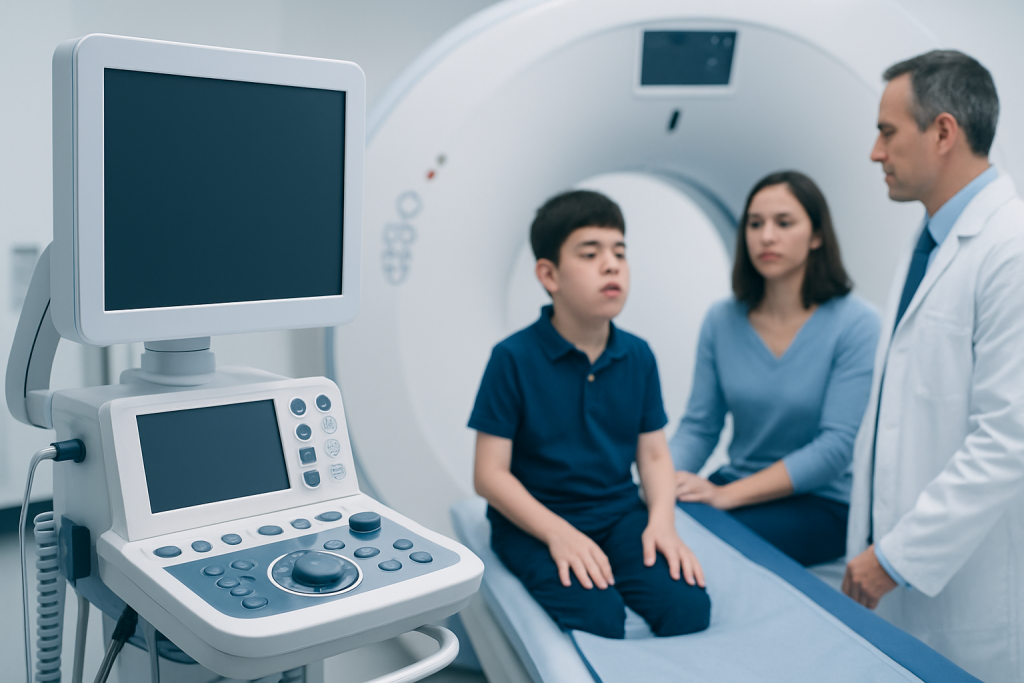
Kabuki syndrome is best understood as a pattern of developmental and medical differences rather than a single set of symptoms. Some children have mild learning difficulties and manageable health issues, while others need more intensive support with feeding, movement, communication, or complex medical care. Growth may be slower than expected, and some individuals have short stature or low muscle tone.
Developmental delay is common, especially in speech, motor skills, and learning. Many children benefit from early physiotherapy, occupational therapy, and speech-language support. As they grow, some may need individualized educational plans and help with social communication, attention, or behavior.
Doctors also watch for health conditions that can occur alongside kabuki syndrome. These may include congenital heart disease, hearing loss, recurrent ear infections, palate differences, dental issues, vision problems, immune dysfunction, kidney or urinary tract anomalies, and seizures in some cases. Related concerns may overlap with broader developmental delay evaluations or epilepsy care when seizures are present.
Symptoms and Common Features

The features of kabuki syndrome are often noticed in infancy or early childhood, though some signs become clearer over time. Healthcare professionals look at the overall combination of findings rather than any single symptom. Not every person will have all of these features.
- Distinctive facial features, which may include long eye openings, arched eyebrows, a broad or depressed nasal tip, and prominent ears
- Low muscle tone and joint looseness
- Developmental delay or intellectual disability of varying degree
- Feeding difficulties, reflux, poor weight gain, or delayed growth
- Frequent ear infections, hearing loss, or speech delay
- Congenital heart defects
- Skeletal differences such as scoliosis, hip problems, or finger pad prominence
- Cleft palate or other oral and dental differences
- Seizures, sleep difficulties, or behavioral challenges in some individuals
Infants may be floppy, tire easily during feeding, or have trouble coordinating sucking and swallowing. Later, delayed sitting, walking, or talking may raise concern. Some children also have repeated respiratory infections or signs of immune system differences, which may require further assessment.
Adults with kabuki syndrome may continue to need support for learning, independence, mobility, hearing, or chronic medical issues. However, outcomes are highly individualized, and many people make meaningful progress with therapy, routine monitoring, and a stable care plan.
Causes and Risk Factors
Kabuki syndrome is most commonly caused by a change in the KMT2D gene and less commonly by a change in the KDM6A gene. These genes help regulate how other genes are switched on and off during development. When one of them is altered, it can affect the formation and function of multiple tissues and organs.
In many families, the genetic change happens for the first time in the child and is not inherited from either parent. In other cases, it can be passed down in a family. KMT2D-related kabuki syndrome usually follows an autosomal dominant inheritance pattern, while KDM6A-related cases are linked to the X chromosome. A genetics specialist can explain what this means for the child and for future pregnancies.
There are no lifestyle risk factors known to cause kabuki syndrome. It is a genetic condition, not the result of diet, exercise, or routine activities during pregnancy. Once the condition is identified, genetic counseling can help families understand recurrence risk, testing options, and the broader implications of the diagnosis.
How Diagnosis Is Made
Diagnosis usually begins with a detailed medical history and physical examination. A pediatrician, clinical geneticist, or neurologist may suspect kabuki syndrome based on the pattern of facial features, developmental delay, low muscle tone, growth concerns, and other associated findings. Because the condition can affect many systems, further testing is often recommended to understand the full picture.
Genetic testing can confirm the diagnosis in many cases by identifying a disease-causing change in KMT2D or KDM6A. Testing may be done through a gene panel, exome sequencing, or other methods, depending on the child’s symptoms and the clinic’s approach. A confirmed genetic diagnosis can help guide follow-up care and allow more accurate family counseling.
Additional evaluations may include hearing and vision tests, echocardiography for the heart, kidney ultrasound, blood tests, developmental assessments, and brain or nerve evaluations when needed. If seizures or unusual episodes occur, doctors may consider EEG testing as part of the assessment. In some children, genetic testing is the most important step in clarifying the diagnosis and distinguishing kabuki syndrome from other rare developmental conditions.
Treatment and Long-Term Care
There is no single treatment that corrects kabuki syndrome itself, so care focuses on the person’s symptoms, development, and general health. Many children do best with a multidisciplinary team that may include pediatrics, medical genetics, cardiology, neurology, ENT, gastroenterology, orthopedics, endocrinology, rehabilitation specialists, and educational professionals.
Early intervention is often one of the most important parts of care. Physical therapy can help with balance, strength, and motor milestones. Occupational therapy can support everyday skills such as feeding, fine motor coordination, and self-care. Speech-language therapy may assist with communication, feeding, and swallowing. When needed, specialists may also address hearing aids, dental care, reflux treatment, seizure management, or surgery for structural problems such as certain heart defects or palate differences.
Follow-up visits are used to monitor growth, nutrition, sleep, hearing, vision, spine alignment, behavior, and learning progress. Some children may need imaging or specialty tests, while others need practical support for school and family routines. Depending on symptoms, clinicians may recommend pediatric rehabilitation to improve function and independence over time.
Near the end of the diagnostic process or when planning complex care, some families seek evaluation in tertiary centers. Acibadem International’s multidisciplinary specialists and JCI-accredited hospitals diagnose and treat kabuki syndrome for international patients, with coordinated assessments shaped around each child’s needs.
Daily Support, Monitoring, and Family Planning
Living with kabuki syndrome often involves regular routines rather than emergency treatment. Families may work on feeding strategies, sleep habits, speech practice, mobility exercises, and school support. Many children do well when appointments are organized around a clear care plan that prioritizes the most important concerns first.
At home, practical measures can make daily life easier. These may include tracking milestones, keeping an updated medication and appointment list, watching for changes in feeding or breathing, and asking for hearing or vision reassessment if communication changes. Emotional support also matters, both for the child and for caregivers who may be coordinating multiple services.
When a genetic diagnosis is confirmed, parents may want to discuss future pregnancies with a genetics professional. Counseling can explain whether the change was new in the child or inherited, and whether prenatal or preconception options are available. This information can help families make informed choices without pressure.
When to Seek Medical Care
Medical review is important whenever a child shows signs of developmental delay, poor feeding, low muscle tone, slow growth, repeated ear infections, or unusual physical features that suggest an underlying genetic condition. Early evaluation can identify treatable issues such as hearing loss, heart disease, reflux, or swallowing problems and can help start developmental support sooner.
Urgent medical attention is needed if there are breathing difficulties, blue lips, repeated choking, dehydration, seizure-like episodes, severe lethargy, or signs of a serious infection. Families should also contact a doctor promptly if a child suddenly loses skills, has a marked change in behavior or alertness, or is no longer feeding safely.
Even when symptoms seem mild, regular follow-up is valuable because kabuki syndrome can affect several body systems over time. A qualified doctor can advise which specialists are needed and how often monitoring should be arranged.
Frequently asked questions
Is kabuki syndrome inherited?
Kabuki syndrome can be inherited, but many cases happen because of a new genetic change in the child. The inheritance pattern depends on which gene is involved, so genetic counseling is helpful for understanding family risk.
Can kabuki syndrome be cured?
There is no cure that removes the underlying genetic change. Treatment focuses on managing symptoms, supporting development, and monitoring for associated medical problems so that care can be tailored over time.
What is the life expectancy for someone with kabuki syndrome?
Life expectancy varies and depends largely on the severity of associated health issues, such as heart disease, feeding problems, or infections. Many people benefit from long-term medical follow-up and supportive therapies, which can improve health and daily functioning.
At what age is kabuki syndrome diagnosed?
Some children are diagnosed in infancy because of feeding difficulties, low muscle tone, heart problems, or noticeable physical features. Others are diagnosed later, especially if the early signs are subtle and developmental concerns become clearer with age.
Does kabuki syndrome always cause intellectual disability?
Not always. Learning and developmental differences are common, but their severity can vary widely. Some individuals need substantial support, while others have milder difficulties and can make steady progress with therapy and educational help.
What specialists may be involved in care?
Care often includes a pediatrician, geneticist, cardiologist, neurologist, ENT specialist, gastroenterologist, rehabilitation team, and education professionals. The exact team depends on the person's symptoms and how the condition affects daily life.
References
- National Organization for Rare Disorders
- MedlinePlus Genetics
- National Institutes of Health
- Genetics Home Reference legacy resources integrated into MedlinePlus
- Orphanet
This article is for general information only and is not a substitute for professional medical advice. Please consult a qualified doctor about your individual situation.
Explore treatments in Turkey — costs, top hospitals & a free quote
JCI-accredited · board-certified surgeons · reply within 24h
Add us as a Preferred Source to see more of our trusted health content across Google Search, AI Overviews and Discover.

More from the Health Library



Related Specialists

Dr. Ebru Yılmaz
Emergency Service
Dr. Semra Kavas
Infectious Diseases & Clinical Microbiology
Dr. Siyavuş Muhammedrezaï
Neurosurgery
Dr. Hüseyin Güney
General Surgery