Cramps But No Menstruation — Explained by Medical Evidence, Not Myths

Cramps without menstrual bleeding are common and do not always mean a serious problem. Pregnancy, delayed ovulation, stress, hormonal changes, and pelvic conditions are among the main causes.
Key Takeaways
- Cramps without menstrual bleeding are common and do not always mean a serious problem.
- Pregnancy, delayed ovulation, stress, hormonal changes, and pelvic conditions are among the main causes.
- Sudden severe pain, fever, fainting, heavy bleeding, or a positive pregnancy test with pain need prompt medical care.
- Diagnosis may include a history, pelvic exam, pregnancy test, ultrasound, and other tests based on symptoms.
- Treatment depends on the cause and may involve observation, pain relief, hormonal treatment, or treatment of an underlying condition.
Cramps but no menstruation can occur for several medical reasons, including normal cycle variation, early pregnancy, hormonal changes, digestive causes, or gynecologic conditions. The pattern, timing, and associated symptoms help doctors identify whether the cause is expected and temporary or needs further evaluation.
What cramps but no menstruation usually means
Cramps but no menstruation usually means the uterus, ovaries, bowel, bladder, or pelvic muscles are causing pain even though menstrual bleeding has not started. In many cases, the reason is not dangerous. Common explanations include a late period, ovulation, early pregnancy, stress-related cycle changes, or digestive discomfort that feels similar to period pain.
At the same time, cramps without bleeding can sometimes point to a condition that benefits from medical assessment, such as endometriosis, ovarian cysts, uterine fibroids, pelvic inflammatory disease, or an ectopic pregnancy. The key is not to rely on myths or assumptions. Instead, the cause is usually clarified by looking at the menstrual pattern, the location and severity of pain, and whether there are other symptoms such as nausea, discharge, urinary symptoms, or a missed period.
Not all pelvic cramping comes from menstruation. The lower abdomen contains several organs close together, so pain from the reproductive system, intestines, or urinary tract may feel similar. This is why clinicians consider the whole symptom picture rather than the presence or absence of bleeding alone.
Common patterns and symptoms to notice
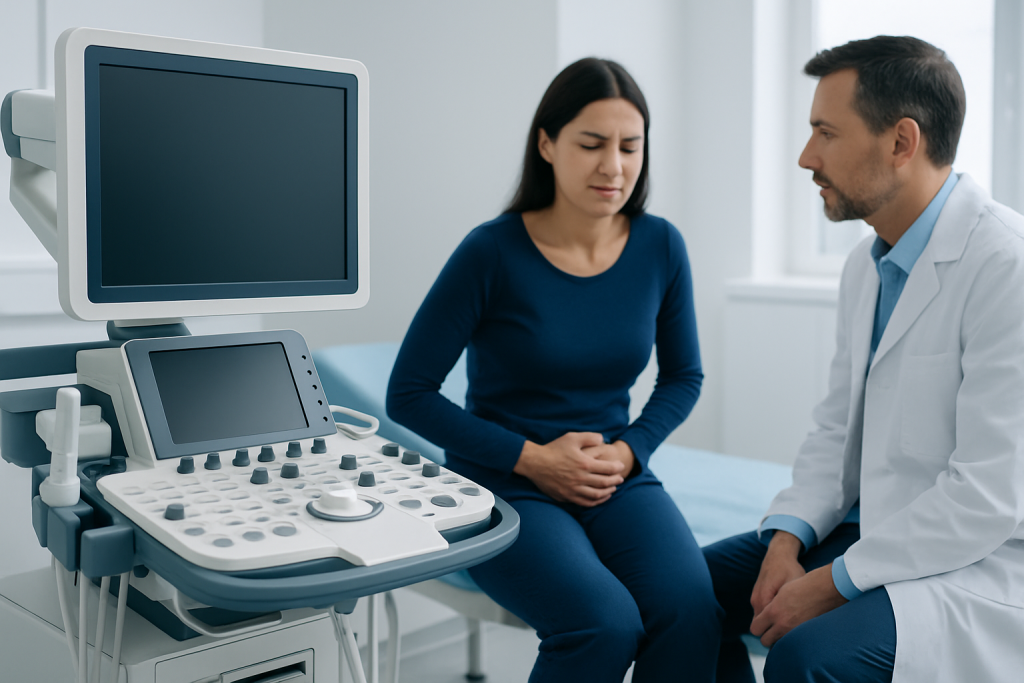
The timing and character of cramping often provide useful clues. Mild cramping in the middle of the cycle may happen with ovulation. Cramping a few days before a period can occur if menstruation is about to begin later than expected. If a person has missed a period, new cramping with breast tenderness, fatigue, nausea, or light spotting may suggest pregnancy and should prompt a pregnancy test.
Doctors also ask whether the pain is dull, sharp, one-sided, constant, or wave-like. One-sided pelvic pain may occur with ovulation or an ovarian cyst, while widespread lower abdominal cramping can be seen with menstrual-type uterine contractions or bowel conditions. Associated symptoms such as bloating, constipation, diarrhea, painful urination, vaginal discharge, pain during sex, or back pain can help narrow the cause.
Important features to track include:
- When the cramps started and how long they last
- Whether the period is late, lighter than usual, or absent
- If the pain is one-sided or severe
- Any spotting, unusual discharge, fever, nausea, or vomiting
- Recent stress, travel, weight change, intense exercise, or new medications
- Whether pregnancy is possible
A simple symptom diary can be helpful. Recording dates, bleeding patterns, pain severity, and any triggers gives a clearer picture at a medical visit and may speed diagnosis.
Medical causes of cramps without bleeding
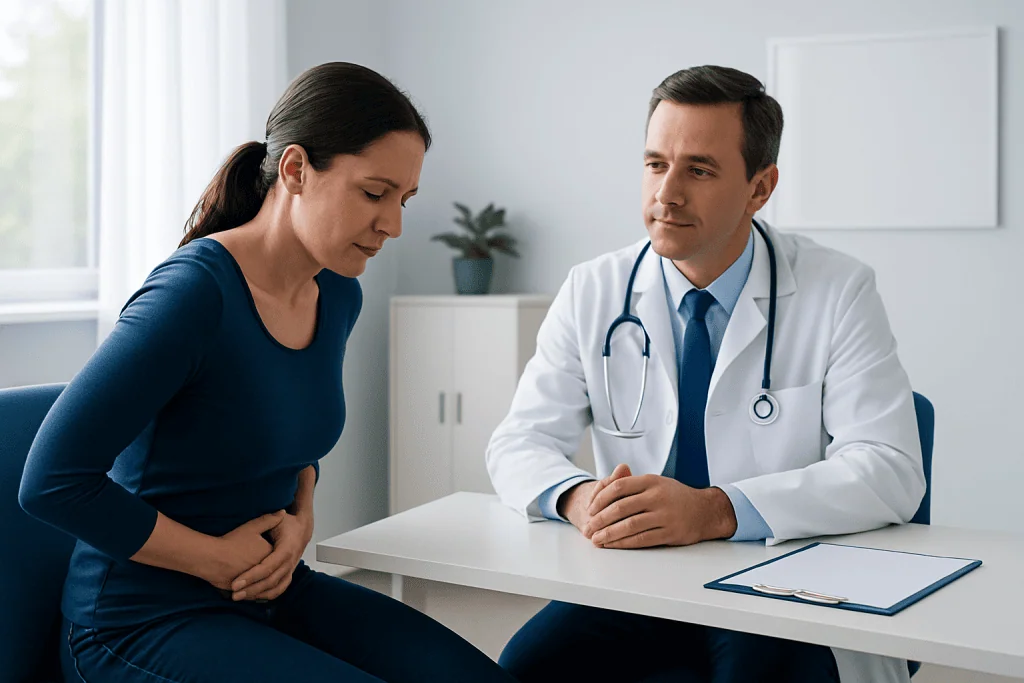
One of the most common reasons for cramps but no menstruation is a cycle that has shifted. Menstrual cycles do not always follow the same timetable, and delayed ovulation can delay bleeding while still causing cramp-like symptoms. Stress, sleep disruption, significant exercise changes, illness, thyroid problems, and body weight changes can all affect hormone patterns and alter the timing of a period.
Pregnancy is another important possibility. Early pregnancy can cause pelvic cramping because of hormonal changes and normal uterine stretching, even before a person is certain a period is missed. However, if pain occurs with a positive pregnancy test, shoulder pain, dizziness, fainting, or one-sided severe pain, doctors consider an ectopic pregnancy, which needs urgent evaluation.
Gynecologic conditions can also explain recurrent or significant pain. These include endometriosis, adenomyosis, uterine fibroids, ovarian cysts, and pelvic inflammatory disease. Endometriosis may cause cramping before or between periods, pain during sex, painful bowel movements, or fertility difficulties. Fibroids can cause pressure, heavy periods when bleeding does occur, or pelvic discomfort. Ovarian cysts may produce intermittent or one-sided pain, especially if a cyst enlarges, leaks, or twists.
Not every case is gynecologic. Irritable bowel syndrome, constipation, inflammatory bowel disease, urinary tract infection, bladder pain syndromes, kidney stones, and muscle strain can all create lower abdominal cramping that is mistaken for menstrual pain. This is one reason persistent symptoms should be assessed rather than attributed to the menstrual cycle alone.
How doctors evaluate the cause
Assessment starts with a careful history. A doctor usually asks about the last menstrual period, cycle regularity, possibility of pregnancy, contraception, sexual history, past pelvic infections, surgeries, and whether symptoms are new or longstanding. Questions about bowel and urinary symptoms are also important because they help distinguish reproductive causes from digestive or urinary ones.
Depending on age, symptoms, and medical history, the physical examination may include an abdominal and sometimes a pelvic exam. Laboratory testing often begins with a pregnancy test if pregnancy is possible. Blood tests may be used to look for infection, anemia, thyroid problems, or hormone-related issues when clinically indicated.
Imaging is commonly used when symptoms are persistent, unexplained, or severe. A pelvic ultrasound can help detect ovarian cysts, fibroids, structural uterine issues, or signs of other pelvic conditions. If the clinical picture suggests a more complex gynecologic disorder, the doctor may recommend evaluation for ovarian cysts or other pelvic pathology, and sometimes advanced imaging or minimally invasive procedures are considered.
The goal of testing is not to order everything at once, but to choose the most useful next step. Many people need only a history, exam, and pregnancy test, while others benefit from ultrasound, infection screening, or specialist referral.
Treatment options based on the underlying cause
There is no single treatment for cramps but no menstruation because care depends on the reason. If the cause is a delayed cycle, ovulation pain, or another temporary hormonal shift, symptoms may improve with time, hydration, rest, heat, and common pain-relief strategies recommended by a doctor. When cramps are linked to digestive issues, treatment may focus on bowel habits, diet, or management of a gastrointestinal condition.
If pregnancy is confirmed, the approach depends on whether the pregnancy appears normal and whether any warning signs are present. Pelvic pain in pregnancy should not be self-diagnosed, especially if it is severe or accompanied by bleeding, dizziness, or shoulder pain. Prompt evaluation helps rule out ectopic pregnancy or other urgent problems.
For diagnosed gynecologic conditions, treatment is tailored to the condition, symptoms, age, and fertility goals. This may include hormonal therapy, monitoring, or procedures. For example, people with significant pain from endometriosis may be offered medical therapy or, in selected cases, laparoscopy to confirm or treat disease. If fibroids or cysts are responsible, care may range from watchful waiting to targeted interventions, including myomectomy for selected uterine fibroids or ovarian cyst surgery when needed.
When symptoms are persistent or diagnosis is uncertain, referral to a gynecologist may be appropriate. Near the end of the care pathway, some patients may benefit from multidisciplinary assessment; Acibadem International’s specialists in JCI-accredited hospitals evaluate and treat gynecologic and pelvic pain conditions for international patients when advanced investigation or treatment is needed.
Self-care, cycle tracking, and prevention
Not all causes of cramping can be prevented, but self-care can reduce discomfort and help identify patterns early. Many clinicians encourage cycle tracking using a calendar or app. Recording bleeding dates, pain intensity, vaginal symptoms, bowel changes, and possible triggers can reveal whether cramps happen around ovulation, before delayed periods, or in a less predictable pattern that deserves medical review.
General health habits also support menstrual regularity. Adequate sleep, stress management, balanced nutrition, regular but not excessive exercise, and attention to body weight changes may help reduce cycle disruption in some people. If a medicine or contraceptive method seems linked to new symptoms, it is sensible to discuss that with a doctor rather than stop treatment without guidance.
Helpful self-care measures may include:
- Using a heating pad on the lower abdomen
- Staying well hydrated
- Getting gentle activity such as walking or stretching
- Using pain relief only as directed by a healthcare professional
- Taking a home pregnancy test if a period is late and pregnancy is possible
- Seeking follow-up if cramps recur frequently or worsen over time
Self-care is most appropriate for mild, familiar symptoms. Repeated cramping without a clear explanation should not simply be accepted as normal, especially if daily life, sleep, work, or fertility plans are affected.
When to seek medical care
Medical care is recommended if cramps but no menstruation continue for more than a few cycles, become more painful, or happen with a missed period and a negative test that does not explain the symptoms. A doctor should also assess pain accompanied by abnormal vaginal discharge, pain during sex, urinary symptoms, bowel changes, or difficulty becoming pregnant.
Urgent care is important for severe or sudden pelvic pain, fainting, dizziness, fever, vomiting, heavy vaginal bleeding, or a positive pregnancy test with abdominal pain. These symptoms can be associated with conditions such as pelvic infection, ovarian torsion, ruptured cyst, or ectopic pregnancy and should not be monitored at home without professional advice.
Even when symptoms are not urgent, early evaluation can be helpful. Identifying the real cause often reduces worry, avoids myths about what cramps “must” mean, and allows timely treatment when an underlying condition is present.
Frequently asked questions
Can cramps happen without a period and still be normal?
Yes. Cramp-like pain can happen around ovulation, before a delayed period, or during temporary hormone shifts related to stress, travel, illness, or exercise changes. If symptoms are mild and settle quickly, they may be part of normal cycle variation.
Do cramps but no menstruation mean pregnancy?
They can, but not always. Early pregnancy may cause mild pelvic cramping, especially around the time a period is expected, so a home pregnancy test is reasonable if pregnancy is possible. Pain with a positive test should be medically reviewed, particularly if it is one-sided or severe.
How long should someone wait before seeing a doctor?
If cramps are mild and the period is only slightly late, it is reasonable to monitor symptoms briefly and take a pregnancy test if needed. Medical review is wise if pain persists, repeats over several cycles, interferes with daily life, or comes with other symptoms such as discharge, fever, or urinary problems.
Can stress cause cramps without bleeding?
Stress can affect the hormones that regulate ovulation and menstruation, which may delay a period and sometimes lead to cramp-like discomfort. However, stress should not be assumed to be the cause if the pain is new, severe, or associated with concerning symptoms.
What conditions can mimic period cramps?
Several conditions can feel like menstrual cramps, including endometriosis, ovarian cysts, fibroids, constipation, irritable bowel syndrome, urinary tract infection, and kidney stones. Because pelvic organs are close together, pain location alone does not always reveal the source.
Should a pregnancy test be done even if there is no bleeding?
Yes, if a period is late and pregnancy is possible, testing is sensible even without spotting or bleeding. Pregnancy can cause cramping before any visible changes occur, and early testing helps guide whether medical assessment is needed.
This article is for general information only and is not a substitute for professional medical advice. Please consult a qualified doctor about your individual situation.
Explore treatments in Turkey — costs, top hospitals & a free quote
JCI-accredited · board-certified surgeons · reply within 24h
Add us as a Preferred Source to see more of our trusted health content across Google Search, AI Overviews and Discover.
Check your numbers in seconds
BMI, calories, due date, blood pressure and 30+ more clinical calculators — free, instant, doctor-reviewed ranges.

More from the Health Library

End Diastolic Volume: An Evidence-Based Guide for Patients

Electrolyte Imbalances: A Complete Medical Overview

Normal Liver Size: What Patients Need to Know

Berry Aneurysm: An Evidence-Based Guide for Patients

Voltaren Gel: What Patients Need to Know