

Can You Live Without a Spleen? Here Is What the Evidence Says

A person can live without a spleen because other organs help with many of its functions. The main long-term concern is a higher risk of serious infection, especially from certain bacteria.
Key Takeaways
- A person can live without a spleen because other organs help with many of its functions.
- The main long-term concern is a higher risk of serious infection, especially from certain bacteria.
- Vaccines, preventive antibiotics in selected cases, and quick treatment of fever are central to safety.
- Doctors may remove the spleen after trauma, blood disorders, or other conditions, and some spleens stop working even if still present.
- Medical follow-up, travel planning, and carrying an alert card or bracelet can help reduce complications.
Yes, a person can live without a spleen, and many people do well after splenectomy or with a nonfunctioning spleen. The key is understanding the higher infection risk, staying up to date with vaccines, and knowing when prompt medical care is needed.
Overview: Can a Person Live Without a Spleen?
Yes, a person can live without a spleen. Many people lead full, active lives after the spleen is removed or when it no longer works properly. In most day-to-day situations, life without a spleen is manageable, but it does require a few long-term precautions because the body becomes less efficient at fighting certain infections.
The spleen is an organ in the upper left part of the abdomen, near the stomach. It helps filter blood, remove old or damaged blood cells, and support the immune system by helping the body recognize and respond to particular germs. When the spleen is missing or not functioning, the liver, bone marrow, and lymphatic system take over some of these tasks, but not all of them as effectively.
This is why the answer to can you live without a spleen is reassuring but not casual: yes, but ongoing prevention matters. The most important issue is not everyday digestion or energy, but a lifelong increase in the risk of certain serious infections. With good planning, vaccines, and medical guidance, that risk can often be reduced substantially.
What the Spleen Does and Why It Matters

The spleen has two broad roles: blood filtration and immune defense. It helps clear older red blood cells and platelets from circulation and stores some blood components. It also helps produce and coordinate immune responses, especially against bacteria that have protective outer capsules.
These bacteria include organisms such as Streptococcus pneumoniae, Haemophilus influenzae type b, and Neisseria meningitidis. In people without a spleen, infections from these germs may become severe more quickly. That is why doctors focus so strongly on vaccination and on urgent evaluation of fever.
The spleen can be absent for different reasons. Some people are born without a functioning spleen, a state called congenital asplenia. Others lose spleen function because of disease, sometimes called functional asplenia, which can happen in certain blood disorders or autoimmune conditions. In other cases, the spleen is surgically removed in a procedure called splenectomy.
Even when a person feels completely well, the missing immune contribution of the spleen remains relevant. This does not mean someone will be ill often, but it does mean that certain infections need to be taken seriously and treated early.
Why Someone Might Not Have a Spleen
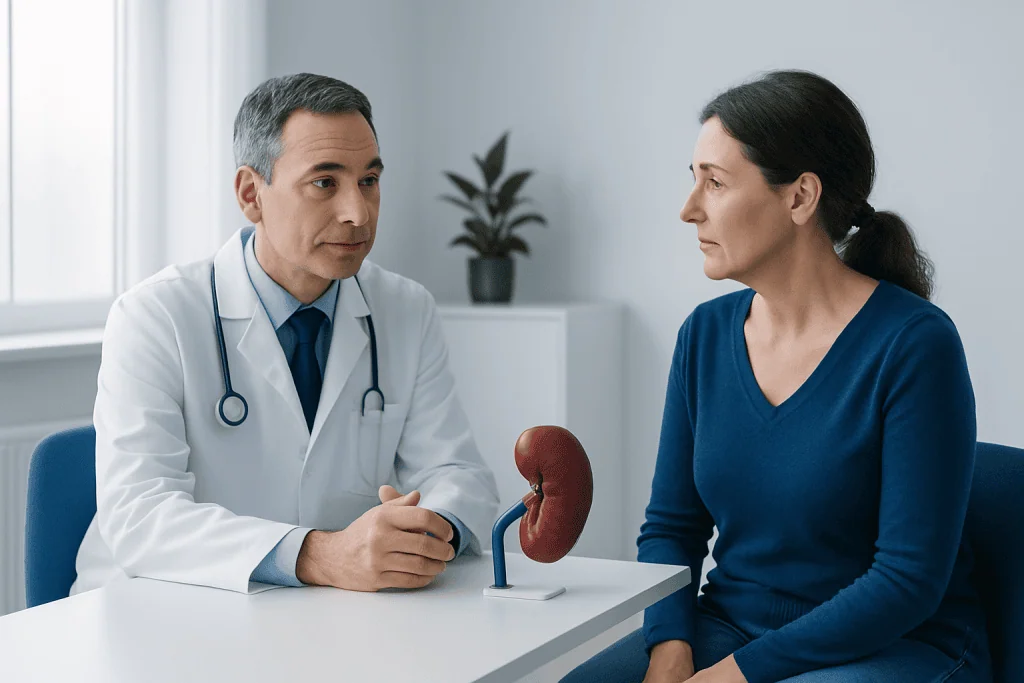
Doctors may remove the spleen for several medical reasons. One common reason is abdominal trauma, such as a car accident or sports injury, when the spleen bleeds heavily and cannot be safely preserved. Another group of reasons involves blood and immune conditions in which removing the spleen may help reduce symptoms or complications.
Examples include some cases of immune thrombocytopenia, hereditary spherocytosis, certain hemolytic anemias, and selected cancers affecting the blood or lymphatic system. The spleen may also be enlarged or diseased because of infection, inflammation, cysts, or masses. In some patients, doctors evaluate the organ closely before deciding whether surgery is necessary, sometimes using MRI or CT scan imaging.
Not everyone without normal spleen function has had surgery. Some people have a spleen that is still physically present but does not work well. Sickle cell disease is a classic example, because repeated damage to splenic tissue can lead to functional loss over time. Patients with related blood conditions may already be familiar with infection prevention because of this risk.
When possible, doctors try to preserve splenic tissue, especially in children, because the spleen contributes to long-term immune protection. If removal is unavoidable, the care plan usually includes vaccines, education, and follow-up rather than surgery alone.
What Risks Change After Splenectomy or Asplenia?
The main health change after spleen removal is a higher risk of severe infection. This risk is sometimes called overwhelming post-splenectomy infection, a rare but serious emergency that can progress rapidly. It does not happen to most people, but it is important enough that doctors emphasize prevention for life.
Risk can be higher in young children, older adults, people with weakened immune systems, and those who have additional illnesses. The risk is often greatest in the first few years after splenectomy, but it never falls to zero. That is why long-term planning matters even if the surgery was many years ago.
There may also be other considerations, such as a temporary or sometimes persistent increase in platelet count after surgery, which can affect clotting risk in selected patients. Doctors may monitor blood counts after a splenectomy and decide whether any treatment or follow-up is needed.
Travel and animal exposures deserve special mention. People without a spleen may need extra advice before traveling to places where malaria is common, and animal bites should be assessed promptly because some infections can become more serious in asplenia. These are practical issues rather than reasons for alarm, but they are worth discussing in advance.
Symptoms to Watch For and When to Seek Medical Care
Most people living without a spleen feel well most of the time. However, fever should never be ignored. A temperature rise, chills, shaking, severe fatigue, confusion, rapid breathing, or a person who suddenly becomes much more unwell than expected with what seems like a minor infection should be assessed urgently.
Other reasons to seek prompt medical attention include a new rash with fever, severe sore throat, cough with worsening shortness of breath, persistent vomiting, signs of dehydration, or redness and swelling after an animal bite. People without a spleen should also contact a doctor quickly after close exposure to certain infections or before urgent international travel if preventive planning has not been done.
If someone has had the spleen removed or has been told the spleen does not function well, it helps to mention this immediately when seeking care. Carrying a medical alert bracelet, wallet card, or phone health record note can make emergency treatment faster and more accurate.
In short, everyday life is often normal, but infection symptoms deserve a lower threshold for action. Early medical review is one of the most effective ways to reduce serious complications.
How Doctors Assess Health Without a Spleen
Doctors begin with the person’s history: whether the spleen was removed, why it was removed, when this happened, and whether there have been serious infections since. They also ask about vaccination status, antibiotic use, travel, animal exposures, and any underlying blood or immune conditions. If the spleen may be enlarged or diseased before surgery, evaluation can include testing for related conditions such as splenomegaly.
A physical examination looks for signs of infection, circulation problems, or complications related to the condition that led to splenic loss in the first place. Blood tests may include a complete blood count, inflammatory markers, blood cultures when infection is suspected, and tests tailored to the patient’s history. In some cases, a blood smear may show features that support absent or reduced splenic function.
Imaging is not always needed after a known splenectomy, but it may be used when symptoms suggest another abdominal issue or when doctors are determining whether any splenic tissue remains. Preventive care reviews are often just as important as diagnostic tests. A clinician may check which vaccines are due, whether standby or preventive antibiotics are appropriate, and what emergency plan the person should follow if fever develops.
This approach reflects a practical principle: the priority is not repeatedly proving the spleen is absent, but making sure the patient is protected and knows how to respond quickly if illness starts.
Treatment, Prevention, and Self-Care
There is no replacement organ or routine treatment that fully substitutes for the spleen, so management focuses on prevention. Vaccination is central. Doctors commonly recommend vaccines against pneumococcus, meningococcus, and Haemophilus influenzae type b, along with annual influenza vaccination and other routine vaccines based on age, health status, and local guidance.
Some people, especially young children or those with additional risk factors, may be advised to take preventive antibiotics for a period of time or longer term. Others may be given an emergency supply of antibiotics with clear instructions for use if fever develops and medical care is not immediately available. The exact plan varies, so it should be individualized by a qualified clinician.
Self-care also matters. Helpful steps include keeping vaccine records accessible, wearing medical identification, seeking care promptly for fever, and discussing travel medicine before visiting regions with malaria or limited healthcare access. Any dog, cat, or wild animal bite should be cleaned immediately and assessed by a healthcare professional.
People who need specialist input may be cared for by surgeons, internists, infectious disease experts, hematologists, or pediatricians, depending on the cause of asplenia. Near the end of the care pathway, it may also be helpful to know that Acibadem International’s multidisciplinary specialists and JCI-accredited hospitals diagnose and treat conditions related to spleen disease and splenectomy for international patients.
Living Well Long Term Without a Spleen
For most people, the long-term outlook is good, especially when they understand the infection risk and follow a prevention plan. Daily activities, work, school, exercise, and family life are usually not limited simply because the spleen is absent. Many patients report that the practical changes are mainly about planning rather than physical restriction.
Regular follow-up can help keep prevention up to date. Vaccine schedules may include boosters, and recommendations can change over time depending on age, health conditions, and public health guidance. A primary care doctor or specialist can review these needs periodically.
It can also be useful to inform close family members, teachers, or caregivers that fever should be taken seriously. This is especially important for children and for adults who travel frequently. Having a written action plan often reduces anxiety because it replaces uncertainty with clear next steps.
So, can you live without a spleen? The evidence-based answer is yes. The key is not whether life is possible, but how to live safely: by staying vaccinated, acting quickly if infection symptoms appear, and keeping regular contact with a healthcare professional.
Frequently asked questions
Can you live a normal life without a spleen?
Yes, many people live normal and active lives without a spleen. The main adjustment is taking lifelong infection prevention seriously, including vaccines and prompt medical review for fever.
What is the biggest risk of living without a spleen?
The biggest risk is severe infection, especially from certain bacteria that the spleen normally helps the body clear. This risk can often be reduced with vaccination, medical follow-up, and early treatment when symptoms begin.
Do people without a spleen need antibiotics forever?
Not always. Some people, such as young children or those with additional risk factors, may be advised to take preventive antibiotics for longer periods, while others may only need them in specific situations. A doctor decides this based on age, health status, and infection history.
What symptoms should be treated as urgent after splenectomy?
Fever, chills, sudden weakness, confusion, fast breathing, or feeling rapidly worse than expected should be treated as urgent. Animal bites, especially with redness or swelling, also deserve prompt medical assessment.
Do you need special vaccines if you do not have a spleen?
Yes. People without a spleen usually need protection against pneumococcus, meningococcus, and Haemophilus influenzae type b, along with annual flu vaccination and routine vaccines. The exact schedule depends on age, prior vaccines, and medical history.
Can a damaged spleen still be present but not work properly?
Yes. This is called functional asplenia, meaning the spleen is in the body but does not provide normal immune protection. It can happen in conditions such as sickle cell disease and is managed with similar infection precautions.
References
- Centers for Disease Control and Prevention
- National Health Service
- American Society of Hematology
- Merck Manual Consumer Version
This article is for general information only and is not a substitute for professional medical advice. Please consult a qualified doctor about your individual situation.
Persistent digestive symptoms? Get evaluated in Turkey
JCI-accredited · board-certified surgeons · reply within 24h
Add us as a Preferred Source to see more of our trusted health content across Google Search, AI Overviews and Discover.

More from the Health Library



Related Specialists

Dr. Okay Mehmet Ergenoğlu
General Surgery
Prof. Dr. Mert Şentürk
Anesthesiology
Prof. Dr. Aziz Yazar
Medical Oncology
Dr. Nima Babavand Arablou
Emergency Service