Ashwagandha Testosterone — Explained by Medical Evidence, Not Myths

Ashwagandha may modestly affect testosterone in selected groups, but evidence is mixed. It should not replace medical assessment for symptoms of low testosterone.
Key Takeaways
- Ashwagandha may modestly affect testosterone in selected groups, but evidence is mixed.
- It should not replace medical assessment for symptoms of low testosterone.
- Product quality, dose differences, and study design make results hard to compare.
- People with thyroid disease, autoimmune conditions, or medication use should ask a doctor before taking it.
- Lifestyle factors such as sleep, weight, exercise, and alcohol use often influence testosterone more consistently than supplements.
Ashwagandha testosterone research suggests the herb may slightly raise testosterone in some men, especially those under stress, infertile, or engaged in resistance training. However, it is not a reliable treatment for low testosterone, and medical evaluation is important when symptoms suggest a hormone problem.
Overview: does ashwagandha increase testosterone?
Ashwagandha testosterone research does not support a simple yes-or-no answer. Current medical evidence suggests that ashwagandha may lead to a modest increase in testosterone in some men, particularly those with stress, infertility, or structured exercise programs, but the effect is not consistent across all studies or all populations.
It is also important to separate “possible small improvement” from “treatment.” Ashwagandha is not an established therapy for diagnosed low testosterone, and it should not be viewed as a substitute for a clinical evaluation when symptoms such as low libido, erectile dysfunction, fatigue, reduced muscle mass, or fertility concerns are present.
Much of the interest in ashwagandha comes from its role as an herbal supplement traditionally used in Ayurvedic practice. Modern studies have examined whether it may influence stress hormones, physical performance, semen parameters, and reproductive hormones. These potential pathways are biologically plausible, but the quality and size of studies vary, which limits strong conclusions.
What the medical evidence actually shows
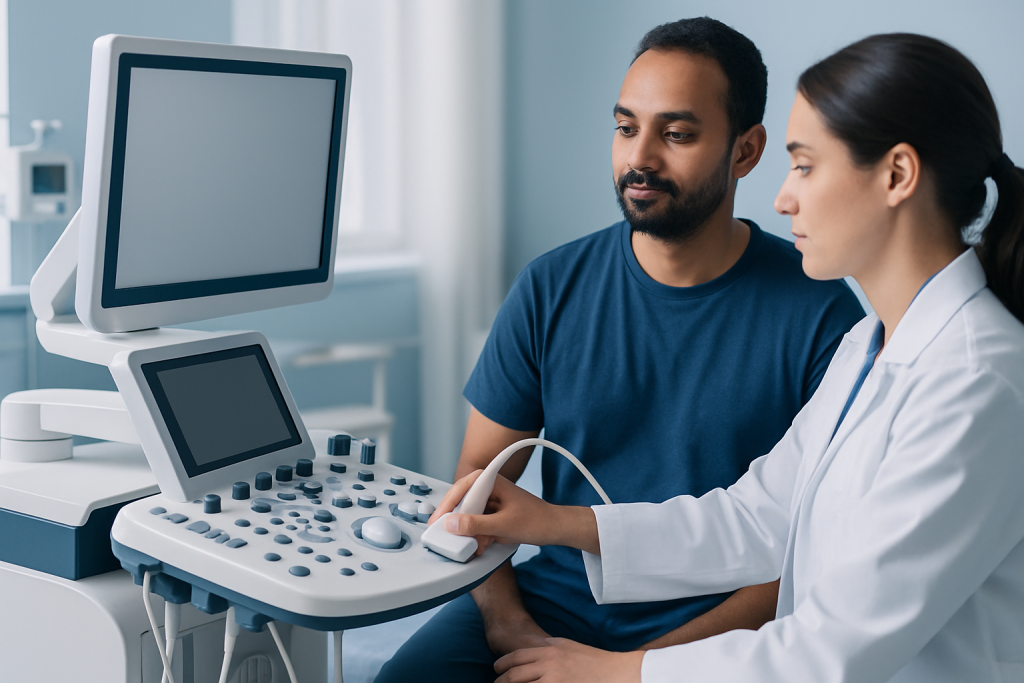
Clinical studies on ashwagandha and testosterone have produced mixed findings. Some randomized trials in men have shown modest increases in testosterone levels after weeks of supplementation, especially in men doing resistance training or in those evaluated for infertility. Other studies have found little or no meaningful change, particularly in healthy men without symptoms.
One reason for these different outcomes is that “ashwagandha” is not one standardized intervention in every study. Researchers may use different extracts, different strengths, different durations, and different participant groups. A result seen in men with infertility or high stress may not apply to older men, athletes, or those with clinically confirmed low testosterone.
Another key point is that testosterone blood levels alone do not tell the whole story. Total testosterone, free testosterone, sex hormone-binding globulin, luteinizing hormone, prolactin, thyroid status, sleep quality, body composition, and medication use can all affect symptoms and interpretation. For that reason, supplement studies may look encouraging while still offering limited practical value for diagnosis or treatment decisions.
Overall, the most evidence-based conclusion is that ashwagandha may have a small hormonal effect in certain settings, but it is not proven to predictably raise testosterone in the general population.
How ashwagandha might affect hormones

Researchers have proposed several mechanisms that could explain a link between ashwagandha and testosterone. One is stress reduction. Chronic stress can raise cortisol, and prolonged elevations in cortisol may interfere with normal reproductive hormone signaling. Because ashwagandha has been studied for possible stress-related benefits, some experts believe any testosterone effect may be indirect rather than a direct hormone-boosting action.
A second possibility involves fertility and testicular function. In some studies of men with infertility, ashwagandha has been associated with improved semen quality and changes in reproductive hormones. This does not mean it works for every cause of infertility, but it suggests that men with oxidative stress or stress-related factors may respond differently than men without those issues.
A third possibility is exercise adaptation. In resistance-training studies, some men taking ashwagandha have shown improved strength or recovery along with modest testosterone changes. Again, it is difficult to know whether the supplement itself directly affects testosterone or whether changes in training tolerance, sleep, stress, and body composition contribute.
These mechanisms remain under study. They are best understood as hypotheses supported by limited human data, not as proof that ashwagandha acts like prescription hormone treatment.
Who might see an effect — and who might not
The men most likely to see a measurable change in testosterone appear to be those with a specific context rather than the general population. Studies suggest possible benefit in selected groups such as men with infertility, men under psychological stress, or men involved in regular resistance training. Even in these groups, however, improvement is not guaranteed.
Healthy men with normal testosterone levels may notice no clinically meaningful change. This is important because many supplement claims are aimed at people who are simply looking for more energy, muscle, or libido. If testosterone is already normal, raising it further through an herbal product is neither predictable nor medically established.
Older adults, men with obesity, people with sleep apnea, and those with chronic illness may have testosterone-related symptoms for reasons that a supplement will not correct. In these cases, identifying the underlying issue matters more than trying an over-the-counter product. Conditions affecting the pituitary, testicles, thyroid, liver, or metabolism may require formal assessment, blood tests, and targeted treatment.
Anyone with persistent sexual, energy, mood, or fertility symptoms may benefit more from a structured evaluation than from self-treating. Depending on the findings, a doctor may discuss lifestyle steps, investigation for erectile dysfunction, or more specialized endocrine or urologic care.
Safety, side effects, and interactions to consider
Ashwagandha is often marketed as natural, but natural does not always mean risk-free. Reported side effects may include stomach upset, diarrhea, drowsiness, headache, or nausea. Some people tolerate it well, while others do not. Because supplement regulation varies by country, product purity, potency, and labeling accuracy can also differ.
People with thyroid disease should be especially cautious, since ashwagandha may affect thyroid hormone levels in some cases. Those with autoimmune disease, liver concerns, hormone-sensitive conditions, or scheduled surgery should also check with a clinician before using it. Pregnant individuals are generally advised to avoid it unless a qualified doctor specifically recommends otherwise.
Medication interactions are another practical concern. Ashwagandha may interact with sedatives, thyroid medications, blood sugar-lowering drugs, blood pressure medicines, and medicines that affect the immune system. Anyone already taking treatment for hormones, mood, or chronic disease should ask a healthcare professional before adding a supplement.
If a person develops symptoms such as palpitations, yellowing of the eyes or skin, severe digestive upset, rash, or unusual fatigue after starting a supplement, it should be stopped and medical advice sought promptly.
A practical medical approach to low testosterone symptoms
When someone is concerned about low testosterone, the most useful first step is not choosing a supplement but confirming whether a hormone problem is actually present. Symptoms such as reduced libido, fewer morning erections, fertility difficulties, low energy, depressed mood, loss of muscle mass, or increased body fat can overlap with sleep deprivation, stress, depression, obesity, thyroid disease, and medication effects.
Doctors usually assess symptoms, medical history, and a morning blood test. Depending on the result, repeat testing may be needed because testosterone levels naturally fluctuate. Additional tests may include free testosterone, luteinizing hormone, follicle-stimulating hormone, prolactin, blood sugar, thyroid tests, and, in some cases, semen analysis or imaging.
If true deficiency is confirmed, treatment depends on the cause and on a person’s goals, especially fertility. Some men need lifestyle changes; others may need targeted treatment or specialist follow-up. In selected cases, clinicians may discuss established therapies such as testosterone replacement therapy, but this is appropriate only after proper evaluation and not as a self-directed anti-aging strategy.
For men whose main concern is fertility, hormone balance is only one part of the picture. Specialist evaluation may include reproductive history and semen testing, and some patients may be guided toward options related to male infertility treatment rather than assuming testosterone is the entire issue.
Lifestyle measures that support healthy testosterone
Compared with supplements, lifestyle measures have more consistent evidence for supporting hormone health. Good sleep is especially important, since testosterone production is closely linked to sleep quality and duration. Untreated sleep apnea, frequent night waking, and chronic sleep restriction can all contribute to lower levels and reduced well-being.
Weight management also matters. Excess body fat, particularly around the abdomen, is associated with lower testosterone and higher estrogen conversion. Regular physical activity, especially strength training combined with cardiovascular exercise, can support body composition, insulin sensitivity, and general metabolic health.
Other helpful steps include limiting heavy alcohol use, avoiding anabolic steroid misuse, managing chronic stress, and reviewing medications with a doctor if symptoms begin after a new prescription. A balanced diet with adequate protein, healthy fats, and micronutrients supports overall endocrine function, though no single food reliably “boosts” testosterone on its own.
For people interested in specialist evaluation, issues such as sexual symptoms, fertility concerns, and urinary or reproductive health can sometimes be assessed through broader urology care depending on the underlying cause.
When to seek medical care
Medical care is appropriate if symptoms of possible low testosterone last more than a few weeks, interfere with quality of life, or affect sexual function or fertility. This includes persistent low libido, erectile difficulties, marked fatigue, loss of muscle mass, hot flashes, reduced shaving frequency, or trouble conceiving.
Prompt assessment is especially important if symptoms begin suddenly, occur with breast enlargement, testicular pain or shrinking, severe headaches, vision changes, or unexplained weight changes. These features may point to an underlying endocrine or pituitary problem that needs proper diagnosis.
A doctor can also help if someone is considering ashwagandha but has chronic illness, takes regular medication, or has had abnormal hormone tests in the past. Near the end of the care pathway, patients who need comprehensive assessment may seek multidisciplinary support; Acibadem International’s specialists and JCI-accredited hospitals diagnose and treat hormone, fertility, and men’s health concerns for international patients.
Frequently asked questions
Can ashwagandha really raise testosterone?
It may modestly raise testosterone in some men, but the effect is not consistent and the evidence is mixed. Benefits, when seen, appear more likely in selected groups such as men under stress, men with infertility, or those doing structured resistance training.
Is ashwagandha a treatment for low testosterone?
No. Ashwagandha is not an established medical treatment for diagnosed low testosterone. If symptoms suggest a hormone disorder, proper testing and evaluation are more important than relying on a supplement.
How long does it take to see any effect from ashwagandha?
Studies that reported changes usually looked at several weeks to a few months of use rather than a few days. Even then, results varied widely, so a lack of change does not necessarily mean anything is wrong.
Are there risks in taking ashwagandha every day?
Some people develop stomach upset, drowsiness, headache, or nausea. It may also interact with medicines and may not be suitable for people with thyroid disease, autoimmune conditions, liver concerns, or pregnancy.
Should men with fertility problems take ashwagandha?
Some studies in men with infertility suggest possible benefit, but fertility problems have many different causes. A semen analysis and medical review are often needed before deciding whether any supplement is appropriate.
What is better than supplements for supporting testosterone?
Sleep, weight management, regular exercise, stress reduction, and treatment of underlying conditions usually have a stronger evidence base. These measures support overall hormone health even when testosterone itself is not the main problem.
References
- National Institutes of Health Office of Dietary Supplements
- Endocrine Society
- U.S. National Library of Medicine
- European Association of Urology
- American Urological Association
This article is for general information only and is not a substitute for professional medical advice. Please consult a qualified doctor about your individual situation.
Explore treatments in Turkey — costs, top hospitals & a free quote
JCI-accredited · board-certified surgeons · reply within 24h
Add us as a Preferred Source to see more of our trusted health content across Google Search, AI Overviews and Discover.

More from the Health Library

Tagamet: What Patients Need to Know

Site of Injection of Insulin: What Patients Need to Know

Healthy Teeth and Gums Through Daily Oral Care

Stamina What Does It Mean — Explained by Medical Evidence, Not Myths

Mastic Gum Benefits: An Evidence-Based Guide for Patients