Tachypneic: A Complete Medical Overview

Tachypneic describes an abnormally fast breathing rate, not a diagnosis on its own. Rapid breathing may be harmless in some situations, but it can also point to lung, heart, metabolic, or infectious conditions.
Key Takeaways
- Tachypneic describes an abnormally fast breathing rate, not a diagnosis on its own.
- Rapid breathing may be harmless in some situations, but it can also point to lung, heart, metabolic, or infectious conditions.
- Doctors assess tachypnea by looking at breathing rate, oxygen levels, symptoms, and the underlying cause.
- Treatment focuses on the reason for the fast breathing, such as infection, asthma, dehydration, or heart or lung disease.
- Urgent care is important if rapid breathing comes with chest pain, blue lips, confusion, severe shortness of breath, or low oxygen.
Tachypneic means a person is breathing faster than normal for their age. It is a clinical sign rather than a disease itself, and it can happen with exercise, fever, anxiety, lung problems, heart conditions, or other medical issues that need evaluation.
Overview: what tachypneic means
Tachypneic means breathing faster than normal. In medical use, the term describes an increased respiratory rate for a person’s age, often noticed during an examination or when someone feels short of breath. It is a sign that the body may be responding to stress, illness, low oxygen, fever, pain, or another trigger.
A person can be tachypneic for temporary and relatively harmless reasons, such as exercise or emotional distress. In other cases, rapid breathing may be the body’s attempt to correct a more serious problem, such as a lung infection, worsening asthma, a heart condition, dehydration, or an imbalance in the blood’s acid-base levels.
This distinction matters because tachypneic breathing is not a diagnosis by itself. The key medical question is why it is happening. Careful assessment of symptoms, medical history, vital signs, and sometimes tests helps determine whether the cause is mild and self-limited or whether prompt treatment is needed.
How normal breathing differs from tachypnea
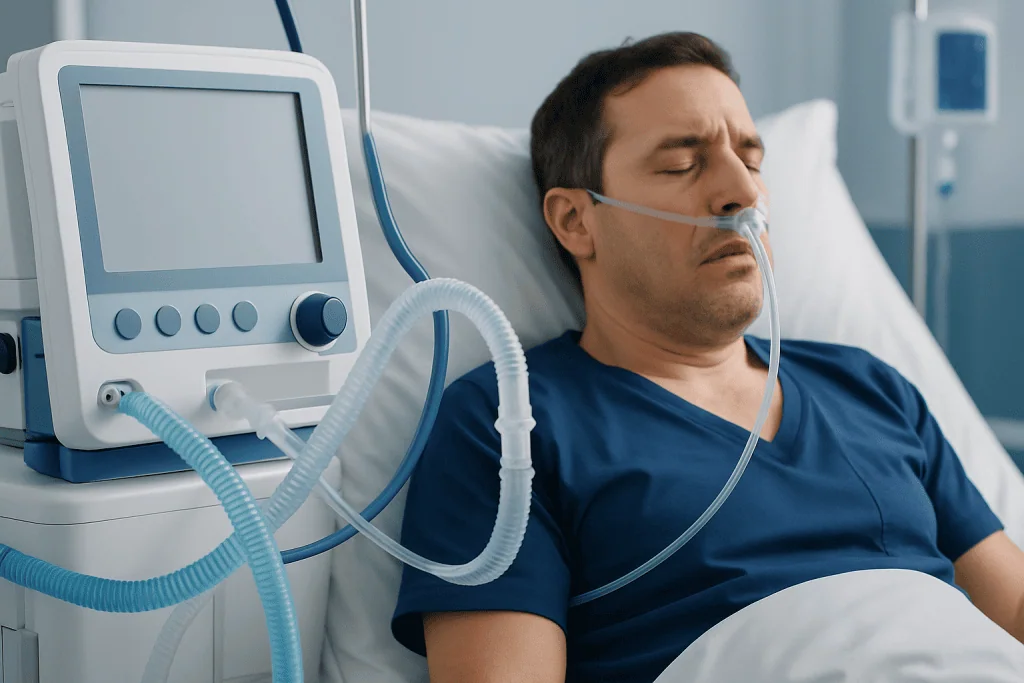
Breathing rate naturally changes with age, activity, temperature, and emotional state. Children normally breathe faster than adults, and even healthy adults may breathe more quickly during exercise, stress, or while recovering from a fever. For that reason, clinicians do not label a person tachypneic based on one number alone without considering the situation.
Tachypnea is different from other breathing patterns that may sound similar. It refers specifically to a fast rate of breathing. Hyperventilation usually means breathing rapidly or deeply enough to lower carbon dioxide levels, often seen with anxiety or panic, though it can occur with medical illness as well. Shortness of breath describes the feeling of difficult breathing, which may or may not happen with tachypnea.
Doctors also look at the quality of breathing, not just the speed. They check whether the person is using extra chest or neck muscles, whether breathing is shallow or labored, whether there is wheezing or coughing, and whether oxygen levels are normal. These details help show how urgent the situation may be.
Symptoms and signs that may occur with tachypneic breathing

Some people who are tachypneic simply notice that they are breathing fast. Others also feel breathless, tired, lightheaded, or unable to take a full breath. If the cause involves the lungs, symptoms may include cough, wheezing, chest tightness, fever, or mucus production. If the cause involves the heart, there may be chest discomfort, swelling in the legs, or worsening breathlessness when lying down.
Physical signs can vary. A clinician may observe quick, shallow breaths, flaring of the nostrils, sweating, pale skin, or use of the muscles between the ribs. In children, rapid breathing can be one of the earliest visible signs of respiratory illness. In adults, it can signal anything from anxiety to serious infection or heart-lung disease.
Warning signs deserve urgent attention. These include bluish lips or fingertips, confusion, fainting, severe chest pain, marked drowsiness, inability to speak full sentences, or a sudden drop in oxygen levels if a home monitor is available. When tachypnea appears together with these symptoms, emergency evaluation is important.
- Fast breathing at rest
- Shortness of breath or air hunger
- Wheezing, cough, or chest tightness
- Fever or chills
- Dizziness, weakness, or confusion
- Blue lips, pale skin, or low oxygen readings
Common causes and risk factors
Tachypneic breathing has many possible causes. Respiratory conditions are among the most common. These include asthma, pneumonia, chronic obstructive pulmonary disease, pulmonary embolism, and viral infections. A person with asthma may breathe rapidly during a flare because narrowed airways make it harder to move air effectively. Likewise, pneumonia can lead to fast breathing as the lungs work harder to maintain oxygen exchange.
Not all causes begin in the lungs. Fever, severe pain, anxiety, panic, dehydration, anemia, sepsis, diabetic ketoacidosis, and heart failure can all increase breathing rate. The body may breathe faster to compensate for low oxygen, excess acid in the blood, or increased metabolic demand. In some cases, medications or stimulant substances may also contribute.
Risk factors depend on the underlying condition. They may include chronic lung disease, smoking history, heart disease, recent surgery, prolonged immobility, obesity, diabetes, older age, and weakened immunity. Infants and older adults can be especially vulnerable because they may deteriorate faster or show less specific symptoms early on.
Because the causes range from minor to urgent, context matters. Rapid breathing after strenuous exercise that settles quickly is very different from being tachypneic at rest, during sleep, or together with chest pain or signs of infection. A clinician’s role is to identify where on that spectrum the problem falls.
How doctors diagnose the cause
Diagnosis starts with a basic but important step: measuring the breathing rate accurately. Clinicians also check pulse, temperature, blood pressure, and oxygen saturation. They ask when the fast breathing started, whether it is constant or episodic, what makes it better or worse, and whether there are associated symptoms such as cough, fever, wheezing, chest pain, palpitations, or anxiety.
The physical examination often focuses on the lungs, heart, circulation, and mental status. Listening to the chest may reveal crackles, wheezing, or reduced breath sounds. The doctor may also look for signs of dehydration, swelling, anemia, or infection. In children, feeding difficulties, grunting, chest retractions, or unusual sleepiness may be especially important clues.
Testing depends on the suspected cause. Common options include blood tests, pulse oximetry, arterial blood gas testing, electrocardiography, and imaging such as a chest X-ray or CT scan. If a clot in the lung is suspected, doctors may arrange urgent imaging. If structural or functional heart disease is a concern, cardiology evaluation may be needed.
Some patients may also need lung function testing if asthma or another airway disease is suspected. Others may be assessed for infection, metabolic disorders, or sepsis. The goal is not only to confirm that the person is tachypneic, but to understand the biological reason behind it so treatment can be targeted correctly.
Treatment options and what management depends on
Treatment for someone who is tachypneic depends entirely on the cause. The breathing rate usually improves when the underlying problem is treated. For example, fever control, fluids for dehydration, antibiotics for a bacterial infection, bronchodilator therapy for asthma, or oxygen support for low oxygen levels may all help normalize breathing.
In respiratory illnesses, management may include inhaled medications, nebulizer treatments, oxygen therapy, or more advanced support if breathing becomes too difficult. People with significant or recurrent wheezing may benefit from specialist assessment through pulmonology care. If a serious infection is affecting the lungs, hospital monitoring can be important to track oxygen levels and response to treatment.
When the cause is related to the heart, treatments might focus on improving circulation, controlling fluid overload, or addressing rhythm problems. In selected patients, the care plan may involve heart care alongside respiratory support. If anxiety is the main factor, reassurance, breathing retraining, and evaluation for panic or stress-related conditions may help once dangerous medical causes have been ruled out.
Emergency treatment is needed when rapid breathing is accompanied by severe distress, confusion, blue discoloration, shock, or worsening oxygen levels. In those situations, clinicians prioritize airway, breathing, and circulation while urgently treating the underlying trigger.
Prevention, self-care, and monitoring at home
Because tachypnea is a symptom rather than a disease, prevention focuses on lowering the risk of the conditions that commonly cause it. That may include keeping asthma or chronic lung disease well controlled, staying up to date with recommended vaccines, treating infections promptly, staying hydrated during illness, and following medical advice for heart disease or diabetes.
At home, it helps to pay attention to the pattern of breathing rather than reacting to a single moment of breathlessness. A temporary increase in breathing after exertion should gradually settle with rest. Fast breathing that appears without clear reason, keeps returning, or becomes more noticeable at rest should be discussed with a doctor. For people with known respiratory disease, an action plan can help guide when to use prescribed medicines and when to seek help.
Healthy lifestyle measures can also reduce risk over time. Avoiding smoking and secondhand smoke, maintaining physical activity as tolerated, managing stress, and attending regular follow-up visits for chronic conditions all support better lung and heart health. Home pulse oximeters may be useful for some patients, but they should not replace clinical assessment when symptoms are concerning.
Near the end of evaluation or treatment planning, some patients may need coordinated specialist care. Acibadem International’s multidisciplinary specialists and JCI-accredited hospitals diagnose and treat respiratory, cardiac, and systemic conditions that can lead to tachypneic breathing for international patients.
When to seek medical care
Medical care is appropriate whenever a person is breathing faster than usual without an obvious short-term explanation, especially if the symptom is new, persistent, or worsening. A same-day evaluation is reasonable if rapid breathing comes with fever, cough, wheezing, chest tightness, or new fatigue, because these can point to infection or a flare of heart or lung disease.
Urgent or emergency care is needed if tachypneic breathing occurs with severe shortness of breath, chest pain, confusion, fainting, blue lips, a sudden inability to speak in full sentences, or signs of allergic reaction such as swelling and wheezing. Infants, older adults, and people with chronic medical conditions should be assessed promptly because they may become unwell more quickly.
It is also sensible to seek care if there is no improvement after using usual prescribed inhalers or other doctor-recommended home measures, or if rapid breathing keeps returning without a clear reason. Early assessment can help identify whether the cause is a manageable illness, a medication issue, or a condition requiring more urgent treatment.
Frequently asked questions
What does tachypneic mean?
Tachypneic means breathing faster than normal for a person’s age. It is a medical sign, not a disease, and it can happen for many different reasons ranging from exercise and anxiety to infection or heart and lung problems.
Is being tachypneic the same as being short of breath?
Not exactly. Tachypnea refers to the speed of breathing, while shortness of breath is the feeling that breathing is difficult or uncomfortable. A person can have one without the other, although they often occur together.
Can anxiety make someone tachypneic?
Yes. Anxiety and panic can cause rapid breathing, sometimes with chest tightness, tingling, or dizziness. However, a doctor may still need to rule out other medical causes if symptoms are new, severe, or unusual for that person.
When is rapid breathing an emergency?
Rapid breathing needs emergency care when it comes with blue lips, severe chest pain, confusion, fainting, severe shortness of breath, or signs of very low oxygen. It is also urgent in infants, frail older adults, or anyone whose condition is quickly worsening.
How do doctors find the cause of tachypnea?
Doctors start with vital signs, a physical examination, and questions about symptoms and timing. Depending on the situation, they may order blood tests, oxygen measurements, chest imaging, heart tests, or lung assessments to identify the underlying problem.
Does tachypneic breathing always mean a lung disease?
No. Lung conditions are common causes, but rapid breathing can also occur with fever, pain, dehydration, anemia, heart disease, sepsis, and metabolic problems such as diabetic ketoacidosis. The full clinical picture helps determine the source.
References
- American Lung Association
- American Heart Association
- Centers for Disease Control and Prevention
- MedlinePlus
- World Health Organization
This article is for general information only and is not a substitute for professional medical advice. Please consult a qualified doctor about your individual situation.
Explore treatments in Turkey — costs, top hospitals & a free quote
JCI-accredited · board-certified surgeons · reply within 24h
Add us as a Preferred Source to see more of our trusted health content across Google Search, AI Overviews and Discover.

More from the Health Library

Saline Solution: What Patients Need to Know

Deep Conditioner: What Patients Need to Know

Oxalates — Explained by Medical Evidence, Not Myths

Estrogen: An Evidence-Based Guide for Patients

Shingrix: What Patients Need to Know