Deep Conditioner: What Patients Need to Know

Deep conditioner is intended mainly for the hair shaft, not as a treatment for scalp disease. It can help reduce dryness, frizz, and breakage when matched to hair type and used as directed.
Key Takeaways
- Deep conditioner is intended mainly for the hair shaft, not as a treatment for scalp disease.
- It can help reduce dryness, frizz, and breakage when matched to hair type and used as directed.
- Overuse or heavy formulas may leave hair limp or cause buildup, especially on fine hair or sensitive scalps.
- Burning, itching, rash, flaking, or sudden hair loss should not be ignored and may need a dermatologist’s assessment.
- Patch testing new products and avoiding damaged skin can lower the risk of irritation.
Deep conditioner is a rich hair treatment designed to add moisture, smoothness, and softness to dry or damaged hair. It is usually safe when used correctly, but scalp irritation, hair shedding, or persistent symptoms may need medical evaluation.
What is deep conditioner?
Deep conditioner is a concentrated conditioning product used to improve the feel and appearance of hair that is dry, frizzy, chemically treated, heat-styled, or prone to breakage. Compared with a regular conditioner, it usually contains a higher amount of moisturizing and smoothing ingredients and is left on the hair for longer before rinsing out.
Most deep conditioners work on the hair shaft rather than the living part of the hair inside the scalp. They can temporarily make hair feel softer, more manageable, and less rough by coating the outer layer of the strand, reducing friction, and helping the hair retain moisture. This is why many people notice less tangling and easier styling after use.
It is important to understand that deep conditioner is a cosmetic hair-care product, not a medical treatment for scalp disease or hair-loss disorders. If dryness is accompanied by itching, redness, scaling, pain, or patchy shedding, the issue may be related to a skin or scalp condition rather than simple hair damage.
How deep conditioner helps the hair

The main role of deep conditioner is to support the outer protective layer of the hair, known as the cuticle. When the cuticle becomes raised or damaged from coloring, bleaching, heat styling, sun exposure, chlorine, or frequent washing, hair can lose moisture more easily and feel rough. Deep conditioning helps smooth this outer surface, which can improve shine and reduce frizz.
Many formulas include humectants that attract water, emollients that soften the hair, and oils or conditioning agents that help reduce moisture loss. Some products also contain proteins or amino acids intended to temporarily reinforce weakened strands. The exact effect depends on the ingredients, hair texture, climate, styling habits, and how damaged the hair is.
People may benefit from deep conditioner if they notice:
- Dryness or a straw-like texture
- Frizz or static
- Tangles and reduced manageability
- Breakage from chemical processing or heat
- Loss of softness after swimming or frequent shampooing
Even though these products can improve hair feel and appearance, they do not reverse permanent structural damage in the same way living tissue heals. Continued gentle care is still needed to limit further breakage.
How to use deep conditioner safely and effectively
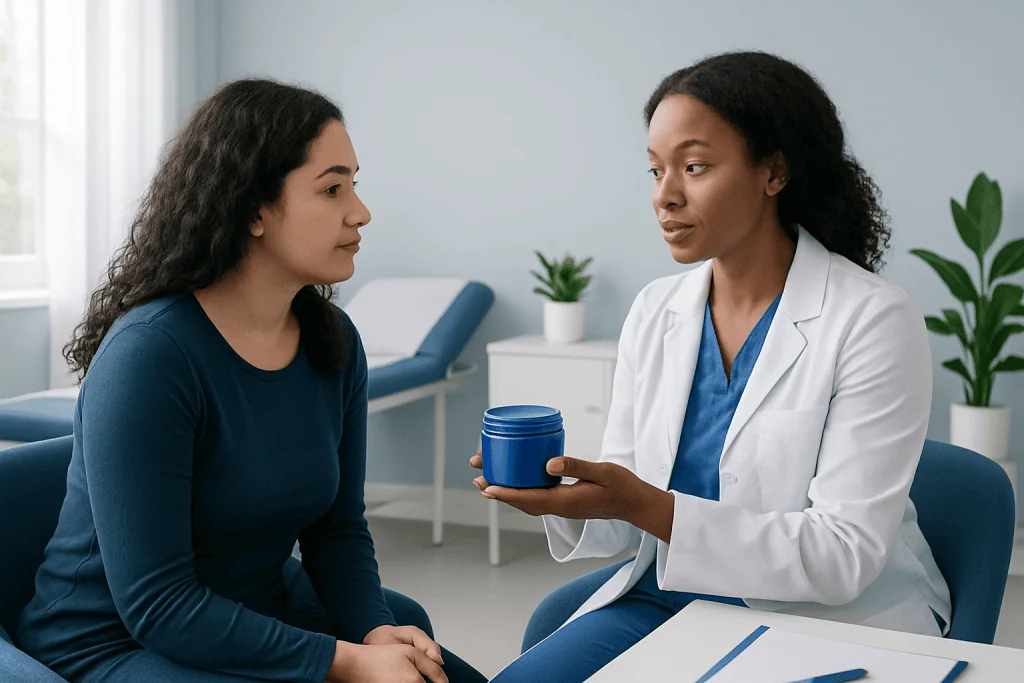
For most people, deep conditioner is applied after shampooing to clean, damp hair. It is usually focused on the mid-lengths and ends, where dryness and breakage tend to be greatest. Unless the product specifically says it is safe for the scalp, it is often best to avoid applying large amounts directly to the roots, especially for people with oily skin, dandruff, or scalp sensitivity.
After application, the product is left on for the time listed on the label and then rinsed thoroughly. Leaving it on much longer than directed does not always improve results and may increase buildup or scalp contact. Very hot water should be avoided because it can contribute to dryness and irritation.
How often to use deep conditioner depends on hair type and damage level. Very dry, curly, coily, bleached, or heat-styled hair may benefit more often than fine or easily weighed-down hair. A practical approach is to start conservatively and adjust based on how the hair responds. If hair begins to feel coated, limp, greasy, or unusually dull, the product may be too heavy or used too frequently.
For people with scalp symptoms, selecting gentle products and discussing ongoing concerns with a specialist in hair loss or scalp disorders can be more useful than repeatedly switching cosmetic products. In some cases, a dermatologist may also recommend a structured medical or supportive plan such as hair restoration treatment when shedding has a separate underlying cause.
Who may need extra caution with deep conditioner?
Deep conditioner is generally well tolerated, but not every formula suits every person. Individuals with sensitive skin, eczema, contact allergies, dandruff, seborrheic dermatitis, or scalp psoriasis may react to fragrances, preservatives, botanical extracts, or certain conditioning agents. A product that works well on the hair can still irritate the scalp if it touches the skin for too long.
People with very fine hair may find that rich products flatten the hair or make it look oily quickly. Those with acne-prone skin around the forehead, neck, or back may also notice clogged pores or breakouts if heavy conditioners are not rinsed away carefully. This is sometimes called pomade acne and may improve with lighter formulations and better cleansing of the hairline.
Extra caution is also sensible after chemical straightening, bleaching, or when the scalp has cuts, sunburn, or scratching. Product exposure on broken skin can sting more and may trigger stronger irritation. In children, products should be kept out of the eyes and used only as directed for their age group.
If a person is already being evaluated for scalp disease or significant shedding, self-treating with multiple hair products can make it harder to identify the true cause. Medical conditions affecting scalp health may overlap with broader skin concerns such as skin cancer or inflammatory disorders, so persistent lesions or nonhealing areas should always be checked by a doctor.
Possible side effects and common mistakes
The most common problems linked to deep conditioner are buildup, heaviness, and scalp irritation rather than serious harm. Buildup can make hair feel coated, sticky, or less responsive to styling. This is more likely when products are layered with oils, leave-in conditioners, or styling creams without adequate washing between uses.
Irritation may present as itching, redness, burning, dandruff-like flakes, or a rash near the hairline, ears, or neck. These symptoms can happen if the formula contains an ingredient the person is sensitive to, or if the product is left on too long. Fragrance is a frequent trigger for people with reactive skin, although many other ingredients can also be responsible.
Another common mistake is using deep conditioner as a solution for active hair shedding. While softer hair may break less, cosmetic conditioning does not treat medical reasons for hair loss such as hormonal changes, nutrient deficiencies, autoimmune disease, severe stress, or scalp inflammation. If shedding is persistent, worsening, or patchy, a medical assessment is more appropriate than increasing product use.
Patch testing a new product on a small area of skin can help identify a possible reaction before full use. If irritation develops, the product should be rinsed off and discontinued. If symptoms are strong or continue despite stopping the product, clinical evaluation is advisable.
When hair or scalp symptoms need medical evaluation
A deep conditioner may improve the comfort and appearance of dry hair, but certain symptoms suggest a problem beyond routine cosmetic care. Medical evaluation is recommended when there is persistent itching, pain, burning, swelling, bleeding, pus, or a rash on the scalp. These findings can point to inflammation, infection, allergy, or another dermatologic condition.
Hair loss also deserves attention when it is sudden, patchy, associated with scalp symptoms, or clearly greater than usual for several weeks. Broken hairs around the scalp margin, widening of the part line, round bald patches, or visible scaling may indicate specific disorders that should be diagnosed properly. A doctor may review scalp health, recent illness, medications, stress, nutrition, and hair-care practices as part of the assessment.
Diagnosis may involve a physical examination and, in some cases, laboratory tests or closer scalp evaluation. Treatment depends on the cause. Supportive options can range from changing product routines to medical therapies, and in selected long-term cases of hair loss, procedures such as hair transplant may be discussed after a full workup.
Acibadem International’s multidisciplinary specialists and JCI-accredited hospitals diagnose and treat hair and scalp conditions for international patients when expert assessment is needed.
Practical self-care tips for healthier hair
Healthy hair care starts with realistic goals. Deep conditioner can be one useful step, but the overall routine matters more than any single product. Gentle shampooing, limiting harsh chemical treatments, reducing excessive heat, and protecting hair from repeated friction can all help preserve softness and reduce breakage over time.
Helpful self-care habits include:
- Choosing a formula suited to the hair type and damage level
- Applying mainly to the lengths and ends unless the label advises otherwise
- Rinsing thoroughly to reduce residue on the scalp and skin
- Using lower heat settings and heat protectants when styling
- Avoiding tight hairstyles that pull on the roots
- Seeking medical advice for ongoing shedding or scalp symptoms instead of repeatedly changing products
General health also influences hair condition. A balanced diet, good sleep, stress management, and treatment of underlying medical issues can support normal hair growth and scalp function. If severe or ongoing hair loss is confirmed, options may include medical management and, for some people, procedural approaches such as Sapphire FUE hair transplant or DHI hair transplant after specialist review.
The safest approach is to see deep conditioner as supportive care rather than a cure. When used thoughtfully, it can improve comfort and appearance while medical causes of scalp or hair problems are identified and treated appropriately.
Frequently asked questions
What does deep conditioner do for hair?
Deep conditioner helps soften and smooth dry or damaged hair by improving moisture retention and reducing friction between strands. It can make hair easier to detangle and style, but it does not treat medical scalp conditions or reverse all structural damage.
How often should deep conditioner be used?
The right frequency depends on hair texture, damage, and styling habits. Drier or chemically treated hair may benefit more often, while fine hair may need it less frequently to avoid heaviness and buildup.
Can deep conditioner cause hair loss?
Deep conditioner does not usually cause true hair loss on its own, but a product reaction may irritate the scalp and make shedding concerns more noticeable. It can also weigh hair down or mask breakage, which may be mistaken for hair loss. Ongoing or patchy shedding should be assessed by a doctor.
Is deep conditioner safe for the scalp?
Some products are tolerated on the scalp, but many are best applied mainly to the hair lengths and ends. People with dandruff, eczema, allergies, or sensitive skin may develop irritation if a heavy or fragranced product stays on the scalp.
What is the difference between regular conditioner and deep conditioner?
Regular conditioner is usually lighter and designed for routine use after washing. Deep conditioner is richer and typically left on longer to provide more intensive softening and moisture support for dry or damaged hair.
When should someone seek medical care instead of trying another conditioner?
Medical care is appropriate if there is scalp pain, redness, severe itching, rash, pus, bleeding, or noticeable hair loss that lasts for weeks. A doctor should also evaluate patchy bald areas, scaling, or sudden changes after illness, medication use, or chemical hair treatments.
This article is for general information only and is not a substitute for professional medical advice. Please consult a qualified doctor about your individual situation.
Hair transplant in Turkey — costs, graft counts & a free assessment
JCI-accredited · board-certified surgeons · reply within 24h
Add us as a Preferred Source to see more of our trusted health content across Google Search, AI Overviews and Discover.

More from the Health Library

Low magnesium symptoms: A Complete Medical Guide for Patients

Lung Sounds: An Evidence-Based Guide for Patients
Kidney Stones: A Complete Medical Overview

Naso carcinoma: A Complete Medical Guide for Patients

Better Me Reviews: An Evidence-Based Guide for Patients