Estrogen: An Evidence-Based Guide for Patients

Estrogen is not a single hormone; it refers to a group of hormones with important roles throughout the body. Both low and high estrogen can cause symptoms, but symptoms alone do not confirm a hormone problem.
Key Takeaways
- Estrogen is not a single hormone; it refers to a group of hormones with important roles throughout the body.
- Both low and high estrogen can cause symptoms, but symptoms alone do not confirm a hormone problem.
- Estrogen levels naturally change during puberty, the menstrual cycle, pregnancy, perimenopause, and menopause.
- Doctors evaluate estrogen concerns using medical history, symptoms, physical examination, and sometimes blood tests or imaging.
- Treatment depends on the cause and may include lifestyle changes, treating an underlying condition, or hormone-based therapy.
Estrogen is a hormone that helps regulate reproduction, menstrual cycles, bone strength, skin, mood, and many other body functions. When estrogen is too low or too high, it can cause symptoms, but the cause and the best treatment depend on age, sex, life stage, and overall health.
Overview: What estrogen does in the body
Estrogen is a group of hormones that plays a central role in sexual and reproductive health, but its effects extend far beyond the ovaries and uterus. It helps regulate the menstrual cycle, supports fertility, maintains vaginal and urinary tissue health, and contributes to bone strength. Estrogen also influences the brain, skin, blood vessels, and metabolism.
Although estrogen is often described as a “female hormone,” all people produce it. In women, the ovaries are the main source during reproductive years, while smaller amounts are also made by the adrenal glands and body fat. In men, estrogen is produced in smaller amounts, mainly through the conversion of testosterone in other tissues, and it supports bone health, sexual function, and other normal processes.
There are several forms of estrogen. Estradiol is the main type during the reproductive years. Estrone becomes more prominent after menopause, and estriol rises during pregnancy. Estrogen levels normally fluctuate across life stages, so what is considered expected for one person may not be expected for another.
Normal changes in estrogen across life stages

Estrogen levels are naturally dynamic. During puberty, rising estrogen helps trigger breast development, changes in body shape, and the start of menstrual cycles. During the menstrual cycle, estrogen rises and falls in a coordinated pattern with other hormones to prepare the body for possible pregnancy.
In pregnancy, estrogen levels increase significantly and help support the uterus, placenta, and developing baby. After childbirth, hormone levels shift again. Later in life, during perimenopause and menopause, estrogen production declines. This transition may happen gradually and can bring symptoms such as hot flashes, irregular periods, sleep disturbance, and vaginal dryness.
In men and boys, estrogen levels are usually much lower, but they still matter. Estrogen contributes to bone development, libido, and aspects of sperm production. Hormone balance in any person depends on multiple glands and organs working together, including the brain, pituitary gland, ovaries or testes, adrenal glands, liver, and body fat.
Symptoms of low or high estrogen

Low estrogen may cause different symptoms depending on age and sex. In women, common concerns can include irregular or missed periods, hot flashes, night sweats, vaginal dryness, discomfort during sex, sleep problems, mood changes, difficulty concentrating, and reduced bone density over time. Younger women with low estrogen may also notice fertility problems or delayed puberty.
High estrogen does not always cause obvious symptoms, and symptoms may overlap with other hormone conditions. Some people report breast tenderness, bloating, headaches, heavy or irregular periods, mood changes, or fluid retention. In men, hormone imbalance may contribute to breast tissue enlargement, lower libido, or fertility concerns, but these symptoms are not specific to estrogen alone.
Because symptoms can have many causes, they should be interpreted carefully. Thyroid disease, stress, certain medicines, changes in body weight, pregnancy, menopause, polycystic ovary syndrome, and pituitary conditions can all produce similar patterns. For this reason, self-diagnosis based only on symptoms or a single hormone test may be misleading.
- Possible low-estrogen symptoms: hot flashes, vaginal dryness, irregular periods, sleep changes
- Possible high-estrogen symptoms: heavy periods, breast tenderness, bloating, headaches
- Not everyone with hormone changes has symptoms
What can affect estrogen levels
Many factors influence estrogen. Age and life stage are the most common reasons for change. Puberty, pregnancy, breastfeeding, perimenopause, and menopause all affect hormone patterns in expected ways. In younger women, intense exercise, very low body weight, eating disorders, severe stress, or chronic illness may suppress ovulation and reduce estrogen production.
Medical conditions can also change estrogen balance. Examples include ovarian insufficiency, pituitary disorders, thyroid disease, obesity, liver disease, and some tumors that affect hormone-producing tissues. Certain medications, including some forms of hormonal contraception or treatments that block hormone production, can alter estrogen levels as well.
In gynecology, estrogen-related symptoms sometimes overlap with conditions such as ovarian cysts or endometriosis, which may cause pelvic pain, irregular bleeding, or fertility concerns. These conditions are not simply caused by “too much estrogen,” but hormone activity can influence how symptoms develop. A careful medical assessment helps identify whether estrogen itself is the main issue or part of a broader condition.
How doctors evaluate estrogen concerns
Evaluation usually starts with a conversation about symptoms, menstrual history, medications, reproductive plans, and personal and family health history. A doctor may ask when symptoms began, whether they change during the month, and whether there are related issues such as weight change, headaches, acne, hair changes, sexual symptoms, or bone concerns.
Physical examination may include blood pressure, body weight, signs of puberty or menopause, breast and pelvic examination when appropriate, and a review of other systems that can affect hormones. Laboratory testing is sometimes helpful, but it is not always necessary. Depending on the situation, a doctor may order estradiol along with other tests such as follicle-stimulating hormone, luteinizing hormone, thyroid function, prolactin, pregnancy testing, or testosterone.
Timing matters when hormone tests are used, because estrogen naturally changes during the menstrual cycle and can vary from day to day. Imaging may be recommended if there is concern about the ovaries, uterus, pituitary gland, or other structures. For example, a clinician may consider pelvic ultrasound or broader endocrine evaluation, and in selected situations treatment planning may involve fertility assessment and IVF care or gynecologic evaluation depending on the person’s goals and findings.
Treatment options depend on the cause
There is no single treatment for estrogen imbalance because management depends on why the hormone level changed, what symptoms are present, and whether treatment is needed at all. Some people need only reassurance and monitoring, especially when hormone variation is expected during puberty, pregnancy, or the menopause transition. Others benefit from addressing an underlying problem such as thyroid disease, low body weight, stress, or a medication side effect.
When estrogen is low and symptoms are significant, doctors may discuss hormone therapy or other symptom-focused treatments. In menopause, this may include systemic or local estrogen therapy for hot flashes or vaginal symptoms, depending on medical history and individual risks. Vaginal moisturizers, lubricants, exercise, sleep support, and bone-health measures may also help. Hormone treatment is not suitable for everyone, so it should be personalized and reviewed regularly.
When symptoms relate to heavy bleeding, pain, fertility problems, or another gynecologic disorder, treatment may focus on that condition rather than estrogen alone. Options may include hormonal medications, non-hormonal medicines, or procedures. If a structural issue is present, care may involve laparoscopic treatment or other specialist management. Near the end of the care pathway, patients may also seek support from centers such as Acibadem International, where multidisciplinary specialists in JCI-accredited hospitals diagnose and treat hormone-related and gynecologic conditions for international patients.
Self-care, bone health, and everyday hormone support
Healthy habits cannot “fix” every hormone problem, but they support the body’s natural balance and may reduce symptom burden. Regular weight-bearing exercise helps protect bones, which is especially important when estrogen levels are low. Balanced nutrition with adequate protein, calcium, vitamin D, and overall energy intake supports hormone function and general health.
Sleep, stress management, and avoiding smoking are also important. Smoking is linked to earlier menopause and poorer bone and cardiovascular health. Maintaining a stable, healthy weight may help some people with hormone-related symptoms, although hormone balance is more complex than diet alone. Extreme dieting or overtraining can disrupt cycles and lower estrogen in some women.
People considering supplements marketed for “estrogen balance” should be cautious. Herbal or over-the-counter products may have variable ingredients, limited evidence, or interactions with medicines. It is safer to discuss persistent symptoms with a qualified doctor rather than relying on products that promise hormone correction without proper evaluation.
When to seek medical care
Medical advice is appropriate when symptoms are new, persistent, or interfering with daily life. A person should speak with a doctor if they have very irregular periods, missed periods without pregnancy, troublesome hot flashes, vaginal bleeding after menopause, pain during sex, unexplained breast changes, or symptoms that raise concern about fertility or bone health.
Urgent care may be needed for very heavy bleeding, severe pelvic pain, fainting, chest pain, shortness of breath, or sudden severe headache. These symptoms are not typical ways to diagnose estrogen problems and may signal another condition that needs prompt attention.
Because estrogen affects many body systems, assessment is often most helpful when it looks at the whole picture rather than only one hormone result. A qualified clinician can explain whether a symptom pattern fits a normal life-stage change, an endocrine issue, or another condition that needs specific treatment.
Frequently asked questions
What is estrogen in simple terms?
Estrogen is a group of hormones that helps regulate reproductive function and many other body processes. It supports menstrual cycles, fertility, bone strength, vaginal tissue health, and has effects on the brain, skin, and blood vessels.
Can men have estrogen problems too?
Yes. Men normally produce small amounts of estrogen, and it plays a role in bone health and sexual function. Symptoms of hormone imbalance in men can have many causes, so a medical evaluation is important before assuming estrogen is the problem.
Does low estrogen always mean menopause?
No. Menopause is one common reason for lower estrogen, but low levels can also happen with intense exercise, low body weight, stress, some medical conditions, and certain medications. Age, symptoms, and other hormone tests help doctors interpret the cause.
How do doctors test estrogen levels?
Doctors may order a blood test, usually for estradiol, when it is clinically useful. The timing of the test matters because estrogen levels change during the menstrual cycle, and a single result may not tell the full story without symptoms and history.
Can estrogen affect mood and sleep?
It can. Changes in estrogen are associated with mood shifts, sleep disruption, and difficulty concentrating in some people, especially during perimenopause or menopause. However, mood and sleep symptoms can also come from stress, thyroid disease, depression, or other health issues.
Is hormone therapy safe for everyone?
No. Hormone therapy can be very helpful for some people, but it is not the best choice for everyone. Doctors weigh symptom severity, age, personal medical history, and potential risks before recommending it.
References
- National Institutes of Health
- American College of Obstetricians and Gynecologists
- Endocrine Society
- North American Menopause Society
- Mayo Clinic
This article is for general information only and is not a substitute for professional medical advice. Please consult a qualified doctor about your individual situation.
Medical weight-loss options in Turkey — costs & eligibility
JCI-accredited · board-certified surgeons · reply within 24h
Add us as a Preferred Source to see more of our trusted health content across Google Search, AI Overviews and Discover.
Check your numbers in seconds
BMI, calories, due date, blood pressure and 30+ more clinical calculators — free, instant, doctor-reviewed ranges.

More from the Health Library



Related Specialists
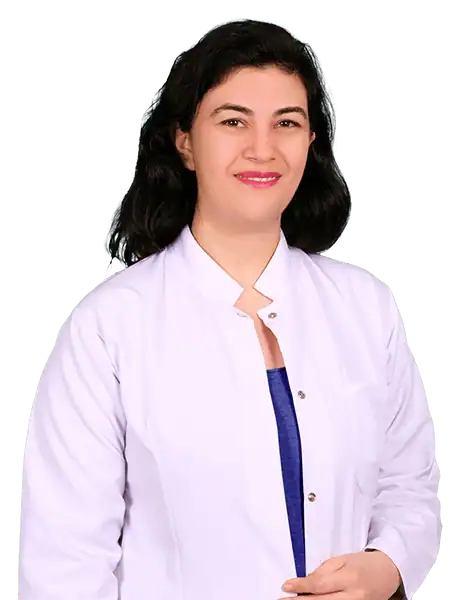
Dr. Ayşe Cennet Sarimehmetoğlu
Cardiology
Prof. Dr. Fuat Demirkıran
Gynecology & Obstetrics
Dr. Emre Çakır
Ophthalmology
Prof. Dr. Hakan Seyisoğlu
Gynecology & Obstetrics