Understanding Eyelid Dermatitis: A Complete Patient Guide

Eyelid dermatitis is common and usually affects the delicate skin of the upper or lower eyelids. Typical symptoms include itching, burning, redness, scaling, dryness, and sometimes swelling.
Key Takeaways
- Eyelid dermatitis is common and usually affects the delicate skin of the upper or lower eyelids.
- Typical symptoms include itching, burning, redness, scaling, dryness, and sometimes swelling.
- Common triggers include cosmetics, skin care products, airborne allergens, nail products, and underlying eczema or allergies.
- Diagnosis is usually clinical, but patch testing may help identify allergic contact dermatitis.
- Treatment focuses on avoiding triggers, restoring the skin barrier, and using doctor-guided anti-inflammatory treatment when needed.
Eyelid dermatitis is inflammation of the thin, sensitive skin around the eyes. It commonly causes itching, redness, dryness, or swelling and is often linked to irritation, allergy, or an underlying eczema tendency.
Overview: what eyelid dermatitis is
Eyelid dermatitis is a general term for inflammation of the skin on or around the eyelids. In practical terms, it means the eyelid skin becomes irritated, red, itchy, dry, or swollen. Because eyelid skin is very thin and exposed to many everyday products, it can react more easily than skin elsewhere on the body.
This condition is not a single disease with one cause. Instead, it is a pattern of skin inflammation that may happen because of irritation, allergy, or a background skin condition such as eczema. Some people have short episodes after contact with a new product, while others develop recurring flares that need a more structured treatment plan.
Eyelid dermatitis can affect one or both eyes and may involve the upper lids, lower lids, or the surrounding skin. Although it can be uncomfortable and frustrating, it is often manageable once the likely triggers are identified and the skin barrier is allowed to heal.
How it looks and feels
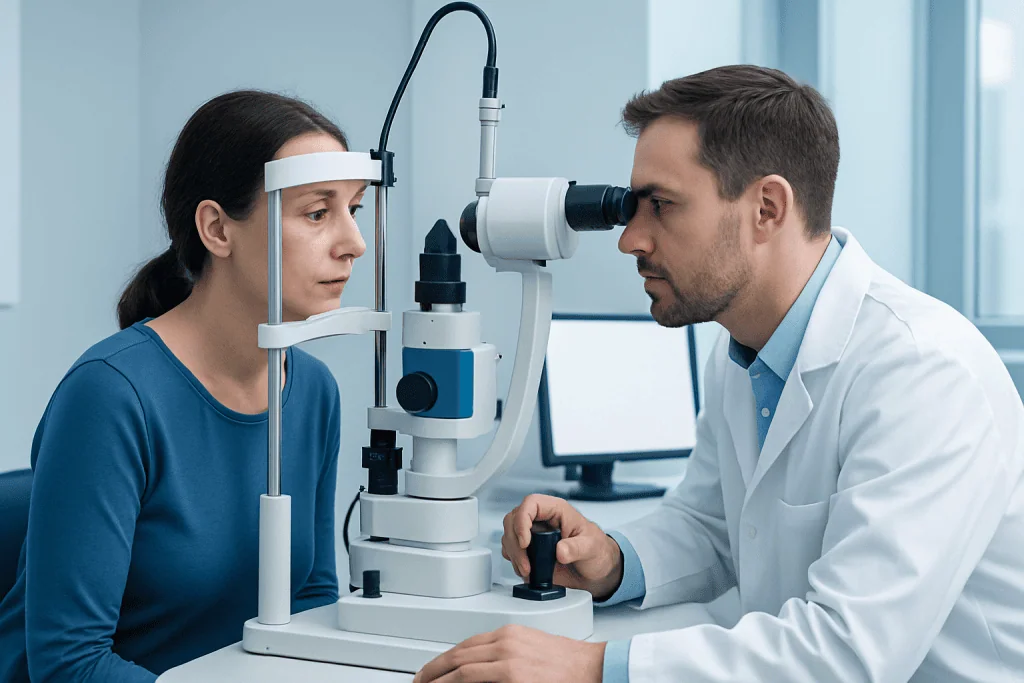
The most common symptom of eyelid dermatitis is itching. Many people also notice burning, stinging, tenderness, or a feeling of tightness around the eyes. The skin may look pink or red on lighter skin tones and darker, purple-brown, or ashy on deeper skin tones.
As inflammation continues, the skin may become dry, flaky, rough, or scaly. In some cases, the eyelids look puffy, especially in the morning. Repeated rubbing can make the skin thicker over time, while more severe irritation can lead to cracking, weeping, or crusting.
Symptoms often come and go. A person may feel better for days or weeks, then flare again after using a cosmetic, touching the eyes after applying nail products, exposure to dust or pollen, or during times of stress and dry weather.
- Itching or burning of the eyelids
- Redness or discoloration
- Dryness, scaling, or flaking
- Swelling or puffiness
- Cracking, sensitivity, or soreness
Why eyelid dermatitis happens

A useful way to understand eyelid dermatitis is to think about the eyelids as a highly sensitive barrier. The skin here is thin, frequently touched, and exposed to products placed on the face, hair, and hands. Even substances that do not bother other parts of the body may trigger inflammation on the eyelids.
One common cause is irritant contact dermatitis, which happens when something directly irritates the skin. This may include cleansers, makeup removers, soaps, shampoos, fragrances, or overuse of active skin care ingredients. Another common cause is allergic contact dermatitis, in which the immune system reacts to a specific substance such as preservatives, metals, fragrance mixes, adhesives, hair dye ingredients, or nail cosmetics.
Eyelid dermatitis may also be related to atopic eczema, especially in people with dry, sensitive skin or a personal or family history of eczema, asthma, or hay fever. Less often, related conditions such as seborrheic dermatitis, psoriasis, or blepharitis can affect the eyelid area and may need to be distinguished from simple irritation. In some patients, a dermatologist may also consider whether symptoms overlap with atopic dermatitis or other facial rashes such as rosacea.
Common triggers and risk factors
The source of eyelid dermatitis is not always obvious because the trigger may come from something applied nearby rather than directly on the eyelid. Mascara, eyeliner, eye shadow, sunscreen, moisturizer, anti-aging creams, facial wipes, and false eyelash glue are familiar examples. However, hair sprays, shampoos, fragrances, and nail polish or gel nails can also transfer to the eyelids through the hands.
Environmental factors matter as well. Dust, pollen, smoke, low humidity, and frequent eye rubbing can worsen already sensitive skin. People who wear contact lenses may react to lens solutions or develop irritation from repeated handling of the eye area. Occupational exposure to chemicals, disinfectants, or airborne particles can also play a role.
Some individuals are more prone to eyelid dermatitis because they have sensitive skin, underlying eczema, or a history of allergies. Repeated use of multiple cosmetic or skin care products can increase the number of possible exposures, which makes identifying the exact trigger more challenging. Keeping a symptom diary and simplifying product use often helps uncover patterns.
How doctors diagnose eyelid dermatitis
Diagnosis usually begins with a careful history and skin examination. A doctor asks when the rash started, whether it affects one or both eyes, what products are used on the face or hands, and whether there is a personal or family history of eczema or allergies. This step is especially important because the pattern of exposure often provides the clearest clue.
In many cases, eyelid dermatitis can be diagnosed clinically. The doctor will also consider other causes of eyelid inflammation, including infections, blepharitis, psoriasis, seborrheic dermatitis, and swelling related to eye disease. If the eyes themselves are red, painful, or sensitive to light, an eye specialist may need to assess the surface of the eye as well.
When allergic contact dermatitis is suspected, patch testing may be recommended. This is different from a food allergy test or a skin prick test. Patch testing places small amounts of common allergens on the skin, usually on the back, to identify delayed allergic reactions. If diagnosis remains uncertain, a patient may benefit from coordinated evaluation in dermatology and, when needed, ophthalmology.
Treatment options and recovery
Treatment is based on the cause, but the first step is usually the same: remove likely triggers and give the skin a chance to recover. Doctors often advise stopping nonessential cosmetics and skin care products around the eyes for a period of time. Gentle cleansing and regular use of a bland, fragrance-free moisturizer suitable for sensitive skin can help restore the skin barrier.
If inflammation is more than mild, a doctor may prescribe short-term anti-inflammatory treatment. Because eyelid skin is delicate, medications used here should be selected carefully and used only as directed. Depending on the situation, treatment may include a mild topical corticosteroid for a limited time or a nonsteroidal anti-inflammatory cream or ointment that is more suitable for sensitive areas.
When allergy is confirmed, long-term improvement depends on strict avoidance of the specific allergen. If irritation is the main problem, treatment focuses on simplifying routines and protecting the skin from over-cleansing, rubbing, and repeated exposure. Patients with recurrent or complex cases may need specialist input; in selected cases, care can overlap with broader eczema treatment strategies. Recovery is often gradual, with improvement over days to a few weeks once the trigger is removed.
Self-care, prevention, and daily habits
Prevention usually centers on reducing exposure rather than doing more. A simple skin care routine is often best: a gentle cleanser if needed, a fragrance-free moisturizer, and careful hand hygiene before touching the eyes. New products should be introduced one at a time so that any reaction can be recognized more easily.
People with frequent flares may benefit from avoiding fragranced products, harsh exfoliants, retinoids close to the eyelids, and waterproof makeup that requires strong removers. Nail products deserve special attention because allergens from polish, acrylics, and gel systems commonly reach the eyelids through hand-to-eye contact. Avoid rubbing or scratching, as this can worsen inflammation and delay healing.
If outdoor allergens seem to be part of the problem, washing the face after exposure and changing pillowcases regularly may help. For people who wear contact lenses, reviewing cleaning solutions and lens habits with a clinician can be useful. Near the end of a patient’s care pathway, support from a multidisciplinary team may be helpful; Acibadem International’s specialists in JCI-accredited hospitals diagnose and treat skin and eye conditions for international patients when further evaluation is needed.
When to seek medical care
Medical evaluation is important if eyelid dermatitis is severe, keeps returning, or does not improve after avoiding obvious irritants. A doctor should also review symptoms when the rash spreads beyond the eyelids, interferes with sleep, or causes significant swelling and discomfort.
Urgent assessment is needed if there is eye pain, changes in vision, marked light sensitivity, fever, pus, or rapidly worsening swelling. These features may suggest a problem that goes beyond simple skin irritation. It is also wise to seek care before using prescription creams near the eyes, since treatment in this area needs special caution.
If symptoms are persistent, patch testing or specialist review can help identify hidden allergens and prevent repeated flares. Early diagnosis often shortens recovery time and reduces the risk of chronic irritation, skin thickening, or repeated use of products that continue to trigger the problem.
Frequently asked questions
Is eyelid dermatitis the same as an eye infection?
No. Eyelid dermatitis is inflammation of the skin, usually caused by irritation, allergy, or eczema, while an infection is caused by bacteria, viruses, or other organisms. Because symptoms can sometimes overlap, a doctor should assess cases with pain, pus, fever, or worsening swelling.
Can makeup cause eyelid dermatitis?
Yes. Makeup and related products are common triggers, including mascara, eyeliner, eye shadow, removers, false eyelash glue, and preservatives or fragrances in cosmetics. Sometimes the trigger comes from nail products or hair products transferred to the eyelids by the hands.
How long does eyelid dermatitis last?
Mild cases may start to improve within days after the trigger is removed, but full healing can take longer because eyelid skin is delicate. If the cause remains unknown or exposure continues, symptoms may persist or keep returning.
Can eyelid dermatitis be related to eczema?
Yes. People with atopic eczema often have a weaker skin barrier and more sensitive skin, which makes eyelid inflammation more likely. In these cases, long-term management may include trigger avoidance and gentle skin barrier care.
Should petroleum jelly or moisturizer be used on irritated eyelids?
A bland, fragrance-free moisturizer may help protect the skin barrier, but products should be simple and used carefully near the eyes. It is best to avoid heavily fragranced creams or active ingredients unless a doctor recommends them.
Will eyelid dermatitis go away on its own?
It can improve on its own if the trigger is removed and the skin is allowed to heal. However, repeated episodes are common if the underlying cause, such as an allergen or irritant, is not identified.
References
- American Academy of Dermatology
- National Eczema Association
- American Academy of Ophthalmology
- British Association of Dermatologists
This article is for general information only and is not a substitute for professional medical advice. Please consult a qualified doctor about your individual situation.
Explore treatments in Turkey — costs, top hospitals & a free quote
JCI-accredited · board-certified surgeons · reply within 24h
Add us as a Preferred Source to see more of our trusted health content across Google Search, AI Overviews and Discover.