How to Stop Heart Palpitations? Causes, Explanations, and Next Steps
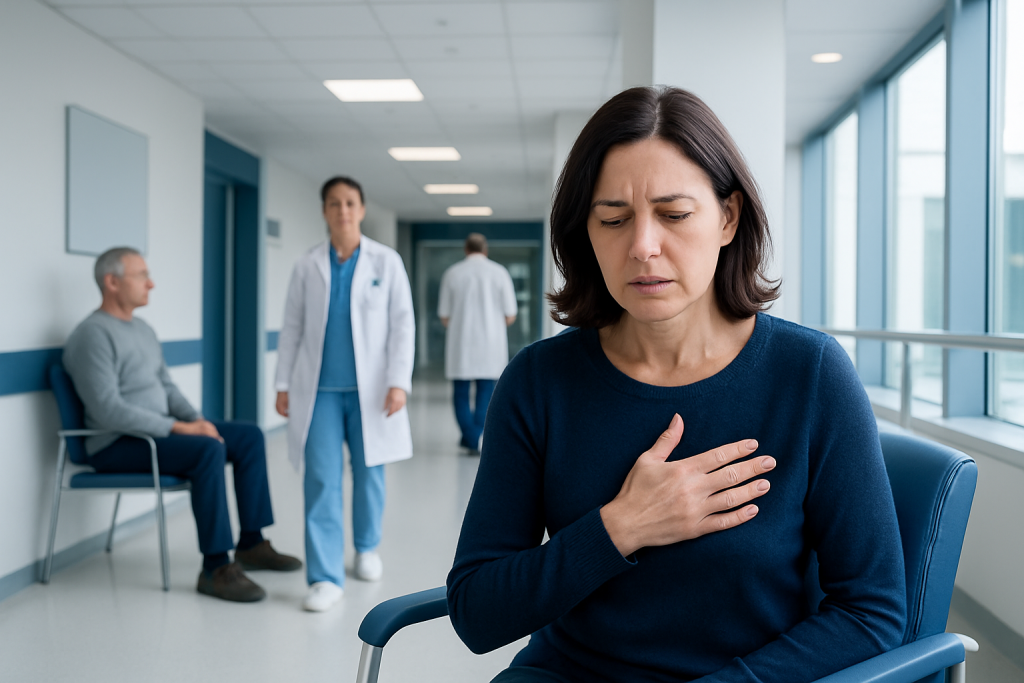
Many palpitations are brief and linked to stress, caffeine, dehydration, lack of sleep, or vigorous exercise. Simple steps such as sitting down, slow breathing, drinking water, and stopping stimulants may help symptoms pass.
Key Takeaways
- Many palpitations are brief and linked to stress, caffeine, dehydration, lack of sleep, or vigorous exercise.
- Simple steps such as sitting down, slow breathing, drinking water, and stopping stimulants may help symptoms pass.
- Palpitations can also be caused by arrhythmias, thyroid problems, anemia, medication effects, or heart disease.
- Doctors may use an ECG, blood tests, ambulatory heart monitoring, and an echocardiogram to find the cause.
- Urgent medical care is needed if palpitations happen with chest pain, fainting, severe shortness of breath, or persistent dizziness.
Heart palpitations are often harmless and may settle with rest, hydration, and avoiding common triggers such as caffeine, stress, or nicotine. However, palpitations with chest pain, fainting, shortness of breath, or a very fast or irregular heartbeat should be assessed by a doctor.
Overview: What to Do When Heart Palpitations Start
For many people, the answer to how to stop heart palpitations is simple: pause activity, sit or lie down, take slow steady breaths, drink water, and avoid more caffeine, nicotine, alcohol, or energy drinks. Palpitations are often harmless, especially when they are brief and happen during stress, anxiety, dehydration, or after stimulants.
At the same time, not every fluttering, pounding, or skipped beat should be ignored. If palpitations come with chest pain, fainting, severe shortness of breath, marked dizziness, or a racing heartbeat that does not settle, medical assessment is important. This balanced approach helps separate common, short-lived symptoms from signs that may need urgent attention.
Palpitations are a symptom rather than a diagnosis. Some people feel a flip-flop in the chest, while others notice pounding in the throat or neck, a rapid heartbeat, or a sensation that the heart has skipped a beat. A doctor’s role is to decide whether the feeling is most likely benign or related to an underlying rhythm problem, medication effect, hormone issue, or heart condition.
What Heart Palpitations Feel Like
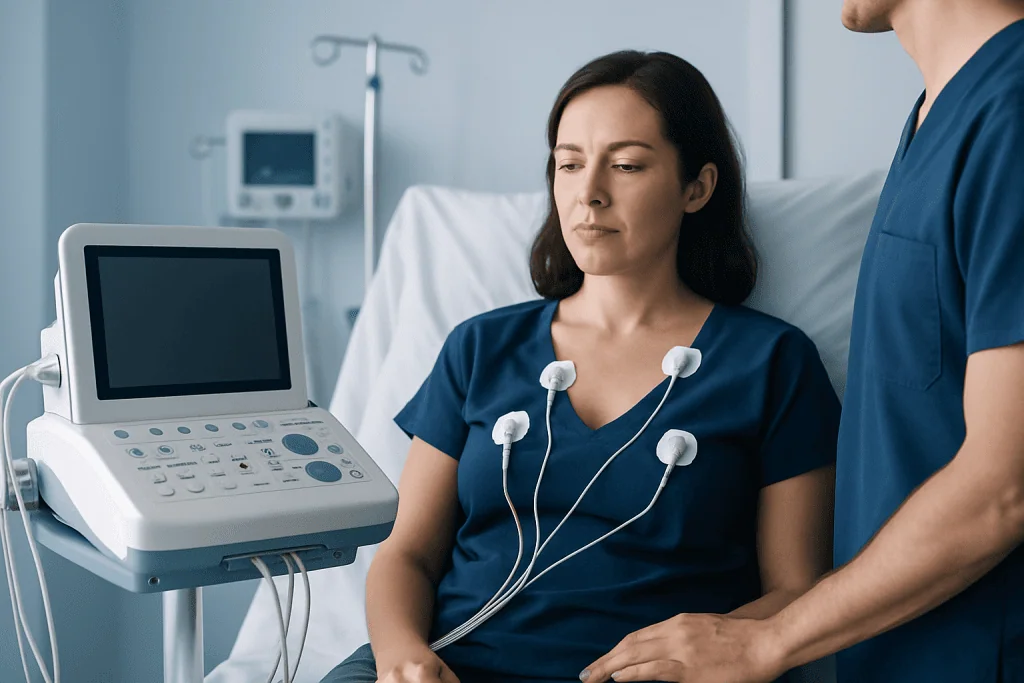
Heart palpitations are an awareness of the heartbeat. They may feel like fluttering, thumping, racing, pounding, or an occasional missed beat followed by a stronger beat. Some episodes last only a few seconds, while others continue for minutes or longer.
They can happen during exercise, emotional stress, after a large meal, when lying in bed at night, or even at rest. Some people feel them in the chest only, while others notice the sensation in the throat or neck. Noticing this pattern can help a doctor understand whether the trigger is likely to be stress, body position, exertion, or a change in blood sugar or hydration.
Palpitations may occur on their own or with other symptoms. These can include lightheadedness, breathlessness, sweating, fatigue, or anxiety. Although anxiety can trigger palpitations, it is also common for a sudden irregular heartbeat to create anxiety, so both possibilities should be considered rather than assuming one caused the other.
Common Causes and Risk Factors

Many everyday factors can trigger palpitations without indicating serious heart disease. Common examples include emotional stress, panic, dehydration, lack of sleep, fever, strenuous exercise, caffeine, nicotine, alcohol, and stimulant-containing products such as some energy drinks or decongestants. Hormonal shifts during menstruation, pregnancy, or menopause can also play a role.
Medicines and supplements are another frequent cause. Some asthma inhalers, thyroid medications, cold remedies, weight-loss products, herbal stimulants, and recreational drugs can provoke a fast or irregular heartbeat. In other cases, palpitations are linked to medical conditions such as anemia, an overactive thyroid, low blood sugar, electrolyte imbalances, or infections.
Sometimes palpitations reflect a heart rhythm disorder, also called an arrhythmia. These may include extra beats, supraventricular tachycardia, atrial fibrillation, or other electrical conduction problems. Structural heart disease, valve problems, coronary artery disease, or cardiomyopathy can increase the likelihood of rhythm changes, particularly if symptoms occur with exertion or are associated with fainting or chest discomfort. A doctor may evaluate for arrhythmia or other heart disease when symptoms suggest more than a temporary trigger.
How to Calm Palpitations at Home
If palpitations start and the person otherwise feels well, several simple steps may help. The first is to stop what they are doing, sit or lie down, and focus on slow breathing. Drinking water can help if dehydration is a trigger, and moving to a cool, quiet place may reduce symptoms related to stress, heat, or overstimulation.
It can also help to think about what happened just before the episode. Recent coffee, tea, alcohol, nicotine, poor sleep, intense exercise, or emotional strain may point to a temporary cause. If episodes are mild and brief, keeping a symptom diary with timing, duration, activities, foods, drinks, and medications can make later medical review more useful.
Not all self-help methods are suitable for everyone. Some people hear about vagal maneuvers, such as bearing down or using other techniques to slow a racing heart, but these should not replace medical advice and are not appropriate for every rhythm problem. If the diagnosis is unknown, symptoms are severe, or the person has heart disease, it is safer to seek professional guidance rather than repeatedly trying to manage episodes alone.
- Pause activity and rest.
- Take slow, steady breaths.
- Drink water if dehydration is possible.
- Avoid additional caffeine, nicotine, alcohol, and stimulants.
- Note the time, duration, and possible trigger.
When to Seek Medical Care
Medical care should be sought promptly if palpitations happen with chest pain, fainting, near-fainting, severe shortness of breath, new confusion, or ongoing dizziness. These symptoms can indicate that the heart rhythm is affecting blood flow or that another urgent problem is present. Emergency assessment is also wise if the heartbeat is very fast, very irregular, or does not settle after several minutes of rest.
A non-urgent medical review is also appropriate when palpitations are becoming more frequent, last longer than before, wake a person from sleep, occur during exercise, or happen in someone with known heart disease, thyroid disease, or a family history of sudden cardiac problems. Pregnant patients, older adults, and anyone taking new medicines or supplements should mention new palpitations to a clinician.
Even when symptoms seem mild, repeated episodes deserve attention if they affect daily life or cause worry. A careful evaluation can reassure when the cause is benign and can identify treatable problems early. This is especially important if the pattern changes over time.
How Doctors Diagnose the Cause
Doctors begin by asking what the palpitations feel like, how long they last, how often they happen, and whether they start at rest or with exertion. They also ask about caffeine, alcohol, nicotine, medications, supplements, sleep, stress, recent illness, and family history. The description of the rhythm sensation, along with associated symptoms such as dizziness or chest discomfort, often provides important clues.
A physical examination and an electrocardiogram (ECG) are common first steps. Because some rhythm problems come and go, the ECG may look normal between episodes. In that case, a doctor may recommend ambulatory monitoring, such as a Holter monitor or event recorder, to capture the heartbeat during symptoms. Blood tests may check thyroid function, anemia, infection, or electrolyte imbalance.
Further testing depends on the findings. An echocardiogram can assess heart structure and valve function, while exercise testing may be used if symptoms are linked to exertion. When a rhythm disorder is confirmed, a patient may be referred for an electrophysiology study or specialist rhythm evaluation. In some cases, imaging such as echocardiography helps clarify whether the heart muscle or valves are contributing to symptoms.
Treatment Options and Longer-Term Management
Treatment depends on the cause. If palpitations are linked to lifestyle triggers, management often focuses on hydration, sleep, stress reduction, and limiting caffeine, nicotine, alcohol, or stimulant medications when possible. Correcting thyroid disease, anemia, infection, or low electrolyte levels can also resolve symptoms.
When a heart rhythm disorder is responsible, treatment may include monitoring, medication, or a procedure to restore or control the rhythm. For example, some patients with persistent or troublesome rhythm disturbances may be treated with medicines that slow the heart rate or stabilize the rhythm. Others may benefit from cardiac ablation if a specific abnormal electrical pathway is found.
If palpitations are part of a broader cardiovascular issue, care may involve evaluation by cardiology specialists and treatment of the underlying condition. Near the end of the diagnostic pathway, some patients may need structured follow-up for blood pressure, coronary risk, or valve disease. Acibadem International’s multidisciplinary specialists in JCI-accredited hospitals diagnose and treat heart rhythm and structural heart conditions for international patients when further assessment is needed.
Prevention and Practical Self-Care
Prevention is not always possible, but many people can reduce episodes by identifying personal triggers. A regular routine that supports sleep, hydration, balanced meals, and stress management can make palpitations less frequent. Limiting stimulants and avoiding smoking are especially important for people who notice a clear link between these exposures and symptoms.
It is also helpful to review medicines and supplements with a doctor or pharmacist, especially over-the-counter cold remedies, workout supplements, and herbal products. Stopping prescribed medication without medical advice is not recommended, but discussing side effects may lead to safer alternatives.
For people with diagnosed rhythm problems, following the treatment plan matters. This may include taking medicines as directed, attending follow-up appointments, and seeking advice if symptoms change. Self-monitoring can be useful, but wearable devices do not replace a clinical diagnosis. If symptoms are frequent or concerning, formal cardiac assessment remains the safest next step.
Frequently asked questions
How do you stop heart palpitations quickly?
Many brief palpitations improve by stopping activity, sitting or lying down, breathing slowly, and drinking water. It also helps to avoid more caffeine, nicotine, alcohol, or energy drinks. If symptoms are severe or do not settle, medical care is important.
Are heart palpitations usually harmless?
Often they are harmless, especially when they are brief and linked to stress, caffeine, dehydration, or lack of sleep. However, palpitations can sometimes signal an arrhythmia or another medical condition. The overall pattern and any associated symptoms help determine the level of concern.
When should someone worry about heart palpitations?
Palpitations should be taken seriously if they happen with chest pain, fainting, severe shortness of breath, persistent dizziness, or a very rapid or irregular heartbeat. Episodes that are new, frequent, prolonged, or triggered by exercise also deserve medical review. A person with known heart disease should mention new palpitations promptly.
Can anxiety cause heart palpitations?
Yes, anxiety and panic can trigger a noticeable racing or pounding heartbeat. At the same time, a sudden change in heart rhythm can itself cause anxiety, so symptoms should not automatically be blamed on stress alone. Recurrent episodes should be discussed with a doctor if the cause is uncertain.
What tests are used for heart palpitations?
Doctors often start with a medical history, physical exam, and ECG. Depending on the situation, they may also use blood tests, a Holter or event monitor, an echocardiogram, or an exercise test. These tests help identify whether the symptoms come from a benign trigger or an underlying rhythm or heart problem.
Does dehydration cause heart palpitations?
Yes, dehydration can contribute to palpitations by affecting circulation and electrolyte balance. This is one reason drinking water and resting may help when symptoms are mild. If palpitations keep happening despite good hydration, another cause may need to be investigated.
References
- American Heart Association
- National Heart, Lung, and Blood Institute
- Mayo Clinic
- National Health Service
- European Society of Cardiology
This article is for general information only and is not a substitute for professional medical advice. Please consult a qualified doctor about your individual situation.
Explore treatments in Turkey — costs, top hospitals & a free quote
JCI-accredited · board-certified surgeons · reply within 24h
Add us as a Preferred Source to see more of our trusted health content across Google Search, AI Overviews and Discover.

More from the Health Library



Related Specialists

Yaren Kasal
Physical Medicine & Rehabilitation
Assoc. Prof. Dr. İsmail Ahmet Bilgin
General Surgery
Dyt. Eda Honca
Nutrition & Diet
Prof. Dr. Dilek Biyik Özkaya
Dermatology