Meditation Techniques for Anxiety — Explained by Medical Evidence, Not Myths
Meditation may help lower anxiety symptoms by training attention, breathing, and awareness of thoughts without reacting automatically. The strongest benefits usually come from regular practice rather than a single session.
Key Takeaways
- Meditation may help lower anxiety symptoms by training attention, breathing, and awareness of thoughts without reacting automatically.
- The strongest benefits usually come from regular practice rather than a single session.
- Mindfulness, breathing meditation, body scan, and guided practices are among the most studied techniques.
- Meditation is supportive, but it does not replace medical evaluation for persistent, severe, or worsening anxiety.
- Some people feel more aware of uncomfortable thoughts at first, so a gradual, structured approach is often best.
Meditation techniques for anxiety can reduce stress reactivity, improve emotional regulation, and help some people feel calmer over time. They are not a cure for anxiety disorders, but medical evidence suggests they can be a useful part of a broader care plan that may also include therapy, lifestyle changes, and professional support.
What meditation techniques for anxiety can really do
Meditation techniques for anxiety can help many people feel calmer, less reactive, and more able to manage distressing thoughts. Medical evidence suggests that regular meditation, especially mindfulness-based practices, may reduce anxiety symptoms for some individuals by improving attention control, breathing patterns, and awareness of emotions. However, meditation is best understood as a supportive tool rather than a stand-alone cure.
This matters because anxiety is not simply “overthinking.” It may involve changes in the body’s stress response, sleep, concentration, muscle tension, and mood. Meditation can influence some of these processes by encouraging slower breathing, reducing habitual worry loops, and helping the mind return to the present moment instead of staying focused on future threats.
The effect is usually gradual. Some people notice short-term relief after a few minutes of guided breathing, while others benefit only after several weeks of consistent practice. Results also vary depending on the type of anxiety, the technique used, and whether meditation is combined with approaches such as counseling, sleep support, exercise, or treatment for related conditions such as anxiety disorders.
How meditation may help the anxious brain and body
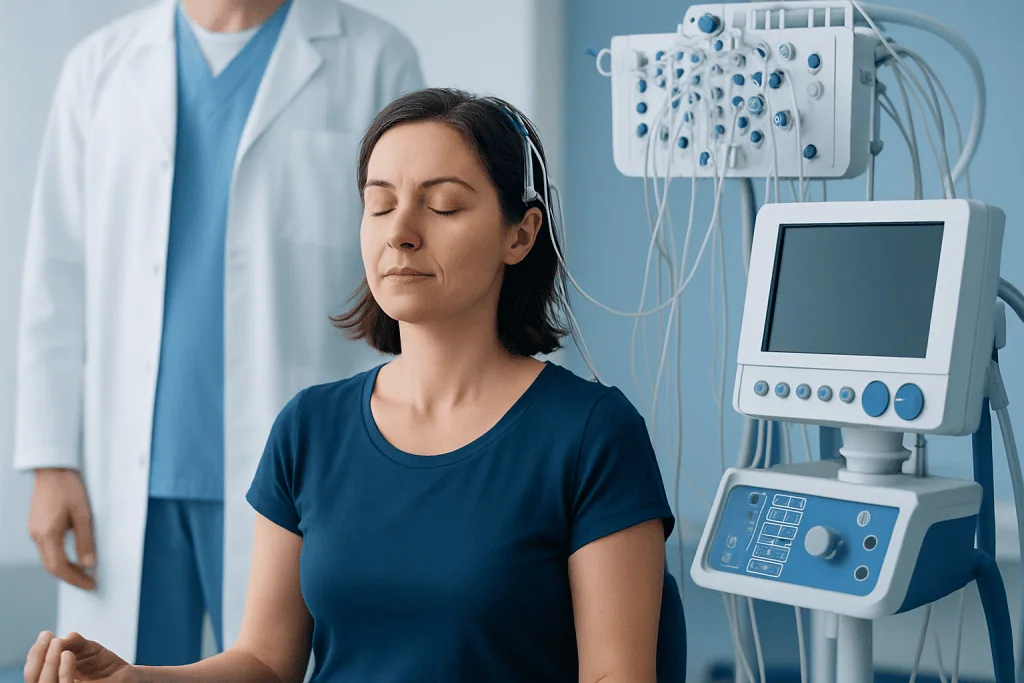
From a medical perspective, anxiety often involves heightened alertness. The nervous system may remain in a state of readiness, making the heart beat faster, breathing become shallow, muscles tighten, and thoughts race. Meditation does not erase stress, but it can help interrupt this pattern by shifting attention and encouraging a steadier physiological state.
Mindfulness meditation teaches a person to notice thoughts, body sensations, and emotions without judging them or responding immediately. Over time, this may reduce the tendency to become caught up in spirals of worry. Breathing-based meditation can also support slower, more regular breathing, which may lessen the physical discomfort that often accompanies anxiety.
Research on meditation is still developing, and not every study shows the same degree of benefit. Still, many clinical guidelines recognize mindfulness-based strategies as reasonable supportive options for stress and mild to moderate anxiety symptoms. They are often used alongside psychotherapy, including psychotherapy, especially when anxiety affects daily functioning.
Meditation techniques with the best evidence for anxiety
Not all meditation practices work in the same way. For anxiety, the most useful techniques are usually simple, structured, and easy to repeat. People often do best when they begin with short sessions and focus on one method rather than trying many at once.
Common evidence-informed meditation techniques for anxiety include:
- Mindfulness meditation: noticing thoughts, feelings, and sensations as they arise, then gently returning attention to the breath or body.
- Breathing meditation: focusing on slow, natural breathing and the sensation of air moving in and out.
- Body scan meditation: moving attention through the body step by step to notice tension and release it.
- Guided meditation: listening to a therapist, teacher, or audio recording that provides structure and reassurance.
- Loving-kindness meditation: silently repeating phrases of goodwill toward oneself and others, which may help reduce self-criticism.
Among these, mindfulness and breathing-based methods are the most widely studied. Body scans may be especially helpful for people whose anxiety is strongly physical, such as chest tightness, restlessness, or muscle tension. Guided meditation can be a practical starting point for beginners because it reduces uncertainty about what to do during the session.
Some people also ask about movement-based practices such as yoga or tai chi. These are not always classified as meditation alone, but they can combine mindful attention, breathing, and gentle movement. In appropriate cases, a doctor may also suggest complementary approaches such as stress management strategies as part of a broader plan.
How to start meditation safely and realistically
A common reason people stop meditating is the expectation that the mind should become completely quiet. In reality, meditation is not about eliminating thoughts. It is about noticing when attention has wandered and gently bringing it back. That repeated return is part of the practice.
For anxiety, a realistic starting plan may be five minutes once or twice a day in a quiet place, sitting comfortably with normal breathing. A person can focus on the breath, sounds in the room, or body sensations. When worries appear, they do not need to be forced away; they can simply be noticed and allowed to pass.
It may help to:
- Practice at the same time each day
- Use a short guided audio for structure
- Keep sessions brief at first
- Choose a comfortable posture rather than a rigid one
- Stop and reset if the practice feels overwhelming
Some people with significant trauma, panic symptoms, or severe anxiety may feel more distressed when sitting silently with internal sensations. In these situations, shorter guided practices, open-eye meditation, or therapist-supported techniques may be more appropriate. If anxiety is persistent or disruptive, evaluation for panic-related symptoms or other mental health concerns can be important.
What meditation can and cannot replace
Meditation can be helpful, but it has limits. It does not replace a proper medical assessment when anxiety is frequent, intense, or affecting sleep, relationships, work, or physical health. It also does not treat every underlying cause of anxiety, which may include depression, trauma, thyroid problems, medication effects, substance use, or chronic illness.
For some people, meditation works best as part of a broader care plan. This may include cognitive behavioral therapy, lifestyle measures, improved sleep habits, exercise, and, when appropriate, medication. Combining approaches is often more effective than relying on one strategy alone, especially for diagnosed anxiety disorders.
If symptoms are severe, a clinician may recommend formal mental health care, including psychiatric evaluation and treatment. Meditation can still be included, but usually as a complement. This balanced approach helps avoid the myth that a person is failing if meditation alone does not bring enough relief.
Practical self-care habits that improve results
Meditation tends to work better when it is supported by daily habits that reduce stress load overall. Anxiety is influenced by the body as well as the mind, so factors such as sleep, caffeine intake, alcohol use, screen time, and physical activity can affect how calm or tense a person feels.
Helpful self-care strategies often include keeping a regular sleep schedule, limiting excess caffeine, eating regularly, and adding movement such as walking or stretching. Many people also benefit from setting small boundaries around overstimulation, such as reducing late-night news exposure or constant phone notifications.
Journaling after meditation may help identify patterns. For example, a person may notice that racing thoughts are strongest after poor sleep or during periods of heavy workload. This can make meditation more targeted and realistic, turning it into one part of a larger anxiety-management routine rather than a quick fix.
People who want structured support may work with mental health professionals, meditation instructors with healthcare awareness, or multidisciplinary teams. Near the end of the care pathway, it is reasonable to note that Acibadem International’s multidisciplinary specialists and JCI-accredited hospitals diagnose and treat anxiety-related conditions for international patients when expert evaluation is needed.
When to seek medical care
Occasional anxiety is common, but persistent symptoms should not be ignored. Medical care is appropriate if anxiety lasts for weeks, keeps returning, interferes with daily life, or causes avoidance of normal activities. A clinician can help determine whether symptoms are related to an anxiety disorder, another mental health condition, or a physical health issue.
Prompt medical attention is especially important if anxiety comes with chest pain, fainting, severe shortness of breath, confusion, inability to function, or panic symptoms that feel intense or frightening. Emergency help may be needed if a person has thoughts of self-harm or feels unsafe.
Meditation should feel supportive, not distressing. If practice repeatedly increases panic, dissociation, fear, or intrusive memories, it is wise to pause and seek guidance from a qualified doctor or mental health professional. In these situations, a tailored treatment plan is often safer and more effective than continuing alone.
Frequently asked questions
Which meditation technique is best for anxiety?
There is no single best technique for everyone, but mindfulness meditation and breathing-focused meditation have the strongest evidence overall. Guided meditation can also be helpful for beginners because it offers clear structure. The most effective technique is often the one a person can practice regularly and comfortably.
How long does meditation take to help anxiety?
Some people feel calmer after one short session, especially with breathing exercises. More meaningful changes usually develop over several weeks of regular practice. Consistency tends to matter more than long session length.
Can meditation make anxiety worse?
It can for some people, especially at the beginning or in those with trauma, panic, or severe anxiety. Quietly focusing inward may increase awareness of uncomfortable thoughts or body sensations. If that happens, shorter guided sessions or professional support may be more suitable.
Is meditation enough to treat an anxiety disorder?
Meditation alone is often not enough for a diagnosed anxiety disorder. It can be a valuable supportive tool, but many people also benefit from therapy, lifestyle measures, and sometimes medication. A medical evaluation is important when symptoms are persistent or disruptive.
What is the difference between mindfulness and relaxation?
Relaxation aims to reduce tension and create a calmer state. Mindfulness focuses on noticing thoughts, feelings, and sensations clearly, even if they are unpleasant, without reacting automatically. In practice, mindfulness may lead to relaxation, but that is not its only purpose.
Should meditation be done during a panic attack?
During an active panic attack, simple grounding or slow breathing may be easier than a longer meditation practice. Some people find that formal meditation feels too intense in that moment. If panic attacks are recurring, professional assessment is recommended.
This article is for general information only and is not a substitute for professional medical advice. Please consult a qualified doctor about your individual situation.
Explore treatments in Turkey — costs, top hospitals & a free quote
JCI-accredited · board-certified surgeons · reply within 24h
Add us as a Preferred Source to see more of our trusted health content across Google Search, AI Overviews and Discover.

More from the Health Library

Clubbed Nails: What Patients Need to Know

Sglt2 Inhibitors: A Complete Medical Overview

Toradol Drugs: What Patients Need to Know

Otolaryngology: What Patients Need to Know
Pons Stroke: What Patients Need to Know