Paralytic Ileus — Explained by Medical Evidence, Not Myths

Paralytic ileus means the bowel is not moving normally, but there is no mechanical blockage. Common symptoms include bloating, abdominal discomfort, nausea, vomiting, and not passing stool or gas.
Key Takeaways
- Paralytic ileus means the bowel is not moving normally, but there is no mechanical blockage.
- Common symptoms include bloating, abdominal discomfort, nausea, vomiting, and not passing stool or gas.
- It often develops after abdominal surgery, infections, electrolyte imbalance, or use of opioid pain medicines.
- Diagnosis usually involves a physical exam, medical history, blood tests, and imaging such as X-rays or CT scans.
- Treatment focuses on the cause, bowel rest, fluids, correcting imbalances, and reducing medicines that slow the gut.
- Urgent medical review is important if symptoms are severe, persistent, or occur after surgery.
Paralytic ileus is a condition in which the intestines temporarily stop moving food, fluid, and gas forward even though there is no physical blockage. It often happens after surgery, illness, or certain medicines, and it usually improves once the underlying cause is treated and the bowel starts working again.
What paralytic ileus means
Paralytic ileus is a temporary loss or marked slowing of normal bowel movement. In this condition, the intestines do not push food, fluid, and gas forward as they should, even though there is no physical blockage inside the bowel. This is why it is different from a mechanical bowel obstruction, where something is actually narrowing or blocking the intestine.
The bowel normally moves through coordinated muscle contractions controlled by nerves, hormones, and chemical signals. When these signals are disrupted, the intestine can become sluggish or inactive. As movement slows, gas and digestive contents build up, leading to swelling, discomfort, nausea, and constipation.
Paralytic ileus is especially common after surgery, particularly abdominal operations, but it can also happen with infections, serious illness, electrolyte problems, inflammation, or certain medicines. In many cases it is temporary and improves with supportive care, but it still needs medical assessment because its symptoms can resemble a bowel obstruction and other urgent abdominal conditions.
How it feels: common symptoms and signs

The symptoms of paralytic ileus can vary from mild to more noticeable, depending on how much the bowel has slowed and how long the problem has been present. Many people first notice increasing abdominal bloating or a feeling of fullness. Others develop nausea, reduced appetite, or cramp-like discomfort rather than sharp pain.
A typical pattern is difficulty passing stool or gas. Because the bowel is not moving normally, the abdomen may become distended, and vomiting can occur if stomach and intestinal contents back up. Some people also notice that bowel sounds are reduced or absent when examined by a clinician.
- Abdominal bloating or swelling
- Discomfort, pressure, or diffuse abdominal pain
- Nausea and vomiting
- Constipation or inability to pass stool
- Not passing gas
- Loss of appetite and feeling unusually full
Symptoms after surgery deserve special attention. A short period of slower bowel function can be expected after some operations, but persistent bloating, vomiting, worsening pain, or inability to tolerate food and drink may suggest prolonged postoperative ileus or another complication that should be checked promptly.
Why paralytic ileus happens
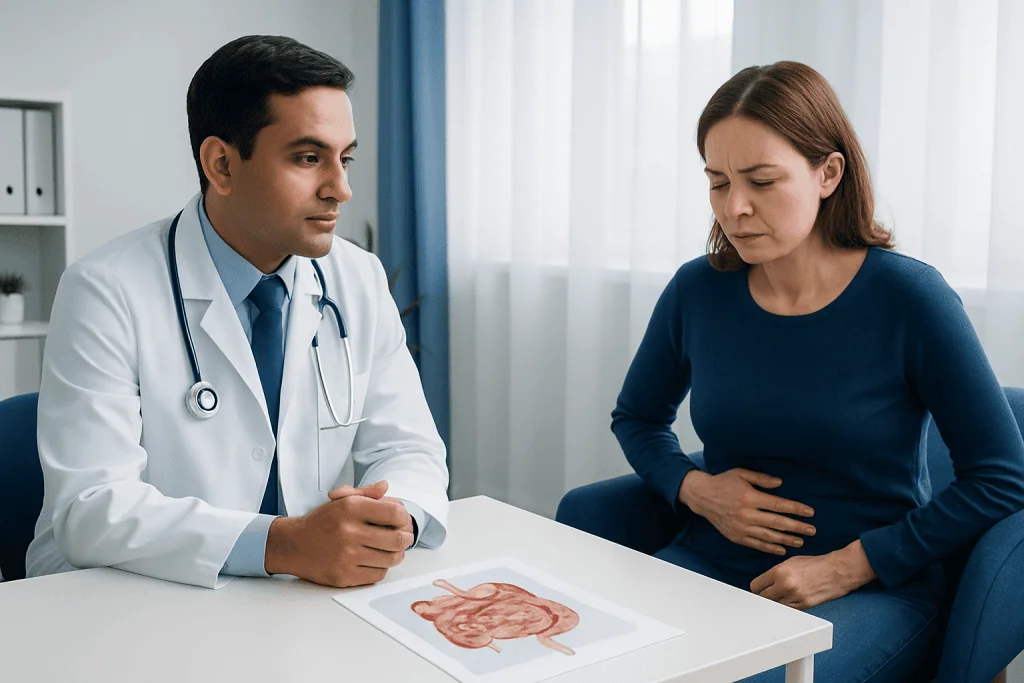
Paralytic ileus develops when the bowel’s normal muscle activity is interrupted. Surgery is one of the most common triggers. Handling of the intestines during an operation, the body’s stress response, anesthesia, and pain medicines can all reduce bowel motility for a period of time. This is why many people have delayed bowel function for a short time after abdominal procedures.
Medicines are another important cause. Opioid pain relievers are well known to slow the intestines, but other drugs can also contribute, including some anticholinergic medicines and certain treatments that affect the nervous system. Severe infection, sepsis, pneumonia, pancreatitis, and widespread inflammation may also temporarily suppress bowel movement.
Electrolyte disturbances such as low potassium can interfere with intestinal muscle function. Medical conditions that affect nerves or blood supply may also contribute. In some people, the picture overlaps with other digestive problems, and doctors may consider related conditions such as bowel obstruction or severe inflammatory abdominal disorders during the evaluation.
- Recent abdominal or pelvic surgery
- Opioid pain medication use
- Infection or severe systemic illness
- Electrolyte imbalance, especially low potassium
- Inflammation in the abdomen, such as pancreatitis
- Neurologic or metabolic conditions affecting gut motility
How doctors tell ileus from a blockage
One of the most important parts of diagnosis is distinguishing paralytic ileus from a mechanical obstruction. Both can cause bloating, vomiting, constipation, and abdominal swelling, but they are managed differently. A doctor begins with questions about recent surgery, medication use, bowel habits, and the timing of symptoms, followed by an abdominal examination.
Blood tests may be used to look for dehydration, infection, inflammation, or electrolyte imbalances. Imaging is often very helpful. Plain abdominal X-rays can show enlarged gas-filled bowel loops, while CT scans can give a clearer picture and help rule out a true obstruction, perforation, or another urgent abdominal cause.
Depending on the situation, hospital teams may also assess for complications such as severe dehydration, aspiration risk from vomiting, or reduced blood flow to the bowel. If the symptoms arise after surgery or in a medically fragile person, close monitoring may be needed. In some cases, specialists in gastroenterology evaluation or general surgery care are involved to guide the next steps.
Treatment: helping the bowel recover safely
Treatment for paralytic ileus focuses on the cause and on supporting the body while the bowel regains movement. Many people need temporary bowel rest, meaning food and drink are limited for a period while symptoms are assessed. Fluids are often given by vein to prevent or treat dehydration, and electrolyte abnormalities are corrected because they can prolong the problem.
Doctors usually review current medicines and reduce or stop drugs that slow the gut when possible, especially opioid pain medicines. Alternative pain control approaches may be used to support recovery. If the stomach is very distended or vomiting is persistent, a thin tube through the nose into the stomach may be recommended to relieve pressure and reduce nausea.
Early mobilization after surgery, careful nutrition planning, and gradual reintroduction of food can help as bowel function returns. If there is concern that the problem is not simple ileus, more testing may be needed to exclude obstruction or another complication. In selected cases, care may overlap with colorectal surgery or supportive inpatient treatment until the intestine starts working again.
Most cases improve with time and treatment of the underlying trigger. The overall outlook depends on the person’s general health, the reason the ileus developed, and how quickly it is recognized and managed.
Recovery, prevention, and self-care
Recovery from paralytic ileus often happens gradually. People may first notice less bloating, then passing gas, followed by bowel movements and improved tolerance of food and fluids. After surgery, the healthcare team may advance diet slowly, starting with clear fluids and moving toward more regular food as the intestine wakes up.
At home, self-care should be guided by a doctor’s advice, especially after an operation or hospitalization. Walking and gentle movement can support bowel motility. Taking medicines exactly as prescribed and reporting side effects is important. People should not use laxatives or over-the-counter remedies without medical advice if there is concern about ileus or obstruction.
Prevention is not always possible, but the risk can sometimes be reduced by reviewing medicines, staying hydrated when appropriate, correcting electrolyte problems, and following postoperative instructions closely. Enhanced recovery plans after surgery often include early mobilization, careful pain management, and diet strategies to support the return of bowel function.
When to seek medical care
Medical care should be sought promptly for symptoms that suggest paralytic ileus, especially if they are new, severe, or follow surgery. This includes a swollen abdomen, repeated vomiting, inability to pass stool or gas, increasing abdominal pain, fever, or signs of dehydration such as dizziness and very little urine. These symptoms can overlap with bowel obstruction and other urgent abdominal problems.
People recovering from surgery should contact their surgical team if the abdomen becomes more distended, nausea worsens, or eating and drinking are no longer tolerated. Immediate evaluation is also important if there is blood in vomit or stool, fainting, chest symptoms, or severe weakness.
Assessment often starts with a doctor who can decide whether home monitoring is reasonable or whether hospital care is needed. For international patients who need specialist evaluation, Acibadem International’s multidisciplinary teams in JCI-accredited hospitals diagnose and treat digestive conditions using coordinated medical and surgical care.
Frequently asked questions
Is paralytic ileus the same as a bowel obstruction?
No. Paralytic ileus means the bowel has slowed or stopped moving without a physical blockage, while a bowel obstruction usually means something is mechanically blocking the intestine. Because the symptoms can look similar, medical evaluation is important.
How long does paralytic ileus last?
The duration varies depending on the cause, overall health, and whether the person recently had surgery. Mild cases may improve within a short time, while postoperative or medically complicated cases can last longer and need hospital monitoring.
Can surgery cause paralytic ileus?
Yes. It is common for bowel movement to slow temporarily after abdominal or pelvic surgery because of anesthesia, handling of the intestines, inflammation, and pain medicines. Doctors watch for return of bowel function as part of routine postoperative recovery.
What foods should be avoided during paralytic ileus?
A person with suspected or confirmed paralytic ileus should follow medical advice rather than choosing foods independently. In some cases, eating is paused for a time, and food is reintroduced gradually only when the bowel starts working again.
Can paralytic ileus go away on its own?
Some cases improve once the trigger settles, especially after surgery or a short-term illness. Even so, it should not be ignored because dehydration, vomiting, or an incorrect diagnosis can lead to complications if medical review is delayed.
When is paralytic ileus an emergency?
It needs urgent attention if there is severe or worsening abdominal swelling, persistent vomiting, inability to pass gas or stool, fever, fainting, or strong abdominal pain. These features can signal a serious problem that may require hospital treatment.
This article is for general information only and is not a substitute for professional medical advice. Please consult a qualified doctor about your individual situation.
Persistent digestive symptoms? Get evaluated in Turkey
JCI-accredited · board-certified surgeons · reply within 24h
Add us as a Preferred Source to see more of our trusted health content across Google Search, AI Overviews and Discover.

More from the Health Library

Lubiprostone — Explained by Medical Evidence, Not Myths

Best Workout Routines for Beginners — Explained by Medical Evidence, Not Myths

Mavacamten: An Evidence-Based Guide for Patients

Ultra Tampons: A Complete Medical Overview

Ulnar Nerve Entrapment — Explained by Medical Evidence, Not Myths