Labia Majora: A Complete Medical Overview
The labia majora are the outer folds of the vulva and have a protective role. Their size, shape, color, and symmetry vary widely from person to person.
Key Takeaways
- The labia majora are the outer folds of the vulva and have a protective role.
- Their size, shape, color, and symmetry vary widely from person to person.
- Hormones, age, childbirth, skin conditions, infections, and irritation can affect the labia majora.
- Pain, persistent itching, swelling, sores, lumps, or bleeding should be assessed by a clinician.
- Gentle hygiene and avoiding irritants can support comfort and vulvar skin health.
The labia majora are the outer, hair-bearing folds of the vulva that help protect the inner genital structures. Understanding what is normal, what can change over time, and which symptoms need medical attention can help people care for this area with confidence.
Overview: what the labia majora are
The labia majora are the outer folds of skin of the vulva, the external part of the female genital area. They usually extend from the pubic region downward toward the perineum and form a protective covering around the more delicate inner structures, including the labia minora, clitoris, and vaginal opening.
These tissues contain skin, connective tissue, fat, sweat glands, oil glands, and hair follicles. After puberty, the outer surface commonly has pubic hair, while the inner surface is smoother and more delicate. Because the labia majora are exposed to friction, moisture, hormones, and skin products, they may change in appearance or sensitivity over time.
There is a wide range of normal. The labia majora may be fuller or flatter, longer or shorter, darker or lighter, and one side may look slightly different from the other. Normal differences do not usually indicate disease. What matters most is whether there are new symptoms such as pain, itching, a lump, skin breakdown, or a change that persists.
Structure, function, and how they change through life
The main role of the labia majora is protection. They cushion the vulva and help reduce friction on the sensitive inner tissues during walking, exercise, and sexual activity. They also help maintain a local environment that protects the vestibule and openings of the urethra and vagina.
Like other skin-covered areas, the labia majora respond to hormones. Before puberty, they are smaller and less prominent. During puberty, rising estrogen levels contribute to tissue growth, fat deposition, and pubic hair development. During the reproductive years, they may change with the menstrual cycle, pregnancy, weight fluctuations, or childbirth. After menopause, reduced estrogen may lead to thinning, dryness, or loss of fullness.
Normal life events can influence appearance without meaning that something is wrong. Pregnancy may increase blood flow and cause temporary swelling or a darker color. Aging may make the tissues less elastic. Minor asymmetry is common. These differences are part of normal vulvar anatomy and should be interpreted in the context of symptoms rather than appearance alone.
Common symptoms and changes people may notice

Many concerns involving the labia majora are related to discomfort rather than serious disease. Symptoms can include itching, burning, dryness, tenderness, swelling, redness, pain during movement or intercourse, or a feeling of irritation after using certain products. Some people notice a rash, ingrown hairs, small cysts, or changes in skin texture.
A lump on the labia majora may come from a blocked hair follicle, a cyst, local inflammation, or another benign skin condition. Swelling may be short-lived after friction, exercise, sexual activity, or shaving, but persistent swelling deserves medical review. Skin color can naturally vary, but a new patch that becomes pale, thickened, cracked, or ulcerated should not be ignored.
Other symptoms that warrant attention include unusual discharge from a nearby area, bleeding not related to menstruation, sores, blisters, or ongoing pain. Symptoms can overlap with vulvar skin disorders, infections, and nearby gland problems such as a Bartholin cyst. A clinician can help determine whether a change is harmless, irritation-related, or a sign of an underlying condition.
Causes of discomfort, irritation, or visible changes
The labia majora can be affected by everyday irritation. Common triggers include fragranced soaps, bubble baths, sanitary pads, liners, laundry detergents, shaving products, tight clothing, prolonged moisture, sweat, and friction from exercise. Even products labeled as gentle can irritate vulvar skin in some people.
Infections can also affect this area. Yeast infections may cause itching and redness, while some bacterial, viral, or sexually transmitted infections can cause sores, bumps, swelling, or discomfort. Skin conditions such as eczema, contact dermatitis, psoriasis, and lichen sclerosus may involve the labia majora and often require specific treatment rather than repeated use of over-the-counter products.
Hormonal changes are another common factor. Reduced estrogen, especially after menopause, may lead to dryness, thinning, and increased sensitivity. Cysts, boils, ingrown hairs, and blocked glands may develop locally. Less commonly, chronic skin changes or a persistent vulvar lesion may need evaluation to rule out precancerous or cancerous conditions. If symptoms involve broader pelvic issues such as pressure or changes around the vaginal opening, related concerns like pelvic organ prolapse may also be considered.
How doctors evaluate labia majora concerns
Assessment usually begins with a careful history. A doctor may ask when the symptom started, whether it is constant or comes and goes, and whether it is linked to periods, sexual activity, shaving, exercise, new hygiene products, medications, or menopause. Associated symptoms such as discharge, urinary burning, skin changes, fever, or bleeding can help narrow the cause.
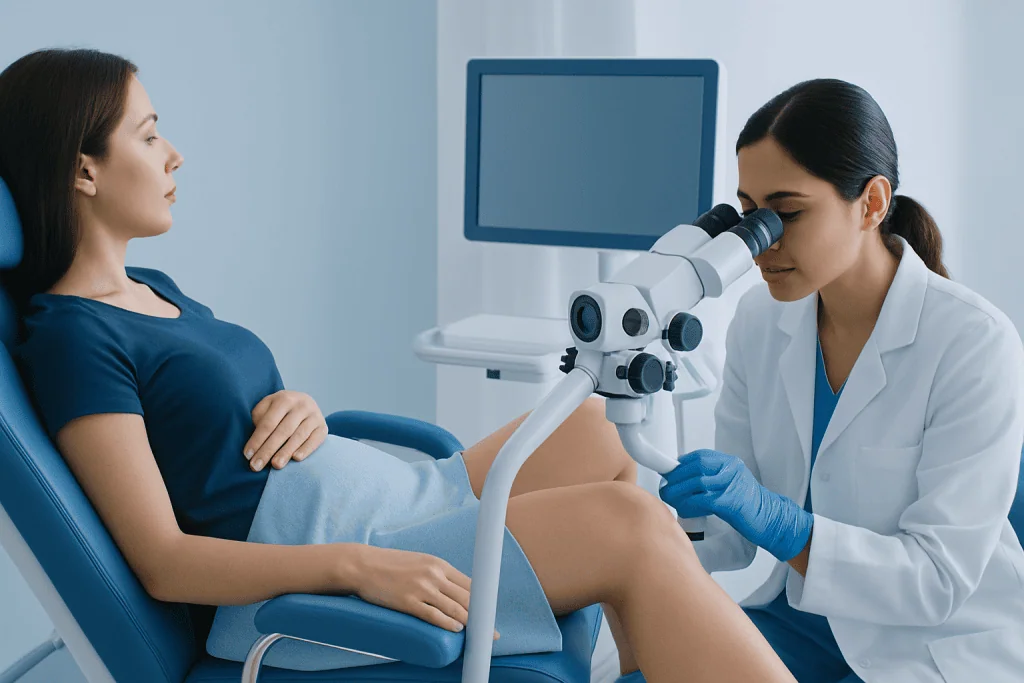
A physical examination of the vulva is often the most important next step. The clinician looks for redness, swelling, asymmetry, cysts, ulcers, skin thinning, thickened plaques, signs of infection, or areas of tenderness. In some cases, they may recommend a swab to check for infection, testing for sexually transmitted infections, or a small biopsy if a skin lesion looks unusual or does not improve.
Imaging is not always needed for routine vulvar symptoms, but it may be used if a deeper mass is suspected or if nearby pelvic structures need evaluation. Depending on the concern, care may involve gynecology, dermatology, or both. This stepwise approach helps distinguish normal variation from treatable conditions and avoids unnecessary worry.
Treatment options and symptom relief
Treatment depends on the cause. If irritation is the problem, the first step is often to stop potential triggers and allow the skin barrier to recover. This may mean avoiding scented products, reducing friction, switching to breathable cotton underwear, and using only lukewarm water or a clinician-recommended gentle cleanser for the vulvar area.
When infection is present, treatment may include antifungal, antiviral, or antibiotic medicines depending on the diagnosis. Inflammatory skin conditions may be treated with prescription topical medications. Menopausal dryness or tissue thinning may improve with measures recommended by a gynecologist, and in selected cases this may include menopause treatment tailored to symptoms and medical history.
If there is a cyst, abscess, or another structural problem, minor procedures may sometimes be needed. People with persistent pain, recurring swelling, or a suspicious lump may need specialist assessment. In uncommon situations involving benign masses, scarring, or medically indicated reconstruction after trauma or surgery, a doctor may discuss procedural care such as vaginal reconstructive procedures when appropriate. Treatment should always be individualized and based on a confirmed diagnosis rather than appearance alone.
Prevention, self-care, and body awareness
Simple habits can help protect the labia majora and reduce irritation. It is generally best to wash the vulva gently, avoid douching, and skip fragranced products. After exercise or sweating, changing out of damp clothing can help. If shaving causes recurrent bumps or irritation, trimming hair instead of close shaving may be more comfortable for some people.
Supportive self-care also includes paying attention to patterns. A symptom diary can help identify triggers such as specific pads, laundry detergents, lubricants, or sexual activity. During menopause or periods of dryness, avoiding harsh cleansing and seeking medical advice early may prevent ongoing discomfort.
People should also become familiar with their own baseline anatomy. Looking at the vulva occasionally with a mirror can make it easier to notice a true new change rather than a normal variation. Self-awareness is useful, but self-diagnosis has limits. If a symptom persists or a new lesion appears, professional evaluation is the safest next step.
For people who need specialist care, Acibadem International’s multidisciplinary teams in JCI-accredited hospitals evaluate vulvar, gynecologic, and pelvic concerns for international patients, including related services such as gynecology check-up.
When to seek medical care
Medical care is appropriate if symptoms last more than a short time, keep returning, or interfere with daily life. Persistent itching, burning, pain, swelling, or dryness should be assessed, especially if home measures have not helped. A new lump, boil, or cyst that grows, becomes very painful, or drains should also be examined.
Prompt evaluation is especially important for sores, blisters, ulcers, unexplained bleeding, a change in skin color or texture that does not go away, or any area that looks thickened, white, cracked, or raw. Fever, rapidly increasing swelling, or severe pain can suggest infection and should not be delayed.
Anyone who is unsure whether a change is normal should feel comfortable seeking advice from a qualified clinician. Most causes of labia majora discomfort are treatable, and a timely diagnosis can provide reassurance as well as the right care plan.
Frequently asked questions
What is the difference between the labia majora and labia minora?
The labia majora are the outer folds of the vulva and usually contain more skin, fatty tissue, and hair follicles. The labia minora are the inner folds, which are thinner and do not typically have hair on their surface. Both are normal parts of vulvar anatomy and vary widely in appearance.
Is it normal for one labia majora to be larger than the other?
Yes. Mild asymmetry is very common, and many people naturally have one side that looks fuller, longer, or slightly lower than the other. A medical review is more important if the difference is new, painful, rapidly increasing, or associated with a lump or skin change.
Why do the labia majora itch or burn?
Itching or burning can happen because of irritation from soaps, pads, shaving, sweat, friction, or tight clothing. It can also be caused by yeast infection, dermatitis, eczema, or other skin conditions. If symptoms persist or recur, a clinician can identify the cause and recommend the right treatment.
Can the labia majora change with age or menopause?
Yes. Hormonal changes across life can affect vulvar tissues, including the labia majora. After menopause, lower estrogen levels may lead to dryness, thinning, reduced elasticity, or greater sensitivity, and these changes can often be managed with medical guidance.
Are lumps on the labia majora always serious?
No. Many lumps are benign and may be caused by ingrown hairs, blocked follicles, cysts, or local inflammation. However, a lump should be evaluated if it is persistent, painful, enlarging, ulcerated, or associated with fever, drainage, or bleeding.
How should the labia majora be cleaned?
The vulvar area usually needs only gentle washing with lukewarm water, and some people may use a mild, unscented cleanser if advised. Harsh soaps, douching, and fragranced products can irritate the skin and are best avoided. Patting the area dry and wearing breathable underwear can also help maintain comfort.
This article is for general information only and is not a substitute for professional medical advice. Please consult a qualified doctor about your individual situation.
Hair transplant in Turkey — costs, graft counts & a free assessment
JCI-accredited · board-certified surgeons · reply within 24h
Add us as a Preferred Source to see more of our trusted health content across Google Search, AI Overviews and Discover.

More from the Health Library

Antibacterial Ointment for Dog Bite: An Evidence-Based Guide for Patients

Herpetic Whitlow — Explained by Medical Evidence, Not Myths

Inflamed Occipital Lymph Nodes: An Evidence-Based Guide for Patients

Bumps on Chin Mean: A Complete Medical Overview

Pseudomonas: An Evidence-Based Guide for Patients