Evenity Side Effects: Uses, Dosage, and Side Effects — A Clinical Overview

Evenity is the brand name for romosozumab, a prescription medicine used for certain people with osteoporosis at high risk of fracture. Common Evenity side effects include joint pain, headache, and reactions where the injection is given.
Key Takeaways
- Evenity is the brand name for romosozumab, a prescription medicine used for certain people with osteoporosis at high risk of fracture.
- Common Evenity side effects include joint pain, headache, and reactions where the injection is given.
- Important label warnings include possible increased risk of heart attack, stroke, and cardiovascular death in some patients.
- Evenity can lower calcium levels and may rarely contribute to serious jaw or thigh bone problems.
- A doctor should review medical history, calcium and vitamin D status, and current medicines before treatment begins.
Evenity side effects are often mild, such as joint pain, headache, and injection-site reactions, but the medicine also carries important safety warnings that should be reviewed before treatment starts. This article explains what Evenity is used for, what side effects may occur, and when a person should contact a clinician.
Overview: what Evenity is and why side effects matter
Evenity side effects are usually manageable for many people, but the medicine also has important safety warnings that need careful review. Evenity is the brand name for romosozumab, a prescription biologic medicine used to treat osteoporosis in certain patients who are at high risk for bone fracture. Because it affects bone remodeling, treatment decisions are based on both the possible benefits and the possible risks.
Rather than focusing only on a list of reactions, it helps to understand Evenity in context: who may be offered it, what monitoring is needed, and which symptoms should prompt urgent medical attention. This can make discussions with a doctor clearer and help patients recognize which side effects are expected and which are not.
Evenity is generally used as part of an overall osteoporosis care plan that may also include calcium and vitamin D intake, exercise, fall prevention, and follow-up bone health assessments. People who are being evaluated for osteoporosis often benefit from a full review of fracture risk, medical history, and treatment goals before starting a medicine such as Evenity.
What Evenity is used for
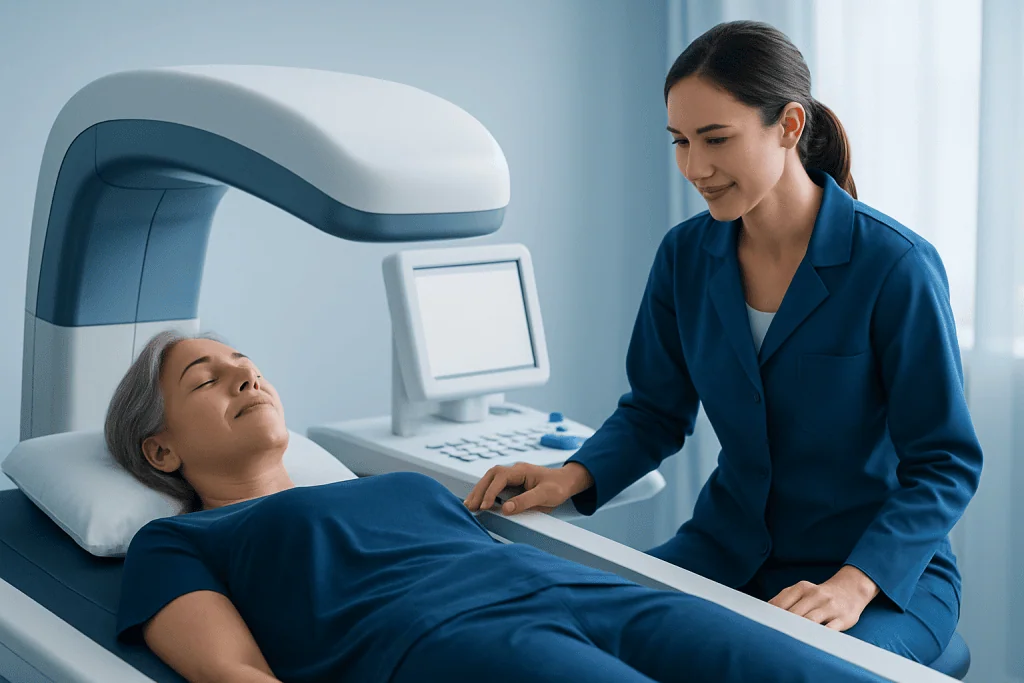
Evenity is approved to treat osteoporosis in certain postmenopausal women who are at high risk for fracture. This may include women with a history of osteoporotic fracture, multiple fracture risk factors, or those who have not responded well to or cannot use some other osteoporosis treatments. The exact decision depends on a clinician’s judgment and the patient’s overall health profile.
Romosozumab works by affecting a protein involved in bone metabolism. In practical terms, it helps increase bone formation and also reduces bone breakdown. This dual action is different from some other osteoporosis medicines, which may primarily slow bone loss rather than support new bone formation.
Evenity is given by healthcare professionals as injections on a monthly schedule for a limited treatment course according to the official label. Questions about individual dosage timing, missed appointments, and what happens after the treatment course should be directed to the prescribing clinician, because follow-up treatment planning is an important part of bone protection.
Common Evenity side effects

The most commonly discussed Evenity side effects are joint pain, headache, and injection-site reactions such as redness or discomfort where the medicine is given. These effects are often mild to moderate, though they can still be bothersome. Some people notice symptoms soon after an injection, while others develop them later during treatment.
Joint discomfort may be felt in the hips, knees, back, hands, or other areas. Headaches can vary from mild pressure to more noticeable pain, and injection-site reactions may include tenderness, swelling, or itching. If symptoms are persistent, interfere with daily activities, or seem to worsen over time, it is sensible to tell the treating doctor.
Other side effects may also occur, and not every person will respond in the same way. A patient should keep track of new symptoms during treatment, especially if they are unusual for that person’s baseline health. This record can help the care team decide whether the medicine remains appropriate or whether another option should be considered.
- Joint pain or stiffness
- Headache
- Injection-site redness, pain, or swelling
- General aches or discomfort
Serious warnings, contraindications, and interactions
One of the most important label-level issues with Evenity is the warning about possible increased risk of heart attack, stroke, and cardiovascular death in some patients. For this reason, the medicine is generally not started in a person who has had a heart attack or stroke within the previous year. A doctor may also decide against using it in someone with other significant cardiovascular risk factors, depending on the full clinical picture.
Evenity is also contraindicated in patients with hypocalcemia, which means low blood calcium. Calcium levels should be corrected before treatment begins, and patients may be advised to maintain adequate calcium and vitamin D intake during therapy. This is especially important in people with severe kidney problems, because their risk of low calcium may be higher.
Although direct drug-drug interactions are not the main issue commonly highlighted with Evenity, a full medication review still matters. Doctors may ask about supplements, osteoporosis medicines, kidney-related treatments, and any medicine that affects calcium balance. If a patient has complex bone or spine issues, evaluation through services such as orthopedics and traumatology may be part of broader care planning.
Rare but serious bone-related complications have also been reported, including osteonecrosis of the jaw and atypical femur fracture. These risks do not mean such events are likely, but they are important enough that patients should mention jaw pain, dental problems, or new unusual thigh, hip, or groin pain promptly.
How doctors assess safety before and during treatment
Before prescribing Evenity, a clinician typically reviews fracture history, bone density findings, cardiovascular history, kidney function, calcium status, and any previous osteoporosis treatment. This helps determine whether the expected benefit outweighs the potential risks. Dental history may also be reviewed, particularly if there are planned invasive dental procedures or ongoing oral health concerns.
Testing may include blood work to look at calcium and other relevant values. In some cases, clinicians also assess vitamin D status, because correcting deficiencies can reduce the chance of treatment-related problems. Bone imaging or a bone density scan may be used to support diagnosis and follow-up, especially for patients with established bone loss from osteoporosis.
Monitoring continues during treatment. Patients should report new cardiovascular symptoms, signs of low calcium such as muscle cramps or tingling, or persistent pain in the jaw, thigh, hip, or groin. In people who need broader evaluation of bone strength or fracture risk, services related to bone health assessment are less relevant than dedicated metabolic bone or physical therapy and rehabilitation support, especially when mobility and fall prevention are concerns.
Practical self-care during Evenity treatment
Most people taking Evenity benefit from a few practical steps that support safer treatment. These include attending scheduled appointments, following the clinician’s advice about calcium and vitamin D, and keeping a written list of symptoms after each visit. Self-monitoring does not replace medical supervision, but it can make side effects easier to identify and discuss.
Good oral hygiene is also important because of the rare risk of jaw complications. Patients should tell their dentist that they are receiving treatment for osteoporosis and should speak with their prescribing doctor if they need major dental work. It is usually best not to stop or delay treatment without medical advice, unless a clinician instructs otherwise.
Lifestyle measures remain a key part of osteoporosis care. Weight-bearing activity when appropriate, balance training, smoking cessation, moderation of alcohol, and fall-prevention strategies can all help protect bone health. In some patients, rehabilitation support through physical therapy and rehabilitation can improve strength, posture, and confidence with movement.
When to seek medical care
A person using Evenity should seek urgent medical care for symptoms that could suggest a heart attack or stroke. These may include chest pain, shortness of breath, sudden weakness on one side, trouble speaking, sudden confusion, or a sudden severe headache unlike usual headaches. These symptoms require immediate evaluation.
Medical advice should also be sought promptly for possible signs of low calcium, such as muscle spasms, cramps, tingling around the mouth, or numbness in the fingers. New or unusual pain in the thigh, hip, or groin should be discussed because it can sometimes precede an atypical femur fracture. Persistent jaw pain, swelling, loose teeth, or delayed healing after dental work also deserves timely assessment.
For non-urgent symptoms such as mild headache, joint aches, or temporary injection-site irritation, patients can usually contact their treating team during regular office hours. If there is uncertainty about whether a symptom is minor or serious, it is safest to ask a qualified clinician. Acibadem International’s multidisciplinary specialists in JCI-accredited hospitals diagnose and treat osteoporosis and related bone health conditions for international patients.
Frequently asked questions
What are the most common Evenity side effects?
The most common Evenity side effects include joint pain, headache, and reactions at the injection site. These are often mild, but they should still be mentioned to a doctor if they are persistent, severe, or interfere with daily life.
Is Evenity a chemotherapy drug or a steroid?
No. Evenity is a biologic medicine called romosozumab that is used to treat certain patients with osteoporosis. It works on bone remodeling pathways and is not classified as chemotherapy or a corticosteroid.
Can Evenity affect the heart or blood vessels?
Yes, this is an important safety consideration. Evenity carries a label warning about possible increased risk of heart attack, stroke, and cardiovascular death in some patients, so doctors review cardiovascular history carefully before prescribing it.
Who should not use Evenity?
Evenity should not be used in people with low blood calcium that has not been corrected. It is also generally not started in someone who has had a heart attack or stroke within the past year, and a doctor may avoid it in other high-risk situations.
Does Evenity interact with other medicines?
There are no widely emphasized classic drug interactions that patients commonly hear about, but medication review is still important. Doctors need to know about supplements, calcium or vitamin D products, kidney-related treatments, and any other osteoporosis medicines before treatment begins.
What should a patient do if side effects appear after an injection?
If symptoms are mild, such as slight soreness at the injection site, the patient should monitor them and inform the treating team if they continue or worsen. If symptoms are severe or suggest chest pain, stroke, low calcium, or unusual thigh or jaw pain, urgent medical attention is appropriate.
This article is for general information only and is not a substitute for professional medical advice. Please consult a qualified doctor about your individual situation.
Joint and spine care in Turkey — expert assessment & treatment
JCI-accredited · board-certified surgeons · reply within 24h
Add us as a Preferred Source to see more of our trusted health content across Google Search, AI Overviews and Discover.

More from the Health Library

Donepezil Side Effects: Uses, Dosage, and Side Effects — A Clinical Overview

Abilify Side Effects: What It Treats, How It Works, and What to Watch For

Januvia Side Effects: What It Treats, How It Works, and What to Watch For

Gabapentin for Back Pain: What It Treats, How It Works, and What to Watch For

Mini Contraceptive Pill: Uses, Dosage, and Side Effects — A Clinical Overview