Gabapentin for Back Pain: What It Treats, How It Works, and What to Watch For

Gabapentin is approved for certain seizure disorders and nerve pain conditions, but its use for back pain depends on the suspected cause of pain. Evidence does not support routine gabapentin use for nonspecific low back pain without clear nerve-related symptoms.
Key Takeaways
- Gabapentin is approved for certain seizure disorders and nerve pain conditions, but its use for back pain depends on the suspected cause of pain.
- Evidence does not support routine gabapentin use for nonspecific low back pain without clear nerve-related symptoms.
- Common side effects include dizziness, sleepiness, tiredness, and swelling of the hands or feet.
- Gabapentin can interact with medicines and substances that cause drowsiness, including opioids and alcohol.
- It should not be stopped suddenly without medical advice, particularly when it has been taken regularly.
Gabapentin for back pain may be considered when pain has features of nerve involvement, such as burning, tingling, electric-shock sensations, or pain traveling down a leg. It is not generally a first-choice medicine for uncomplicated mechanical low back pain, and its possible benefits should be balanced with side effects and individual health factors.
Overview: can gabapentin help back pain?
Gabapentin for back pain can help some people when the pain is thought to involve irritated or damaged nerves. This type of pain may feel burning, shooting, stabbing, electric, numb, or tingling, and it may travel from the lower back into the buttock, leg, or foot. However, gabapentin is not routinely recommended for ordinary low back pain caused by muscle strain, posture, or age-related spinal changes without nerve symptoms.
Gabapentin is an antiseizure medicine that is also approved in many settings for postherpetic neuralgia, a nerve pain condition following shingles. Clinicians may sometimes prescribe it for other nerve pain problems based on an individual assessment. Whether it is appropriate for a person with back pain depends on the pain pattern, examination findings, medical history, other medicines, and the expected balance of benefit and risk.
Back pain is common and has many possible causes. A careful diagnosis is important because medication is only one part of care; staying appropriately active, physical therapy, sleep support, and treatment of an underlying spinal condition may be more useful than medication alone.
Which back-pain patterns may involve nerves?
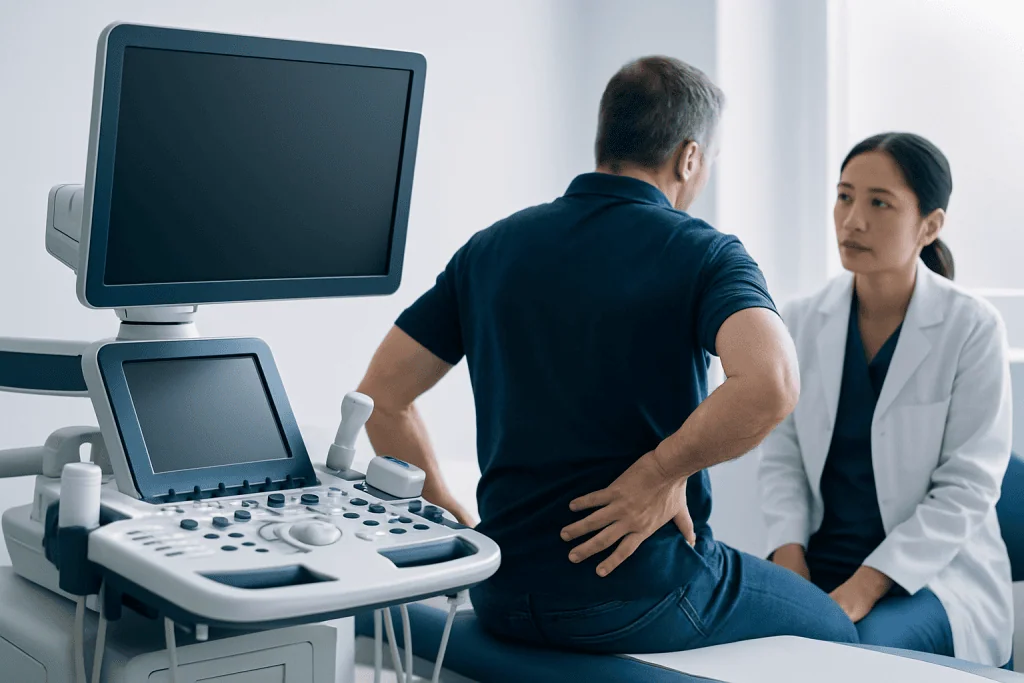
Nerve-related back pain is often linked with compression, inflammation, or injury affecting a spinal nerve root. Sciatica is a familiar example: pain may begin in the lower back or buttock and extend down one leg, sometimes below the knee. A lumbar disc herniation or narrowing around spinal nerves can contribute to these symptoms.
Possible nerve-pain features include tingling, pins and needles, reduced sensation, burning discomfort, sudden shock-like pain, or weakness in part of a leg or foot. These features do not prove that a nerve is the cause, but they help guide a clinician’s assessment. A herniated disc is one condition that may cause radiating leg pain and neurological symptoms.
In contrast, nonspecific low back pain is usually localized to the back and may worsen with certain movements, lifting, prolonged sitting, or muscle tension. It often improves over time with conservative care. Research has not shown consistent meaningful benefit from gabapentin for this common form of low back pain, and side effects can outweigh potential benefit.
- Back pain with pain or altered sensation traveling down a leg may warrant assessment for nerve involvement.
- Back pain only in the muscles or joints does not automatically indicate a need for gabapentin.
- New weakness, significant numbness, or bladder and bowel changes require urgent medical evaluation.
How gabapentin works and its approved uses

Gabapentin affects signaling in the nervous system. Although it is structurally related to a naturally occurring brain chemical called GABA, it does not work directly on GABA receptors. Instead, it binds to certain calcium-channel subunits in nerve cells, which can reduce the release of excitatory chemical signals involved in seizures and some types of nerve pain.
Official product labeling includes uses for certain partial-onset seizure disorders and for postherpetic neuralgia in adults. Use for back pain, sciatica, or radicular pain may be off-label, meaning it is not specifically listed as an approved indication in the product label. Off-label prescribing can be appropriate in selected circumstances, but it should follow a clinician’s informed assessment and monitoring plan.
Gabapentin does not correct a disc problem, reverse spinal narrowing, or heal a strained muscle. If nerve compression is suspected, treatment may include activity modification, rehabilitation, pain-management strategies, and, in selected cases, further specialist evaluation. Physical therapy can help restore movement, build strength, and support a gradual return to normal activities when clinically appropriate.
What the evidence means for low back pain and sciatica
Evidence for gabapentin in chronic low back pain and sciatica is mixed and often limited. Clinical guidelines generally do not recommend using gabapentin routinely for nonspecific low back pain. Studies have found that potential improvement in pain may be small or uncertain for many people, while dizziness, fatigue, and other adverse effects are relatively common.
This does not mean that gabapentin is never useful. A clinician may consider a carefully monitored trial when symptoms strongly suggest neuropathic pain and other factors support its use. The treatment plan should include clear goals, such as improved sleep, mobility, or day-to-day function, rather than focusing on pain scores alone.
Follow-up matters. If there is no meaningful improvement or if side effects interfere with safety or daily life, the prescribing clinician may reassess the diagnosis and treatment plan. People should not alter the amount they take or stop the medicine abruptly without advice. Questions about starting, changing, or tapering a dose should be directed to the prescribing clinician or pharmacist.
Side effects, precautions, and interactions
The most common side effects of gabapentin include dizziness, drowsiness, tiredness, problems with coordination, and swelling in the hands, legs, or feet. Some people may experience blurred vision, nausea, or difficulty concentrating. These effects can increase the risk of falls, particularly in older adults or people with balance difficulties.
Gabapentin can cause significant sleepiness and breathing problems when combined with opioids, benzodiazepines, alcohol, or other medicines that slow the central nervous system. A clinician and pharmacist should review all prescription medicines, over-the-counter products, supplements, and alcohol use before gabapentin is started. Driving, operating machinery, and other activities requiring alertness should be approached cautiously until a person knows how the medicine affects them.
People with kidney impairment may need individualized prescribing because gabapentin is cleared through the kidneys. It is also important to tell a clinician about a history of depression, mood changes, suicidal thoughts, substance-use disorder, breathing conditions, pregnancy, or breastfeeding. Antiseizure medicines carry a warning regarding possible suicidal thoughts or behavior in a small number of people; new or worsening mood changes should be reported promptly.
Allergic reactions are uncommon but can be serious. Urgent medical help is needed for swelling of the face, lips, tongue, or throat; trouble breathing; severe rash; or widespread rash with fever or swollen glands. Gabapentin should not be shared with others, and it should be kept securely because misuse can occur, especially alongside sedating substances.
A broader plan for back pain relief
For many people, the most effective back-pain plan is broader than one medicine. Clinicians often encourage gentle movement and avoiding prolonged bed rest, unless there is a specific reason to limit activity. A personalized rehabilitation plan may include exercises for mobility, core strength, posture, and confidence with daily activities.
Heat or cold packs may provide short-term comfort for some people, provided the skin is protected. Attention to sleep, work setup, lifting technique, and gradual activity progression can also be helpful. When pain is persistent, a clinician may discuss other options based on the diagnosis, health conditions, and medication safety profile.
If symptoms suggest a structural spinal problem or do not improve with conservative care, further evaluation may be appropriate. Spine surgery is considered only for selected conditions, such as significant nerve compression or spinal instability, after specialist assessment. It is not a routine treatment for most episodes of back pain.
Acibadem International’s multidisciplinary specialists and JCI-accredited hospitals evaluate and treat spine and nerve-related conditions for international patients, with care plans based on individual clinical findings.
When to seek medical care
A medical assessment is appropriate for back pain that persists, repeatedly returns, limits normal activities, or includes leg pain, numbness, tingling, or weakness. A clinician can determine whether symptoms may be nerve-related and whether gabapentin or another approach is suitable. Early review is also sensible before combining gabapentin with sedating medicines or if troublesome side effects occur.
Urgent medical care is needed for new loss of bladder or bowel control, numbness around the groin or inner thighs, rapidly progressing leg weakness, severe pain after a major injury, or back pain with fever and feeling unwell. These symptoms can occasionally indicate conditions needing prompt treatment.
People taking gabapentin should seek prompt advice for severe dizziness, excessive sleepiness, slowed or difficult breathing, new confusion, unusual mood or behavior changes, or signs of an allergic reaction. A healthcare professional can advise whether the medicine needs adjustment, replacement, or supervised discontinuation.
Frequently asked questions
Is gabapentin good for ordinary lower back pain?
Gabapentin is not generally considered a routine treatment for ordinary, nonspecific lower back pain. It may be considered when a clinician suspects nerve-related pain, but benefits should be weighed carefully against side effects and other treatment options.
Can gabapentin help sciatica?
Gabapentin may be tried in selected people with sciatica-like symptoms suggestive of neuropathic pain, such as burning or shooting pain traveling down a leg. Research does not show consistent benefit for everyone with sciatica, so a clinician should reassess whether it is helping.
How quickly does gabapentin work for nerve pain?
Response varies from person to person, and gabapentin is not usually judged by an immediate effect after one dose. A prescribing clinician will explain how treatment should be monitored and when benefits and side effects should be reviewed.
What are the most common gabapentin side effects?
Dizziness, drowsiness, tiredness, coordination problems, and swelling of the hands or feet are among the common side effects. These can affect driving, fall risk, and daily activities, especially when gabapentin is combined with other sedating substances.
Can gabapentin be taken with painkillers or alcohol?
Some pain medicines may be used with gabapentin only under medical guidance. Opioids, benzodiazepines, alcohol, and other sedatives can increase drowsiness and may raise the risk of serious breathing problems.
Can a person stop gabapentin suddenly?
Gabapentin should not usually be stopped suddenly after regular use unless a clinician advises otherwise. Abrupt discontinuation may cause withdrawal-type symptoms and can increase seizure risk in people taking it for seizure disorders; clinicians can provide an individualized tapering plan.
References
- U.S. Food and Drug Administration
- National Institute for Health and Care Excellence
- American College of Physicians
- National Institute of Neurological Disorders and Stroke
- MedlinePlus, U.S. National Library of Medicine
This article is for general information only and is not a substitute for professional medical advice. Please consult a qualified doctor about your individual situation.
Joint and spine care in Turkey — expert assessment & treatment
JCI-accredited · board-certified surgeons · reply within 24h
Add us as a Preferred Source to see more of our trusted health content across Google Search, AI Overviews and Discover.