Drunk: An Evidence-Based Guide for Patients

Being drunk means alcohol is impairing thinking, coordination, judgment, and physical control. Symptoms can range from mild unsteadiness to confusion, vomiting, slowed breathing, or loss of consciousness.
Key Takeaways
- Being drunk means alcohol is impairing thinking, coordination, judgment, and physical control.
- Symptoms can range from mild unsteadiness to confusion, vomiting, slowed breathing, or loss of consciousness.
- The level of impairment depends on amount consumed, speed of drinking, body size, food intake, medicines, and overall health.
- Severe alcohol intoxication, especially with breathing problems or inability to wake the person, needs urgent medical care.
- The safest prevention is to avoid binge drinking, pace alcohol intake, and never mix alcohol with driving or sedating drugs.
Drunk is a common term for alcohol intoxication, a temporary condition in which alcohol affects the brain, behavior, and body functions. Mild intoxication may cause slowed reactions and poor judgment, while more severe intoxication can become a medical emergency.
Overview: What “Drunk” Means Medically
Drunk is a non-medical word people use to describe alcohol intoxication. This happens when alcohol affects the central nervous system and changes how the brain works. As blood alcohol levels rise, a person may think less clearly, react more slowly, speak differently, and lose balance or coordination.
Alcohol intoxication exists on a spectrum. Some people may seem only mildly affected, while others develop marked confusion, vomiting, or dangerous slowing of breathing. Because alcohol affects judgment, a person who is drunk may not recognize how impaired they are or how much risk they are in.
Importantly, being drunk is not defined only by outward behavior. Two people can drink similar amounts and appear very different. Age, sex, body composition, food intake, medications, tolerance, and underlying medical conditions all influence how alcohol affects the body.
Doctors view severe intoxication as more than simply “too much to drink.” It can lead to injury, dehydration, low blood sugar, aspiration of vomit, and alcohol poisoning, which is a medical emergency.
Common Signs and Symptoms of Being Drunk
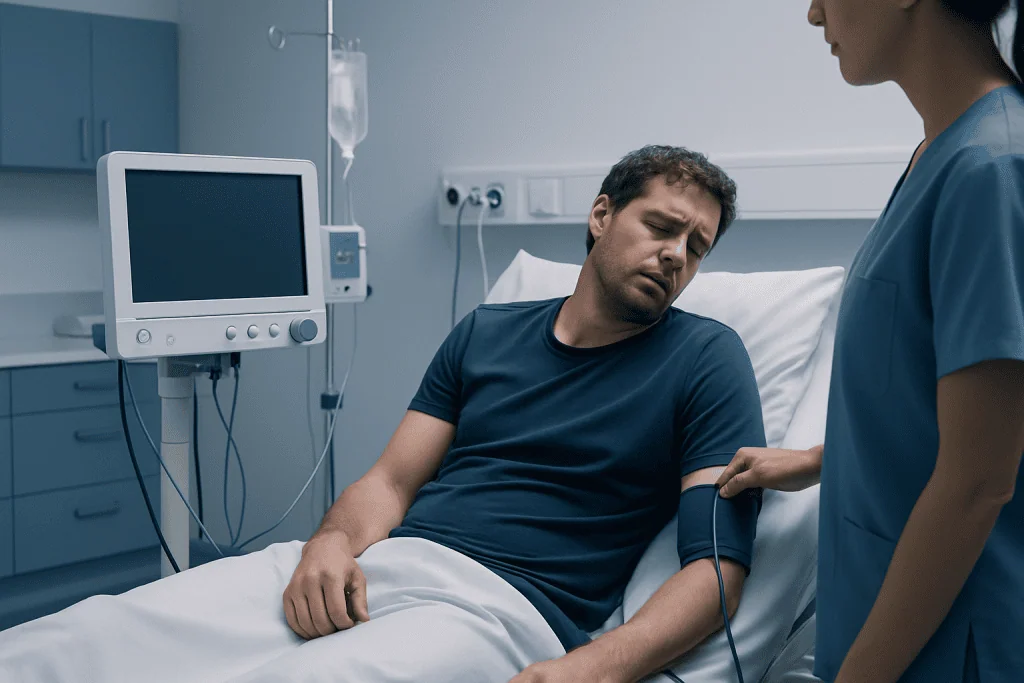
The early signs of being drunk often involve subtle changes in thinking and movement. A person may feel relaxed or more talkative at first, but judgment, attention, and reaction time are already becoming impaired. This is one reason alcohol increases the risk of falls, road traffic injuries, and unsafe decisions.
As intoxication becomes more noticeable, speech may become slurred and movements less controlled. Walking may be unsteady, tasks may be harder to perform, and emotions may become exaggerated. Some people become sleepy, irritable, or impulsive rather than cheerful.
Common symptoms can include:
- Slurred speech
- Poor balance and coordination
- Slowed reaction time
- Blurred or double vision
- Impaired judgment
- Confusion or difficulty concentrating
- Nausea or vomiting
- Drowsiness
Severe symptoms are more concerning. These include inability to stay awake, repeated vomiting, very slow or irregular breathing, pale or bluish skin, seizures, or loss of consciousness. In that situation, urgent medical evaluation is needed rather than waiting for the person to “sleep it off.”
Why Alcohol Causes Intoxication

Alcohol is absorbed from the stomach and small intestine into the bloodstream. It then travels to the brain, where it changes the activity of neurotransmitters that control mood, movement, memory, and alertness. This is why alcohol can first lower inhibitions and later reduce coordination, decision-making, and consciousness.
The liver breaks down most alcohol, but it can only process a limited amount over time. If a person drinks faster than the body can metabolize alcohol, blood alcohol concentration rises. The faster it rises, the greater the risk of visible intoxication and medical complications.
Carbonated alcoholic drinks, drinking on an empty stomach, and consuming large amounts in a short period can all increase intoxication. Mixed drinks may also hide how much alcohol has actually been consumed, making it easier to unintentionally drink more than planned.
Alcohol can also interact with other substances. Sedating medications, sleep aids, anti-anxiety drugs, opioids, and some antihistamines can worsen drowsiness and breathing problems. Combining alcohol with these substances can be especially dangerous.
Risk Factors and Situations That Increase Danger
Anyone can become drunk, but some situations raise the likelihood of severe intoxication. Drinking quickly, participating in binge drinking, or taking shots in a short period can cause alcohol levels to climb before the person feels the full effect. This can create a false sense of control.
Body size and composition matter. In general, smaller body size means the same amount of alcohol leads to a higher concentration in the blood. Drinking without food can also intensify effects because alcohol is absorbed more rapidly. Fatigue, dehydration, and hot environments may further worsen symptoms.
Certain health conditions and life stages deserve extra caution. Older adults, teenagers, pregnant individuals, and people with liver disease, seizure disorders, diabetes, or mental health conditions may face additional risks. Recurrent heavy drinking can also contribute to long-term problems such as alcohol use disorder.
Situational risks are important too. Driving, swimming, climbing stairs, operating machinery, or caring for a child while drunk can become dangerous quickly. A person may seem awake and communicative but still be impaired enough to make unsafe choices or suffer an accidental injury.
How Doctors Assess Alcohol Intoxication
Diagnosis often begins with symptoms, history, and physical examination. Doctors look at alertness, speech, balance, pupil response, breathing, pulse, and blood pressure. They also consider whether another condition could be causing similar symptoms, such as head injury, low blood sugar, stroke, or drug intoxication.
Blood alcohol testing may be used, but treatment decisions are not based on one number alone. The same blood alcohol level can affect different people differently. A clinician’s main priority is how the person is breathing, responding, and protecting their airway.
Additional tests may be needed if the situation is unclear or severe. These may include blood glucose measurement, electrolyte tests, or imaging if there is concern about trauma or another neurological problem. This is especially important if someone is unconscious, has fallen, or cannot explain what happened.
In emergency settings, doctors also assess for dehydration, aspiration risk, injuries, and co-ingestion of other substances. When necessary, supportive hospital-based emergency care can stabilize breathing, circulation, and consciousness while the body clears the alcohol.
Treatment and What Helps
There is no instant cure that makes a drunk person sober quickly. Time is what allows the liver to process alcohol. Coffee, cold showers, or walking around do not remove alcohol from the bloodstream, and they should not be relied on to reverse impairment.
For mild intoxication, supportive care is usually the main approach. This means moving to a safe environment, stopping alcohol intake, sipping water if the person is fully awake, and avoiding driving or risky activities. A trusted sober person should stay nearby if symptoms are more than very mild.
Medical treatment is needed when symptoms are moderate to severe or when there is uncertainty about safety. Hospital care may include airway protection, oxygen, intravenous fluids in selected cases, monitoring of breathing and heart rate, and treatment of low blood sugar or other complications. If repeated heavy drinking is part of the picture, doctors may also discuss addiction treatment and safer long-term support.
Some patients need specialist evaluation if alcohol use coexists with mood symptoms, blackouts, repeated injuries, or withdrawal. Depending on the situation, a care team may involve internal medicine, psychiatry, neurology, or intensive care. In complex cases, intensive care support may be necessary until the person is medically stable.
Prevention and Self-Care After Drinking
The best prevention is to avoid heavy drinking and to know personal limits. Drinking slowly, alternating alcoholic drinks with water, and eating before and during drinking can reduce the chance of becoming drunk. It also helps to avoid drinking games, large mixed drinks, and combining alcohol with sedating medicines or recreational drugs.
Planning ahead is one of the most effective safety steps. Arrange a sober ride home, stay with trusted people, and keep alcohol away from driving, cycling, swimming, and machinery. If someone in the group has had too much, they should not be left alone, especially if they are vomiting or becoming harder to wake.
After drinking, rest and hydration can help with recovery, but they do not speed up alcohol metabolism. If a person seems unusually confused, has a head injury, cannot keep fluids down, or is getting worse rather than better, medical review is sensible. Lingering patterns of harmful drinking should be discussed with a qualified doctor.
For international patients who need coordinated evaluation for alcohol-related health concerns, Acibadem International’s multidisciplinary specialists and JCI-accredited hospitals provide diagnosis and treatment tailored to the individual’s medical needs.
When to Seek Medical Care
Medical care should be sought promptly if a drunk person cannot be awakened, has trouble breathing, has repeated vomiting, has a seizure, or has blue or pale skin. These warning signs can suggest severe intoxication or alcohol poisoning, both of which are emergencies.
It is also important to get help if there may have been a fall, head injury, assault, or use of other substances. Alcohol can hide the signs of serious problems, including low blood sugar, stroke, or internal injury. If there is any doubt about safety, it is better to have the person assessed.
If symptoms are less severe but occur often, or if alcohol is causing work, family, legal, or emotional difficulties, a non-emergency medical appointment is appropriate. Ongoing support may help prevent future harm and identify related conditions such as depression, anxiety, sleep problems, or liver disease.
Emergency symptoms should not be managed at home with home remedies. Calling local emergency services is the safest step when breathing is slow, consciousness is reduced, or the person cannot protect their airway.
Frequently asked questions
How long does being drunk last?
It varies from person to person and depends on how much alcohol was consumed, how quickly it was consumed, body size, food intake, and liver function. Some effects may improve over a few hours, but judgment and coordination can stay impaired longer than a person realizes.
Can someone sleep off being drunk?
Mild intoxication may improve with time and rest, but severe intoxication should never simply be left alone. If a person is very drowsy, vomiting, difficult to wake, or breathing slowly, urgent medical care is needed.
Does coffee make a drunk person sober?
No. Coffee may make someone feel more awake, but it does not lower blood alcohol levels or restore safe judgment and coordination. A person can still be dangerously impaired after drinking coffee.
What is the difference between being drunk and alcohol poisoning?
Being drunk refers broadly to alcohol intoxication, which can range from mild to severe. Alcohol poisoning is the dangerous end of that spectrum, where alcohol affects vital functions such as breathing, consciousness, and the body’s ability to protect the airway.
When should vomiting after drinking be a concern?
Vomiting can happen with alcohol irritation or intoxication, but repeated vomiting, inability to keep fluids down, or vomiting in a very sleepy person is concerning. Medical care is especially important if the person might choke, cannot stay awake, or has other warning signs.
Can medications make being drunk more dangerous?
Yes. Alcohol can interact with sedatives, opioids, anti-anxiety medicines, sleep medicines, and some antihistamines, increasing drowsiness and breathing problems. Anyone who mixes alcohol with medication and becomes unusually sleepy or confused should seek medical advice promptly.
This article is for general information only and is not a substitute for professional medical advice. Please consult a qualified doctor about your individual situation.
Explore treatments in Turkey — costs, top hospitals & a free quote
JCI-accredited · board-certified surgeons · reply within 24h
Add us as a Preferred Source to see more of our trusted health content across Google Search, AI Overviews and Discover.

More from the Health Library

Out of Breath When Walking: An Evidence-Based Guide for Patients
Albino — Explained by Medical Evidence, Not Myths

Snoring Anti Snoring Device: A Complete Medical Overview

Fnapsk — Explained by Medical Evidence, Not Myths

Urethra Female: A Complete Medical Overview