Fnapsk — Explained by Medical Evidence, Not Myths

Fnapsk is not a recognized disease term in mainstream medical literature. It may refer to a typo, acronym, nickname, or misunderstood test or diagnosis.
Key Takeaways
- Fnapsk is not a recognized disease term in mainstream medical literature.
- It may refer to a typo, acronym, nickname, or misunderstood test or diagnosis.
- The most helpful approach is to identify the related symptom, report, or body system involved.
- Urgent symptoms such as chest pain, breathing trouble, or stroke-like signs need prompt medical care regardless of the term used.
- A qualified doctor can clarify confusing wording and guide diagnosis and treatment.
Fnapsk is not a standard medical diagnosis or established disease name in major clinical references. In most cases, it is likely a misspelling, shorthand, or nonmedical label, so the safest next step is to match it to the actual symptom, test result, or condition a person is trying to understand.
Overview: what “fnapsk” most likely means
Fnapsk is not a recognized medical term in widely used clinical dictionaries, disease classifications, or specialist guidelines. When people search for it, they are often trying to decode a word they saw online, heard in conversation, or read in a report. In practical terms, it usually points to a spelling error, an abbreviation taken out of context, or a nonmedical label rather than a distinct illness.
This matters because medical words can look similar while meaning very different things. A small typo can change the body system involved, the urgency of the problem, and the next step in care. For example, a person may actually be looking for information about a symptom, a scan result, a neurological condition, or a treatment name rather than “fnapsk” itself.
The most reliable way to move forward is to ask: where did the word appear, and what was happening at the time? If it came from a lab report, imaging note, discharge summary, or referral letter, the surrounding text usually gives important clues. If it was spoken by someone else, it can help to write down what was heard and compare it with the person’s symptoms or diagnosis.
Because the term itself is unclear, the goal is not to self-diagnose from a single unfamiliar word. Instead, it is to identify the underlying medical issue accurately. Once the real term is known, a doctor can explain what it means, whether tests are needed, and which treatment options may help.
Why confusing medical terms happen
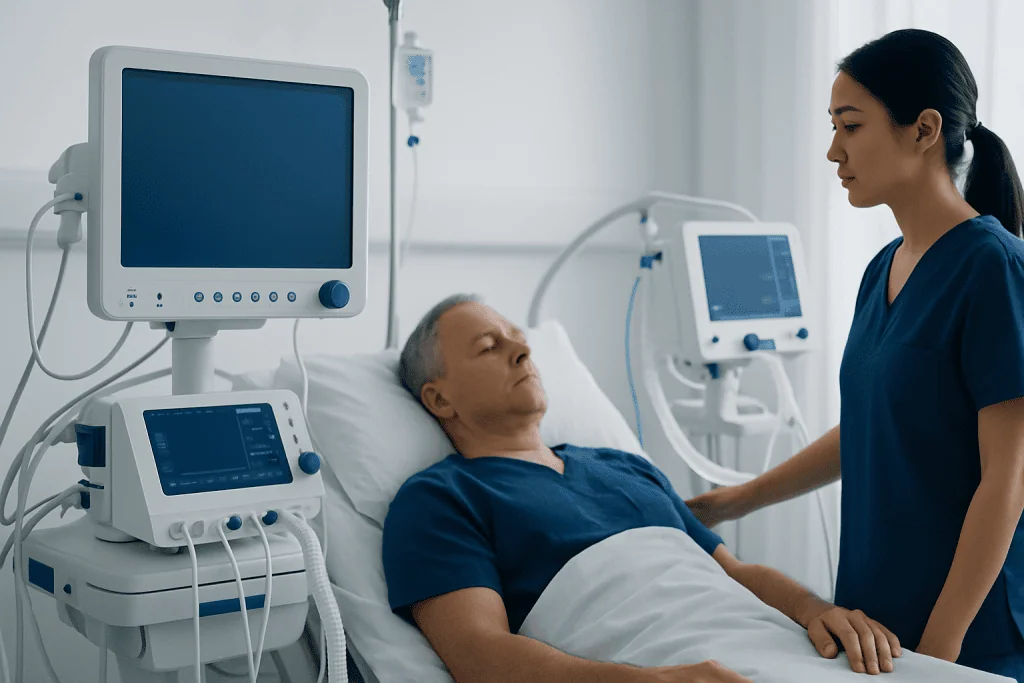
Medical communication can be difficult for patients and families because many terms are technical, abbreviated, or derived from Latin and Greek. Similar-sounding words may refer to very different conditions. In everyday life, a handwritten note, an autocorrect error, a hurried conversation, or a misread hospital portal entry can easily create a term like “fnapsk.”
Another common reason is that people search for a symptom label that is not the official diagnosis. A clinician may describe a pattern of symptoms first and then later confirm the cause after examination, blood tests, or imaging. This is one reason clear diagnosis often matters more than guessing from a single word.
Searches for unusual strings of letters may also reflect confusion around acronyms. In medicine, acronyms can differ between specialties, hospitals, and countries. Without context, an acronym is often not enough to identify a problem safely. For example, symptoms related to the brain, heart, lungs, or digestion can overlap, so context is essential.
If a person is trying to understand a possible neurological problem, a specialist may look for patterns such as weakness, numbness, balance changes, or headaches. Depending on the history, doctors may consider conditions such as Parkinson’s disease or multiple sclerosis only when symptoms and examination findings support them. An unclear search term alone cannot confirm any diagnosis.
Possible symptoms linked to the search for fnapsk

Because fnapsk is not a defined diagnosis, there is no official symptom list attached to it. Instead, the symptoms that matter are the ones the person is actually experiencing. A doctor will usually ask when the problem started, whether it is getting better or worse, and whether it affects daily activities such as walking, eating, sleeping, working, or thinking clearly.
Common symptom groups that often drive confusing health searches include:
- Neurological symptoms such as headache, dizziness, numbness, tingling, weakness, tremor, memory changes, or balance problems
- Cardiorespiratory symptoms such as chest discomfort, palpitations, cough, shortness of breath, or fainting
- Digestive symptoms such as abdominal pain, nausea, vomiting, diarrhea, constipation, or bloating
- General symptoms such as fatigue, fever, unintentional weight change, poor sleep, or body aches
- Skin or sensory changes such as rash, swelling, vision changes, or hearing problems
It can be helpful to track symptoms before a medical visit. Useful details include timing, triggers, recent infections, travel, injuries, new medicines, and family history. Even simple notes about what improves or worsens the symptom can make diagnosis more efficient.
Symptoms should never be dismissed just because the term used online is unclear. If the body is sending a signal that something is wrong, the symptom itself deserves attention. The right diagnosis often becomes clearer after a focused history, physical exam, and, when appropriate, targeted testing.
How doctors identify the real condition
When a term like fnapsk is unclear, diagnosis begins with careful clarification rather than assumptions. A clinician may ask to see the original document, screenshot, medication package, or referral note. If there is no document, the doctor will usually rely on the person’s symptoms, age, medical history, and examination findings to narrow the possibilities.
The diagnostic process often starts with a physical exam and a review of systems. Depending on the complaint, this may include checking blood pressure, heart and lung sounds, abdomen, skin, joint movement, reflexes, strength, sensation, gait, vision, or speech. This first step often points to the body system involved and helps determine whether urgent action is needed.
If tests are necessary, they are chosen based on the symptom pattern rather than on the unclear word alone. These may include blood tests, urine tests, electrocardiography, ultrasound, or more detailed imaging. When symptoms suggest a brain or spine problem, doctors may consider advanced evaluation such as MRI imaging to look for structural or inflammatory causes.
Specialist referral may be recommended when symptoms are persistent, progressive, or hard to explain. Depending on the situation, this could involve neurology, cardiology, gastroenterology, pulmonology, endocrinology, or another field. The main aim is to replace an uncertain label with an evidence-based diagnosis that can guide treatment safely.
Treatment depends on the actual diagnosis
There is no specific treatment for “fnapsk” because it is not an established medical condition. Treatment always depends on the confirmed cause. For some people, the outcome may be as simple as learning that the term was a typo and no disease is present. For others, the search may lead to diagnosis of a manageable condition that benefits from medication, rehabilitation, lifestyle measures, or monitoring.
Doctors generally avoid treatment based only on a vague internet label because the wrong treatment can delay proper care. For example, numbness could come from vitamin deficiency, nerve compression, migraine, autoimmune disease, stroke, or anxiety-related hyperventilation. Each cause has a different treatment plan, and some need urgent attention while others can be managed over time.
Management may include symptom relief, treatment of the root cause, and follow-up to watch for change. If weakness, difficulty speaking, or severe headache raises concern for an acute neurological event, emergency assessment may be needed. If the issue turns out to be a chronic nerve or movement problem, options may include neurological rehabilitation to improve function and independence.
In more complex situations, care can involve multiple specialties. Acibadem International’s multidisciplinary specialists and JCI-accredited hospitals diagnose and treat a wide range of conditions for international patients. If symptoms suggest a brain-related disorder, evaluation may include neurology care and, when clinically appropriate, further investigation for conditions such as epilepsy.
What people can do now: safe next steps and self-care
The safest first step is to verify the source of the word. If possible, a person should check the original report, message, or medication label and compare the spelling carefully. Asking the doctor’s office, pharmacist, or hospital records team for clarification is often faster and more accurate than trying to infer meaning from search results alone.
While waiting for clarification, general self-care should focus on the actual symptom rather than the unknown term. This may include rest, hydration, regular meals, avoiding alcohol or recreational drugs if symptoms are affecting thinking or balance, and taking prescribed medicines only as directed. It is wise not to start supplements, stop treatment, or borrow medications based on guesses from the internet.
Keeping a symptom diary can also help. Brief notes on start time, duration, severity, associated symptoms, and triggers can make a medical visit more productive. If there are photos of a rash, swelling, or visible change, these may be useful to share with a clinician.
For ongoing health concerns, prevention still matters even before a final diagnosis is clear. Balanced nutrition, regular physical activity, sleep, stress management, vaccinations, and routine checkups all support overall health. These measures are not a substitute for diagnosis, but they can improve resilience and help doctors interpret symptoms in context.
When to seek medical care
A person should seek prompt medical care if the uncertain term is linked to new, severe, or worsening symptoms. Warning signs include chest pain, shortness of breath, fainting, seizures, sudden confusion, severe dehydration, or a high fever with signs of serious illness. These symptoms need medical assessment regardless of what word appears in a search or report.
Emergency care is especially important for possible stroke symptoms. Sudden facial drooping, arm weakness, numbness on one side, trouble speaking, vision loss, or loss of balance should be treated as urgent. Time-sensitive conditions should never wait for online clarification of a term like fnapsk.
Non-emergency medical review is also appropriate when symptoms persist, interfere with work or daily life, recur frequently, or cause concern. It is reasonable to make an appointment if there is unexplained weight loss, prolonged fatigue, ongoing pain, repeated headaches, progressive weakness, or changes in bowel, bladder, or mental function.
If the meaning of a report or diagnosis remains unclear after a visit, asking for a plain-language explanation is appropriate and helpful. Patients can ask what the term means, what problem is being considered, what tests are needed, and what symptoms should prompt urgent follow-up. Clear communication is part of safe medical care.
Frequently asked questions
Is fnapsk a real medical condition?
Fnapsk is not a recognized disease name in standard medical references. It is more likely to be a typo, shorthand, or misunderstood term that needs clarification in context.
What should a person do if fnapsk appears on a report or message?
The best step is to review the original document carefully and contact the clinic, doctor, or pharmacist who issued it. They can explain the correct term and what it means for the person’s health.
Can symptoms be diagnosed from the word fnapsk alone?
No. A diagnosis depends on the actual symptoms, medical history, physical examination, and sometimes tests such as blood work or imaging. An unclear term by itself is not enough to identify a condition safely.
Could fnapsk refer to a neurological problem?
It could be searched by people with neurological symptoms, but the term itself does not confirm a brain or nerve disorder. Symptoms such as weakness, numbness, tremor, seizures, or balance problems need proper medical assessment.
When is fnapsk-related concern an emergency?
Emergency care is needed if there are severe or sudden symptoms such as chest pain, trouble breathing, seizures, fainting, or stroke-like signs. In these situations, the symptom matters more than the unclear label.
How can someone prepare for a doctor visit about an unclear medical term?
It helps to bring the original report, a medication list, and a record of symptoms with dates and triggers. Clear details about when the problem started and how it has changed can help the doctor identify the true diagnosis.
References
- World Health Organization
- U.S. National Library of Medicine
- MedlinePlus
- Centers for Disease Control and Prevention
- National Institute of Neurological Disorders and Stroke
This article is for general information only and is not a substitute for professional medical advice. Please consult a qualified doctor about your individual situation.
Explore treatments in Turkey — costs, top hospitals & a free quote
JCI-accredited · board-certified surgeons · reply within 24h
Add us as a Preferred Source to see more of our trusted health content across Google Search, AI Overviews and Discover.