Autophobia: What Patients Need to Know

Autophobia is more than disliking solitude; it is a strong fear that can trigger significant anxiety and avoidance. Symptoms may include panic, racing thoughts, physical tension, and a need for constant reassurance or company.
Key Takeaways
- Autophobia is more than disliking solitude; it is a strong fear that can trigger significant anxiety and avoidance.
- Symptoms may include panic, racing thoughts, physical tension, and a need for constant reassurance or company.
- It can occur on its own or alongside other mental health conditions such as anxiety, depression, or trauma-related disorders.
- Diagnosis is based on a clinical assessment of symptoms, triggers, severity, and impact on daily functioning.
- Treatment often includes psychotherapy, especially cognitive behavioral therapy, and sometimes medication when clinically appropriate.
- Early support can improve confidence, reduce avoidance, and help a person regain independence.
Autophobia is an intense, persistent fear of being alone or without immediate support. It can affect daily life, relationships, sleep, and independence, but effective treatment and coping strategies are available.
What is autophobia?
Autophobia is an intense fear of being alone, isolated, or without immediate help nearby. A person with autophobia may feel unsafe when no trusted person is present, even in familiar places such as home. This fear is not simply a preference for company or discomfort with solitude; it is a level of anxiety that can feel overwhelming and interfere with normal daily activities.
The experience can vary from person to person. Some people fear being physically alone, while others become anxious if they believe emotional support is not easily available. For example, a person may avoid sleeping alone, staying at home without someone nearby, or traveling independently because being alone triggers strong distress.
Autophobia is not always listed as a separate diagnosis in the same way as some other anxiety disorders, but clinicians recognize it as a meaningful fear pattern that deserves assessment and treatment. It may overlap with specific phobias, panic symptoms, separation-related anxiety, or broader anxiety conditions such as anxiety disorders.
How autophobia can affect daily life
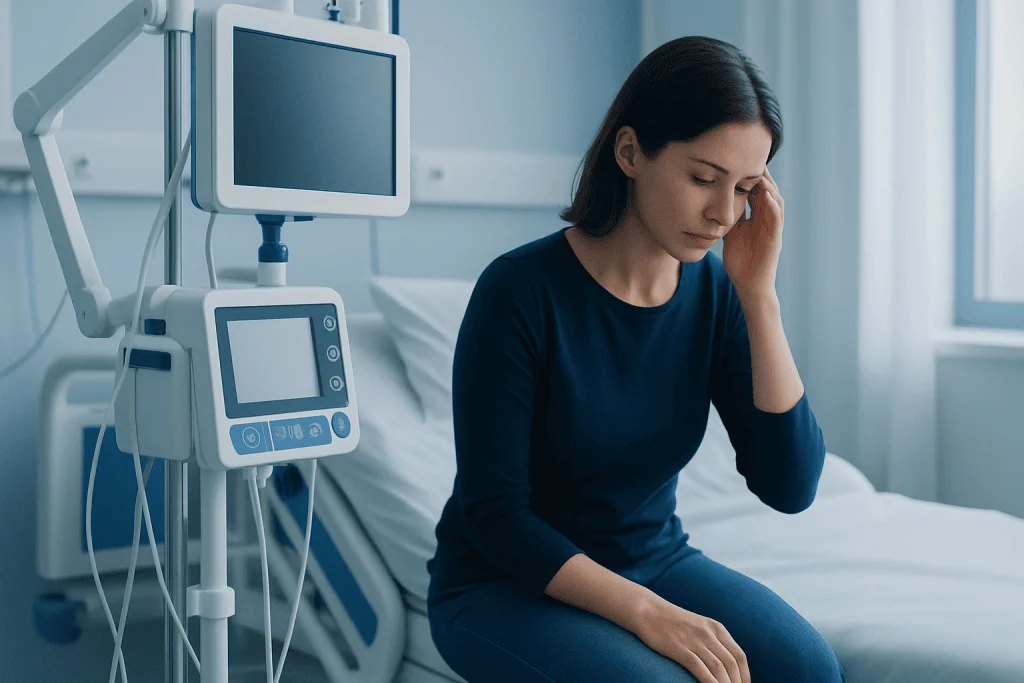
Fear of being alone can shape many everyday decisions. A person may arrange their schedule to avoid time by themselves, rely heavily on family or friends, or avoid work, school, shopping, or travel unless accompanied. This can limit independence and gradually make the fear feel stronger over time.
Autophobia can also affect sleep and rest. Some people find evenings especially difficult because quiet, darkness, or fewer available supports may increase anxious thoughts. They may keep lights or televisions on, repeatedly call loved ones, or struggle to relax if they expect to be alone.
Relationships may also be affected. Loved ones may not always understand that the fear feels very real, and repeated reassurance-seeking can create tension. Compassionate support is important, but recovery often involves learning to tolerate short periods of solitude in a gradual, structured way rather than depending entirely on others for relief.
Symptoms of autophobia

Autophobia often causes both emotional and physical symptoms. The emotional experience may include intense dread, a sense of danger, helplessness, or fear that something bad will happen if no one is nearby. These reactions can appear before being alone, while alone, or even when a person only anticipates solitude.
Physical symptoms can resemble other anxiety reactions and may include a racing heart, shortness of breath, sweating, trembling, nausea, dizziness, chest tightness, or a feeling of losing control. In some people, the fear can escalate into a panic attack. Because these symptoms can feel severe, a medical evaluation may be needed to rule out other causes when symptoms are new or unclear.
Common signs include:
- Avoiding being home alone, sleeping alone, or going out alone
- Constantly checking that someone is available by phone or nearby
- Needing repeated reassurance to feel safe
- Feeling distress well out of proportion to the actual situation
- Difficulty concentrating because of fear about being left alone
- Changing routines, work, or social plans to prevent solitude
Many people with this fear know that their reaction may seem excessive, but insight does not make the symptoms disappear. That is one reason professional support can be helpful.
Possible causes and risk factors
Autophobia does not have one single cause. It usually develops through a combination of personal temperament, life experiences, and mental health factors. Some people have a general tendency toward heightened anxiety, which can make them more sensitive to situations that feel uncertain or vulnerable.
Past experiences may play a role. A history of trauma, neglect, abandonment, medical emergencies, panic attacks while alone, or major loss can shape the brain’s fear response. In these situations, being alone may become linked with danger, even when the current environment is safe. Autophobia may also appear alongside depression, panic disorder, trauma-related conditions, or social anxiety disorder, although the pattern of fear is different.
Risk factors can include ongoing stress, poor sleep, limited social support, other phobias, and family patterns of anxiety. In children and adolescents, developmental stage and attachment experiences can influence how fear of separation or aloneness appears. In adults, health concerns or a previous frightening medical event may increase fear of not having help close by.
How doctors diagnose autophobia
Diagnosis begins with a careful conversation about symptoms, triggers, and how the fear affects everyday life. A doctor, psychologist, or psychiatrist will ask when the fear started, whether panic symptoms occur, what situations are avoided, and whether there are related conditions such as depression, trauma symptoms, or other anxiety problems. The main goal is to understand the pattern clearly and identify the most appropriate form of care.
There is no blood test or scan that diagnoses autophobia. However, a medical assessment may sometimes be appropriate if symptoms such as chest pain, fainting, palpitations, or breathing difficulty raise concern for another condition. This helps make sure the symptoms are not being caused by a heart, thyroid, respiratory, or neurological problem.
Mental health professionals often assess how intense the fear is, whether it is persistent, and whether it causes meaningful impairment. They may explore safety behaviors, such as never staying alone, keeping constant contact with others, or avoiding independent activities. These details help distinguish a clinical fear response from ordinary loneliness or temporary stress.
Treatment options for autophobia
Treatment is tailored to the individual, but psychotherapy is often the foundation of care. Cognitive behavioral therapy, often called cognitive behavioral therapy, helps a person identify fear-driven thoughts, understand how avoidance keeps anxiety active, and gradually build new coping skills. A therapist may also use structured exposure techniques, in which the person practices short, manageable periods of being alone in a safe and planned way.
Other approaches may also help, especially when trauma, grief, or broader anxiety patterns are present. Relaxation training, breathing exercises, mindfulness-based strategies, and supportive psychotherapy can reduce physical arousal and improve emotional regulation. If symptoms are severe or occur together with another condition, a psychiatrist may discuss psychiatric evaluation and treatment and whether medication could be useful as part of a broader plan.
Medication is not the right choice for everyone, but it may be considered when anxiety is persistent, intense, or linked with depression or panic symptoms. Medicines are typically used to reduce overall symptom burden while therapy addresses the underlying fear pattern. A qualified doctor can explain possible benefits, side effects, and how treatment should be monitored.
Recovery often works best when treatment is consistent and realistic. Progress may begin with small goals, such as spending a few minutes alone in one room, then gradually extending time and complexity. With support, many people become less reactive to solitude and more confident in daily life.
Self-care and practical coping strategies
Self-care does not replace professional treatment, but it can support recovery. A predictable routine, regular sleep, balanced meals, and physical activity can help lower the body’s overall stress response. Reducing excess caffeine or other stimulants may also be helpful for people who experience palpitations or panic-like symptoms.
It can be useful to create a coping plan for times when being alone feels difficult. This may include calming breathing, grounding exercises, a short list of reassuring statements, and one or two trusted contacts for appropriate support. The aim is not to rely on constant rescue, but to build a structured sense of safety while practicing independence.
Gradual exposure is often more effective than sudden confrontation. A person might start with very short, low-stress periods alone and repeat them until anxiety settles, then slowly increase duration. Keeping a journal of triggers, physical sensations, and progress can make improvements easier to notice and discuss with a clinician.
If fear is interfering with work, relationships, or quality of life, professional mental health care is recommended. At Acibadem International, multidisciplinary specialists in JCI-accredited hospitals assess and treat anxiety-related conditions for international patients, including access to services such as psychological support.
When to seek medical care
Medical or mental health care should be sought if fear of being alone is persistent, causes distress, or leads to major changes in daily life. Examples include avoiding normal responsibilities, being unable to sleep alone, repeated panic attacks, or relying so heavily on others that independence becomes limited. Early care can help prevent the cycle of avoidance from becoming more deeply established.
Prompt assessment is also important if symptoms appear together with depression, trauma-related symptoms, substance misuse, or thoughts of self-harm. Emergency help is needed right away if a person has suicidal thoughts, is in immediate danger, or has severe chest pain, fainting, or breathing difficulty that could signal another medical problem.
For families and caregivers, a supportive approach is best. Listening without judgment, encouraging professional evaluation, and avoiding criticism can make it easier for a person to seek help. Treatment is often very effective, especially when the fear is recognized and addressed early.
Frequently asked questions
Is autophobia the same as loneliness?
No. Loneliness is a common emotional experience related to wanting more connection, while autophobia is an intense fear response to being alone or without support nearby. A person with autophobia may feel panic, dread, or physical anxiety even when they are objectively safe.
Can autophobia cause panic attacks?
Yes, it can. For some people, being alone or anticipating being alone can trigger rapid heartbeat, shortness of breath, dizziness, shaking, and a sense of losing control. These symptoms can resemble a panic attack and should be discussed with a doctor, especially if they are new or severe.
What kind of doctor helps with autophobia?
A primary care doctor can be a good first step, especially if symptoms are unclear or there may be another medical cause for physical anxiety symptoms. Mental health professionals such as psychologists and psychiatrists are often involved in diagnosis and treatment, particularly when therapy or medication is needed.
How is autophobia treated?
Treatment commonly includes psychotherapy, especially cognitive behavioral therapy and gradual exposure-based techniques. Some people also benefit from medication if anxiety is severe or occurs alongside depression, panic disorder, or another mental health condition. Treatment plans are individualized.
Can autophobia go away on its own?
Mild fear may improve if it is linked to a temporary stressor, but persistent autophobia often continues without targeted help. Avoidance can strengthen the fear over time. Professional support can make recovery more structured, safer, and more effective.
Is autophobia common in children and adults?
Fear related to separation or being alone can occur at different ages, but the reasons and patterns may differ between children and adults. In children, developmental stage and attachment can play a larger role, while adults may be influenced by anxiety disorders, trauma, health worries, or past experiences. A clinical assessment helps clarify what is happening.
This article is for general information only and is not a substitute for professional medical advice. Please consult a qualified doctor about your individual situation.
Explore treatments in Turkey — costs, top hospitals & a free quote
JCI-accredited · board-certified surgeons · reply within 24h
Add us as a Preferred Source to see more of our trusted health content across Google Search, AI Overviews and Discover.

More from the Health Library

Stool with Slime: An Evidence-Based Guide for Patients

Fluticasone — Explained by Medical Evidence, Not Myths

Fast Acting Laxative — Explained by Medical Evidence, Not Myths

Verapamil: A Complete Medical Overview

Polydipsia: What Patients Need to Know