Stool with Slime: An Evidence-Based Guide for Patients

A small amount of mucus can be normal, but repeated stool with slime may signal bowel irritation or illness. Common causes include constipation, infections, irritable bowel syndrome, food intolerance, and inflammatory bowel disease.
Key Takeaways
- A small amount of mucus can be normal, but repeated stool with slime may signal bowel irritation or illness.
- Common causes include constipation, infections, irritable bowel syndrome, food intolerance, and inflammatory bowel disease.
- Warning signs include blood in the stool, severe abdominal pain, fever, dehydration, unexplained weight loss, or symptoms lasting more than a few days.
- Diagnosis may involve a history, physical exam, stool tests, blood tests, and sometimes colonoscopy or imaging.
- Treatment depends on the cause and can range from hydration and diet changes to medicines for infection or inflammation.
Stool with slime usually means there is extra mucus mixed with bowel movements. Small amounts can happen with irritation or constipation, but persistent mucus, blood, pain, fever, or weight loss should be assessed by a doctor.
Overview: What stool with slime usually means
Stool with slime usually refers to visible mucus in a bowel movement. Mucus is a slippery substance normally made by the intestines to protect and lubricate the bowel lining, so a very small amount may be present without causing concern. It becomes more noticeable when the bowel is irritated, inflamed, infected, or moving stool differently than usual.
Many people describe this as clear, whitish, yellowish, or jelly-like material coating the stool or appearing separately. Sometimes it comes with diarrhea, constipation, cramping, bloating, or a feeling of incomplete emptying. In other cases, it is seen only once and does not return.
The most helpful question is not only whether mucus is present, but what other symptoms appear with it. Stool with slime is often temporary and linked to a minor problem such as constipation or a short-lived stomach infection. However, recurring mucus or mucus accompanied by blood, pain, fever, or weight loss deserves medical review.
What mucus in stool can look like
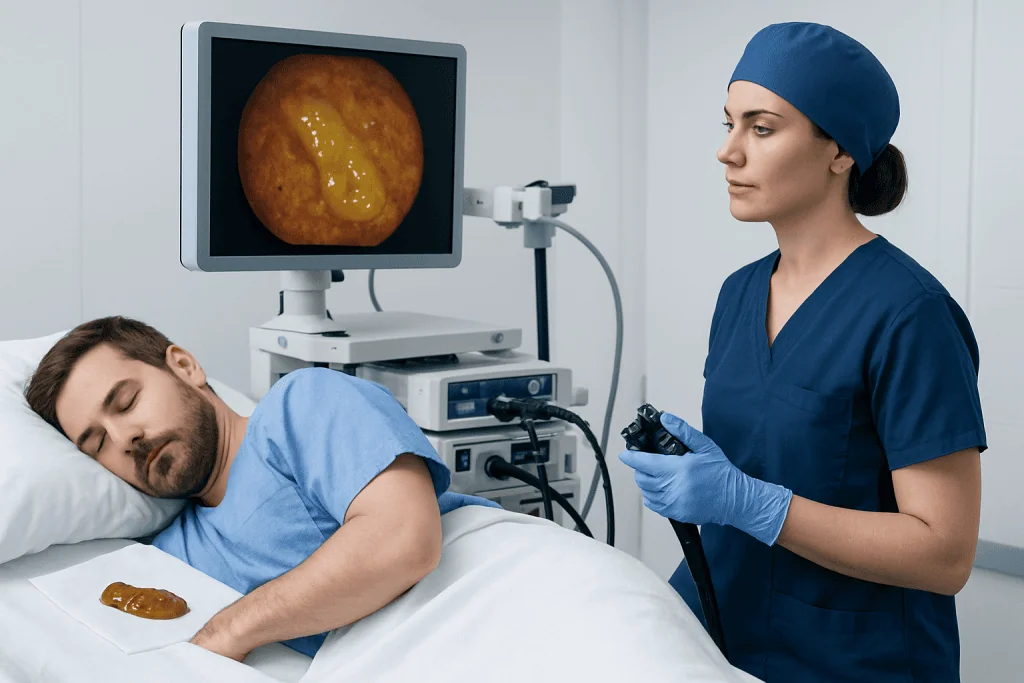
Mucus may appear as a shiny coating on the stool, stringy or gel-like material, or a separate slimy discharge. Its color can vary. Clear or white mucus is common, while yellow mucus may appear with irritation or infection. Mucus mixed with red blood or black stool is more concerning and should not be ignored.
Appearance alone cannot confirm the cause, but it can offer clues. Hard stools with a small amount of mucus may point toward constipation or straining. Loose stools with mucus can occur with infection, food intolerance, or chronic bowel conditions. Greasy, foul-smelling stool suggests a different issue, such as malabsorption, rather than mucus alone.
Because mucus can be confused with pus, undigested food, or oily stool, a clinician may ask for details or request stool testing. Taking note of color, frequency, and associated symptoms can make an evaluation more accurate.
Common causes of stool with slime

One of the most common reasons for stool with slime is bowel irritation. Constipation, straining, dehydration, and temporary changes in diet can increase mucus production. Diarrhea may also leave mucus more visible because stool passes quickly through the intestines.
Infections are another common cause. Viral, bacterial, or parasitic infections can inflame the intestines and lead to mucus, urgent bowel movements, cramps, nausea, or fever. Food poisoning and infectious diarrhea often improve within days, but persistent symptoms may require testing and treatment.
Chronic digestive conditions can also produce mucus. Irritable bowel syndrome may cause mucus along with bloating, abdominal discomfort, constipation, diarrhea, or alternating bowel habits. Inflammatory conditions such as Crohn’s disease or ulcerative colitis may cause mucus together with bleeding, pain, fatigue, and weight loss. Other possible causes include hemorrhoids, anal irritation, food intolerance, diverticular disease, and less commonly colorectal growths or cancer.
After bowel surgery or with disorders affecting the rectum, some people may notice mucus leakage or discharge. In rare cases, sexually transmitted infections involving the rectum can also cause mucus, pain, or discharge. This is why the full clinical context matters more than the symptom by itself.
Risk factors and symptoms that add context
Doctors often look for patterns that raise or lower the likelihood of certain causes. Recent travel, questionable food or water exposure, antibiotic use, contact with someone who is ill, or a sudden onset of diarrhea may suggest infection. Longstanding symptoms, recurrent episodes, or a family history of bowel disease can point toward a chronic condition.
Associated symptoms are especially important. Mucus with cramping, bloating, and stress-related bowel changes may fit irritable bowel syndrome. Mucus with fever, vomiting, and dehydration may suggest gastroenteritis. Mucus with blood, nighttime diarrhea, fatigue, or weight loss raises more concern for inflammation or another condition that needs medical workup.
Age also matters. While bowel mucus can occur at any age, new changes in bowel habits in older adults should be taken seriously. People with immune system problems, inflammatory bowel disease, or recent hospital stays may need earlier assessment because they can be at higher risk for significant infection or complications.
- Recent travel or food poisoning symptoms
- Constipation or repeated straining
- Diarrhea lasting more than a few days
- Family history of inflammatory bowel disease or colorectal cancer
- Blood in stool, weight loss, fever, or anemia symptoms
How doctors diagnose the cause
Diagnosis starts with a careful history and physical examination. A clinician may ask when the mucus began, how often it appears, whether there is diarrhea or constipation, and whether there are warning signs such as blood, fever, nighttime symptoms, or weight loss. Diet, medications, travel, recent antibiotics, and stress can all provide useful clues.
Testing depends on the situation. Stool tests may check for infection, inflammation, or blood. Blood tests can look for anemia, signs of infection, dehydration, or inflammation. If symptoms are persistent, unexplained, or severe, the doctor may recommend imaging or an endoscopic examination of the bowel.
A colonoscopy may be used when there is concern about inflammatory bowel disease, bleeding, colorectal polyps, or persistent unexplained bowel changes. In some cases, doctors may also consider endoscopy or other gastrointestinal evaluations depending on symptoms. The aim is not simply to confirm mucus, but to identify the condition causing it so treatment can be targeted appropriately.
Treatment options and what recovery depends on
Treatment for stool with slime depends entirely on the cause. If constipation or mild bowel irritation is responsible, doctors may recommend hydration, gradual fiber adjustment, regular meals, and avoiding excessive straining. For short-term infectious diarrhea, rest and fluid replacement are often central, although some infections require specific medicines.
If irritable bowel syndrome is contributing, treatment may focus on symptom triggers, bowel pattern management, and stress reduction. For inflammatory bowel disease, care may include prescription anti-inflammatory or immune-modifying medicines under specialist supervision. If there is structural disease, bleeding, or another significant finding, treatment is tailored to that diagnosis.
People should avoid self-medicating repeatedly without knowing the cause, especially if symptoms are ongoing. Overusing anti-diarrheal medicines can sometimes mask a problem or be unsuitable during some infections. Professional evaluation helps determine whether simple supportive care is enough or whether specialist assessment in gastroenterology is appropriate.
For international patients needing further assessment, Acibadem International’s multidisciplinary specialists and JCI-accredited hospitals diagnose and treat digestive symptoms using a coordinated approach. Referral may be particularly helpful when stool with slime is persistent, recurrent, or associated with more complex bowel symptoms.
Self-care steps that may help at home
When symptoms are mild and there are no red flags, practical self-care may help while monitoring the situation. Drinking enough fluids is important, especially with diarrhea or hot weather. Some people benefit from a gentle, balanced diet for a few days, while avoiding foods that clearly trigger bloating or urgency.
Fiber can be helpful, but the right approach depends on bowel pattern. If constipation is present, gradual fiber increase may improve stool movement. If diarrhea is active, very high-fiber meals may worsen symptoms for some people in the short term. Keeping a simple food and symptom diary can help identify patterns without becoming overly restrictive.
Good hand hygiene, safe food handling, and caution with untreated water can lower the risk of infectious causes. It is also sensible to review new medications or supplements with a clinician, as some may affect bowel habits. If symptoms are recurring, it is better to seek medical advice than to continue guessing the cause.
When to seek medical care
Medical advice should be sought promptly if stool with slime occurs together with blood, black stool, severe or worsening abdominal pain, persistent vomiting, fever, fainting, or signs of dehydration such as dizziness and reduced urination. These symptoms can signal a condition that needs more than home care.
Assessment is also important if mucus persists for more than a few days, keeps returning, or is associated with unexplained weight loss, fatigue, anemia, or bowel habit changes that are new for that person. Anyone with a history of inflammatory bowel disease, immune suppression, or recent antibiotic use should be especially cautious.
Urgent evaluation may be recommended for young children, older adults, and people who are pregnant or medically frail, because fluid loss or infection can affect them more quickly. If there is concern about chronic intestinal inflammation, doctors may investigate for conditions such as ulcerative colitis and plan follow-up care accordingly.
Frequently asked questions
Is stool with slime always a sign of disease?
No. A small amount of mucus can be normal because the intestines naturally produce it to protect the bowel lining. It becomes more important when it is frequent, increasing, or accompanied by symptoms such as pain, diarrhea, bleeding, or fever.
What is the difference between mucus in stool and oily stool?
Mucus usually looks clear, white, or jelly-like and may coat the stool. Oily stool tends to look greasy, float, and be difficult to flush, which may suggest fat malabsorption rather than bowel mucus. If the appearance is unclear or keeps happening, a doctor can help distinguish the cause.
Can constipation cause stool with slime?
Yes. Constipation and straining can irritate the bowel and increase visible mucus. If the problem settles when bowel habits improve, it may be a temporary issue, but persistent mucus should still be discussed with a clinician.
Does stool with slime mean inflammatory bowel disease?
Not necessarily. Inflammatory bowel disease is one possible cause, but infections, irritable bowel syndrome, constipation, and rectal irritation are also common explanations. Doctors usually look at the full picture, including blood in stool, weight loss, fever, and test results.
Should a person go to the emergency department for mucus in stool?
Usually not for mucus alone. Emergency care is more appropriate if there is heavy bleeding, severe abdominal pain, high fever, dehydration, confusion, fainting, or black stool. Otherwise, a routine or urgent doctor visit may be enough depending on the symptoms.
How is the cause of stool with slime tested?
The first steps are usually a medical history and physical examination. Depending on symptoms, testing may include stool studies, blood tests, and sometimes colonoscopy or imaging to check for infection, inflammation, or structural bowel problems.
References
- National Institute of Diabetes and Digestive and Kidney Diseases
- American College of Gastroenterology
- Centers for Disease Control and Prevention
- Mayo Clinic
- National Health Service
This article is for general information only and is not a substitute for professional medical advice. Please consult a qualified doctor about your individual situation.
Medical weight-loss options in Turkey — costs & eligibility
JCI-accredited · board-certified surgeons · reply within 24h
Add us as a Preferred Source to see more of our trusted health content across Google Search, AI Overviews and Discover.

More from the Health Library

Areds: An Evidence-Based Guide for Patients

Uncontrolled Diabetes and the Need for Timely Review

18 Week Ultrasound: A Complete Medical Overview

Blood clot arm photos: Symptoms, Causes, and Treatment — Complete Patient Guide

Palm Oil — Explained by Medical Evidence, Not Myths

Prosopagnosia: What Patients Need to Know
Gastroenterology Specialists at Acibadem

Assoc. Prof. Dr. Suna Yapalı
Gastroenterology
Dr. Türker Egesel
Gastroenterology
Prof. Dr. Yaşar Çolak
Gastroenterology
Prof. Dr. Yusuf Serdar Sakin
Gastroenterology