Stercoral Colitis: Diagnosis, Outlook, and Modern Treatment Approaches

Stercoral colitis is usually linked to severe constipation and fecal impaction. Common symptoms include abdominal pain, bloating, constipation, nausea, and sometimes fever.
Key Takeaways
- Stercoral colitis is usually linked to severe constipation and fecal impaction.
- Common symptoms include abdominal pain, bloating, constipation, nausea, and sometimes fever.
- CT imaging is often the most useful test to confirm stercoral colitis and look for complications.
- Treatment focuses on removing impacted stool, supporting the bowel, and treating complications early.
- Older adults, people with limited mobility, and those taking constipating medicines may be at higher risk.
- Urgent medical attention is important if there is severe pain, vomiting, fever, or signs of bowel perforation.
Stercoral colitis is a serious inflammation of the colon that happens when hard, retained stool puts pressure on the bowel wall and reduces blood flow. With prompt diagnosis and modern treatment, many people improve, but delayed care can lead to dangerous complications such as ulceration or perforation.
Overview: what stercoral colitis means
Stercoral colitis is inflammation of the colon caused by long-standing stool retention, usually when very hard stool becomes impacted and stretches the bowel. The pressure from this stool can irritate the bowel lining, reduce blood flow to the wall of the colon, and in some cases lead to tissue injury. Although it begins as a complication of severe constipation, it is more than “just constipation” and needs medical assessment.
This condition is most often seen in people who have chronic constipation, reduced mobility, neurologic disease, dehydration, or medicines that slow the bowel. It can affect different parts of the large intestine, but the rectosigmoid colon is commonly involved because stool becomes firm there as water is absorbed.
Outlook depends largely on how early the problem is recognized. When stercoral colitis is diagnosed before the bowel is badly damaged, treatment can often relieve the obstruction and allow the colon to recover. If diagnosis is delayed, complications such as ulcers, ischemia, infection, or perforation can develop and become life-threatening.
Symptoms and how it may feel
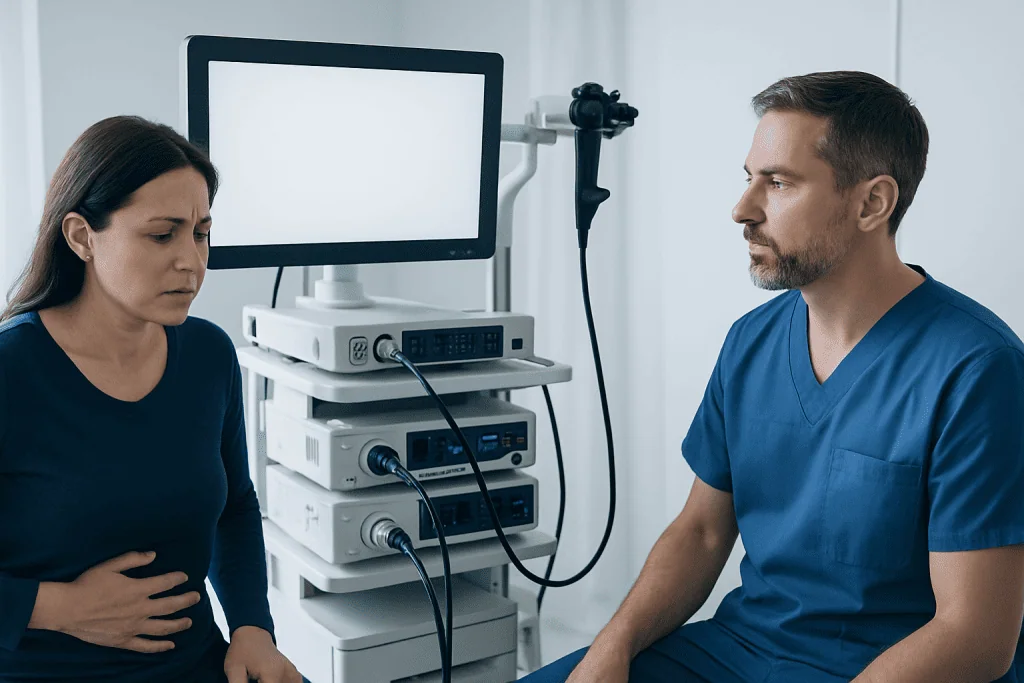
The symptoms of stercoral colitis can range from mild to severe. Some people mainly notice worsening constipation, difficulty passing stool, abdominal fullness, or bloating. Others develop cramping or constant abdominal pain, sometimes with nausea, poor appetite, or vomiting.
One challenge is that symptoms do not always reflect how serious the condition is. Older adults or people with neurologic disorders may have vague symptoms, confusion, or reduced appetite rather than clear abdominal complaints. Occasionally, loose stool may leak around the impaction, which can be mistaken for diarrhea.
Possible symptoms include:
- Persistent constipation or inability to pass stool
- Abdominal pain or tenderness
- Bloating or abdominal swelling
- Nausea or vomiting
- Loss of appetite
- Fever or feeling unwell
- Rectal discomfort or straining
- Confusion or weakness in frail older adults
If the bowel wall becomes injured, symptoms can escalate. Severe pain, fever, rapid heart rate, vomiting, or signs of sepsis may suggest a more advanced problem. Because these features can overlap with other digestive emergencies, timely medical evaluation is important.
Why it happens: causes and risk factors

The direct cause of stercoral colitis is prolonged stool stasis. When stool remains in the colon for too long, it becomes dry and hard. This hardened stool, sometimes called a fecaloma, can press continuously against the bowel wall. Over time, that pressure can reduce circulation in the affected area and trigger inflammation or ulcer formation.
Severe constipation usually develops from several factors acting together rather than one single cause. Low fluid intake, low-fiber eating patterns, poor mobility, and infrequent bowel emptying can all contribute. Medicines are also a common factor, especially opioid pain medicines, some antidepressants, anticholinergic drugs, iron supplements, and certain calcium channel blockers.
People at higher risk include older adults, people who are bedridden or less mobile, and those with conditions that affect bowel motility such as Parkinson’s disease, stroke, dementia, spinal cord disorders, or diabetes-related nerve damage. Chronic bowel problems may overlap with other gastrointestinal conditions, and a doctor may sometimes evaluate for issues such as colon cancer or diverticulitis if symptoms or imaging raise concern.
In practice, stercoral colitis is best understood as a preventable end point of untreated constipation. Recognizing recurring constipation early and addressing the underlying reason can reduce the chance of fecal impaction and bowel injury later on.
How stercoral colitis is diagnosed
Diagnosis begins with a medical history and physical examination. Doctors ask about bowel habits, last bowel movement, abdominal pain, vomiting, medicines, neurologic disease, hydration, and past episodes of constipation or impaction. The exam may include checking for abdominal distension, tenderness, bowel sounds, and signs of dehydration or infection.
Imaging plays a central role. A CT scan of the abdomen and pelvis is often the most informative test because it can show impacted stool, thickening of the colon wall, surrounding inflammation, and signs of complications such as free air, fluid, or poor bowel wall enhancement. In some cases, plain abdominal X-rays may suggest constipation or obstruction, but CT is generally more helpful when stercoral colitis is suspected.
Blood tests may be used to look for infection, dehydration, electrolyte imbalance, kidney strain, or other effects of illness. Depending on the situation, the care team may also evaluate for bowel obstruction, ischemic colitis, appendicitis, or other causes of abdominal pain. If the diagnosis is uncertain after the acute episode improves, a specialist may recommend further assessment of the colon, sometimes including colonoscopy, to understand the broader cause of constipation or to exclude another structural problem.
Because the condition can progress quickly when bowel pressure is severe, diagnosis is not only about naming the problem. It also helps determine whether treatment can be conservative or whether urgent surgical care may be necessary.
Modern treatment approaches
Treatment for stercoral colitis depends on severity, the person’s overall health, and whether there are complications. In uncomplicated cases, the main goals are to relieve the fecal impaction, reduce pressure on the colon, correct dehydration, and monitor the patient closely. Hospital care is often recommended when pain is significant, oral intake is poor, or imaging shows marked inflammation.
Conservative treatment may include intravenous fluids, bowel rest in some cases, laxatives chosen by a doctor, enemas when appropriate, and careful manual or endoscopic disimpaction. Some patients may be assessed by specialists in gastroenterology if the impaction is difficult to manage or if there are questions about the underlying cause of severe constipation. Antibiotics may be used if there is concern about infection, systemic illness, or bowel wall injury.
Surgery becomes more likely if there is perforation, dead bowel tissue, uncontrolled infection, generalized peritonitis, or failure of conservative treatment. Surgical management may involve removing the damaged part of the colon and addressing contamination in the abdomen. In such situations, coordinated care with general surgery is important.
Recovery does not end when the impaction is removed. Long-term management usually includes a bowel regimen, medication review, hydration guidance, nutrition advice, and treatment of contributing neurologic or metabolic conditions. This follow-up phase is essential because preventing recurrence is a major part of modern treatment.
Outlook and possible complications
The outlook for stercoral colitis varies widely. Many patients recover well when the condition is recognized early and the stool burden is relieved before the colon wall is severely damaged. Improvement often depends on prompt decompression of the bowel, correction of fluid imbalance, and addressing the reason constipation became severe in the first place.
The most serious complication is perforation, where a hole forms in the colon wall. This can allow bowel contents to leak into the abdomen and cause peritonitis or sepsis. Other complications may include ulceration, localized abscess, ischemic injury, worsening bowel obstruction, or recurrent fecal impaction.
Even after successful treatment, recurrence is possible if the bowel pattern remains unchanged or if high-risk medicines and dehydration continue. That is why doctors usually focus not only on the emergency itself but also on long-term prevention. For some people, this may involve review by a multidisciplinary team to manage constipation safely and consistently.
Near the end of evaluation or treatment planning, some international patients may choose centers experienced in digestive emergencies and follow-up care. Acibadem International’s multidisciplinary specialists and JCI-accredited hospitals diagnose and treat stercoral colitis and related digestive conditions for international patients.
Prevention and self-care after treatment
Prevention focuses on avoiding severe constipation and recognizing changes in bowel habits early. A regular bowel pattern differs from person to person, but prolonged difficulty passing stool, repeated straining, or a sense of incomplete emptying should not be ignored. Early management can reduce the chance that stool will harden and become impacted.
Practical self-care may include drinking enough fluids, eating fiber as advised by a clinician, staying physically active within personal limits, and responding to the urge to pass stool rather than delaying it. For some people, especially older adults or those with neurologic disease, a structured bowel routine is helpful. A doctor may also review constipating medications and consider alternatives when appropriate.
After a hospital episode, patients are often given a prevention plan. This may include prescribed stool softeners or laxatives, nutrition advice, and follow-up to monitor bowel habits. People with chronic or difficult constipation may benefit from specialist assessment in digestive care settings, especially if symptoms persist despite routine measures.
Self-care is valuable, but it should not replace medical advice in a person who has severe pain, vomiting, bleeding, or recurrent impaction. Because stercoral colitis can become serious quickly, any home plan should be guided by a qualified clinician.
When to seek medical care
Medical care should be sought promptly if constipation is severe, lasts several days with worsening discomfort, or is accompanied by abdominal pain and bloating. A person should also contact a doctor if there is repeated vomiting, inability to eat or drink, rectal pain, or new confusion, especially in an older adult.
Urgent or emergency care is needed for severe or spreading abdominal pain, fever, a rigid or very tender abdomen, fainting, rapid heart rate, blood in the stool, or signs that no gas or stool can pass at all. These symptoms may suggest complications such as bowel obstruction, infection, or perforation.
It is also sensible to arrange a non-urgent medical review for ongoing constipation, repeated need for enemas or laxatives, or a noticeable change in bowel habits. Early assessment can help identify treatable causes and lower the risk of another episode of stercoral colitis.
Frequently asked questions
Is stercoral colitis the same as constipation?
No. Stercoral colitis is a complication of severe constipation in which retained stool causes pressure-related inflammation in the colon. Constipation may be common, but stercoral colitis needs medical attention because it can damage the bowel wall.
How serious is stercoral colitis?
It can range from treatable to life-threatening, depending on how early it is found. When diagnosed promptly, many people improve with bowel decompression and supportive care. If treatment is delayed, complications such as perforation or infection can occur.
What test best shows stercoral colitis?
A CT scan of the abdomen and pelvis is often the most useful imaging test. It can show impacted stool, inflammation of the colon wall, and signs of complications that may not be clear on a physical exam alone.
Can stercoral colitis be treated without surgery?
Yes, many uncomplicated cases are managed without surgery. Treatment may include fluids, monitored bowel regimens, disimpaction, and close observation. Surgery is usually reserved for perforation, severe tissue damage, or failure of conservative treatment.
Who is most at risk of developing stercoral colitis?
People with chronic constipation are at highest risk, especially older adults, those with reduced mobility, and people taking medications that slow the bowel. Neurologic conditions, dehydration, and poor oral intake may raise the risk further.
Can stercoral colitis come back?
Yes, recurrence is possible if the underlying causes of constipation are not addressed. A prevention plan that includes hydration, bowel routine, medication review, and medical follow-up can help reduce the chance of another episode.
References
- National Institute of Diabetes and Digestive and Kidney Diseases
- American College of Gastroenterology
- National Health Service
- Mayo Clinic
- World Gastroenterology Organisation
This article is for general information only and is not a substitute for professional medical advice. Please consult a qualified doctor about your individual situation.
Persistent digestive symptoms? Get evaluated in Turkey
JCI-accredited · board-certified surgeons · reply within 24h
Add us as a Preferred Source to see more of our trusted health content across Google Search, AI Overviews and Discover.
Check your numbers in seconds
BMI, calories, due date, blood pressure and 30+ more clinical calculators — free, instant, doctor-reviewed ranges.

More from the Health Library



Related Specialists

Prof. Dr. Bülent Evren Erkul
Otorhinolaryngology
Dr. Güner Esra Kutlu
Pediatrics
Prof. Dr. Deniz Ulaş Uğur
Gynecology & Obstetrics
Dr. Nesrin Yılmaz Baıramov
Physical Medicine & Rehabilitation