Li Fraumeni Syndrome: Diagnosis, Outlook, and Modern Treatment Approaches
Li Fraumeni syndrome is a hereditary cancer predisposition syndrome most often linked to mutations in the TP53 gene. People with this syndrome can develop several different cancers, often at younger ages and sometimes more than one over a lifetime.
Key Takeaways
- Li Fraumeni syndrome is a hereditary cancer predisposition syndrome most often linked to mutations in the TP53 gene.
- People with this syndrome can develop several different cancers, often at younger ages and sometimes more than one over a lifetime.
- Genetic counseling and TP53 testing are central to confirming the diagnosis and guiding family screening.
- There is no single cure for Li Fraumeni syndrome, but structured surveillance can help detect cancers earlier.
- Treatment depends on the type and stage of cancer and may be adjusted to reduce unnecessary radiation exposure when possible.
Li Fraumeni syndrome is a rare inherited condition, usually caused by a TP53 gene mutation, that increases the lifetime risk of several cancers at younger ages than usual. Diagnosis is based on personal and family history together with genetic testing, and modern care focuses on coordinated surveillance, early detection, and individualized treatment when cancer develops.
Overview: What Li Fraumeni Syndrome Means
Li Fraumeni syndrome is a hereditary cancer syndrome that makes the body more likely to develop certain cancers over a lifetime. It is most commonly caused by a change, or pathogenic variant, in the TP53 gene. This gene normally helps control cell growth and repair damaged DNA, so when it does not work properly, cancer risk rises.
Unlike many common cancers that appear later in adulthood, cancers linked to li fraumeni syndrome may occur in childhood, young adulthood, or midlife. The pattern can vary widely from one person to another, even within the same family. Some people develop one cancer, while others may develop more than one primary cancer over time.
Modern care is not focused only on treating cancer after it appears. A major part of management is careful surveillance designed to find cancer early, when treatment may be more effective and less extensive. Because this condition affects both patients and relatives, care often includes genetic counseling, family planning discussions, and long-term follow-up.
Cancer Risks and Common Types Associated With the Syndrome
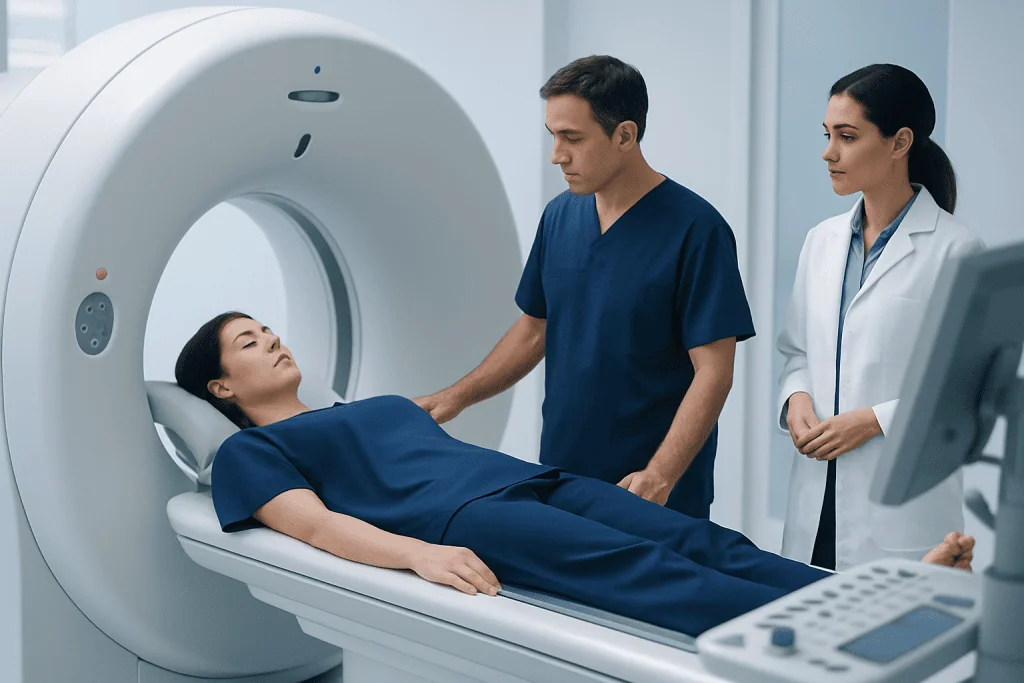
Li Fraumeni syndrome is associated with a broad range of cancers rather than one single disease. Classic examples include soft tissue sarcomas, bone sarcomas, breast cancer, brain tumors, adrenocortical carcinoma, and leukemia. However, other cancers can also occur, so the risk profile is wider than a short list may suggest.
The exact cancer risk depends on the specific TP53 mutation, age, sex, and family history. In general, the syndrome is known for early-onset cancer and for the possibility of multiple primary tumors over a lifetime. This is why doctors often recommend ongoing surveillance even after one cancer has been successfully treated.
Families may first come to medical attention because several relatives developed cancer at younger ages than expected, or because one person had an unusual combination of cancers. When doctors suspect a hereditary syndrome, they may also consider other inherited conditions in the differential diagnosis, such as Lynch syndrome, depending on the family pattern and cancer types involved.
Signs, Family Clues, and Risk Factors
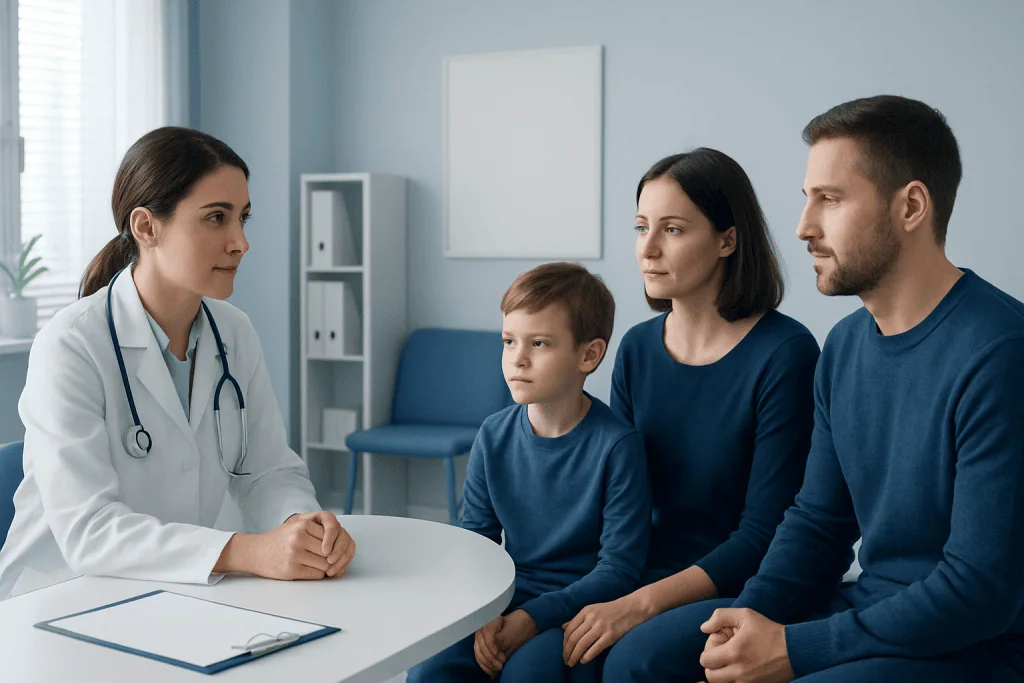
Li Fraumeni syndrome itself does not usually cause daily symptoms before cancer develops. Instead, the important clues are often found in a person’s medical history or family history. Examples include cancer diagnosed in childhood or young adulthood, rare tumors, multiple cancers in one person, or several close relatives with related cancers across generations.
The main risk factor is inheriting a TP53 mutation from a parent. The condition typically follows an autosomal dominant inheritance pattern, meaning a child of an affected parent has a 50% chance of inheriting the altered gene. In some cases, a TP53 mutation appears for the first time in one person without a prior family history.
Because symptoms depend on the type of cancer, warning signs are not the same for everyone. A new lump, unexplained weight loss, ongoing pain, neurological symptoms, unusual bleeding, persistent fatigue, or changes in breast tissue should be assessed promptly. These symptoms are not specific to li fraumeni syndrome, but in people with known TP53 mutations they deserve timely medical review.
- Early-onset cancer in an individual or close relative
- More than one primary cancer in the same person
- Childhood cancers in the family
- Rare cancers such as adrenocortical carcinoma
- A known TP53 mutation in a blood relative
How Diagnosis Is Confirmed
Diagnosis usually begins with a careful review of personal and family history. Doctors look at the types of cancers in the family, the ages at diagnosis, and whether one person has had multiple primary cancers. Certain clinical criteria may raise strong suspicion, but a definite diagnosis generally requires genetic testing.
Genetic counseling is an important step before and after testing. A genetic counselor or specialist explains what the test can and cannot show, how results may affect relatives, and what the emotional and practical implications may be. Testing is usually done from a blood or saliva sample to look for a TP53 mutation.
If a pathogenic TP53 variant is found, doctors may recommend predictive testing for at-risk relatives. When a person has cancer at the time of diagnosis, further tests such as imaging, biopsy, and pathology studies are used to identify the tumor type and stage. In some situations, advanced genetic testing is part of the workup, alongside imaging studies such as MRI when surveillance or tumor assessment is needed.
Not every person with a strong family history will have a detectable TP53 mutation, and not every TP53 finding has the same meaning. Some results are classified as variants of uncertain significance, which require expert interpretation and follow-up rather than immediate conclusions.
Modern Treatment Approaches
There is no treatment that removes li fraumeni syndrome itself, so management focuses on two goals: detecting cancers early and treating any cancer according to its specific type and stage. Care is individualized and often coordinated by a multidisciplinary team that may include oncologists, surgeons, radiologists, pathologists, genetic counselors, and psychologists.
When cancer develops, treatment may involve surgery, systemic therapy, and selected forms of radiation therapy, depending on the diagnosis. Because TP53-related cancers can sometimes increase sensitivity to radiation-related risks, clinicians often think carefully about whether imaging or treatment plans can limit unnecessary radiation exposure while still providing safe and effective care. The balance is different for each patient and cancer type.
For many solid tumors, surgery plays a central role, especially when a cancer is found early through surveillance. Depending on the case, treatment may also include medical oncology for chemotherapy, targeted therapy, hormonal therapy, or immunotherapy. If surgery is needed, some patients may be referred for surgical oncology as part of an individualized treatment plan.
Surveillance is another major modern approach. Many specialists recommend regular whole-body imaging, brain imaging, breast screening for women at risk, and physical examinations tailored to age and family history. These plans should be designed and updated by clinicians familiar with hereditary cancer syndromes.
Living With Li Fraumeni Syndrome: Surveillance, Prevention, and Self-Care
Living with li fraumeni syndrome often means long-term follow-up rather than one-time treatment. A structured surveillance program helps monitor for cancers that may develop at different times of life. Keeping appointments, maintaining organized records, and sharing genetic information with appropriate relatives can make care more effective and less stressful.
There is no guaranteed way to prevent cancer in this syndrome, but healthy habits still matter. Avoiding tobacco, limiting alcohol, protecting the skin from excessive sun exposure, maintaining a balanced diet, staying physically active, and following age-appropriate health care can support overall health. Patients should also ask their doctors before repeated imaging that uses ionizing radiation, since alternatives may sometimes be available.
Emotional support is also an important part of care. Ongoing screening, uncertainty, and family implications can create anxiety or decision fatigue. Counseling, support groups, and clear communication with the care team may help patients and families cope over time.
Near the practical end of care, many people benefit from a dedicated hereditary cancer clinic or a coordinated oncology program. Acibadem International’s multidisciplinary specialists and JCI-accredited hospitals diagnose and treat hereditary cancer conditions for international patients, with care plans tailored to the person’s genetics, cancer history, and surveillance needs.
When to Seek Medical Care
A person should seek medical care promptly if they have a known TP53 mutation and notice any new or persistent symptoms such as a lump, unexplained pain, new neurological symptoms, prolonged fatigue, unexplained weight loss, unusual bleeding, or a change in breast tissue. These symptoms do not always mean cancer, but they should be assessed without delay in someone at higher inherited risk.
Medical advice is also important if there is a strong family history of early-onset or multiple cancers, even if no genetic diagnosis has yet been made. A doctor may recommend referral to genetics services to discuss testing and appropriate screening for the individual and relatives.
Urgent care may be needed for severe symptoms such as seizures, sudden weakness, serious bleeding, shortness of breath, or rapidly worsening pain. People already in a surveillance program should contact their team if they miss planned tests, become pregnant, receive a new diagnosis, or need guidance about imaging, surgery, or family testing.
Frequently asked questions
What is li fraumeni syndrome?
Li fraumeni syndrome is an inherited disorder that increases the risk of developing several types of cancer, often at younger ages than usual. It is most often caused by a harmful change in the TP53 gene, which normally helps prevent abnormal cells from growing.
How is li fraumeni syndrome diagnosed?
Diagnosis is usually based on a combination of personal cancer history, family history, and genetic testing for a TP53 mutation. Genetic counseling is recommended before and after testing so the results can be understood clearly and shared appropriately with family members.
Can li fraumeni syndrome be cured?
There is no cure that removes the inherited TP53 mutation from the body. Treatment focuses on regular surveillance, early detection, and managing any cancers that develop with the most appropriate therapies for that tumor type.
What cancers are linked to li fraumeni syndrome?
The syndrome is classically associated with breast cancer, soft tissue sarcoma, bone sarcoma, brain tumors, adrenocortical carcinoma, and leukemia. However, other cancers can also occur, so follow-up plans are usually broad and individualized.
Should family members be tested?
If a TP53 mutation is confirmed in one person, close blood relatives may be offered testing because they could also carry the same inherited change. Testing decisions should be guided by a genetics professional, who can explain benefits, limitations, and timing.
What does treatment usually involve if cancer is found?
Treatment depends on the cancer type, stage, location, and the person's overall health. It may include surgery, systemic therapy, and sometimes radiation therapy, with careful planning to avoid unnecessary radiation exposure when suitable alternatives exist.
References
- National Cancer Institute
- American Cancer Society
- National Comprehensive Cancer Network
- GeneReviews
- World Health Organization
This article is for general information only and is not a substitute for professional medical advice. Please consult a qualified doctor about your individual situation.
Oncology care in Turkey — second opinion and treatment plan
JCI-accredited · board-certified surgeons · reply within 24h
Add us as a Preferred Source to see more of our trusted health content across Google Search, AI Overviews and Discover.