Blister on Toe — Explained by Medical Evidence, Not Myths

Most toe blisters are caused by rubbing from shoes, socks, or repeated activity. Keeping the blister clean, protected, and intact helps it heal and lowers infection risk.
Key Takeaways
- Most toe blisters are caused by rubbing from shoes, socks, or repeated activity.
- Keeping the blister clean, protected, and intact helps it heal and lowers infection risk.
- Blood, pus, increasing redness, warmth, or swelling can suggest a more serious problem.
- People with diabetes, nerve damage, or circulation problems should seek medical advice early.
- Proper footwear, moisture control, and gradual activity changes can help prevent recurrence.
A blister on toe is most often a small pocket of fluid caused by friction, pressure, heat, or skin irritation. Most toe blisters heal on their own with simple care, but some need medical attention if they become infected, very painful, or happen in people with diabetes or poor circulation.
What a Blister on Toe Usually Means
A blister on toe is usually a response to repeated rubbing, pressure, or skin irritation. The top layers of skin separate, and the space fills with clear fluid to protect the tissue underneath. In many cases, this is a minor problem that improves within days if the toe is kept clean, cushioned, and protected from further friction.
Although many people think a blister always means infection or poor hygiene, that is not usually true. Most toe blisters form because shoes fit poorly, socks trap moisture, or activity suddenly increases. Long walks, running, hiking, sports, or wearing new shoes are common triggers.
Not every blister looks the same. Some are clear and soft, some fill with blood after stronger pressure or pinching, and some become raw if the roof breaks. A blister can also develop from burns, allergic skin reactions, or skin conditions such as eczema, though friction remains the most common cause.
The main question is not only what it looks like, but whether it is healing normally. A simple blister often becomes less painful once friction stops. If symptoms worsen instead of improving, the cause may be more than routine rubbing and a medical assessment can help clarify what is happening.
Symptoms and Different Types of Toe Blisters
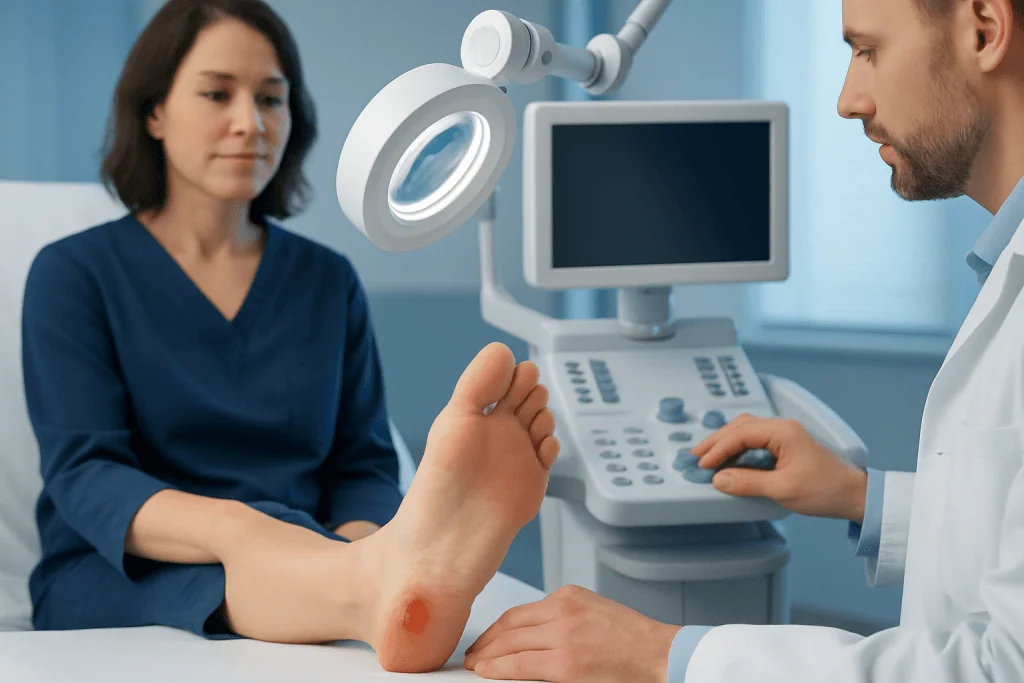
A typical friction blister appears as a small raised bubble on the toe, often with clear fluid inside. The surrounding skin may feel tender, red, or irritated. Pain is often worse when walking or when the shoe presses on the area.
Some blisters contain blood instead of clear fluid. A blood blister on toe can happen when a small blood vessel breaks under the skin after stronger pressure, pinching, or impact. It may look dark red, purple, or black and can be more uncomfortable than a clear blister, but it still often heals with protection and rest.
If the blister roof tears, the skin underneath may be exposed and sting when touched. This open area is more likely to become infected because the natural barrier is gone. Signs that suggest infection include increasing redness, warmth, swelling, pus, a bad smell, or pain that gets worse rather than better.
Sometimes what seems like a blister is actually another skin problem. Corns, calluses, fungal infections, dyshidrotic eczema, and irritation from contact with shoe materials can all affect the toes. If the lesion keeps coming back in the same place, spreads, or does not behave like a simple blister, a doctor may consider a skin condition such as eczema or another dermatologic cause.
Why Toe Blisters Happen: Causes and Risk Factors

The most common cause of a blister on toe is friction. When a shoe rubs repeatedly against the skin, especially during walking or exercise, heat and mechanical stress build up. Moisture from sweat softens the skin and makes injury more likely, which is why blisters are common in warm weather and during sports.
Pressure points also matter. Tight toe boxes, high heels, stiff seams, or socks that bunch up can create focused rubbing on one area. Toes that overlap, foot shape differences, bunions, or changes in walking pattern can all shift pressure in ways that promote blisters.
Less common causes include burns from hot surfaces, cold injury, allergic contact dermatitis, and infections such as athlete’s foot that weaken the skin barrier. In some cases, repeated toe blistering may occur together with fungal irritation, especially if there is peeling, itching, or scaling; evaluation for athlete's foot may then be useful.
Certain people have a higher risk of complications. Diabetes, peripheral neuropathy, and poor circulation can reduce feeling in the feet and slow healing. Older adults, people with very sensitive skin, and those who spend long periods standing or walking may also be more prone to blister formation and delayed recovery.
How a Blister on Toe Is Evaluated
Most simple toe blisters do not need tests. A doctor usually makes the diagnosis by asking how the blister started, whether shoes or activity changed, and how the skin looks on examination. They may ask about pain, drainage, fever, numbness, and other medical conditions that affect healing.
The examination focuses on whether the blister is intact, broken, infected, or caused by another condition. The doctor may look for redness extending beyond the blister, swelling, warmth, fluid that looks cloudy, or signs of deeper skin injury. They may also inspect the fit of footwear and the pressure areas on the foot.
If the cause is unclear or the blister is recurrent, further evaluation may be considered. This can include checking for fungal infection, eczema, allergies, or less common skin disorders. People with diabetes or circulation concerns may need a more detailed foot assessment, especially if there are ulcers, darkened tissue, or reduced sensation.
When infection is suspected, treatment is often based on the clinical picture rather than extensive testing. However, persistent or severe cases may need wound care or assessment by specialists. If the skin problem appears related to circulation or deeper tissue issues, doctors may recommend broader evaluation alongside wound care support.
Treatment and Safe Home Care
The safest treatment for most blisters is to protect them and reduce further rubbing. If the blister is small and intact, it is usually best not to pop it. The fluid inside helps cushion the area while new skin forms underneath. A clean protective dressing or blister pad can reduce pain while walking.
The toe should be washed gently with mild soap and water and then dried carefully, especially between the toes. Changing into dry socks and wearing roomier shoes can make a big difference. If the blister has opened on its own, the area should still be cleaned, and the loose skin should not be aggressively removed unless a clinician advises it.
Some larger or very painful blisters may be drained by a healthcare professional using sterile technique while leaving the overlying skin in place. This can lower pressure and help comfort while reducing the chance of infection. It is generally safer than trying to drain a blister at home, especially for people with diabetes, weak immunity, or circulation problems.
If there is spreading redness, pus, severe pain, or signs of a deeper skin infection, medical treatment may be needed. In those cases, doctors may assess for cellulitis or another complication. When a blister is part of a broader foot problem or repeated pressure injury, specialist care such as diabetic foot care or footwear assessment may be appropriate.
Prevention: Reducing Friction Before It Starts
Prevention is mainly about lowering friction, pressure, and moisture. Shoes should fit comfortably with enough room in the toe box so the toes do not rub against the front or sides. New shoes are best broken in gradually rather than worn for a full day right away.
Socks also matter. Soft, well-fitted socks that wick moisture away from the skin can reduce rubbing. Some people benefit from changing socks during long walks or exercise sessions, especially if their feet sweat heavily. Keeping the feet dry helps preserve the skin barrier.
Hot spots, areas that feel tender before a blister fully forms, deserve attention early. Protective tape, moleskin, cushioned dressings, or silicone toe protectors may help reduce pressure at those points. Toenails should be trimmed appropriately, since long nails can cause the toe to hit the shoe and increase trauma.
For people with foot shape problems, repeated blisters, or gait changes, a more structured plan may help. Footwear advice, pressure-relieving devices, and in some cases orthopedic rehabilitation can address the mechanical reasons that blisters keep returning. Consistent foot checks are especially important for anyone with diabetes or reduced feeling in the feet.
When to Seek Medical Care
Medical care is sensible if a blister on toe becomes increasingly painful, red, swollen, warm, or starts draining pus. Fever, red streaks, foul odor, or difficulty walking are also reasons to be assessed promptly. These features can suggest infection or a deeper problem that should not be managed only at home.
People with diabetes, peripheral artery disease, nerve damage, or immune suppression should contact a healthcare professional early, even for what appears to be a small blister. In these groups, foot wounds can worsen more easily and may heal more slowly. Early evaluation can help prevent complications.
It is also worth seeking advice if blisters keep coming back, appear without a clear cause, involve several areas of skin, or are associated with itching, scaling, or rash. In such cases, the issue may be more than simple friction. A doctor can help distinguish a routine blister from infection, dermatitis, fungal disease, or pressure-related injury.
If expert assessment is needed, Acibadem International’s multidisciplinary specialists in JCI-accredited hospitals evaluate foot and skin problems for international patients and guide treatment according to the cause. The goal is not only to heal the current blister, but also to reduce the chance that it returns.
Frequently asked questions
Should a blister on toe be popped?
In most cases, no. An intact blister protects the skin underneath and lowers the chance of infection. If the blister is large or very painful, it is safer to ask a healthcare professional about drainage rather than doing it at home.
How long does a toe blister take to heal?
A simple toe blister often improves within a few days and may heal fully within about one to two weeks. Healing depends on whether friction stops and whether the blister stays clean and protected. Broken blisters and blisters in people with diabetes may take longer.
What is the difference between a clear blister and a blood blister on toe?
A clear blister usually contains serum, a protective fluid that collects after friction irritates the skin. A blood blister forms when a small blood vessel breaks, so the fluid appears red, purple, or dark. Both can be caused by pressure, but blood blisters often result from stronger pinching or impact.
Can a blister on toe become infected?
Yes, especially if the blister opens and the area is not kept clean. Warning signs include increasing redness, warmth, swelling, pus, bad smell, and worsening pain. Medical advice is important if these symptoms appear.
Why do toe blisters keep coming back?
Recurring blisters usually mean the source of rubbing or pressure has not been corrected. Common reasons include tight shoes, foot shape differences, sweaty feet, repeated sports activity, or an underlying skin condition. A doctor or foot specialist can help identify the cause if blisters recur often.
Are toe blisters dangerous for people with diabetes?
They can be more concerning because diabetes may reduce sensation and slow healing. A small blister can go unnoticed, then worsen from continued pressure or infection. People with diabetes should inspect their feet daily and seek medical advice early if a blister develops.
This article is for general information only and is not a substitute for professional medical advice. Please consult a qualified doctor about your individual situation.
Explore treatments in Turkey — costs, top hospitals & a free quote
JCI-accredited · board-certified surgeons · reply within 24h
Add us as a Preferred Source to see more of our trusted health content across Google Search, AI Overviews and Discover.

More from the Health Library

Tums and Alcohol: What Patients Need to Know

Condom Broke: What Patients Need to Know

Long Acting Insulin: An Evidence-Based Guide for Patients

Exocrine System: What Patients Need to Know
Dates Fruit: A Complete Medical Overview