Eye Ops — Explained by Medical Evidence, Not Myths

“Eye ops” is a broad term that includes laser procedures and conventional eye surgery. Not all eye problems need surgery; treatment depends on the cause of symptoms and eye examination findings.
Key Takeaways
- “Eye ops” is a broad term that includes laser procedures and conventional eye surgery.
- Not all eye problems need surgery; treatment depends on the cause of symptoms and eye examination findings.
- Common eye ops include cataract surgery, laser vision correction, glaucoma procedures, and retinal surgery.
- A thorough eye assessment helps determine whether a person is a suitable candidate for an operation.
- Most eye procedures are planned, precise, and safe, but every operation has potential risks and recovery needs.
- Prompt medical attention is important for sudden vision loss, severe eye pain, flashes, floaters, or eye injury.
Eye ops are procedures performed to correct vision, remove cataracts, treat retinal problems, lower eye pressure, or address other eye conditions. The best option depends on the exact diagnosis, the structure of the eye, overall health, and a careful discussion of benefits, limits, and possible risks.
What “Eye Ops” Means
“Eye ops” is an informal way of referring to eye operations. In medical practice, this can mean many different procedures, from laser treatment on the surface of the eye to microsurgery inside the eye. Some eye ops aim to improve vision, while others are done to treat disease, protect sight, or relieve symptoms.
Rather than being one single treatment, eye ops include a range of evidence-based options. Examples include surgery for cataracts, laser vision correction for refractive errors, procedures for glaucoma, and operations for retinal conditions. The right approach depends on what problem is present and whether a procedure is expected to improve visual function or prevent further damage.
A common myth is that all eye operations are mainly cosmetic or elective. In reality, many are medically necessary. A person with blurred vision from cataracts, for example, may benefit from surgery to restore clearer sight, while someone with retinal disease may need urgent treatment to protect vision.
Why Eye Ops Are Done
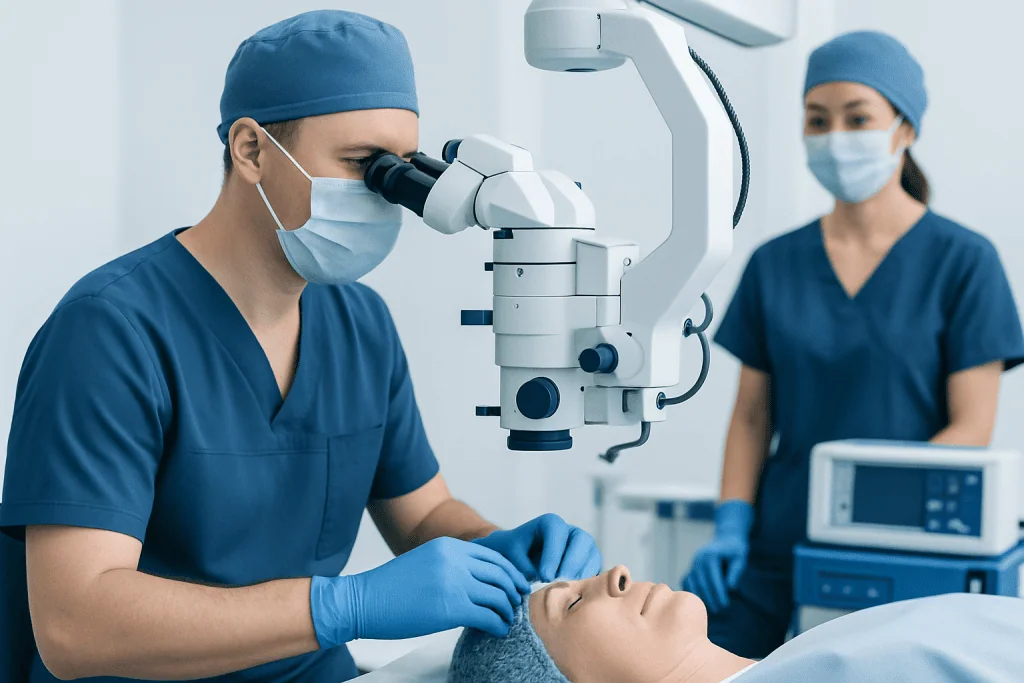
Doctors recommend eye ops for several reasons. One group of procedures is designed to correct refractive errors such as nearsightedness, farsightedness, or astigmatism. These operations reshape or replace part of the eye’s focusing system so that light is better focused on the retina. This may reduce dependence on glasses or contact lenses, although it does not guarantee perfect vision for every person.
Another major reason is the treatment of eye disease. Cataract surgery removes a cloudy lens that affects visual clarity. Glaucoma procedures aim to lower pressure in the eye and reduce the risk of optic nerve damage. Retinal treatments may be used to manage tears, detachments, bleeding, or diabetic eye complications.
Eye ops may also be performed after trauma, infection complications, or structural problems involving the cornea, lens, eyelids, or tear drainage system. In some cases, surgery helps comfort and eye health more than visual sharpness. The goal is always based on the person’s diagnosis, symptoms, examination findings, and expected benefit.
- Improve blurred or distorted vision
- Remove a cataract
- Treat retinal disease or retinal detachment
- Lower eye pressure in glaucoma
- Repair injury or structural abnormalities
- Reduce dependence on glasses in selected candidates
Common Types of Eye Operations
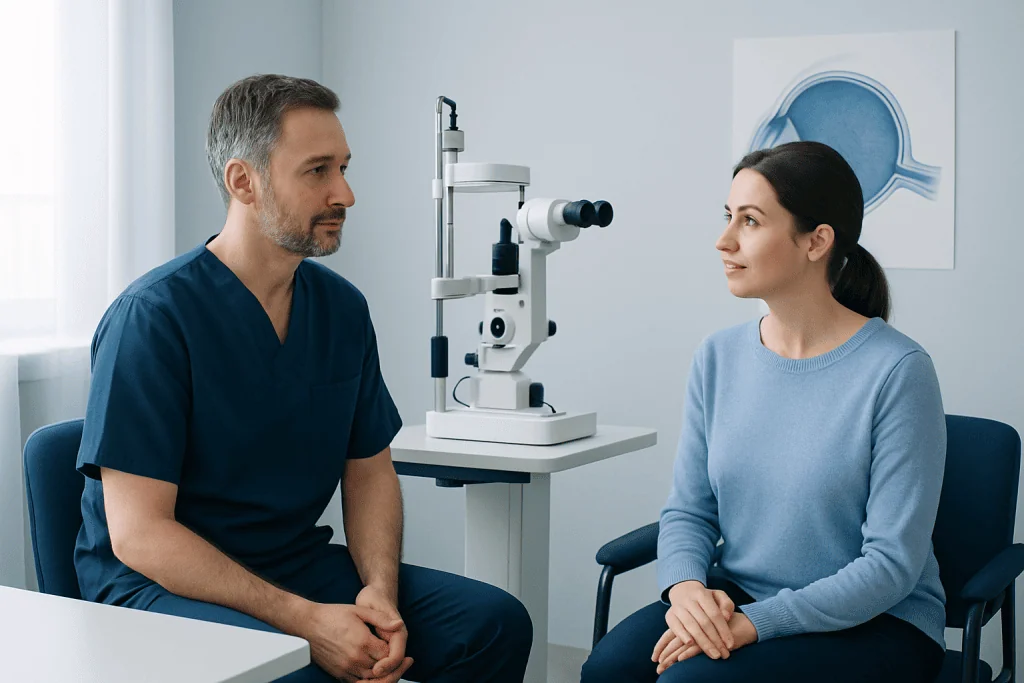
One of the most common eye ops is cataract surgery. During this procedure, the cloudy natural lens is removed and usually replaced with a clear artificial lens. It is often recommended when cataracts begin to interfere with daily activities such as reading, driving, or recognizing faces.
Laser vision correction includes procedures such as LASIK and related techniques. These treatments reshape the cornea to correct refractive errors. They are not suitable for everyone, and candidacy depends on corneal thickness, prescription stability, tear film health, age, and the absence of certain eye diseases.
Other eye ops are aimed at treating disease rather than reducing glasses use. Glaucoma surgery may help control pressure when drops or laser treatment are not enough. Retinal procedures, including vitrectomy, may be used for bleeding inside the eye, retinal detachment, macular problems, or complications of diabetes. Each operation has its own techniques, recovery pattern, and expected outcomes.
Some patients also need corneal surgery, eyelid surgery, or treatment for problems such as pterygium or severe ocular surface disease. This is why the term “eye ops” should always be clarified in the context of a specific diagnosis rather than treated as a single category.
Who May Be a Candidate
Suitability for eye surgery depends on much more than symptoms alone. An ophthalmologist usually considers the person’s age, overall health, vision needs, eye measurements, medical history, medications, and detailed exam findings. For refractive procedures, stable vision and a healthy cornea are especially important. For disease-related surgery, the severity and urgency of the condition guide decision-making.
Some people are good candidates for elective vision correction, while others may be better served by glasses, contact lenses, or a different procedure. Dry eye, corneal thinning, uncontrolled diabetes, pregnancy-related vision changes, active infection, or certain autoimmune conditions may affect whether surgery is recommended or delayed.
Doctors also consider expectations. Eye ops can offer meaningful benefits, but they do not make every eye “perfect,” and they cannot prevent all future age-related changes. A careful preoperative discussion helps align the treatment plan with realistic goals, such as clearer sight, improved safety, or disease control.
Evaluation, Tests, and How Doctors Decide
Before recommending an eye operation, the doctor carries out a full assessment. This often includes visual acuity testing, refraction, slit-lamp examination, pressure measurement, and examination of the retina and optic nerve. Depending on the problem, additional tests may include corneal mapping, optical coherence tomography, ultrasound, or measurements used to select an intraocular lens.
The purpose of this work-up is not only to confirm the diagnosis, but also to understand whether a procedure is likely to help and whether there are factors that increase risk. For example, symptoms of blurred vision could come from cataracts, retinal disease, corneal irregularity, or optic nerve damage. The correct treatment depends on identifying the true cause.
Doctors may also discuss alternatives, including watchful waiting, glasses, medication, laser treatment, or a different type of surgery. Evidence-based decision-making is especially important in eye care because two people with similar symptoms may need very different treatments. A measured, individualized approach is safer than choosing an operation based on advertising or myths.
Benefits, Risks, and Recovery
The possible benefits of eye ops vary by procedure. Some operations improve visual sharpness, reduce glare, or restore clearer sight. Others help preserve vision by treating disease before it causes permanent damage. When the indication is appropriate and the procedure is well matched to the patient, the outcome is often meaningful for daily life, independence, and comfort.
Even so, no eye operation is risk-free. Depending on the procedure, potential complications can include infection, inflammation, dry eye symptoms, glare or halos, pressure changes, bleeding, retinal problems, undercorrection or overcorrection, or the need for further treatment. Serious complications are uncommon, but they are part of informed consent and should be discussed clearly beforehand.
Recovery also differs from one eye op to another. Some laser procedures may allow fairly quick return to routine activity, while cataract or retinal surgery may involve eye drops, shielding the eye, temporary activity limits, and several follow-up visits. Good recovery depends on following postoperative instructions, using prescribed medications properly, and attending checkups so healing can be monitored.
Near the end of treatment planning, some patients seek care in centers with multidisciplinary ophthalmology teams. Acibadem International’s JCI-accredited hospitals diagnose and treat eye conditions for international patients, with treatment plans based on specialist evaluation and the specific eye disorder involved.
Myths and Misunderstandings About Eye Ops
A frequent myth is that eye ops are always painful or dangerous. In fact, many modern eye procedures are done with local anesthesia, numbing drops, or light sedation, and patients often feel pressure or mild discomfort rather than significant pain. Safety has improved greatly with advances in imaging, microsurgical instruments, and laser technology, although individual risk still matters.
Another misunderstanding is that surgery can fix every cause of poor vision. If reduced vision comes from advanced optic nerve damage, severe macular disease, or other irreversible changes, an operation may not fully restore sight. This is one reason accurate diagnosis matters more than choosing a procedure by name alone.
Some people also believe that laser surgery and cataract surgery are interchangeable. They are not. Laser vision correction typically reshapes the cornea, whereas cataract surgery removes the cloudy lens inside the eye. Similarly, a person with symptoms from glaucoma or retinal disease may need a very different kind of treatment than someone seeking refractive correction.
When to Seek Medical Care
A planned eye evaluation is appropriate for ongoing blurred vision, glare, difficulty reading, trouble seeing at night, increasing dependence on stronger glasses, or concerns about suitability for an eye operation. A doctor can determine whether symptoms are related to refractive error, cataract, dry eye, retinal disease, or another cause.
Urgent medical care is important if there is sudden vision loss, a curtain-like shadow over vision, new flashes and floaters, severe eye pain, a red eye with reduced vision, chemical exposure, or trauma to the eye. These symptoms can sometimes signal emergencies such as retinal detachment, acute glaucoma, infection, or injury and should not be ignored.
People with diabetes, a family history of serious eye disease, previous eye surgery, or long-term steroid use should be especially attentive to eye symptoms and regular examinations. Early assessment may detect problems before vision is permanently affected, and it helps identify whether an eye op is needed, optional, or not appropriate at all.
Frequently asked questions
What does “eye ops” mean?
“Eye ops” is a general term for eye operations and procedures. It may refer to laser vision correction, cataract surgery, glaucoma procedures, retinal surgery, or other operations performed to improve vision or treat eye disease.
Are eye ops only for people who want to stop wearing glasses?
No. Some eye ops are elective vision correction procedures, but many are done to treat medical problems such as cataracts, glaucoma, retinal tears, or bleeding inside the eye. The reason for surgery depends on the diagnosis, not just personal preference.
Are eye operations safe?
Modern eye operations are generally safe when performed for the right indication and after careful evaluation. However, every procedure has possible risks, so an ophthalmologist should explain the expected benefits, alternatives, and potential complications in clear terms.
How long does recovery take after an eye op?
Recovery varies widely by the type of procedure. Some people resume many normal activities within a short time, while others need longer healing, eye drops, activity restrictions, and close follow-up visits. The doctor’s aftercare instructions are an important part of recovery.
Can eye ops permanently cure all vision problems?
Not always. Some operations can significantly improve vision or stabilize eye disease, but they cannot reverse every cause of sight loss. Conditions affecting the retina, optic nerve, or other structures may limit how much vision can be restored.
How does a doctor decide which eye op is best?
The choice is based on the exact cause of symptoms, detailed eye measurements, overall eye health, medical history, and the person’s goals. Two people with similar complaints may need different treatments because the underlying problem is not the same.
This article is for general information only and is not a substitute for professional medical advice. Please consult a qualified doctor about your individual situation.
Explore treatments in Turkey — costs, top hospitals & a free quote
JCI-accredited · board-certified surgeons · reply within 24h
Add us as a Preferred Source to see more of our trusted health content across Google Search, AI Overviews and Discover.

More from the Health Library

Stomach Cramps Upper — Explained by Medical Evidence, Not Myths

Ligament of Treitz: What Patients Need to Know

Humanistic Psychology: A Complete Medical Overview

Cerebral Edema — Explained by Medical Evidence, Not Myths

Anaphylactic Shock: What Patients Need to Know