Crystal Meth: A Complete Medical Overview

Crystal meth is a potent stimulant form of methamphetamine with a high risk of addiction. It can affect mood, sleep, appetite, heart rate, blood pressure, and brain function.
Key Takeaways
- Crystal meth is a potent stimulant form of methamphetamine with a high risk of addiction.
- It can affect mood, sleep, appetite, heart rate, blood pressure, and brain function.
- Long-term use may lead to anxiety, paranoia, memory problems, dental damage, and weight loss.
- Diagnosis and care often include medical assessment, mental health support, and addiction treatment.
- Emergency medical care is important for chest pain, seizures, severe agitation, overheating, or loss of consciousness.
Crystal meth is a highly addictive form of methamphetamine that overstimulates the brain and body. It can cause short-term euphoria and alertness, but it also carries serious risks including dependence, heart problems, psychosis, and long-term changes in physical and mental health.
Overview: What crystal meth is and why it matters medically
Crystal meth is the common name for crystal methamphetamine, a powerful synthetic stimulant that affects the central nervous system. It is usually found as clear or bluish crystals or shiny fragments and is used in ways that deliver a strong and rapid effect. From a medical perspective, crystal meth is important because it can quickly disrupt normal brain signaling and place strain on the heart, blood vessels, and mental health.
The drug increases the release of chemicals such as dopamine, which can create intense feelings of energy, alertness, and pleasure. These effects may be brief, and they are often followed by a “crash” with fatigue, low mood, irritability, or strong cravings. Over time, repeated use can make it harder for the brain to function normally without the drug.
Crystal meth use can range from occasional to compulsive, but even short-term use may be risky. A person may develop dangerous overheating, dehydration, abnormal heart rhythms, severe anxiety, or impulsive behavior. Because crystal meth can also affect judgment, it is linked with accidents, unsafe situations, and delayed medical care.
Dependence and addiction are treatable health conditions. A neutral, medical approach focuses on safety, evaluation of physical and mental effects, and support for recovery rather than blame. Early assessment can help identify complications and connect the person with appropriate care.
How crystal meth affects the body and brain
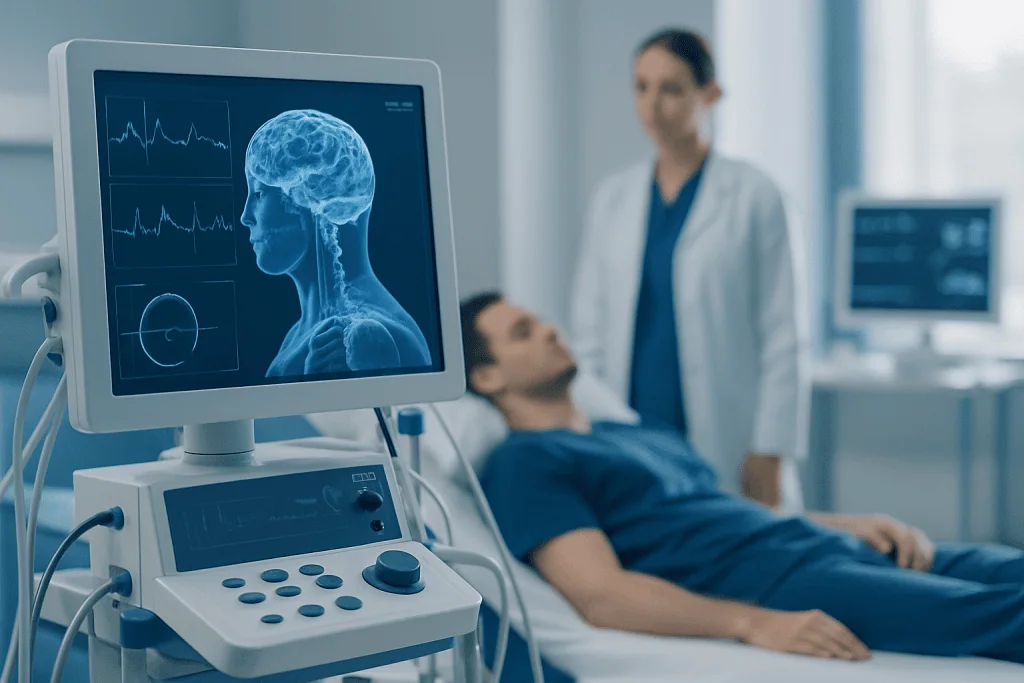
Crystal meth stimulates the brain and body far beyond normal levels. It can increase wakefulness, reduce appetite, and create a temporary sense of confidence or focus. At the same time, it raises heart rate, blood pressure, and body temperature, which can be dangerous in some people.
The brain is especially vulnerable. Repeated exposure may change how reward, motivation, memory, and emotional regulation work. This helps explain why cravings can become intense and why some people continue using even when the drug is causing clear harm.
Mental health effects can be immediate or develop over time. Some people experience panic, severe agitation, suspiciousness, or hallucinations. Others may develop depression, sleep problems, or difficulty concentrating, especially during withdrawal or after long periods of use.
Physical effects can also build gradually. Skin sores from picking, significant weight loss, dental problems, and frequent infections may appear in people who use crystal meth regularly. If there are concerns about confusion, hallucinations, or other severe mental changes, doctors may also evaluate for related conditions such as psychotic disorders while considering substance-related causes.
Symptoms and warning signs

Crystal meth symptoms can vary depending on how much is used, how often it is used, and whether other substances are involved. In the short term, a person may seem unusually energetic, talkative, restless, or unable to sleep. They may also have a reduced appetite, enlarged pupils, dry mouth, or rapid breathing.
Behavioral changes are often among the earliest warning signs. A person may become secretive, impulsive, irritable, or aggressive. Mood swings, poor judgment, repetitive behaviors, and neglect of work, school, or relationships may suggest harmful use or developing addiction.
With regular use, physical and mental symptoms may become more noticeable. Common long-term warning signs include:
- Marked weight loss or poor nutrition
- Severe sleep disturbance
- Dental decay or gum disease
- Skin picking or slow-healing sores
- Anxiety, paranoia, or hallucinations
- Memory problems and poor concentration
Withdrawal symptoms can appear when the drug is stopped. These may include exhaustion, depressed mood, increased appetite, slowed thinking, and strong cravings. Although withdrawal is often not life-threatening in the way some other substance withdrawals can be, it still deserves medical attention because of relapse risk, dehydration, severe depression, or self-harm thoughts.
Causes, risk factors, and complications
There is no single cause of crystal meth addiction. Like many substance use disorders, it usually develops through a combination of biological, psychological, and social factors. Family history of addiction, exposure to trauma, untreated mental health conditions, chronic stress, and certain social environments can all increase risk.
Some people begin using crystal meth for its stimulant effects, such as staying awake, improving performance, or suppressing appetite. However, repeated use can quickly lead to tolerance, meaning more of the drug is needed to produce the same effect. This pattern may increase the chance of overdose, risky behavior, and complications.
Complications can affect nearly every organ system. The cardiovascular system may be strained, leading to high blood pressure, chest pain, irregular heart rhythm, heart attack, or stroke. The nervous system may be affected by tremors, seizures, severe agitation, or long-term changes in mood and thinking.
Doctors also consider conditions that can occur alongside crystal meth use, such as depression and anxiety disorders. Infections, injuries, poor nutrition, and liver or kidney stress may also need evaluation. If a person has chest pain, doctors may urgently assess the heart with tests used in cardiology evaluation to rule out serious complications.
How doctors diagnose crystal meth-related problems
Diagnosis begins with a careful medical history and physical examination. The doctor may ask about symptoms, substance use pattern, sleep, nutrition, mental health, and any medications or supplements. The goal is not judgment, but to understand immediate risks and build a safe treatment plan.
Laboratory testing may be used to look for dehydration, infection, kidney strain, or other complications. Urine drug screening can help confirm recent methamphetamine exposure, but it is only one part of the assessment. A full evaluation also looks at mental state, thinking, mood, and whether there are signs of psychosis, self-harm risk, or co-occurring substance use.
Additional tests may be needed based on symptoms. An electrocardiogram, blood pressure monitoring, or blood tests may be used if there is chest pain, fainting, palpitations, or severe agitation. Brain imaging is not routine for everyone, but it may be needed if there are seizures, head injury, sudden weakness, or other neurological warning signs, sometimes through neurology assessment.
Diagnosis also includes evaluating the severity of substance use disorder. This helps guide treatment intensity, from outpatient support to structured rehabilitation or hospital-based care when needed. A thorough assessment is especially helpful because people often have overlapping medical, emotional, and social needs.
Treatment options and recovery support
Treatment for crystal meth focuses on safety, withdrawal support, long-term recovery, and management of complications. In an emergency, treatment may include fluids, cooling, monitoring of heart rhythm and blood pressure, and medicines to calm severe agitation or treat psychosis. If there is overdose, chest pain, seizures, or dangerously high temperature, urgent hospital care is essential.
For ongoing addiction treatment, behavioral therapies are the mainstay of care. These may include cognitive behavioral therapy, contingency management, motivational approaches, family support, and structured rehabilitation programs. There is no single medication approved specifically to cure methamphetamine addiction, so treatment plans usually combine counseling, monitoring, and practical support.
Mental health care is often an important part of recovery. People with depression, anxiety, trauma-related symptoms, or persistent psychosis may benefit from psychiatric care as part of a coordinated plan. Sleep restoration, nutrition support, dental care, and treatment of infections can also improve overall health and quality of life.
Recovery is not always linear, and relapse can happen. This does not mean treatment has failed. It usually means the plan needs adjustment, more support, or closer follow-up. Near the end of the care journey, some people may need input from multiple specialties; Acibadem International’s multidisciplinary specialists and JCI-accredited hospitals provide diagnosis and treatment for international patients when this kind of coordinated care is needed.
Prevention, self-care, and supporting someone affected
Prevention centers on early education, healthy coping strategies, and timely support for mental health concerns. People may be less likely to turn to stimulants when stress, trauma, sleep problems, or depression are recognized and treated early. Supportive relationships and access to medical care can also reduce harm.
For someone currently using crystal meth, self-care begins with safety. They should avoid mixing substances, avoid driving or risky activity, stay hydrated, and seek help quickly if symptoms escalate. While these steps can reduce immediate harm, they are not a substitute for professional treatment.
Family members and friends can play a helpful role by responding calmly, setting clear boundaries, and encouraging medical evaluation. Blame or confrontation often increases resistance, while practical support can improve the chance of seeking care. It may help to focus on specific symptoms, such as weight loss, panic, sleep loss, or chest pain, rather than arguing about labels.
Long-term self-care after stopping crystal meth often includes regular sleep, nutritious meals, physical activity, counseling, and follow-up for medical or dental issues. Support groups and recovery communities may be helpful for some people. A qualified doctor or addiction specialist can help tailor care to the person’s needs.
When to seek medical care
Medical care should be sought promptly if crystal meth use is suspected and the person has severe symptoms or appears unsafe. Emergency help is important for chest pain, trouble breathing, seizures, collapse, extreme agitation, severe confusion, hallucinations, very high body temperature, or loss of consciousness. These symptoms may signal a life-threatening complication.
Urgent medical advice is also appropriate if a person has not slept for a prolonged period, is becoming paranoid, is eating or drinking very little, or seems unable to care for themselves. Mental health emergencies matter just as much as physical ones. Immediate support is needed if there are thoughts of self-harm, violent behavior, or inability to distinguish reality from hallucinations.
Even without an emergency, a medical appointment is worthwhile when there are ongoing cravings, repeated use despite harm, anxiety, depression, major weight loss, dental damage, or concerns from family members. Early assessment often makes treatment more manageable and can prevent complications.
If there is uncertainty about where to start, a primary care doctor, emergency department, addiction specialist, or mental health professional can help guide the next step. The safest approach is to treat crystal meth use as a medical issue that deserves timely, compassionate care.
Frequently asked questions
What is crystal meth?
Crystal meth is a street name for crystal methamphetamine, a powerful stimulant drug. It affects the brain and body by increasing chemicals linked to energy, alertness, and reward, but it also carries a high risk of addiction and serious medical harm.
What are the most common crystal meth symptoms?
Common symptoms include increased energy, fast speech, reduced appetite, insomnia, restlessness, and rapid heart rate. Some people also develop anxiety, irritability, paranoia, or repetitive behaviors, especially with repeated use.
Can crystal meth cause permanent damage?
Crystal meth can lead to long-lasting problems in mental health, memory, attention, dental health, and cardiovascular health. Some effects may improve after stopping, but recovery varies from person to person and depends on how long and how heavily the drug was used.
How is crystal meth addiction treated?
Treatment usually includes behavioral therapies, medical monitoring, mental health support, and management of complications such as sleep problems or depression. A personalized plan is important because people often have different physical, emotional, and social needs.
Is meth withdrawal dangerous?
Meth withdrawal is often not medically dangerous in the same way as withdrawal from some other substances, but it can still be serious. Severe fatigue, depression, dehydration, strong cravings, and self-harm thoughts may require urgent medical or psychiatric support.
When should someone go to the hospital for crystal meth use?
Hospital care is important for chest pain, seizures, trouble breathing, severe agitation, hallucinations, collapse, overheating, or loss of consciousness. A person should also get urgent help if they are suicidal, highly paranoid, or unable to care for basic needs.
References
- World Health Organization
- National Institute on Drug Abuse
- Centers for Disease Control and Prevention
- Substance Abuse and Mental Health Services Administration
- American Psychiatric Association
This article is for general information only and is not a substitute for professional medical advice. Please consult a qualified doctor about your individual situation.
Explore treatments in Turkey — costs, top hospitals & a free quote
JCI-accredited · board-certified surgeons · reply within 24h
Add us as a Preferred Source to see more of our trusted health content across Google Search, AI Overviews and Discover.
Check your numbers in seconds
BMI, calories, due date, blood pressure and 30+ more clinical calculators — free, instant, doctor-reviewed ranges.

More from the Health Library

Air Embolism: A Complete Medical Overview

Salt Water Flush: An Evidence-Based Guide for Patients

Misoprostol Uses: An Evidence-Based Guide for Patients

How to Get Rid of Eye Bags?

Ear Wax Remover: A Complete Medical Overview