Salt Water Flush: An Evidence-Based Guide for Patients

A salt water flush is intended to rapidly empty the bowels, not to remove toxins from the body. There is limited medical evidence supporting salt water flushes for routine digestive health or weight loss.
Key Takeaways
- A salt water flush is intended to rapidly empty the bowels, not to remove toxins from the body.
- There is limited medical evidence supporting salt water flushes for routine digestive health or weight loss.
- Possible side effects include nausea, vomiting, diarrhea, dehydration, bloating, and sodium-related complications.
- It may be especially risky for people with kidney disease, high blood pressure, heart disease, or bowel disorders.
- Safer approaches for constipation usually include fluids, fiber, movement, and medical advice when symptoms persist.
A salt water flush is a home remedy that involves drinking warm water mixed with a large amount of salt to trigger bowel movements. It is not a medically proven detox method, and while it may cause short-term diarrhea, it can also lead to dehydration, electrolyte imbalance, and other complications in some people.
Overview: What a Salt Water Flush Really Does
A salt water flush is a drink made by mixing a large amount of salt into warm water and consuming it on an empty stomach. The intended effect is to draw water into the intestines and stimulate bowel movements, often within a short time. In practice, this usually causes loose stools or diarrhea rather than any targeted cleansing of the body.
Many people encounter this remedy through wellness trends that describe it as a “detox” or colon cleanse. From a medical perspective, the body already has highly effective systems for processing and removing waste, mainly through the liver, kidneys, and intestines. A salt water flush does not improve these natural detox functions in a proven way.
Some people try a salt water flush for occasional constipation. However, it is not a standard first-line treatment in routine medical care because its effects can be unpredictable. The amount of salt used may also create unnecessary health risks, especially in people with underlying medical conditions.
How It Works in the Digestive Tract
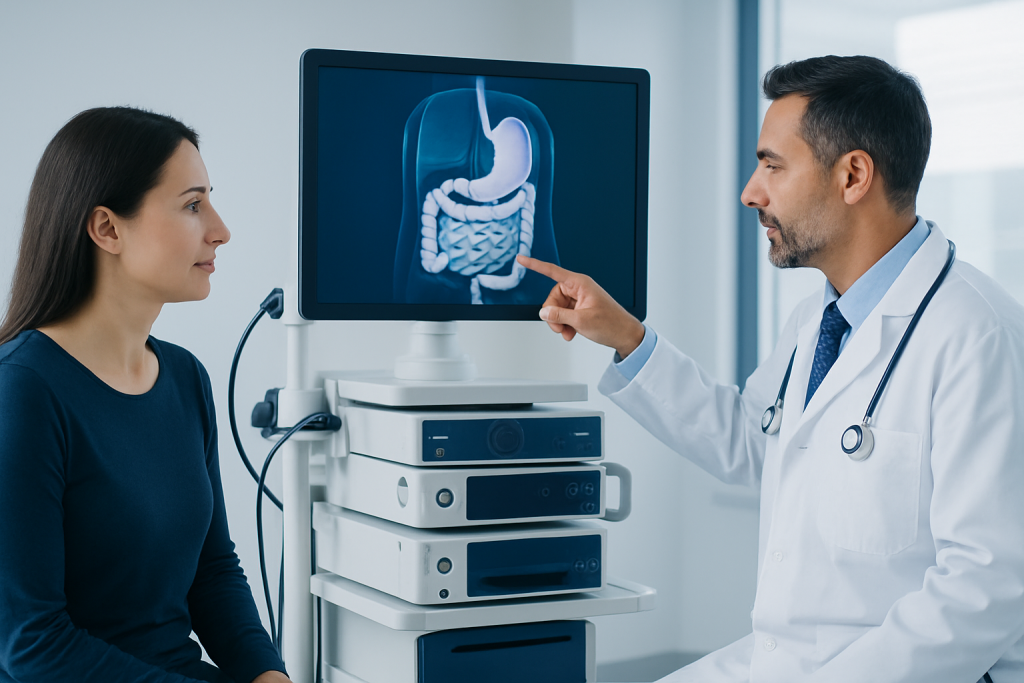
The basic idea behind a salt water flush is osmosis. When a solution contains a high concentration of salt, it can pull water into the intestines. This added fluid may soften stool and increase intestinal activity, leading to urgent bowel movements.
This process is different from improving long-term bowel health. A flush may empty some stool from the colon temporarily, but it does not correct common causes of constipation such as low fiber intake, inadequate hydration, inactivity, medication side effects, or certain medical conditions. It also does not “reset” digestion in a lasting way.
It is important to distinguish a home salt water flush from medically supervised bowel preparation used before some procedures. Clinical bowel prep products are carefully formulated for safety and effectiveness. A homemade salt mixture can vary widely in concentration and may be harder for the body to tolerate.
If constipation is frequent, painful, or associated with other symptoms, a proper medical evaluation may be more helpful than repeated flushing. In some cases, doctors assess for conditions such as colon cancer or other digestive disorders, especially when warning signs are present.
Possible Benefits, Limits, and Common Misconceptions
The main short-term effect people notice is bowel emptying. For someone who is constipated, this may create a temporary sense of relief. However, there is limited evidence to support the broader claims often made about salt water flushes, such as removing toxins, improving nutrient absorption, boosting immunity, or causing meaningful fat loss.
Any change on the scale after a flush usually reflects fluid loss and stool passage rather than true weight reduction. Once normal eating and drinking resume, that lost fluid is generally replaced. Because of this, a salt water flush should not be viewed as a weight management strategy.
It is also a misconception that all “natural” remedies are automatically gentle or safe. Large salt loads can stress the body, particularly when they lead to vomiting or repeated diarrhea. What feels like a cleanse may actually be a combination of fluid shifts and intestinal irritation.
For persistent digestive symptoms, evidence-based care is usually more useful than repeated home cleanses. Depending on the cause, a doctor may recommend diet changes, medicines, or further evaluation such as colonoscopy to understand what is driving the symptoms.
Risks and Side Effects
The most common side effects of a salt water flush are nausea, bloating, cramping, urgent diarrhea, and sometimes vomiting. These symptoms can be distressing even in otherwise healthy adults. Some people may also feel weak, lightheaded, or develop headaches because they lose fluid quickly.
Dehydration is one of the main concerns. When the body loses too much water through diarrhea or vomiting, symptoms can include thirst, dizziness, dry mouth, reduced urination, fatigue, and confusion. Severe dehydration may need urgent medical attention.
Another concern is electrolyte imbalance. Sodium, potassium, and other minerals help regulate nerve, muscle, and heart function. A large salt intake combined with fluid loss can disrupt this balance. In people who are more vulnerable, this can contribute to palpitations, muscle weakness, or worsening of existing medical problems.
A salt water flush may be particularly risky for people with kidney disease, heart disease, high blood pressure, liver disease, inflammatory bowel disease, severe constipation, bowel obstruction, or a history of eating disorders. It is also generally not appropriate for children, older adults who are frail, or anyone who is pregnant unless a clinician has specifically advised it.
- Possible short-term effects: diarrhea, cramping, nausea, vomiting, bloating
- Possible complications: dehydration, electrolyte imbalance, fainting
- Higher-risk groups: people with kidney, heart, liver, or bowel conditions
Safer Options for Constipation and Digestive Discomfort
For occasional constipation, safer first steps are usually simple lifestyle measures. These include drinking enough fluids, increasing dietary fiber gradually, staying physically active, and responding to the urge to have a bowel movement rather than delaying it. Fruits, vegetables, legumes, and whole grains can support regular bowel habits over time.
Some people may benefit from physician-recommended over-the-counter options, but the right choice depends on the person’s age, health conditions, medications, and symptom pattern. A clinician can help identify whether a stool softener, fiber supplement, or another approach is appropriate. Self-treating repeatedly without understanding the cause can delay diagnosis of an underlying problem.
If constipation is chronic, painful, or associated with bloating, bleeding, or unexplained weight loss, medical evaluation is important. In selected cases, doctors may use tests or procedures such as endoscopy or gastroenterology care to look for digestive conditions that need specific treatment.
People who have severe abdominal pain, persistent vomiting, or inability to pass stool or gas should not try home flushing methods. These symptoms can suggest a blockage or another urgent condition that needs prompt assessment.
When to Seek Medical Care
Medical care is advisable if a person has ongoing constipation lasting more than a few weeks, needs laxatives frequently, or develops symptoms after trying a salt water flush that do not quickly improve. It is also wise to speak with a doctor before trying any bowel-cleansing method if there is a history of kidney, heart, liver, or bowel disease.
Urgent medical attention is needed for severe abdominal pain, repeated vomiting, fainting, chest symptoms, confusion, inability to keep fluids down, very little urination, or blood in the stool. These signs can point to dehydration, electrolyte problems, bowel obstruction, or another condition that should not be managed at home.
New constipation in an older adult, constipation with unintended weight loss, black stools, rectal bleeding, fever, or anemia also deserves prompt medical review. In some cases, symptoms may overlap with conditions such as Crohn’s disease or other inflammatory or structural bowel disorders.
A Practical Bottom Line for Patients
For most people, a salt water flush is not a necessary or evidence-based way to support health. At best, it may cause temporary bowel emptying; at worst, it can lead to unpleasant symptoms and avoidable complications. It should not be used as a detox method, a weight-loss tool, or a routine answer to digestive problems.
A more reliable approach is to focus on the cause of symptoms. Hydration, balanced nutrition, fiber, exercise, and timely medical guidance are safer long-term strategies for bowel health. When symptoms are persistent or concerning, professional evaluation can help rule out conditions that need treatment rather than repeated cleansing attempts.
For people who need specialist assessment, Acibadem International’s multidisciplinary teams in JCI-accredited hospitals evaluate digestive symptoms and provide individualized care for international patients. The goal is to identify the cause clearly and guide treatment in a safe, evidence-based way.
Frequently asked questions
Is a salt water flush safe?
A salt water flush is not considered a routine or proven health practice. It may cause diarrhea, nausea, and dehydration, and it can be risky for people with kidney, heart, blood pressure, or bowel problems. Anyone with medical conditions should speak with a clinician before trying it.
Does a salt water flush detox the body?
There is no strong medical evidence that a salt water flush removes toxins in a special way. The body already relies on the liver, kidneys, and intestines to process and eliminate waste. A flush mainly causes bowel emptying and fluid loss.
Can a salt water flush help constipation?
It may trigger a bowel movement in some people, but its effects are unpredictable and it is not usually the safest first option. Occasional constipation often responds better to fluids, fiber, activity, and doctor-guided treatment when needed. Persistent constipation should be medically evaluated.
Can a salt water flush cause weight loss?
Any immediate weight change is usually due to losing water and passing stool, not losing body fat. This effect is temporary and can be followed by dehydration or weakness. It should not be used as a weight-loss method.
Who should avoid a salt water flush?
People with kidney disease, heart disease, high blood pressure, liver disease, bowel disorders, or a history of electrolyte problems should avoid it unless a doctor specifically advises otherwise. It is also not appropriate for many children, frail older adults, and pregnant individuals without medical guidance.
What are warning signs after trying a salt water flush?
Seek medical care if there is severe abdominal pain, repeated vomiting, fainting, confusion, chest symptoms, blood in the stool, or signs of dehydration such as very little urination or inability to keep fluids down. These may indicate a complication or another illness that needs prompt attention.
References
- National Institute of Diabetes and Digestive and Kidney Diseases
- Mayo Clinic
- National Health Service
- American Gastroenterological Association
- Cleveland Clinic
This article is for general information only and is not a substitute for professional medical advice. Please consult a qualified doctor about your individual situation.
Persistent digestive symptoms? Get evaluated in Turkey
JCI-accredited · board-certified surgeons · reply within 24h
Add us as a Preferred Source to see more of our trusted health content across Google Search, AI Overviews and Discover.

More from the Health Library

Smooth Brain: What Patients Need to Know

Runners Stomach: An Evidence-Based Guide for Patients

Artificial Insemination Picture: What Patients Need to Know

Electrolyte: Symptoms, Causes, and Treatment — Complete Patient Guide

Luteal Phase: What Patients Need to Know

Average Weight for 5’2 Female: What Patients Need to Know
Infectious Diseases & Clinical Microbiology Specialists at Acibadem

Prof. Dr. A. Çağrı Büke
Infectious Diseases & Clinical Microbiology
Dr. Ahmad Nejat Ghaffarı
Infectious Diseases & Clinical Microbiology
Assoc. Prof. Dr. Aslıhan Demirel
Infectious Diseases & Clinical Microbiology
Dr. Aytan Seydalıyeva
Infectious Diseases & Clinical Microbiology