Gout in Knee: A Complete Medical Overview
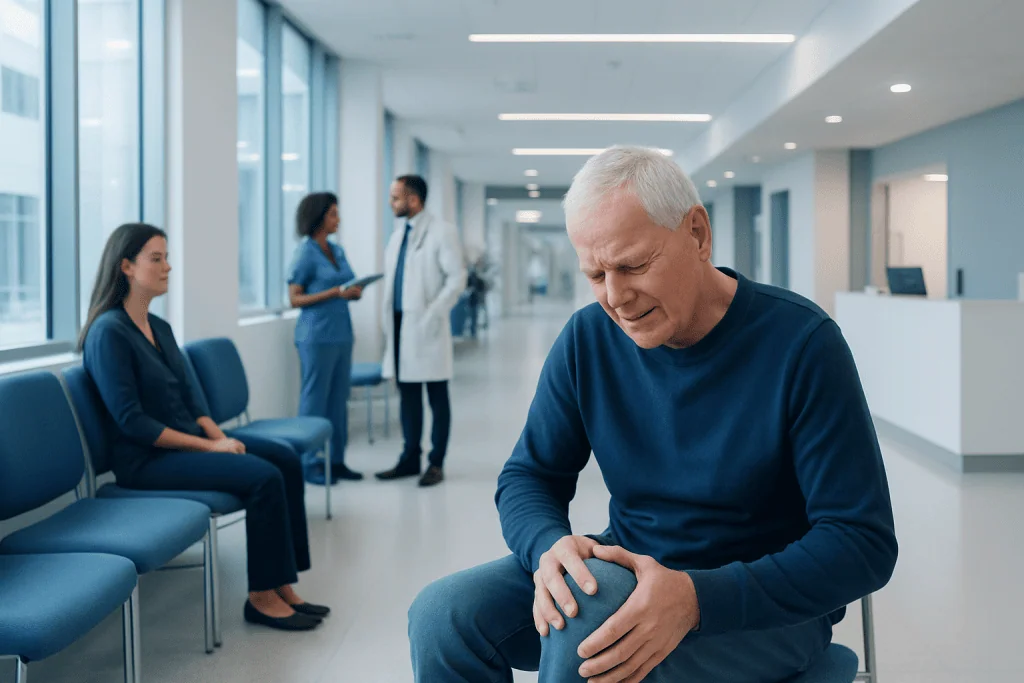
Gout in knee happens when uric acid crystals trigger inflammation inside the knee joint. Symptoms often begin suddenly and may include severe pain, swelling, redness, warmth, and stiffness.
Key Takeaways
- Gout in knee happens when uric acid crystals trigger inflammation inside the knee joint.
- Symptoms often begin suddenly and may include severe pain, swelling, redness, warmth, and stiffness.
- Diagnosis may involve a physical exam, blood tests, imaging, and sometimes joint fluid analysis.
- Treatment usually includes medicines to reduce inflammation and, when needed, long-term uric acid control.
- Lifestyle steps such as hydration, weight management, and dietary changes can help reduce future attacks.
Gout in knee is a painful type of inflammatory arthritis caused by uric acid crystals collecting inside the knee joint. It often causes sudden swelling, warmth, and difficulty moving the knee, but accurate diagnosis and effective treatment can usually bring symptoms under control.
Overview: What gout in knee means
Gout in knee is a form of inflammatory arthritis that develops when needle-shaped uric acid crystals collect in the knee joint. This crystal buildup can trigger a sudden and intense immune response, leading to pain, swelling, warmth, and stiffness. Although gout is often associated with the big toe, the knee is also a common site, especially in people who have repeated attacks or longstanding high uric acid levels.
The condition may affect one knee at a time, and symptoms can appear quickly, sometimes over a few hours. During a flare, the knee may become very tender and difficult to bend or bear weight on. In some people, the first episode is mistaken for an injury, infection, or another type of arthritis because the symptoms can overlap.
Gout is treatable, and many people do well once the diagnosis is confirmed and the underlying uric acid problem is addressed. The main goals are to calm the acute attack, relieve pain, and reduce the chance of future flares and joint damage. When knee pain is part of a broader joint problem, doctors may also consider related conditions such as arthritis to make sure the most appropriate treatment plan is chosen.
Symptoms and how a knee gout attack feels
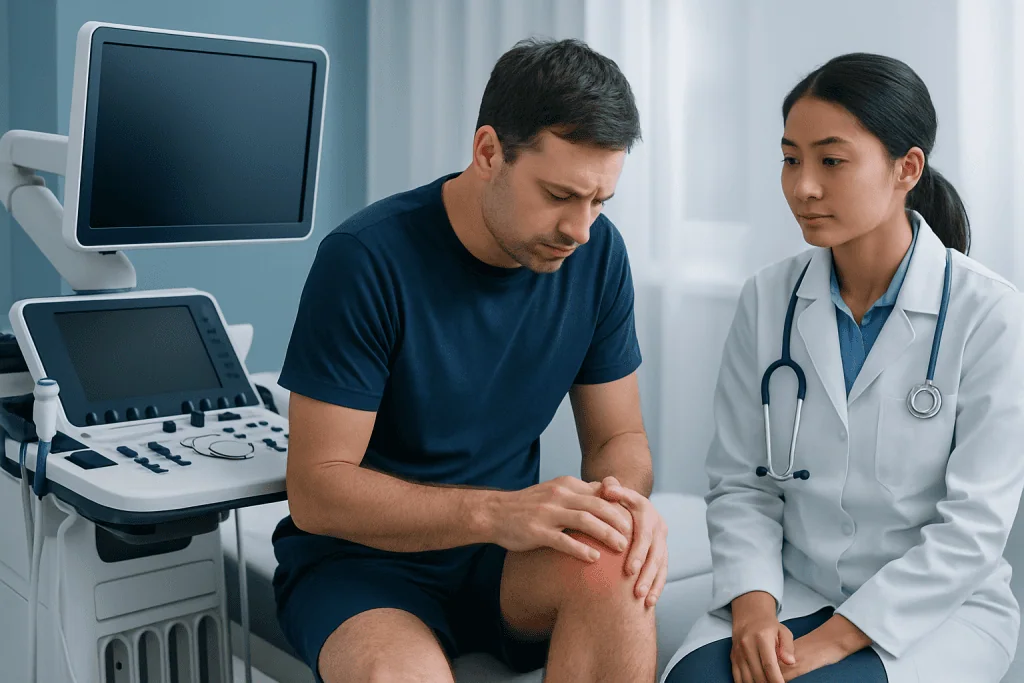
A gout attack in the knee usually starts suddenly. The person may go to bed feeling well and wake up with sharp pain, marked swelling, and a knee that feels hot to the touch. The discomfort can be severe enough to make walking, climbing stairs, or even light contact with clothing difficult.
Symptoms often peak within the first 12 to 24 hours, but the joint may remain sore or stiff for several days or longer. Between attacks, the knee may feel completely normal, especially early in the course of the disease. As gout becomes recurrent, however, episodes may happen more often and recovery may take longer.
- Sudden knee pain, often severe
- Swelling or visible puffiness around the joint
- Warmth and redness over the knee
- Stiffness and reduced range of motion
- Pain when standing, walking, or bending the joint
Not every painful, swollen knee is caused by gout. A torn meniscus, bursitis, osteoarthritis, pseudogout, or a joint infection can produce similar symptoms. Because treatment differs depending on the cause, a medical assessment is important when symptoms are new, severe, or unexplained.
Causes and risk factors

Gout develops when uric acid levels in the body become high enough for crystals to form and settle in a joint. Uric acid is produced when the body breaks down purines, which are natural substances found in human cells and in some foods. Normally, uric acid dissolves in the blood and leaves the body through the kidneys. If too much is produced or too little is excreted, levels can rise.
High uric acid does not always cause immediate symptoms, but over time it can increase the likelihood of crystal deposits in the knee and other joints. A flare may be triggered by dehydration, alcohol intake, illness, surgery, fasting, a heavy meal rich in purines, or certain medicines such as some diuretics. In other cases, no clear trigger is identified.
Several factors make gout more likely:
- Family history of gout
- Chronic kidney disease or reduced kidney function
- Obesity or metabolic syndrome
- High blood pressure
- Type 2 diabetes
- Frequent alcohol use, especially beer or spirits
- A diet high in red meat, organ meats, or some seafoods
- Use of medications that affect uric acid balance
Doctors also consider whether knee symptoms may relate to another joint condition, including rheumatoid arthritis, which can also cause swelling and stiffness but has a different cause and long-term treatment approach.
How doctors diagnose gout in knee
Diagnosis begins with a careful review of symptoms, medical history, medications, and risk factors. A doctor will examine the knee for swelling, warmth, tenderness, and range of motion. Because several conditions can mimic gout, the diagnosis should not rely on symptoms alone, especially if this is the first attack or if fever is present.
The most specific test is joint aspiration, also called arthrocentesis, in which a small sample of fluid is taken from the swollen knee and examined under a microscope for uric acid crystals. This test can also help rule out a joint infection, which is a medical priority because it requires urgent treatment. Blood tests may measure uric acid levels, kidney function, and markers of inflammation, although uric acid can be normal during a flare.
Imaging may also be useful. Ultrasound can sometimes show crystal deposits, and X-rays may help assess other causes of knee pain or signs of chronic joint damage. In selected cases, advanced imaging may be used to clarify the diagnosis. If a broader structural knee problem is suspected, doctors may recommend knee treatment evaluation or orthopedic rehabilitation as part of a personalized care plan, depending on the underlying findings.
Treatment options for acute attacks and long-term control
Treatment for gout in knee has two main parts: managing the acute attack and preventing future flares. During a flare, doctors often use anti-inflammatory medicines such as nonsteroidal anti-inflammatory drugs, colchicine, or corticosteroids. The best option depends on the person’s age, kidney function, other health conditions, and medication history. Resting the knee, applying ice, and elevating the leg may also help reduce discomfort.
If fluid has built up inside the joint, aspiration can sometimes ease pressure and improve pain while also confirming the diagnosis. People with severe or frequent attacks may need medicines that lower uric acid over the long term. These treatments do not relieve an attack immediately, but they reduce the chance of new crystal formation and help dissolve existing deposits over time.
Long-term uric acid management is especially important for people who have recurrent gout, kidney stones, tophi, chronic kidney disease, or joint damage. Follow-up care usually includes repeat blood tests and regular review of symptoms to make sure uric acid levels are moving toward the target chosen by the doctor. In some patients, coordinated care may involve specialists in internal medicine, rheumatology, nephrology, and joint care.
When repeated inflammation has contributed to ongoing knee dysfunction, rehabilitation may support recovery of strength and mobility. In a hospital setting, options such as physical therapy and rehabilitation may be considered alongside medical treatment to improve function and reduce strain on the joint.
Prevention and self-care between attacks
Many people can lower the risk of future gout attacks by combining medical treatment with practical lifestyle measures. Staying well hydrated helps the kidneys clear uric acid. Weight management, when appropriate, can also reduce uric acid levels and ease pressure on the knee joint. Gradual, sustainable changes are generally more helpful than strict or short-term diets.
Dietary choices can make a difference, although food is only one part of the picture. Some people benefit from limiting organ meats, large amounts of red meat, and certain seafoods, while reducing alcohol intake may also help. Sugar-sweetened drinks, especially those containing fructose, can raise uric acid in some individuals. A balanced eating pattern rich in vegetables, whole grains, and low-fat dairy may be supportive.
It is important not to stop prescribed uric acid-lowering medicine when symptoms improve, unless a doctor advises otherwise. Attacks can still happen during the early phase of treatment because crystals are shifting as the body clears them. Sticking with the care plan, attending follow-up visits, and discussing side effects early can improve long-term results.
People who have both gout and other joint conditions may benefit from a broader musculoskeletal review. This can help identify whether ongoing pain is due only to gout or whether another issue, such as wear-and-tear damage, also needs attention.
When to seek medical care
A person should seek medical care promptly for a new episode of sudden knee pain, swelling, and warmth, especially if there has been no clear injury. The same is true if the pain is severe, the knee cannot bear weight, or symptoms keep coming back. A clinician can confirm whether gout is the cause and guide safe treatment.
Urgent assessment is important if there is fever, chills, marked redness spreading around the knee, or a general feeling of being unwell. These features can suggest a joint infection, which can look similar to gout but requires immediate care. It is also wise to seek help if symptoms do not improve with initial treatment or if side effects from medication occur.
For international patients who need coordinated evaluation, Acibadem International’s multidisciplinary specialists in JCI-accredited hospitals diagnose and treat joint and rheumatic conditions with individualized care plans. The right diagnosis is the key first step, particularly when a swollen knee may have more than one possible cause.
Frequently asked questions
Can gout affect only the knee?
Yes. Gout can affect the knee by itself, especially during a single flare. Over time, however, some people may also develop attacks in other joints such as the big toe, ankle, or foot.
How long does gout in knee last?
An untreated attack may last several days to up to two weeks, although the timing varies from person to person. With early treatment, symptoms often improve more quickly and discomfort may be reduced significantly.
Is gout in knee the same as osteoarthritis?
No. Gout is an inflammatory arthritis caused by uric acid crystals, while osteoarthritis is mainly related to cartilage wear and joint degeneration. Both can affect the knee, and some people may have both conditions at the same time.
Can uric acid be normal during a gout attack?
Yes. A blood uric acid level can be normal during an acute flare, so a normal result does not fully rule out gout. This is one reason doctors may recommend joint fluid analysis when the diagnosis is uncertain.
What foods should be limited with gout in knee?
Doctors often advise limiting foods high in purines, such as organ meats, large amounts of red meat, and some seafoods. Reducing alcohol and sugary drinks may also help, while hydration and balanced eating support long-term management.
Does gout in knee always require long-term medication?
Not always. Some people have an isolated attack and may only need short-term treatment, while others with recurrent flares or complications benefit from ongoing uric acid-lowering therapy. The decision depends on symptoms, blood tests, kidney health, and overall risk.
References
- American College of Rheumatology
- National Institute of Arthritis and Musculoskeletal and Skin Diseases
- Mayo Clinic
- National Kidney Foundation
- Arthritis Foundation
This article is for general information only and is not a substitute for professional medical advice. Please consult a qualified doctor about your individual situation.
Gout in Turkey — costs, top hospitals & a free quote
JCI-accredited · board-certified surgeons · reply within 24h
Add us as a Preferred Source to see more of our trusted health content across Google Search, AI Overviews and Discover.
Check your numbers in seconds
BMI, calories, due date, blood pressure and 30+ more clinical calculators — free, instant, doctor-reviewed ranges.

More from the Health Library

Cat Scratch Fever: An Evidence-Based Guide for Patients

Austedo Uses: What Patients Need to Know

Sedative: What Patients Need to Know

Ketchup: An Evidence-Based Guide for Patients

Early Psoriasis — Explained by Medical Evidence, Not Myths

Chia Seeds Benefits — Explained by Medical Evidence, Not Myths
Physical Medicine & Rehabilitation Specialists at Acibadem

Burcu Kocabey
Physical Medicine & Rehabilitation
Fzt. Busenur Sezer
Physical Medicine & Rehabilitation
Büşra Zeybek
Physical Medicine & Rehabilitation
Fzt. Çağlar Dal
Physical Medicine & Rehabilitation