Virgina Sores: A Complete Medical Overview

Virgina sores are a symptom, not a diagnosis, and they can have infectious or noninfectious causes. Pain, itching, burning, blisters, discharge, fever, or swollen glands can help guide diagnosis.
Key Takeaways
- Virgina sores are a symptom, not a diagnosis, and they can have infectious or noninfectious causes.
- Pain, itching, burning, blisters, discharge, fever, or swollen glands can help guide diagnosis.
- A clinician may diagnose the cause with a physical exam, swabs, blood tests, or sometimes a biopsy.
- Treatment depends on the cause and may include skin care, antiviral, antibiotic, antifungal, or anti-inflammatory medicines.
- Prompt medical assessment is important for first-time sores, severe pain, pregnancy, or sores that do not heal.
Virgina sores are lesions, ulcers, blisters, cracks, or tender areas on the vulva or around the vaginal opening, and they can develop for several different reasons. Common causes include irritation, infections, sexually transmitted infections, and inflammatory skin conditions, so proper diagnosis is important before treatment begins.
Overview: what virgina sores usually mean
Virgina sores usually refer to sores, ulcers, blisters, cracks, or raw patches affecting the vulva, labia, or the skin near the vaginal opening. They are not a disease by themselves. Instead, they are a visible sign that the skin or mucous tissue has been irritated, inflamed, infected, or injured.
Some sores are mild and short-lived, such as those caused by shaving irritation, friction, or an allergic skin reaction. Others may be linked to yeast infections, bacterial infections, sexually transmitted infections, or chronic skin conditions such as eczema, lichen sclerosus, or Behçet-related ulcers. Because many causes can look similar, self-diagnosis is often unreliable.
The most helpful first step is to notice the pattern: whether the area is painful or itchy, whether there are blisters or open ulcers, whether there is discharge, and whether symptoms appeared after a new product, sexual contact, illness, or medication. A healthcare professional can use that history together with an examination to identify the cause and recommend the most appropriate care.
Symptoms and how sores may appear
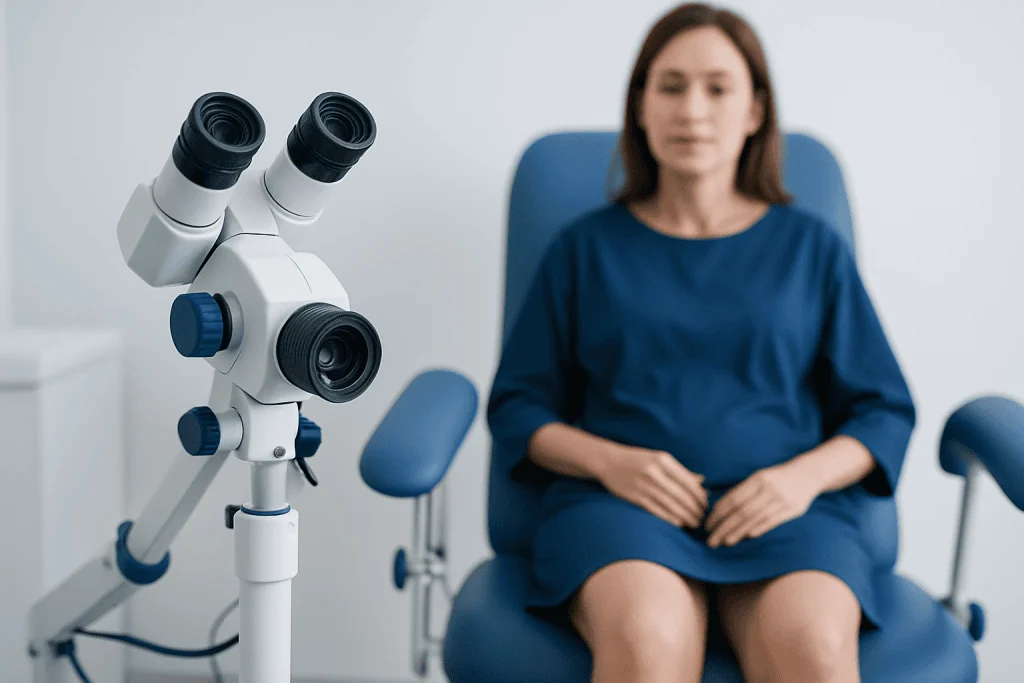
Virgina sores can look and feel different depending on the underlying cause. Some appear as small blisters that break open, while others are shallow ulcers, cracked skin, red patches, or raised bumps. The surrounding area may be swollen, tender, itchy, or burning, especially during urination, walking, exercise, or sexual activity.
Associated symptoms often provide important clues. For example, herpes commonly causes painful blisters or ulcers, while yeast or dermatitis may cause marked itching and irritation with redness. Skin conditions may lead to chronic discomfort, whitening of the skin, or repeated fissures rather than obvious blisters. In some cases, swollen groin glands, fever, fatigue, or body aches can occur, especially when infection is involved.
- Pain, stinging, or burning
- Itching or irritation
- Blisters, ulcers, cracks, or raw areas
- Redness or swelling
- Pain with urination or intercourse
- Vaginal discharge or odor
- Fever or swollen lymph nodes in some infections
Any sore that persists, returns frequently, bleeds easily, or changes in appearance deserves medical attention. That is particularly true if the person has never had similar sores before or is unsure whether the lesion may be infectious.
Common causes and risk factors

There are many possible causes of virgina sores. Irritation is one of the most common. Tight clothing, shaving, friction from exercise, scented hygiene products, pads, soaps, lubricants, or detergents can trigger contact dermatitis and leave the skin sore or cracked. Small cuts from shaving or scratching may also become secondarily infected.
Infections are another important group. Sexually transmitted infections such as genital herpes and syphilis can cause ulcers or blisters. Other infections, including yeast overgrowth or bacterial infections, may irritate the vulvar skin enough to produce fissures or erosions. Non-sexually transmitted viral illnesses and folliculitis can also cause tender bumps or lesions. If there is concern about an STI, a clinician may also consider broader evaluation for sexually transmitted infections.
Not all sores are infectious. Inflammatory and autoimmune conditions such as eczema, lichen sclerosus, lichen planus, aphthous-type ulcers, and Behçet disease can affect the genital area. Hormonal changes, especially after menopause, may thin the tissue and make it more vulnerable to tearing. Rarely, sores that do not heal can be related to precancerous or cancerous changes, which is why persistent lesions should not be ignored.
Risk factors vary by cause but may include new personal care products, unprotected sexual contact, a new sexual partner, recent illness, immune suppression, diabetes, chronic skin disease, repeated antibiotic use, and scratching due to severe itching.
How doctors diagnose the cause
Diagnosis begins with a careful history and examination. A clinician will usually ask when the sore started, whether it is painful or itchy, whether there was recent sexual contact, whether there are urinary symptoms or discharge, and whether any new soaps, razors, pads, or medications were used. Examining the appearance and location of the sore often helps narrow the possibilities.
Depending on the findings, testing may include a swab from the lesion, vaginal testing for yeast or bacterial causes, and blood tests for certain infections. Sometimes urine tests are also used if urination is painful or there are urinary symptoms. If a lesion looks unusual, keeps coming back, or does not heal as expected, a small skin sample may be taken for biopsy.
It is best to avoid starting over-the-counter creams repeatedly before the diagnosis is clear, especially strong steroid or combination products not prescribed for the genital area. These can sometimes mask symptoms, worsen irritation, or delay an accurate diagnosis. If there is concern about a deeper gynecologic problem or symptoms inside the vagina as well as on the vulva, a specialist evaluation may be recommended, sometimes alongside gynecology care.
Treatment options
Treatment for virgina sores depends on the cause. Simple irritant or allergic reactions often improve when the triggering product is stopped and the area is allowed to heal. Gentle washing with lukewarm water, avoiding fragrances, wearing loose cotton underwear, and reducing friction may be enough for mild cases. A clinician may recommend a short course of a suitable topical medicine if inflammation is significant.
If infection is present, treatment is directed at the specific organism. Antiviral medicine may be used for herpes, antibiotics for bacterial causes, and antifungal treatment for yeast when appropriate. Chronic inflammatory skin conditions may need medicated creams or ointments and follow-up to prevent recurrence or scarring. When sores are painful, measures to reduce stinging during urination and protect the skin barrier can also be helpful.
Persistent, unexplained, or recurrent lesions sometimes need care from more than one specialist, such as gynecology, dermatology, or infectious diseases. In selected cases, doctors may arrange dermatology evaluation for chronic vulvar skin disease or infectious diseases assessment when an infection is difficult to diagnose or keeps returning. If a biopsy or imaging is needed because a lesion is not healing, the plan will be tailored to the individual findings.
Because treatment varies widely, it is safer not to share medications with others or assume that any sore is caused by yeast. The correct treatment for one condition can be unhelpful or even irritating for another.
Self-care and prevention
Good vulvar skin care can reduce irritation and may help prevent some types of sores from returning. The genital area is sensitive, and simple care is usually best. Washing gently, drying by patting rather than rubbing, and avoiding heavily perfumed products can protect the skin barrier.
- Use mild, fragrance-free cleansers or plain water externally
- Avoid douching, scented wipes, sprays, and bubble baths
- Choose loose, breathable cotton underwear
- Change out of wet exercise clothes promptly
- Avoid shaving over irritated skin
- Use barrier protection during sex and discuss STI testing when appropriate
- Manage chronic conditions such as diabetes with regular medical care
If sores are related to friction or recurrent irritation, reducing heat and moisture in the area may help. If the cause is a chronic skin condition, regular follow-up and using prescribed treatments correctly can lower the chance of flare-ups. People with repeated genital ulcers should seek evaluation rather than repeatedly self-treating, since recurrence can point to a specific infection or inflammatory disorder.
For patients who need further assessment, Acibadem International’s multidisciplinary specialists in JCI-accredited hospitals diagnose and treat genital skin and gynecologic conditions for international patients.
When to seek medical care
Medical care is important if virgina sores are new, very painful, spreading, associated with fever, or causing difficulty passing urine. Prompt evaluation is also recommended during pregnancy, after possible exposure to a sexually transmitted infection, or when a person has a weakened immune system.
A doctor should assess sores that last more than one to two weeks, keep returning, bleed, or do not improve with simple skin care. Recurrent ulcers, changes in skin color or texture, or sores accompanied by abnormal discharge or pelvic pain may need a more detailed gynecologic and skin evaluation. In some cases, conditions affecting the vulva overlap with broader vulvovaginal problems such as vaginitis.
Emergency care may be needed if there is severe swelling, rapidly worsening pain, inability to urinate, or signs of a severe allergic reaction. Even when symptoms seem mild, getting a clear diagnosis can reduce discomfort, prevent complications, and protect sexual partners when infection is involved.
Frequently asked questions
Are virgina sores always caused by a sexually transmitted infection?
No. Virgina sores can be caused by irritation, allergies, shaving injuries, yeast-related fissures, inflammatory skin diseases, and several non-sexually transmitted infections. Sexually transmitted infections are one possibility, but they are not the only explanation.
What do herpes sores usually look like?
Herpes often begins with tingling, burning, or tenderness, followed by small blisters that can break open and form painful ulcers. However, appearance can vary, and other conditions can look similar. Testing is often needed to confirm the diagnosis.
Can a yeast infection cause sores?
A yeast infection does not usually cause classic ulcers, but it can lead to intense itching, inflammation, and small cracks or fissures in the skin. These painful splits may be mistaken for sores. A medical exam can help tell the difference.
Should someone use over-the-counter creams on genital sores?
It is best to be cautious. Some creams can irritate the skin further or make diagnosis harder, especially if they contain steroids or multiple active ingredients. If the cause is not clear, a clinician should guide treatment.
How are virgina sores tested?
Testing may include a physical examination, a swab from the sore, vaginal samples, urine tests, and blood tests depending on the symptoms. If a sore is persistent or unusual, a biopsy may be recommended. The exact tests depend on what the doctor suspects.
When should recurring sores be checked by a doctor?
Recurring sores should be evaluated whenever they come back, especially if they are painful, linked to sexual contact, or leave scarring. Recurrent lesions can be caused by herpes, chronic skin disease, autoimmune conditions, or repeated irritation. A proper diagnosis can help prevent future flare-ups.
This article is for general information only and is not a substitute for professional medical advice. Please consult a qualified doctor about your individual situation.
Persistent digestive symptoms? Get evaluated in Turkey
JCI-accredited · board-certified surgeons · reply within 24h
Add us as a Preferred Source to see more of our trusted health content across Google Search, AI Overviews and Discover.

More from the Health Library

Hypnobirthing: An Evidence-Based Guide for Patients

Nasal Saline Rinses.: An Evidence-Based Guide for Patients

Iron Deficiency Hair Loss — Explained by Medical Evidence, Not Myths

Nutmeg Substitute: An Evidence-Based Guide for Patients

Shingles in the Eye: An Evidence-Based Guide for Patients