Headedness: What Patients Need to Know

Headedness can describe several different sensations, including lightheadedness, spinning, imbalance, and difficulty concentrating. Common triggers include dehydration, missed meals, standing up quickly, illness, medication effects, anxiety, and poor sleep.
Key Takeaways
- Headedness can describe several different sensations, including lightheadedness, spinning, imbalance, and difficulty concentrating.
- Common triggers include dehydration, missed meals, standing up quickly, illness, medication effects, anxiety, and poor sleep.
- The details of the sensation, its timing, and accompanying symptoms help clinicians identify the likely cause.
- Sudden headedness with weakness, speech trouble, chest pain, fainting, or a severe headache needs urgent medical evaluation.
- Simple measures such as hydration, regular meals, gradual position changes, and medication review may help when appropriate.
Headedness is not a formal medical diagnosis, but people often use it to describe feeling lightheaded, faint, dizzy, unsteady, or mentally foggy. It is commonly temporary and linked to everyday factors, but recurrent, severe, or sudden headedness should be assessed by a qualified clinician.
Overview: What Does Headedness Mean?
Headedness is an everyday term rather than a specific medical condition. It may describe a feeling of being lightheaded, faint, dizzy, disconnected, heavy-headed, off balance, or unable to think clearly. Because people use the word differently, the first step is to identify exactly what the sensation feels like and when it occurs.
For some people, headedness means a near-faint feeling, especially after getting up quickly. For others, it means that the room seems to move or spin, a sensation more accurately called vertigo. It may also refer to head pressure, tiredness, or “brain fog.” These experiences can have different causes and may require different forms of assessment.
Many episodes are short-lived and related to factors such as not drinking enough fluid, skipping meals, lack of sleep, emotional stress, or a recent viral illness. However, headedness can occasionally signal a problem involving blood pressure, heart rhythm, the inner ear, blood sugar, blood count, nerves, or the brain. Persistent or unexplained symptoms deserve medical advice.
Recognizing the Different Sensations
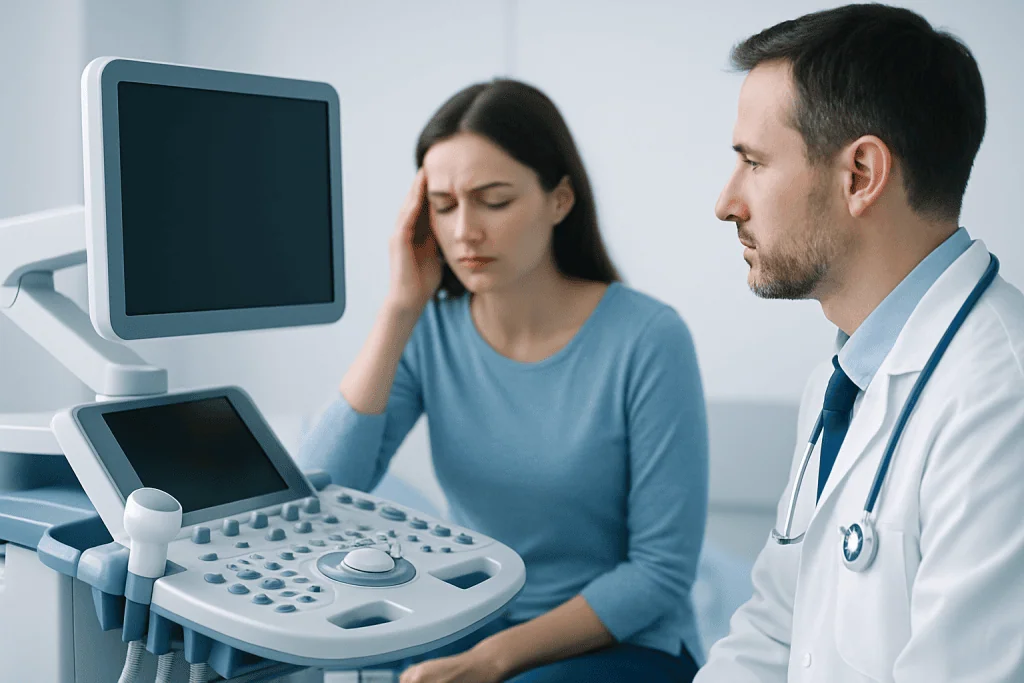
Describing headedness as clearly as possible can help a clinician narrow down the cause. Lightheadedness often feels like a person may faint, with a sense of weakness, dimming vision, or “floating.” It may occur when standing, during hot weather, after exercise, or when a person has not eaten or drunk enough.
Dizziness is a broad term that may involve unsteadiness, swaying, or difficulty walking straight. Vertigo is more specific: it is an illusion of movement, such as spinning, tilting, or rocking. Vertigo can occur with nausea and may be associated with conditions affecting the inner ear or, less commonly, the nervous system.
Head pressure or fogginess is different again. It may be related to fatigue, stress, migraine, sinus symptoms, medication effects, infection, or changes in vision. A person should note whether symptoms begin suddenly or gradually, how long they last, what makes them better or worse, and whether they happen with changes in position, movement, meals, or exertion.
- Near-faint feeling: often linked to circulation, hydration, food intake, or medication effects.
- Spinning or motion sensation: may suggest vertigo or an inner-ear concern.
- Unsteadiness: can involve the inner ear, vision, muscles, nerves, or medications.
- Mental fogginess: may be associated with sleep, stress, illness, migraine, or metabolic factors.
Common Causes and Contributing Factors

Temporary headedness is often caused by everyday circumstances. Dehydration, overheating, alcohol use, vomiting, diarrhea, or fever can reduce circulating fluid volume and contribute to a faint feeling. Missing meals or going long periods without food may also leave some people shaky, weak, or lightheaded.
A sudden drop in blood pressure after standing, known as orthostatic or postural hypotension, is another possible cause. It can be more common in older adults, during pregnancy, after prolonged bed rest, or in people taking certain medicines. Some medications for blood pressure, mood, sleep, allergies, pain, or urinary symptoms can contribute to lightheadedness, particularly after a new medicine is started or a dose is changed.
Inner-ear conditions may cause vertigo and imbalance, sometimes with nausea, hearing changes, or ear fullness. Viral illnesses, migraine, anxiety, anemia, thyroid disorders, diabetes-related changes in blood sugar, and heart rhythm problems can also cause or worsen headedness. A symptom may have more than one contributing factor, so it is important not to assume a single explanation without an appropriate evaluation.
Stress and anxiety can produce genuine physical symptoms, including a sense of unreality, rapid breathing, tingling, palpitations, and lightheadedness. Even so, new or recurrent headedness should not automatically be attributed to anxiety before other relevant causes have been considered by a healthcare professional.
How Headedness Is Evaluated
A clinician will usually begin by asking about the sensation in detail: whether it is spinning, faintness, imbalance, pressure, or fogginess; when it began; how long it lasts; and what triggers it. They may ask about recent illness, fluid and food intake, sleep, stress, menstrual bleeding where relevant, alcohol or substance use, and all prescription and non-prescription medicines.
A physical examination may include checking blood pressure and pulse while lying down and standing, listening to the heart, assessing the ears, and performing a brief neurological and balance examination. Depending on the symptoms, clinicians may also evaluate vision, walking, muscle strength, sensation, coordination, and eye movements.
Tests are not needed for every episode. When indicated, they may include blood tests to look for anemia, glucose changes, infection, thyroid problems, or electrolyte imbalances. An electrocardiogram may be used when a heart rhythm issue is suspected. Hearing or balance tests, brain imaging, or specialist assessment may be considered when symptoms suggest an inner-ear or neurological cause.
Keeping a short symptom record can be useful before an appointment. It may include the time of day, duration, activity at onset, food and fluid intake, medicines taken, associated symptoms, and whether sitting or lying down improves the feeling. This information can make the assessment more precise.
Treatment Options and Everyday Management
Treatment for headedness depends on the underlying cause. If dehydration, heat exposure, or missed meals are contributing, restoring fluids, having regular balanced meals, and avoiding overheating may be sufficient. People who feel faint should sit or lie down promptly to reduce the chance of falling, and should avoid driving or using machinery until the sensation has fully passed.
If symptoms occur after standing, rising slowly from bed or a chair may help. Sitting at the edge of the bed briefly, moving the feet and ankles, and ensuring adequate fluid intake can be useful for some people. A clinician may recommend other individualized measures if low blood pressure is confirmed, particularly for patients with heart, kidney, or other long-term conditions.
When medications may be involved, a doctor or pharmacist can review them safely. People should not stop a prescribed medicine suddenly unless they have been specifically advised to do so. If an inner-ear cause, migraine, anemia, infection, heart condition, or endocrine disorder is identified, care focuses on that condition rather than on the symptom alone.
For repeated dizziness or balance difficulties, targeted vestibular rehabilitation may be recommended. This is a form of guided exercise that can help the brain and balance system adapt in selected conditions. The right approach depends on the diagnosis, so self-treatment maneuvers or supplements should be discussed with a clinician first.
Prevention and Self-Care Measures
Not all causes of headedness can be prevented, but consistent routines can reduce common triggers. Regular fluid intake, meals containing protein and complex carbohydrates, sufficient sleep, and gradual changes in body position can be helpful. During hot weather, exercise, fever, or stomach illness, fluid needs may increase.
People who are prone to symptoms should limit alcohol if it worsens their balance or hydration, and should be cautious with activities that could be unsafe during an episode. These include climbing ladders, driving, swimming alone, or operating equipment. Supportive footwear, good lighting, and removing trip hazards can reduce fall risk when unsteadiness is present.
Managing stress through regular physical activity appropriate to the individual, relaxation practices, social support, and professional mental health care when needed may reduce stress-related symptoms. Maintaining routine health checks can also help identify contributing issues such as blood pressure changes, diabetes, anemia, or medication side effects.
Self-care is most appropriate for mild, familiar, short-lived symptoms without warning signs. If headedness is new, keeps returning, affects daily life, or does not improve with basic measures, medical assessment is the safest next step.
When to Seek Medical Care
Medical advice should be arranged promptly when headedness is recurrent, lasts for more than a short period, interferes with work or daily activities, follows a medication change, or occurs with vomiting, hearing changes, palpitations, shortness of breath, or repeated falls. A clinician can help distinguish common causes from conditions that need specific treatment.
Emergency medical care is needed if headedness begins suddenly with facial drooping, weakness or numbness on one side, difficulty speaking or understanding speech, new confusion, loss of consciousness, chest pain, severe shortness of breath, a seizure, or a sudden severe headache. These symptoms can indicate a time-sensitive medical emergency.
Urgent assessment is also appropriate after a head injury, with black or bloody stools, severe dehydration, or during pregnancy when symptoms are significant or accompanied by bleeding, abdominal pain, or severe headache. It is better to seek timely advice than to wait if a person feels seriously unwell or unsafe standing or walking.
Acibadem International’s multidisciplinary specialists and JCI-accredited hospitals evaluate symptoms such as headedness for international patients, coordinating appropriate assessment when inner-ear, cardiovascular, neurological, or general medical causes are being considered.
Frequently asked questions
Is headedness the same as dizziness?
Not always. Headedness may refer to lightheadedness, a faint feeling, unsteadiness, spinning, head pressure, or mental fogginess. Dizziness is also a broad term, while vertigo specifically describes a false sensation of movement or spinning.
Can dehydration cause headedness?
Yes. Dehydration can reduce blood volume and contribute to lightheadedness, weakness, headache, and a faster heartbeat, particularly in heat or during illness. Rehydration may help mild symptoms, but persistent symptoms or signs of severe dehydration need medical assessment.
Why do I feel headedness when I stand up?
A brief sensation after standing can happen when blood pressure temporarily drops before the body adjusts. It may be more likely with dehydration, prolonged sitting or bed rest, certain medicines, or some medical conditions. Frequent episodes should be discussed with a doctor.
Can anxiety cause a lightheaded or foggy feeling?
Anxiety can contribute to lightheadedness, rapid breathing, palpitations, tingling, and a feeling of detachment or fogginess. However, these symptoms can overlap with physical health conditions, so new, severe, or recurring symptoms should be evaluated rather than assumed to be anxiety alone.
What should a person do during an episode of headedness?
They should stop what they are doing and sit or lie down in a safe place, especially if they feel faint or unsteady. Drinking fluids or having a small meal may help if dehydration or missed meals are likely, but driving or using machinery should be avoided until fully recovered.
When is headedness an emergency?
It is an emergency when it occurs with symptoms such as chest pain, fainting, severe shortness of breath, one-sided weakness, speech difficulty, confusion, seizure, or a sudden severe headache. Emergency services should be contacted immediately in these situations.
This article is for general information only and is not a substitute for professional medical advice. Please consult a qualified doctor about your individual situation.
Explore treatments in Turkey — costs, top hospitals & a free quote
JCI-accredited · board-certified surgeons · reply within 24h
Add us as a Preferred Source to see more of our trusted health content across Google Search, AI Overviews and Discover.
Check your numbers in seconds
BMI, calories, due date, blood pressure and 30+ more clinical calculators — free, instant, doctor-reviewed ranges.

More from the Health Library

Heatable Pad: A Complete Medical Overview

Small White Spots on Skin: An Evidence-Based Guide for Patients

Eccentric Exercise: An Evidence-Based Guide for Patients

Tooth Filling: A Complete Medical Overview

Dementia and Being Mean to Family — Explained by Medical Evidence, Not Myths