

Contact Dermatitis Treatment
Contact dermatitis treatment focuses on identifying the irritant or allergen causing skin inflammation and relieving itching, redness, swelling, and rash with individualized dermatology care.
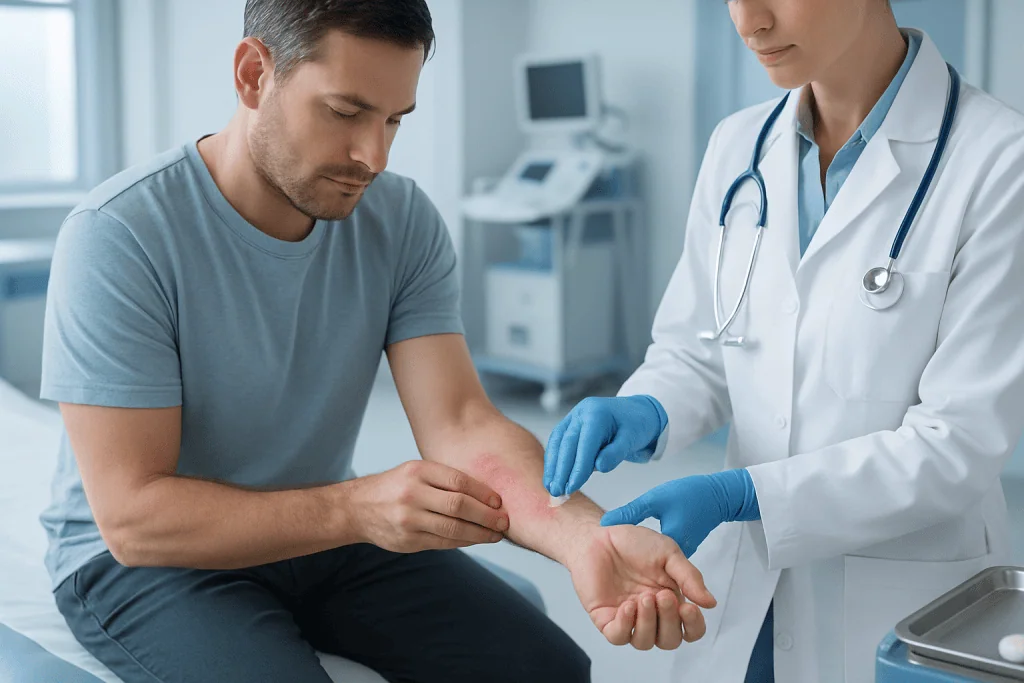
Quick answer
Contact dermatitis is skin inflammation triggered by contact with an irritant or allergen, and treatment focuses on identifying and avoiding the cause while calming the rash and itching. At Acibadem in Turkey, dermatologists evaluate the skin and possible triggers, then tailor care with measures such as skin-protective strategies, topical treatments, and follow-up when needed.
When a Rash Disrupts Daily Life, Identifying the Cause Matters
Contact dermatitis can feel deceptively simple at first: a red patch after using a new cosmetic, itchy hands after cleaning, swelling around the eyelids, or a rash beneath a watch, ring, or medical adhesive. For some people, the inflammation fades quickly. For others, it returns again and again, spreads, cracks, burns, affects sleep, or becomes difficult to hide. International patients often seek care when the pattern is confusing, when previous creams have not worked, or when the condition interferes with work, travel, parenting, sports, or self-confidence.
The central challenge in contact dermatitis is that the skin is reacting to something it has touched, but the trigger is not always obvious. A fragrance, preservative, hair dye ingredient, metal, rubber accelerator, medication applied to the skin, plant, workplace chemical, glove material, or even a “natural” product may be responsible. In irritant contact dermatitis, the skin barrier is directly damaged by repeated or strong exposure. In allergic contact dermatitis, the immune system has become sensitized to a specific substance and reacts when the skin encounters it again. These two forms can look similar, and they may occur together.
Effective treatment is therefore not only about calming the rash. It is about understanding why the inflammation is happening, protecting the skin barrier, controlling symptoms safely, and helping the patient prevent recurrence. This is especially important for chronic hand dermatitis, facial or eyelid dermatitis, occupational skin disease, and dermatitis in children or people with sensitive skin. At Acibadem, dermatology care for contact dermatitis is built around careful evaluation, evidence-based testing when needed, and individualized treatment plans designed for the patient’s skin type, lifestyle, work exposures, and medical history.
What Contact Dermatitis Treatment Is
Contact dermatitis treatment is a structured medical approach to diagnosing and managing skin inflammation caused by contact with an irritant or allergen. The goal is to reduce itching, redness, swelling, blistering, scaling, pain, and skin breakdown while identifying the substance or circumstances that triggered the reaction. Because the most successful long-term treatment is avoiding or minimizing the cause, dermatologists focus on both immediate symptom relief and prevention.
Treatment often begins with a detailed dermatologic examination and exposure history. Your physician will ask when the rash began, where it appears, what products touch the area, whether it improves on weekends or vacations, and whether anyone else at home or work is affected. The distribution of the rash can provide important clues. Eyelid dermatitis may be related to cosmetics, nail products, airborne allergens, or transfer from the hands. Hand dermatitis may be associated with frequent washing, sanitizers, detergents, gloves, metals, foods, or occupational chemicals. A rash under jewelry may suggest metal sensitivity, while a sharply outlined rash may reflect contact with an adhesive, topical medicine, or plant.
Medical treatment may include topical anti-inflammatory medicines, barrier repair therapy, moisturizers, wet dressings, oral medications for severe itching or widespread inflammation, treatment of secondary infection if present, and practical strategies to reduce exposure. For suspected allergic contact dermatitis, patch testing may be recommended. Patch testing is different from a skin-prick allergy test; it is designed to detect delayed skin allergies to substances that touch the skin. Results can guide precise avoidance recommendations and help patients understand which products are safer for them.
In many cases, contact dermatitis improves significantly when the trigger is removed and the skin barrier is restored. However, chronic or recurrent cases require patience and careful follow-up. Some allergens are found under multiple names in cosmetics, medications, industrial materials, clothing, personal care products, and household items. A high-quality treatment plan helps translate medical findings into real-world decisions: what to stop, what to substitute, how to protect the skin, and how to treat flares early without overusing medication.
Who May Need Contact Dermatitis Treatment
You may need medical treatment for contact dermatitis if you have a rash that is itchy, red, swollen, cracked, blistered, painful, or repeatedly returns after contact with certain products or environments. Many people try to manage early symptoms with over-the-counter creams, antihistamines, or changing soaps. This may help mild cases, but professional evaluation is important when the rash is persistent, spreading, affecting the face or genitals, interfering with sleep, or associated with open sores, oozing, crusting, or signs of infection.
Typical symptoms include itching, burning, stinging, tenderness, dryness, scaling, swelling, small blisters, fluid leakage, thickened skin, and dark or light discoloration after inflammation. The appearance can vary by skin tone. On lighter skin, redness may be more obvious. On darker skin, inflammation may appear purple, gray-brown, darker than the surrounding skin, or subtly swollen and textured. Because contact dermatitis can resemble eczema, fungal infections, psoriasis, drug eruptions, scabies, autoimmune skin disease, or other conditions, an accurate diagnosis is important before continuing treatment.
Diagnosis usually begins with a medical history and skin examination. Your dermatologist may review personal care products, occupational exposures, hobbies, protective equipment, medications, topical antibiotics, fragrances, sunscreens, hair products, nail cosmetics, clothing materials, metals, and adhesives. If allergic contact dermatitis is suspected, patch testing may be used to identify delayed allergies. In selected cases, a skin scraping, culture, blood test, or biopsy may be performed to exclude infection or another skin condition.
Patients who often benefit from specialized evaluation include healthcare workers, hairdressers, cleaners, mechanics, food handlers, construction workers, musicians, athletes, laboratory personnel, people who wear gloves for long periods, and those who frequently wash or sanitize their hands. Children may develop dermatitis from wipes, topical products, clothing dyes, metals, plants, or repeated irritant exposure. Adults with a history of atopic dermatitis may have a more vulnerable skin barrier and may react more strongly to irritants.
International patients may also seek a second opinion when they have been treated repeatedly with topical steroids but the rash keeps returning. In these cases, the missing step may be trigger identification, correct product substitution, or management of occupational exposure. A dermatologist can help distinguish between an active flare that needs medication and a long-term prevention problem that requires barrier repair and avoidance planning.
Conditions and Indications Treated
Contact dermatitis treatment addresses a broad range of inflammatory skin reactions caused by external substances. The two main categories are irritant contact dermatitis and allergic contact dermatitis. Irritant contact dermatitis is more common and occurs when the skin barrier is damaged by substances such as soaps, detergents, solvents, acids, alkalis, disinfectants, saliva, urine, friction, or frequent water exposure. It can happen to anyone, especially when exposure is repeated or prolonged.
Allergic contact dermatitis occurs when the immune system reacts to a specific allergen after sensitization. Common allergen groups include nickel and other metals, fragrances, preservatives, hair dye ingredients, rubber chemicals, adhesives, topical medications, certain plants, resins, textile dyes, and ingredients in cosmetics or sunscreens. Even very small exposures may trigger inflammation once a person is sensitized.
Dermatologists commonly treat hand dermatitis, eyelid and facial dermatitis, occupational contact dermatitis, dermatitis related to cosmetics or personal care products, jewelry-related dermatitis, glove-related dermatitis, shoe dermatitis, plant dermatitis, and reactions to topical medicines or wound dressings. In some patients, contact dermatitis overlaps with atopic dermatitis, seborrheic dermatitis, psoriasis, rosacea, or chronic urticaria, making expert diagnosis especially valuable.
Treatment is also indicated when dermatitis affects visible or functionally important areas. Inflamed eyelids can become swollen and uncomfortable; cracked hands can limit professional tasks and increase infection risk; dermatitis on the feet can make walking painful; and facial dermatitis can have a significant emotional and social impact. Patients with recurring flares before important work commitments, travel, performances, or medical procedures may need a proactive plan to stabilize the skin and reduce future episodes.
How Contact Dermatitis Treatment Is Performed
Contact dermatitis care is performed as a diagnostic and therapeutic pathway rather than a single procedure. The first step is a detailed consultation. Your dermatologist examines the skin, documents the distribution and characteristics of the rash, and asks targeted questions about timing, products, work activities, hobbies, clothing, medications, travel, and previous treatments. Photos from earlier flares can be helpful, especially if the rash changes over time or is intermittent.
Preparation for the visit is simple but important. If possible, patients should bring or photograph products that touch the affected area, including soaps, shampoos, moisturizers, sunscreens, cosmetics, perfumes, hair dyes, nail products, gloves, workplace materials, topical medicines, and cleaning agents. For international patients, ingredient lists can be useful, even when labels are in another language. You should also tell your physician about any steroid creams, antibiotic ointments, herbal products, or home remedies used previously, because some may worsen dermatitis or complicate the diagnosis.
During the examination, the dermatologist may look for signs that suggest irritant damage, allergic patterns, infection, fungal disease, psoriasis, or eczema. If infection is suspected, a culture may be taken. If a fungal infection is possible, a scraping test may be performed. In unusual or treatment-resistant cases, a small skin biopsy may be considered to clarify the diagnosis. These decisions are individualized and explained before they are performed.
If allergic contact dermatitis is suspected, patch testing may be recommended. Small amounts of common allergens and selected substances are applied to the skin, usually on the back, under adhesive chambers. The patches remain in place for a set period, and the skin is examined at scheduled readings to detect delayed reactions. Patients are typically asked to keep the area dry and avoid heavy sweating until the test is complete. Patch testing is not designed to provoke dangerous immediate allergic reactions; it evaluates delayed skin sensitivity. The value of the test depends not only on the reaction itself but on interpretation: whether the allergen is relevant to the patient’s actual exposures.
Once the likely cause is identified, treatment focuses on calming inflammation and repairing the barrier. Topical corticosteroids may be prescribed for short periods to control acute inflammation. The strength, location, duration, and frequency must be chosen carefully, because facial, eyelid, genital, and thin skin areas require different strategies than thick skin on the hands or feet. Non-steroidal anti-inflammatory creams may be used in sensitive areas or for longer-term control in selected cases. Moisturizers and barrier creams are essential; they reduce water loss, support skin repair, and make the skin more resilient against irritants.
For weeping, blistering, or very inflamed dermatitis, wet dressings or compresses may be used for short-term relief. Severe widespread allergic contact dermatitis may require oral anti-inflammatory medication under medical supervision. Oral antihistamines may help some patients sleep when itching is intense, although they do not treat the underlying delayed allergic reaction. If scratching or skin breakdown has led to bacterial infection, antibiotics may be needed. If irritant exposure is ongoing, protective measures such as glove selection, cotton liners, reduced wet work, fragrance-free products, or workplace modifications may be recommended.
Technology supports diagnosis and treatment in several ways. Dermatology clinics may use dermoscopic examination to evaluate skin surface patterns, digital photography to monitor changes, laboratory testing when infection or another condition is suspected, and structured patch testing systems to evaluate relevant allergens. Electronic medical records and coordinated communication help international patients share previous reports, product lists, and treatment histories. The most important “technology,” however, is the disciplined diagnostic process: matching the rash pattern, exposure history, test results, and treatment response into a practical plan.
The duration of care varies. A first consultation may take longer than a routine visit because the exposure history is detailed. Patch testing, when performed, usually requires more than one appointment over several days for application and readings. Treatment response depends on severity, location, whether the trigger can be avoided, and how damaged the skin barrier has become. Mild cases may improve within days to a couple of weeks. Chronic hand dermatitis, occupational dermatitis, or long-standing allergic contact dermatitis may take several weeks or longer to stabilize, especially if the exposure continues.
Recovery is an active process. Patients are usually advised to simplify skin care, avoid suspected triggers, use prescribed medications correctly, apply moisturizers frequently, and protect the skin during wet or chemical exposure. Follow-up allows the dermatologist to adjust treatment, confirm that the diagnosis is correct, and refine avoidance recommendations. For international patients, this may include written instructions, product guidance, and coordination with the patient’s local physician when ongoing care is needed after returning home.
Why Acting Early Matters
Early care for contact dermatitis can prevent a short-lived rash from becoming a chronic skin problem. When the skin barrier is repeatedly injured, it becomes more reactive, drier, and easier to inflame. Scratching can cause fissures and open areas that increase the risk of bacterial infection. Chronic inflammation may lead to thickened skin, persistent scaling, pain, and pigment changes that can take time to fade even after the rash is controlled.
Delaying treatment can also make the trigger harder to identify. Patients may add more products in an attempt to soothe the skin, including multiple creams, ointments, disinfectants, herbal preparations, or topical antibiotics. Each new product may introduce additional irritants or allergens. A rash that began with one trigger can become complicated by secondary sensitivity, over-treatment, or infection.
Occupational contact dermatitis deserves particular attention. When hand dermatitis affects healthcare workers, hairdressers, cleaners, food handlers, mechanics, or laboratory staff, continuing exposure can prolong inflammation and threaten work performance. Early diagnosis can guide protective measures before the condition becomes disabling. Similarly, facial or eyelid dermatitis can worsen when the patient continues using the same cosmetic, fragrance, nail product, or hair product without realizing it is involved.
Prompt evaluation is especially important if the rash is rapidly worsening, painful, blistering, widespread, near the eyes, associated with fever, or showing signs of infection such as increasing warmth, pus, honey-colored crusting, or red streaking. These features may require more urgent medical care and, in some cases, a broader diagnostic approach.
Benefits of Contact Dermatitis Treatment
A well-planned treatment approach can relieve symptoms while helping patients understand and prevent future flares.
| Benefit | What It Means for You |
|---|---|
| Reduced itching and inflammation | Appropriate medications and skin care can calm redness, swelling, burning, and itching so daily activities and sleep become easier. |
| Identification of triggers | Careful history and patch testing when indicated can reveal allergens or irritants that were not obvious from the rash alone. |
| Protection of the skin barrier | Barrier repair strategies help reduce dryness, cracking, and sensitivity, making the skin more resilient over time. |
| Lower risk of recurrence | Personalized avoidance guidance helps you choose safer products and reduce exposure at home, work, or during travel. |
| More precise medication use | A dermatologist can select the right treatment strength and duration for the affected area, reducing the risks of under-treatment or overuse. |
Recovery Timeline After Treatment Begins
Recovery varies by severity, trigger avoidance, skin location, and whether the dermatitis is acute or chronic, but many patients follow a general pattern.
| Time Period | What Patients Can Expect |
|---|---|
| Day 1 | The dermatologist evaluates the rash, reviews exposures, begins symptom control, and may recommend product avoidance or diagnostic testing. |
| First Week | Itching and redness often begin to improve when inflammation is treated and suspected triggers are removed, although severe flares may take longer. |
| First Month | The skin barrier gradually repairs with consistent moisturization, protection, and correct medication use. Patch testing results, if performed, may guide long-term changes. |
| Longer Term | Patients focus on prevention: avoiding relevant allergens, reducing irritant exposure, using protective measures, and treating early flares before they progress. |
What Influences a Good Result
The most important factor in successful contact dermatitis treatment is accurate identification and reduction of the trigger. If the responsible irritant or allergen remains in daily use, even strong medication may provide only temporary relief. Conversely, when the trigger is removed and the skin barrier is repaired, many patients experience meaningful and sustained improvement.
The type of dermatitis matters. Irritant contact dermatitis often improves when exposure is reduced and protective routines are used consistently. Allergic contact dermatitis requires avoidance of the specific allergen, which may be present in products under different chemical names. Some allergens are easy to avoid, such as a piece of jewelry containing nickel. Others, such as fragrances, preservatives, rubber chemicals, or adhesives, may require careful product selection and education.
Severity and duration also influence recovery. A new rash may settle quickly, while chronic dermatitis with fissures, thickening, or repeated flares may take longer. Location is important: hands are constantly exposed to water, friction, soaps, gloves, and work materials, so hand dermatitis often requires a more detailed plan. Eyelids and facial skin are delicate and may need gentler treatment choices. Feet may be affected by sweating, shoe materials, friction, and fungal infection, all of which must be considered.
Patient habits make a major difference. Frequent moisturizer use, gentle cleansing, avoiding fragranced products, wearing appropriate protective gloves, removing rings during wet work, and following medication instructions can improve the chance of a good result. Overuse of topical corticosteroids, use of the wrong strength on sensitive areas, or repeated application of irritating “natural” remedies can delay recovery. A simple, consistent routine is often more effective than a complicated one.
Underlying skin conditions can also affect outcomes. People with atopic dermatitis, dry skin, rosacea, psoriasis, or immune-related conditions may need additional management. Occupational exposure may require collaboration with workplace health professionals or practical adjustments to gloves, hand hygiene routines, or protective equipment. For international patients, continuity after returning home is another consideration; written plans and clear follow-up recommendations help maintain progress.
Why International Patients Choose Acibadem for Contact Dermatitis Care
For patients traveling for dermatology care, the decision is often about more than treating a rash. It is about obtaining a clear diagnosis, understanding previous treatment failures, and receiving a practical plan that can be followed after returning home. Acibadem Hospitals provide dermatology services within JCI-accredited hospital environments, supported by modern diagnostic pathways, experienced physicians, and coordinated international patient services.
Contact dermatitis care at Acibadem is individualized. Dermatologists evaluate not only the visible inflammation but also the patient’s daily exposures, occupation, cosmetic and skin care habits, medical history, and treatment goals. When a rash is complex or resembles another condition, physicians can coordinate with other specialties as needed, such as allergy and immunology, infectious diseases, pediatrics, occupational medicine, ophthalmology for eyelid involvement, or rheumatology when autoimmune disease is in the differential diagnosis. This multidisciplinary access is valuable for patients whose symptoms have persisted despite multiple treatments.
Advanced diagnostic support helps refine decisions. Depending on the case, care may include structured patch testing, dermoscopic assessment, microbiologic testing for infection, evaluation for fungal disease, or biopsy when another diagnosis must be ruled out. The purpose is not to perform unnecessary tests, but to choose the right investigation for the clinical question. Evidence-based dermatology protocols guide treatment selection, while the plan is adapted to the patient’s skin type, age, affected area, severity, and personal circumstances.
International patients also need clarity, communication, and continuity. Acibadem International supports patients in more than 20 languages, helping with appointment coordination, medical record transfer, interpretation, and communication with clinical teams. This can be particularly helpful for contact dermatitis because product names, ingredient lists, prior prescriptions, and occupational exposures may need careful review. Patients can receive clear instructions about medication use, skin care routines, avoidance strategies, and follow-up steps.
Many patients seek a second opinion after repeated flares or uncertainty about whether the condition is allergy, eczema, infection, psoriasis, or something else. A fresh dermatologic evaluation can help separate active inflammation from triggers, complications, and overlapping skin conditions. For patients who live abroad, the goal is to leave with a diagnosis that makes sense, a treatment plan that is realistic, and guidance that can be continued with their local healthcare provider if needed.
Acibadem’s hospital-based setting is also reassuring for patients with more severe or complicated presentations. If a rash is widespread, infected, painful, associated with swelling around the eyes, or occurring in a patient with other medical conditions, access to broader medical support can be important. Care is delivered in a professional environment where dermatology decisions can be integrated with the patient’s overall health.
Taking the Next Step
Contact dermatitis is common, but persistent or recurrent dermatitis should not be dismissed as a minor irritation. The right diagnosis can change the course of the condition. By identifying the trigger, calming inflammation, repairing the skin barrier, and building a prevention strategy, treatment can help patients regain comfort and reduce the cycle of repeated flares.
If you are dealing with an unexplained rash, chronic hand dermatitis, eyelid or facial inflammation, suspected cosmetic or workplace allergy, or symptoms that have not improved with previous care, a dermatology consultation or second opinion may be appropriate. Acibadem’s dermatology teams can review your history, evaluate your skin, recommend testing when useful, and create a treatment plan tailored to your needs as an international patient.
This information is general and is not a substitute for professional medical advice. Diagnosis and treatment should be determined by a qualified healthcare professional after an individual medical evaluation.
Preparation
- Before your visit, note when the rash started, where it appears, and any products, metals, plants, chemicals, or workplace exposures that may trigger it. Bring a list of medications, creams, cosmetics, and previous allergy or skin test results. Avoid applying new topical products before the appointment unless prescribed.
Aftercare
- Follow the dermatologist’s plan, which may include avoiding identified triggers, using prescribed topical medicines, and protecting the skin barrier with gentle moisturizers. Do not scratch or apply unapproved creams, as this can worsen irritation or infection risk. Seek medical advice if symptoms spread, blister, become painful, or do not improve as expected.
Turkey vs UK, Germany & USA
Contact dermatitis care is usually centred on identifying the trigger and calming skin inflammation. Costs and patient experience can vary depending on diagnostic testing, treatment plan, clinic setting and follow-up needs.
For international patients, the overall experience may depend on access to dermatology specialists, allergy testing options, language support and how care is coordinated before and after travel.
| Factor | Turkey | UK | Germany | USA |
|---|---|---|---|---|
| Cost drivers | Dermatology consultation, patch testing, prescription treatment, follow-up and package inclusions | Public or private pathway, specialist access, testing availability and medication coverage | Specialist consultation, diagnostic testing, insurance status and clinic setting | Provider fees, testing, prescriptions, insurance network status and facility charges |
| Hospital and specialist factors | Private hospitals may offer coordinated dermatology and allergy care with international patient support | Care may involve general practice referral, dermatology clinics or private specialists | Dermatology care is often structured through specialist clinics and hospital departments | Care may vary widely between private practices, academic centres and hospital systems |
| Accreditation and quality | Some hospitals hold international accreditation such as JCI and use multidisciplinary protocols | Quality is regulated through national systems and professional standards | Quality is supported by national regulation, specialist training and clinical standards | Accreditation and quality frameworks vary by hospital and provider network |
| Typical waiting times | Private dermatology appointments can often be arranged with flexible scheduling | Waiting time may vary between public referral pathways and private care | Access can depend on insurance arrangements and regional specialist availability | Access may depend on insurance approval, provider availability and location |
| Travel and language logistics | International patient teams can help with appointments, translation and travel coordination | English-language care is straightforward, with travel mainly relevant for overseas visitors | Translation support may be needed for international patients depending on the clinic | English-language care is common, while travel and accommodation costs can be significant |
| Typical package inclusions | Consultation, diagnostic planning, treatment prescription, interpreter support and care coordination may be bundled | Packages are less common and services may be billed separately in private care | Services may be itemised depending on clinic and insurance structure | Itemised billing is common, including consultation, testing, prescriptions and facility fees |
What affects your final cost
- Whether patch testing or other allergy evaluation is needed
- The severity, duration and body areas affected by the dermatitis
- Choice of topical, systemic or supportive treatments
- Need for follow-up visits, prescription adjustments or flare management
- Hospital, clinic and dermatologist experience
- Interpreter support, travel planning and international patient services
Compare your options
Contact dermatitis treatment is personalised according to whether the condition is irritant or allergic, how severe the inflammation is and which areas of skin are affected. Suitability is decided by a dermatology specialist after assessment.
| Option | What it is | Typical use | Key considerations |
|---|---|---|---|
| Trigger identification and avoidance | Review of exposures, skin-care products, workplace materials and possible allergens | Core approach for both irritant and allergic contact dermatitis | Successful control often depends on identifying and avoiding the cause, which may require detailed history and testing |
| Patch testing | Specialist allergy testing used to investigate delayed skin reactions to contact allergens | Commonly used when allergic contact dermatitis is suspected or rashes recur | Requires specialist interpretation and may guide long-term avoidance advice |
| Topical corticosteroids | Anti-inflammatory creams or ointments prescribed in appropriate strength for the affected area | Used to reduce redness, itching, swelling and flare symptoms | Strength, duration and application area should be guided by a doctor to reduce side effects |
| Barrier repair and emollients | Moisturisers, protective ointments and gentle skin-care routines to support the skin barrier | Useful for ongoing prevention and recovery, especially in irritant dermatitis | Product choice matters because fragrances, preservatives or harsh ingredients can worsen symptoms in some patients |
| Topical non-steroid medicines | Prescription anti-inflammatory creams that do not contain corticosteroids | May be considered for sensitive areas or recurrent inflammation when appropriate | Not suitable for every case and should be used under dermatologist guidance |
| Advanced or systemic treatment | Oral medicines, specialist therapies or supervised light-based treatment in selected cases | Considered for severe, widespread or persistent dermatitis that does not respond to standard care | Requires careful diagnosis, monitoring and review of benefits and risks by a specialist |
Trusted care for international patients
General information only — not medical or financial advice. Final costs depend on the factors above and your individual case; request a free, personalised quote.
Guides for This Treatment
Diseases This Treats
Frequently Asked Questions
What affects the cost of contact dermatitis treatment?
The final cost depends on the dermatology consultation, whether patch testing is needed, the severity of the rash, prescribed medicines, follow-up visits and any international patient services such as translation or care coordination.
How can I get a personalised quote?
A personalised quote can usually be prepared after sharing medical history, photos if appropriate, previous test results and details of current symptoms. A free consultation can help clarify the likely diagnostic and treatment pathway.
Is patch testing always required?
No. Patch testing is usually considered when allergic contact dermatitis is suspected, symptoms recur or the trigger is unclear. A dermatologist decides whether testing is suitable after reviewing your history and skin findings.
Can treatment be arranged as part of an international patient package?
In many cases, appointment planning, dermatologist assessment, interpreter support and care coordination can be organised together. What is included should be confirmed before travel because medicines, tests and follow-up may vary by case.
Is the cheapest option always the best choice?
Not necessarily. Important factors include accurate diagnosis, specialist experience, quality standards, clear follow-up plans and safe prescribing. This information is general and is not medical or financial advice.