Muscular Strength: A Complete Medical Overview

Muscular strength helps with lifting, walking, balance, posture, and joint support. Low muscular strength may result from inactivity, aging, poor nutrition, injury, or medical conditions.
Key Takeaways
- Muscular strength helps with lifting, walking, balance, posture, and joint support.
- Low muscular strength may result from inactivity, aging, poor nutrition, injury, or medical conditions.
- A doctor may assess strength with a physical exam and, when needed, blood tests, imaging, or nerve and muscle studies.
- Progressive resistance exercise, adequate protein intake, sleep, and treatment of underlying conditions can improve strength.
- Sudden weakness, one-sided weakness, or weakness with breathing, swallowing, or severe pain needs prompt medical attention.
Muscular strength is the ability of muscles to generate force for movement, posture, and physical tasks. It is shaped by age, activity, nutrition, and health conditions, and it can often be improved or protected with the right evaluation and care.
What muscular strength means for health
Muscular strength is the ability of a muscle or group of muscles to produce force. In everyday life, it helps a person stand up from a chair, carry groceries, climb stairs, keep good posture, and react quickly enough to prevent falls. It is not only relevant to sports or fitness; it is a basic part of healthy movement and independence at every age.
Muscular strength is different from muscular endurance. Strength refers to how much force can be produced, while endurance describes how long a muscle can keep working. Both matter, but reduced strength is often noticed first when tasks that once felt easy become difficult.
From a medical perspective, muscular strength reflects the health of muscles, nerves, joints, bones, and the energy systems that support them. A change in strength can happen gradually with aging or inactivity, but it can also point to an underlying problem such as nerve compression, hormonal imbalance, chronic disease, or a neuromuscular disorder.
Because muscular strength affects balance, mobility, and recovery from illness, it is an important part of preventive health. Identifying declining strength early can help reduce the risk of injury, support rehabilitation, and improve quality of life.
Why muscular strength matters beyond exercise
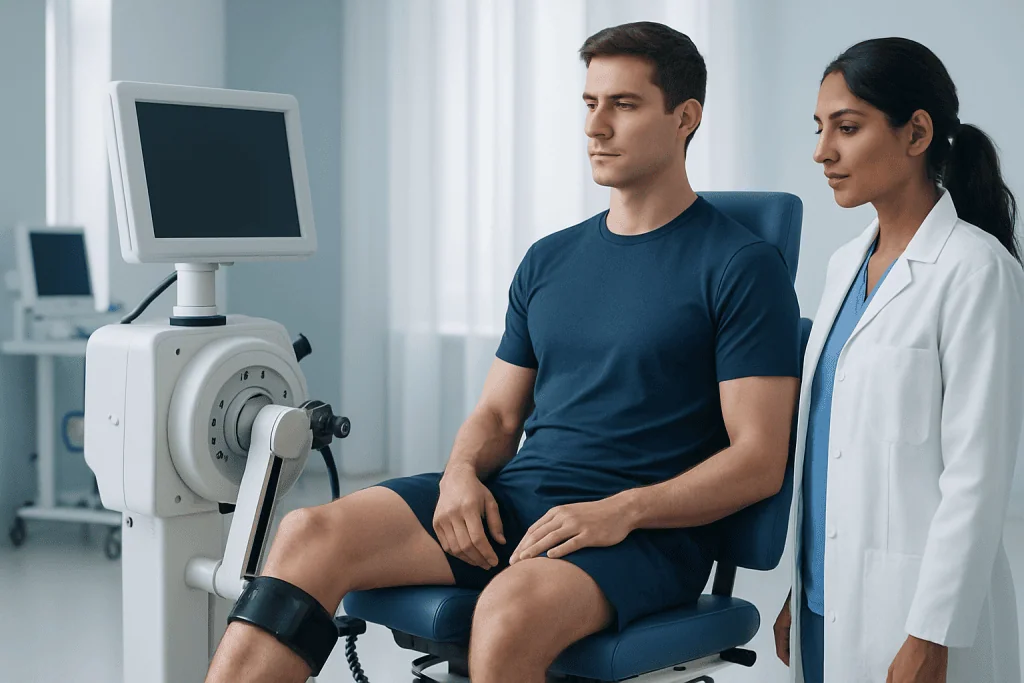
Strong muscles do more than move the body. They stabilize joints, protect bones, support breathing mechanics, and help maintain healthy blood sugar metabolism. Good strength in the legs and core can also reduce strain on the back and improve walking efficiency.
Muscular strength is closely linked to functional ability. In children and adults, it supports physical development and participation in daily activities. In older adults, preserving strength is especially important because it helps maintain independence, lowers the risk of falls, and can make recovery after illness or surgery easier.
Strength also interacts with body composition. People can have normal body weight but still have low muscle mass or low muscle function. For this reason, appearance alone does not reliably reflect muscular health. Clinical assessment may be more useful when there is fatigue, limited mobility, or concern about weakness.
In some cases, low strength occurs alongside pain, stiffness, or reduced coordination. Problems affecting the spine, joints, or nerves may contribute. For example, pain from a herniated disc can limit muscle use, while nerve compression may directly weaken a limb.
Signs of reduced muscular strength

Reduced muscular strength may appear in subtle ways. A person may notice difficulty lifting objects, rising from the floor, opening jars, climbing stairs, or walking longer distances. Some people describe their legs as feeling heavy or their arms as tiring more quickly than before.
Weakness can affect one area or the whole body. Localized weakness may involve one hand, one foot, the shoulder, or the thigh. Generalized weakness may be felt throughout the body and can occur with infection, poor sleep, nutritional deficiency, chronic disease, or some medications.
Doctors often distinguish true muscle weakness from fatigue or pain-related limitation. True weakness means the muscle cannot produce its expected force. Fatigue means energy runs low with activity. Pain can also make movement difficult even when the muscle itself is strong. This distinction helps guide diagnosis and treatment.
- Common signs include trouble standing from a seated position
- Frequent stumbling or reduced balance
- Difficulty lifting, carrying, pushing, or pulling
- Muscle shaking during routine tasks
- Loss of grip strength
- Reduced exercise tolerance compared with usual ability
Common causes and risk factors
Low muscular strength is often related to deconditioning, meaning the muscles have become less efficient after a period of inactivity. This can happen after illness, surgery, prolonged bed rest, or a sedentary lifestyle. Aging also plays a role, as muscle mass and strength naturally decline over time if they are not regularly challenged.
Nutritional factors matter as well. Inadequate protein intake, low total calorie intake, vitamin deficiencies, dehydration, and significant weight loss can contribute to muscle loss and weakness. Sleep deprivation and ongoing stress may reduce recovery and make strength gains more difficult.
Medical causes are broad. These include endocrine disorders such as thyroid disease, metabolic problems, anemia, chronic kidney or liver disease, inflammatory conditions, and infections. Nerve-related problems such as peripheral neuropathy, spinal nerve compression, or stroke can reduce strength in specific muscle groups. Some people may need evaluation for muscle diseases or other neuromuscular conditions when weakness is persistent or progressive.
Injury and pain can also reduce muscular performance. Joint disease, tendon injury, or back problems may limit normal movement patterns and gradually lead to weakness. When structure-related problems are suspected, clinicians may consider further assessment and sometimes physical therapy and rehabilitation to rebuild function safely.
How doctors evaluate muscular strength
Evaluation usually begins with a medical history and physical examination. A doctor asks when the weakness started, whether it is getting worse, which muscles are affected, and whether symptoms such as pain, numbness, cramps, weight loss, fever, or shortness of breath are also present. Medication use, exercise habits, and recent illness are also important.
During the examination, strength is tested in different muscle groups and compared from side to side. The doctor may also assess reflexes, sensation, balance, coordination, gait, joint range of motion, and signs of muscle wasting. This helps determine whether the main issue is in the muscles themselves, the nerves, the spine, the joints, or a more general medical condition.
Tests depend on the suspected cause. Blood tests may check for inflammation, thyroid function, vitamin levels, muscle enzymes, anemia, or electrolyte problems. Imaging such as MRI or ultrasound can be helpful if a structural problem is suspected. In selected cases, electromyography and nerve conduction studies are used to evaluate how muscles and nerves are functioning.
If symptoms suggest a spine or nerve problem, advanced imaging or specialist review may be recommended. Some patients may benefit from neurology assessment, especially if weakness is unexplained, asymmetric, rapidly progressing, or associated with numbness, twitching, or changes in speech or swallowing.
Treatment options to improve or restore strength
Treatment depends on the cause. When weakness is related to inactivity or recovery after illness, a gradual exercise plan is often central to improvement. Progressive resistance training helps muscles adapt over time by challenging them safely and consistently. This may involve body weight exercises, resistance bands, free weights, or machines, depending on a person’s age, goals, and medical condition.
Rehabilitation is especially important after injury, surgery, or neurological problems. A structured program can improve movement quality, protect joints, and reduce the risk of overuse. Balance work, flexibility, and aerobic conditioning are often added because strength is only one part of overall physical function.
Medical treatment focuses on any underlying condition. This might include addressing thyroid disease, correcting nutritional deficiency, changing a medication that contributes to weakness, or managing pain so the affected muscles can be used again. When nerve compression, severe joint disease, or advanced structural problems are present, referral to specialists may be needed, and some patients may be evaluated for orthopedic care.
People with persistent weakness should avoid self-prescribing intense exercise if the cause is unclear. In the wrong setting, this can worsen pain or delay diagnosis. A tailored plan is usually safer and more effective than trying to push through symptoms without guidance.
Self-care and prevention strategies
Many people can support muscular strength through regular lifestyle habits. The most effective approach is consistent resistance exercise that is appropriate for age, fitness level, and health status. Even modest, repeated training can help preserve muscle function and support healthy aging.
Nutrition is another key part of muscle health. Adequate protein helps with muscle repair and maintenance, while a balanced diet supports energy production and recovery. Good hydration, sufficient sleep, and time for recovery between demanding workouts also help muscles adapt well.
Prevention also includes reducing long periods of inactivity. Standing up regularly, walking, taking stairs when appropriate, and maintaining daily movement can limit deconditioning. For older adults or those with chronic illness, supervised programs may be safer than unsupervised exercise.
- Include strength-focused activity at least several times per week if a doctor says it is safe
- Prioritize protein-rich, balanced meals
- Address pain early so it does not restrict movement for too long
- Warm up before exercise and increase load gradually
- Use proper form to protect joints and tendons
- Seek professional guidance after injury, surgery, or prolonged illness
Near the end of the care pathway, some people benefit from coordinated specialist input. Acibadem International’s multidisciplinary teams in JCI-accredited hospitals evaluate and treat patients with muscle, nerve, spine, and rehabilitation needs, particularly when weakness has more than one contributing cause.
When to seek medical care
Medical review is advisable if muscular strength declines without a clear reason, if weakness persists for more than a short time, or if it interferes with daily tasks. An assessment is also reasonable when weakness follows an injury, starts after a new medication, or occurs along with pain, numbness, weight loss, or frequent falls.
Urgent care is needed for sudden weakness, especially if it affects one side of the body or is accompanied by facial drooping, trouble speaking, confusion, severe headache, chest pain, or loss of coordination. Immediate attention is also important if weakness affects breathing, swallowing, bladder or bowel control, or walking.
Children, older adults, and people with chronic diseases may need earlier evaluation because weakness in these groups can have a bigger impact on safety and independence. Prompt diagnosis can help prevent complications and make treatment more effective.
If symptoms are progressive or unexplained, a qualified doctor can decide whether basic evaluation is enough or whether specialist care is needed. Early assessment is particularly helpful when there is concern about nerve involvement, inflammatory disease, or systemic illness.
Frequently asked questions
What is muscular strength in simple terms?
Muscular strength is the ability of a muscle to produce force. It helps with everyday actions such as standing, lifting, climbing stairs, and maintaining posture.
Is muscular strength the same as muscle size?
Not exactly. Larger muscles can contribute to greater strength, but muscle size and muscle function are not identical. Nerve function, training quality, coordination, and overall health also affect how strong a person is.
Why might muscular strength decrease over time?
Strength can decrease because of aging, inactivity, poor nutrition, sleep problems, injury, or chronic illness. In some cases, nerve disorders, hormonal conditions, or medication side effects may also play a role.
Can muscular strength be improved at any age?
Yes, many people can improve muscular strength with an appropriate exercise program and good recovery habits. Older adults can also benefit, although progress may need to be gradual and supervised depending on their health status.
What foods support muscular strength?
A balanced diet with enough protein supports muscle repair and maintenance. Adequate calories, hydration, vitamins, and minerals are also important, especially during recovery from illness or increased physical activity.
When is muscle weakness a medical concern?
It is a concern when it is sudden, worsening, unexplained, or affecting daily function. Weakness with numbness, severe pain, trouble breathing, swallowing problems, or one-sided symptoms should be assessed promptly.
This article is for general information only and is not a substitute for professional medical advice. Please consult a qualified doctor about your individual situation.
Joint and spine care in Turkey — expert assessment & treatment
JCI-accredited · board-certified surgeons · reply within 24h
Add us as a Preferred Source to see more of our trusted health content across Google Search, AI Overviews and Discover.
Check your numbers in seconds
BMI, calories, due date, blood pressure and 30+ more clinical calculators — free, instant, doctor-reviewed ranges.

More from the Health Library

Mirtazapine: What Patients Need to Know

Brain Glandular: What Patients Need to Know

Tweens: What Patients Need to Know

Diaphragmatic Hernia: What Patients Need to Know

Sumo Squat: An Evidence-Based Guide for Patients