Brain Glandular: What Patients Need to Know

The term brain glandular most commonly relates to the pituitary gland and pineal gland. Symptoms can come from hormone imbalance, headaches, vision changes, or pressure on nearby tissues.
Key Takeaways
- The term brain glandular most commonly relates to the pituitary gland and pineal gland.
- Symptoms can come from hormone imbalance, headaches, vision changes, or pressure on nearby tissues.
- Many brain gland conditions are benign, but they still need proper diagnosis and follow-up.
- Doctors usually use MRI scans, blood tests, and sometimes eye exams to identify the cause.
- Treatment depends on the condition and may include monitoring, medication, surgery, or radiotherapy.
Brain glandular usually refers to the glands in the brain—most often the pituitary gland and sometimes the pineal gland—and the conditions that affect them. These problems may involve hormones, benign growths, or pressure on nearby brain structures, so evaluation often includes imaging, blood tests, and specialist care.
What does brain glandular mean?
The phrase brain glandular is not a standard medical diagnosis, but patients often use it when asking about the glands located in or near the brain. In practice, it usually refers to the pituitary gland, a small but very important hormone-producing gland at the base of the brain, or the pineal gland, a small structure deeper in the brain that helps regulate sleep-related signals.
Because these glands influence hormones and nearby brain structures, conditions affecting them can cause a wide range of symptoms. Some problems are related to hormone overproduction or underproduction, while others are caused by cysts, inflammation, or tumors that press on surrounding tissue. Not every finding is dangerous, and many are noncancerous, but careful evaluation is important.
People may also use this term when they have been told they have a “brain gland tumor” or an abnormality on an MRI. In many cases, the discussion centers on pituitary adenoma, a usually benign pituitary growth, or on pineal region lesions. The main goal is to identify which gland is involved, whether hormone function is affected, and whether treatment is needed.
Which glands in the brain are most often involved?
The pituitary gland is often called the body’s master gland because it helps control other hormone glands, including the thyroid, adrenal glands, and reproductive organs. Even though it is very small, it affects growth, metabolism, fertility, stress response, and milk production. A pituitary condition may therefore cause symptoms throughout the body, not just in the head.
The pineal gland is smaller and less commonly discussed, but it also matters. It produces melatonin, a hormone involved in sleep-wake rhythms. Pineal cysts are often found incidentally on brain scans and may not cause symptoms. Less commonly, pineal tumors or other lesions can affect vision, balance, or fluid flow in the brain.
Other nearby structures can sometimes be confused with brain glands, especially when a scan shows a mass in the sellar or suprasellar region. For this reason, patients may need evaluation by specialists in endocrinology, neurology, neuroradiology, and sometimes neurosurgery to understand exactly what the finding means.
Symptoms of brain glandular disorders

Symptoms depend on the gland involved and on whether the problem changes hormone levels or presses on nearby tissues. Some patients have no symptoms at all and learn about the condition after imaging done for another reason. Others develop symptoms gradually, which can make the diagnosis less obvious at first.
When the pituitary gland is affected, symptoms may include headaches, vision changes, fatigue, irregular menstrual periods, infertility, reduced libido, unexplained weight changes, breast discharge, or symptoms related to abnormal growth or cortisol levels. In children and adolescents, growth or puberty changes can sometimes be a clue.
If the pineal region is involved, symptoms may include headaches, nausea, balance problems, double vision, or sleep-related concerns. Pressure on surrounding structures can interfere with normal cerebrospinal fluid flow, leading to more noticeable symptoms. A doctor may also consider related neurological causes, depending on the patient’s exam and imaging findings.
- Headache or pressure sensation
- Blurred or reduced side vision
- Hormone-related changes such as fatigue or menstrual changes
- Sleep disturbance
- Nausea, imbalance, or double vision in some cases
Causes and risk factors
Brain glandular conditions can arise from several causes. The most common pituitary issue is a benign pituitary adenoma, which is a noncancerous tumor made of pituitary cells. Some adenomas release excess hormones, while others mainly cause symptoms because of their size or location. Pituitary cysts, inflammation, bleeding into the gland, and reduced pituitary function can also occur.
Pineal gland findings are often benign cysts seen on MRI. In a smaller number of cases, tumors may develop in the pineal region. Not every mass near a brain gland starts from the gland itself, so imaging interpretation is important. Occasionally, inherited syndromes can increase the risk of certain endocrine tumors, but many patients have no clear risk factor.
Risk factors vary by diagnosis. A personal or family history of endocrine disease, prior head radiation, or known genetic syndromes may increase suspicion in selected cases. Still, most patients should remember that finding a lesion in a brain gland area does not automatically mean cancer. The key step is a structured assessment to determine the exact cause and its effects.
How doctors diagnose brain glandular problems
Diagnosis usually begins with a detailed history and physical examination. Doctors ask about headaches, vision changes, menstrual or fertility issues, growth changes, sleep symptoms, and any signs of hormone imbalance. Because these conditions may affect both the brain and the endocrine system, a coordinated evaluation is often the most helpful approach.
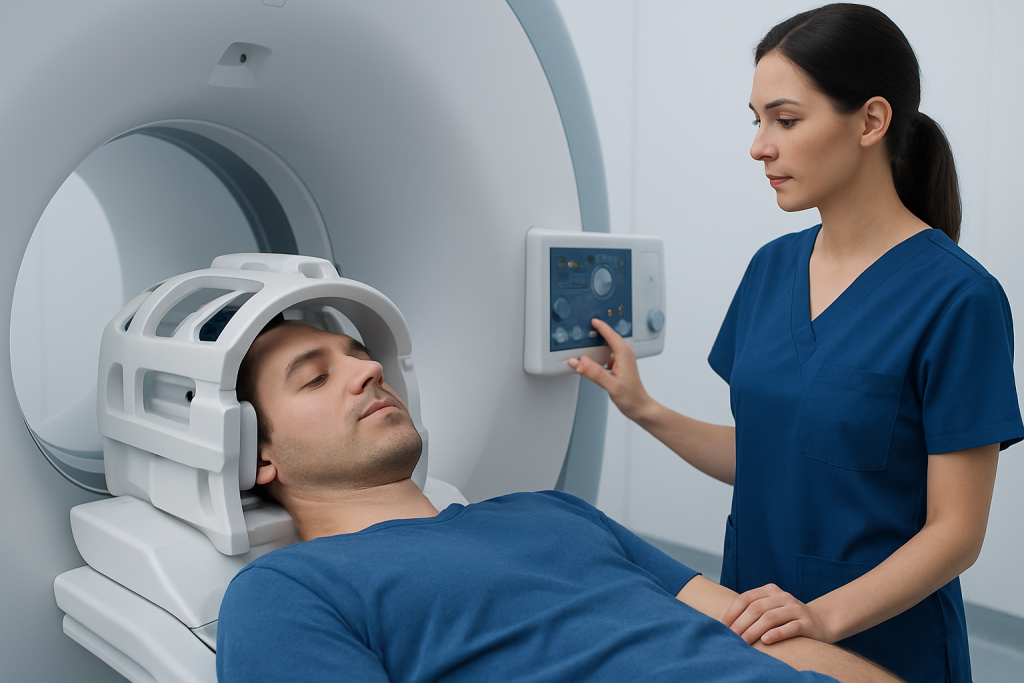
MRI is the main imaging test used to evaluate the pituitary or pineal region. It gives detailed pictures of the gland, nearby nerves, and surrounding tissues. Blood and sometimes urine tests help measure hormone levels and identify whether the gland is overactive or underactive. If vision symptoms are present, formal visual field testing may be recommended.
Depending on the findings, doctors may also consider follow-up imaging over time rather than immediate treatment. This is common for small incidental lesions that are not causing symptoms or hormone problems. In more complex cases, a specialist team may discuss whether the patient could benefit from MRI evaluation, hormone assessment, or additional neurosurgical review.
Treatment options and follow-up
Treatment depends entirely on the diagnosis. Some brain glandular findings require only observation with repeat scans and periodic hormone testing. This is often the case for small lesions that do not grow, do not affect hormone levels, and do not cause symptoms. Regular follow-up is important because management can change if the lesion enlarges or symptoms appear.
When a pituitary tumor produces excess hormones, medication may sometimes control the condition effectively. In other situations, surgery is the best approach, especially if there is pressure on the optic nerves, persistent headaches, or significant hormone imbalance. Patients with pituitary problems may also need hormone replacement if the gland is underactive.
For selected tumors or residual growth after surgery, radiation oncology may play a role. If a lesion is suspicious for cancer or behaves aggressively, the care plan may involve a multidisciplinary team with endocrinologists, neurosurgeons, oncologists, and radiologists. Acibadem International’s multidisciplinary specialists in JCI-accredited hospitals diagnose and treat brain gland conditions for international patients when advanced evaluation is needed.
In some cases, doctors may also evaluate for related endocrine or neurological conditions rather than a single isolated lesion. For example, assessment may overlap with broader brain tumor care when the imaging findings are not clearly limited to one gland.
Prevention and self-care
There is no guaranteed way to prevent most pituitary or pineal gland disorders. Many occur without a known cause, and incidental findings on scans are common. Still, practical self-care can support earlier diagnosis and better long-term management.
Patients should pay attention to persistent symptoms rather than ignoring them. Keeping a record of headaches, vision changes, menstrual irregularities, sleep problems, unexplained weight change, or unusual fatigue can help doctors identify patterns. Taking prescribed hormone medicines exactly as directed and attending follow-up appointments is especially important if a diagnosis has already been made.
General healthy habits also support recovery and overall brain and hormonal health. These include regular sleep, balanced nutrition, physical activity suited to the person’s condition, and avoiding smoking. Self-care does not replace medical evaluation, but it can improve quality of life while a diagnosis is being clarified or monitored.
When to seek medical care
Medical advice should be sought if symptoms suggest a possible brain gland problem, especially if they are persistent or worsening. Examples include repeated headaches, unexplained vision changes, missed periods, infertility, new breast discharge, erectile dysfunction, major fatigue, or symptoms of unexplained hormone imbalance. These signs do not always mean a serious condition, but they deserve assessment.
Urgent care is important if a person develops sudden severe headache, rapid vision loss, confusion, vomiting, or new neurological symptoms such as difficulty walking or double vision. These symptoms can have several causes, including emergencies unrelated to a gland disorder, so prompt evaluation matters.
Patients who already have a known pituitary or pineal lesion should also return for review if symptoms change between scheduled visits. Early reassessment can help doctors decide whether monitoring is still appropriate or whether treatment should be updated.
Frequently asked questions
Is brain glandular a type of cancer?
Not usually. The term brain glandular is commonly used by patients to describe gland-related problems in the brain, especially involving the pituitary or pineal gland, and many of these findings are benign. A doctor needs imaging and sometimes hormone testing to determine exactly what is present.
What is the most common brain gland involved?
The pituitary gland is the most commonly discussed brain gland in this context. It plays a major role in hormone control, so pituitary disorders can affect many body functions, including growth, fertility, metabolism, and stress response.
Can a brain gland problem cause headaches?
Yes, it can. Headaches may occur if a lesion presses on nearby tissues or if the condition affects the surrounding structures of the brain. However, headaches are common and have many causes, so they need medical evaluation in the full clinical context.
How are pituitary and pineal gland disorders found?
They are often found through MRI scans and hormone blood tests. Some are discovered while investigating symptoms such as vision changes or fatigue, while others are found incidentally during imaging for unrelated reasons.
Do all brain gland lesions need surgery?
No. Some lesions only need monitoring with repeat imaging and follow-up visits, especially if they are small and not causing symptoms. Surgery is generally considered when there is pressure on important structures, significant hormone problems, or concern about the nature of the lesion.
Can brain gland disorders affect hormone levels?
Yes, especially pituitary disorders. They may lead to too much or too little of certain hormones, which can cause fatigue, menstrual changes, infertility, sexual dysfunction, growth changes, or other whole-body symptoms.
References
- National Institute of Neurological Disorders and Stroke
- National Institute of Diabetes and Digestive and Kidney Diseases
- American Association of Neurological Surgeons
- Endocrine Society
- Mayo Clinic
This article is for general information only and is not a substitute for professional medical advice. Please consult a qualified doctor about your individual situation.
Explore treatments in Turkey — costs, top hospitals & a free quote
JCI-accredited · board-certified surgeons · reply within 24h
Add us as a Preferred Source to see more of our trusted health content across Google Search, AI Overviews and Discover.