Actos — Explained by Medical Evidence, Not Myths

Actos is a diabetes medicine used for adults with type 2 diabetes, not type 1 diabetes. It works by improving the body's response to insulin rather than forcing the pancreas to release more insulin.
Key Takeaways
- Actos is a diabetes medicine used for adults with type 2 diabetes, not type 1 diabetes.
- It works by improving the body's response to insulin rather than forcing the pancreas to release more insulin.
- Common side effects include swelling, weight gain, and headache, while some people may face more serious risks.
- Doctors consider a person's heart health, liver health, fracture risk, and other medicines before prescribing Actos.
- Healthy eating, physical activity, and regular blood sugar monitoring remain important even when taking Actos.
Actos is the brand name for pioglitazone, a prescription medicine used to help manage blood sugar in adults with type 2 diabetes. Medical evidence shows it can improve insulin sensitivity, but its benefits and risks should be reviewed carefully with a qualified doctor.
Overview: what Actos is and what it is used for
Actos is the brand name for pioglitazone, an oral prescription medicine used to improve blood sugar control in adults with type 2 diabetes. It belongs to a group of medicines called thiazolidinediones. In simple terms, it helps the body respond better to insulin, which can lower blood glucose over time.
Actos is not insulin, and it is not a cure for diabetes. It is usually used as part of a broader treatment plan that includes nutrition, physical activity, weight management, and regular follow-up. Some people take it alone, while others take it together with other diabetes medicines.
Because diabetes care is individualized, Actos is not the best choice for everyone. Doctors weigh possible benefits against side effects, medical history, and personal treatment goals. For people living with diabetes, the safest approach is to discuss medication decisions with an endocrinology or internal medicine specialist.
How Actos works in the body
Type 2 diabetes often involves insulin resistance, meaning the body’s cells do not respond well to insulin. When this happens, glucose stays in the bloodstream instead of moving efficiently into muscles, fat tissue, and the liver. Actos helps reduce this resistance, allowing insulin to work more effectively.
Unlike some diabetes medicines, Actos does not mainly work by making the pancreas release more insulin. This difference matters because it can affect both how the medicine is used and what side effects may be expected. The medication tends to work gradually, so blood sugar improvement may become clearer over several weeks rather than immediately.
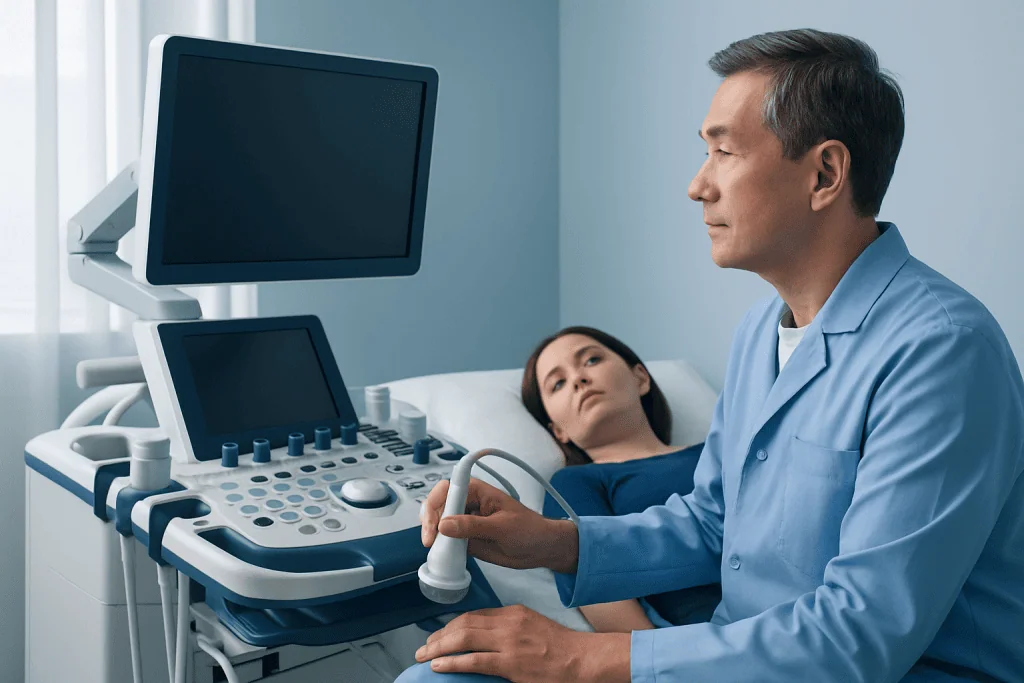
Doctors may assess response with home glucose readings and laboratory tests such as HbA1c. In some situations, broader evaluation of glucose control may include specialist review and continuous glucose monitoring to better understand day-to-day patterns, although this depends on the person’s overall diabetes plan.
Who may benefit from Actos and who may need to avoid it

Actos may be considered for adults with type 2 diabetes who need better blood sugar control, especially when insulin resistance is an important part of the picture. It may be used when lifestyle measures alone are not enough or when another medicine is not suitable or has not provided adequate control.
However, Actos is generally not used for type 1 diabetes and should not be used to treat diabetic ketoacidosis. It also may not be appropriate for people with certain medical conditions, particularly some forms of heart failure or significant liver problems. Doctors are especially cautious in people with a history of fluid retention, bone fractures, or bladder-related concerns.
Older adults and people taking several medications may need extra review before starting treatment. Pregnancy, breastfeeding, planned surgery, and other chronic illnesses should also be discussed. In practice, the decision to use Actos is based on a full medical assessment rather than a single blood sugar reading.
Possible side effects and important safety concerns
Like all medicines, Actos can cause side effects. Common ones may include swelling in the legs or ankles, weight gain, headache, muscle aches, or symptoms of an upper respiratory infection. Some people notice no major problems, while others find these effects troublesome enough to discuss changing treatment.
Doctors pay particular attention to fluid retention because it can worsen or trigger heart failure in susceptible people. Rapid weight gain, increasing shortness of breath, swelling, or unusual fatigue should be reported promptly. Actos can also affect liver health in rare cases, which is why symptoms such as nausea, dark urine, yellowing of the skin or eyes, or persistent abdominal discomfort should not be ignored.
There are also longer-term safety considerations. Some patients may have a higher risk of bone fractures, especially after prolonged use. Questions about a possible relationship with bladder cancer have been studied over time, and while evidence has been mixed, clinicians still review urinary symptoms and personal risk factors carefully before and during treatment.
- Seek urgent medical advice for severe shortness of breath, chest discomfort, or sudden major swelling.
- Contact a doctor if there is unexplained rapid weight gain or worsening fatigue.
- Report signs of liver problems or blood in the urine without delay.
How doctors decide whether Actos is appropriate
Choosing a diabetes medicine is not only about lowering glucose. Doctors also look at heart health, kidney function, liver history, weight goals, fracture risk, and how likely a medicine is to cause low blood sugar. They consider the person’s age, other medications, and whether there are related conditions such as high blood pressure, fatty liver disease, or cardiovascular disease.
Before prescribing Actos, a clinician may review blood tests, current symptoms, and previous treatment response. Follow-up usually includes checking how well blood sugar improves and whether side effects appear. In many people, diabetes care also includes routine tests and screenings, such as eye checks, kidney function tests, and cardiovascular risk assessment.
Specialist input may be helpful for people with complex diabetes or multiple medical conditions. Depending on the situation, a physician may recommend a broader endocrine review or support such as insulin therapy if blood sugar remains uncontrolled. For comprehensive diabetes care, Acibadem International’s multidisciplinary specialists in JCI-accredited hospitals diagnose and treat patients from around the world.
Treatment plan, monitoring, and self-care while taking Actos
Actos works best as one part of a long-term diabetes management plan. Even when a medication improves insulin sensitivity, healthy eating, regular movement, good sleep, and smoking cessation remain essential. These steps can support blood sugar control and may also help reduce the risk of complications affecting the heart, kidneys, eyes, and nerves.
Monitoring is important because diabetes can change over time. A doctor may check HbA1c, liver tests, weight, swelling, and symptoms at regular intervals. People are often encouraged to keep a record of glucose readings, medicines, side effects, and lifestyle changes so treatment decisions can be made more accurately.
If blood sugar remains above target despite treatment, a doctor may adjust the dose, add another medicine, or consider a different strategy. Some individuals with advanced or difficult-to-control type 2 diabetes may need combination therapy and more structured support, including education on meal planning and activity. The goal is steady, safe control rather than rapid or extreme changes.
When to seek medical care
Medical review is important if Actos does not seem to be helping, if side effects interfere with daily life, or if blood sugar remains consistently high or low. A person should also seek advice if there is new swelling, shortness of breath, unusual tiredness, yellowing of the skin or eyes, or urinary symptoms such as blood in the urine.
People with diabetes should not stop or switch prescription medicines on their own unless a doctor advises it. Sudden changes can disrupt blood sugar control and may lead to avoidable complications. Prompt medical guidance is especially important during illness, dehydration, before surgery, or if eating patterns change significantly.
Routine care matters even when symptoms are mild. Regular check-ins help clinicians identify early concerns and protect long-term health. If there are warning signs of diabetes complications, doctors may also evaluate related issues such as diabetic neuropathy or other organ effects as part of a complete treatment plan.
Frequently asked questions
Is Actos the same as pioglitazone?
Yes. Actos is a brand name, and pioglitazone is the generic name of the same medicine. Both refer to a drug used to help control blood sugar in adults with type 2 diabetes.
What is Actos used for?
Actos is used to improve blood sugar control in adults with type 2 diabetes. It is usually part of a broader plan that also includes diet, exercise, and regular medical follow-up.
Does Actos cause weight gain?
It can. Some people experience weight gain while taking Actos, often related to fluid retention or changes in body fat storage. A doctor can help determine whether weight gain is mild and expected or a sign of a more serious problem such as fluid buildup.
Can Actos cause low blood sugar?
By itself, Actos is less likely to cause low blood sugar than some other diabetes medicines. However, the risk may increase if it is taken together with insulin or certain other glucose-lowering drugs. Symptoms such as shakiness, sweating, confusion, or dizziness should be discussed with a clinician.
Who should not take Actos?
Actos may not be suitable for people with certain types of heart failure, significant liver disease, or some other medical concerns. It is also not used for type 1 diabetes or diabetic ketoacidosis. A doctor reviews the full medical history before deciding if it is appropriate.
How long does Actos take to work?
Actos does not usually lower blood sugar immediately. Because it improves insulin sensitivity gradually, it may take several weeks before its full effect becomes clearer. Regular follow-up helps assess whether it is working well enough.
This article is for general information only and is not a substitute for professional medical advice. Please consult a qualified doctor about your individual situation.
Explore treatments in Turkey — costs, top hospitals & a free quote
JCI-accredited · board-certified surgeons · reply within 24h
Add us as a Preferred Source to see more of our trusted health content across Google Search, AI Overviews and Discover.

More from the Health Library

Alpha Lipoic Acid: What Patients Need to Know

Insulin Degludec: A Complete Medical Overview

Furosemide: An Evidence-Based Guide for Patients

Maze Procedure: A Complete Medical Overview

What helps with nausea? A Doctor-Reviewed Answer